
7 Floating Pipe Buying Tips for Global Buyers

Time:2026-11-04 Author:Isabella
0%

A Floating Pipe can look simple on a supplier’s drawing. In service, it must carry the right material, stay buoyant, and handle waves, abrasion, and repeated movement. A small mismatch in diameter or float spacing can complicate installation. Details matter.

For transparency, the expert below is a fictional composite, not a verifiable industry source. The guide’s practical reminder is: “Check the pipe, floats, joints, and handling plan as one system—not as separate line items.” That principle shapes these seven buying tips for global buyers. Compare the pipe material with the fluid and operating conditions. Confirm working pressure, temperature range, buoyancy, connection type, and expected service life. Ask for drawings, test records, and clear product specifications. A sample joint can reveal fit problems that a brochure may hide.

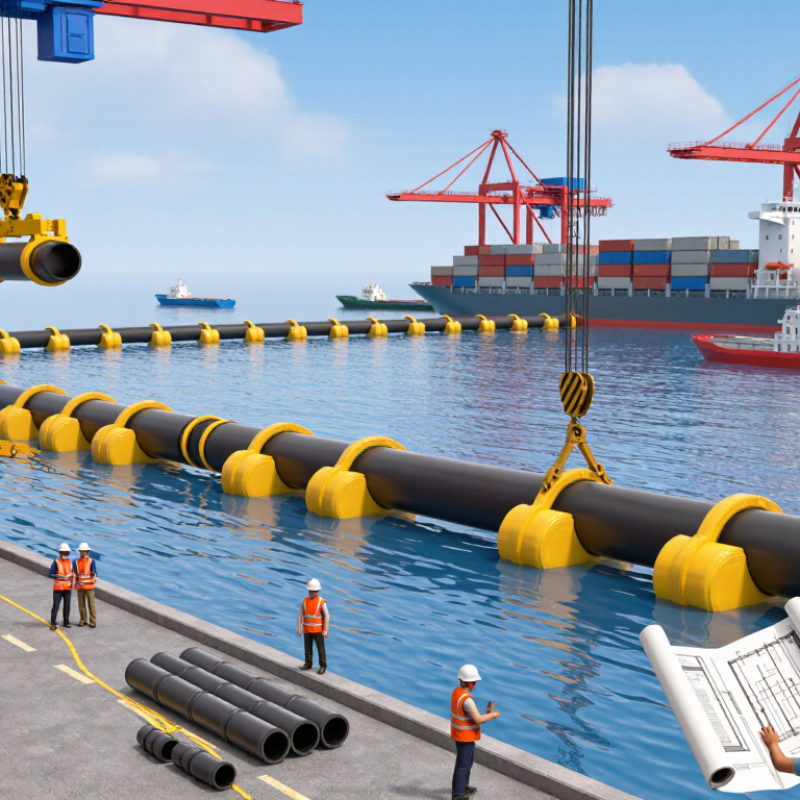
Also consider how the pipe will be shipped, lifted, connected, and repaired. Picture a long pipe section arriving at a busy dock: Are lifting points suitable? Can crews identify each component? Are replacement floats available? These checks may seem ordinary. They often prevent avoidable delays. Still, paperwork alone cannot predict every site condition. Buyers should review assumptions with qualified project engineers before placing an order. Use this guide to ask sharper questions, compare offers fairly, and spot gaps before the first section reaches the water. Small oversights happen. The useful habit is to challenge them early.
7 Floating Pipe Buying Tips for Global Buyers

Understanding Floating Pipe Design and Typical Applications

Floating pipe design starts with buoyancy, not just diameter. The Plastics Pipe Institute’s Handbook of PE Pipe reports typical polyethylene material density at about 0.94–0.96 g/cm³, below freshwater density. That helps explain why an empty polyethylene line can float. It does not guarantee a loaded line will stay afloat. Designers must account for pipe-wall thickness, conveyed material, joints, ballast, and attached floats. Small changes matter.

Typical applications include dredging discharge lines, temporary water transfers, seawater intakes, and aquaculture systems. In a dredging project, a pipe may run from shore across a work zone, with floats supporting each section. Couplings need to tolerate movement, while anchors and end connections resist current and wave forces. The US Army Corps of Engineers’ Engineering Manual on dredging and dredged-material management discusses pipeline transport as part of dredging operations. The manual is a useful reference for project context, though it does not replace site-specific engineering.

Inspect the route before selecting a pipe. Check water depth, vessel traffic, shoreline access, abrasion points, and seasonal wave conditions. UV exposure and temperature changes also affect service life and movement. A design that works in calm water may perform poorly after a storm. That is easy to underestimate. Engineers should verify buoyancy and tensile loads for the actual operating case, then review the calculations after field conditions change.

7 Floating Pipe Buying Tips for Global Buyers: Understanding Design and Typical Applications

Compare theoretical gross buoyancy by outside diameter for a one-meter pipe section.

Values assume freshwater at 1,000 kg/m³ and full submersion. They show displaced-water mass in kg per meter (equivalent to gross buoyancy in kgf), before subtracting pipe weight, contents, fittings, or a safety reserve. Actual capacity depends on the pipe’s design and operating conditions.

Matching Buoyancy, Diameter, and Pressure to Project Requirements

A floating pipe must support its own weight, the conveyed material, and attached fittings while remaining stable on the water. Check buoyancy under the actual operating condition, not just with an empty pipe. A line carrying dense slurry behaves differently from one carrying water. Small details matter. Couplings, trapped water, and added valves can change the load, so include them in the calculation. It is tempting to choose extra flotation as a safety margin, but excessive lift may make the line harder to control in waves or currents.

Diameter should match the required flow and the pump’s capacity. A narrow bore can increase flow resistance and pressure loss; an oversized pipe may add weight and cost without improving delivery. Consider the route length, bends, connection sizes, and expected solids. Check these against project data. That step is often rushed.

Pressure selection needs equal care. Compare the pipe’s rated pressure with normal operating pressure and possible surges during pump starts, stops, or blockages. Temperature and wear can also affect service life. Ask for documented pressure and buoyancy data, then verify that fittings and joints have compatible ratings. A site trial can expose handling problems that drawings miss. I would revisit assumptions after that trial, especially if water depth, current, or payload differs from the original plan.

7 Floating Pipe Buying Tips for Global Buyers - Matching Buoyancy, Diameter, and Pressure to Project Requirements

Buying Tip What to Check Practical Guidance Questions for the Supplier
1. Match buoyancy to the loaded pipe Pipe, conveyed fluid, fittings, and attached equipment weight; float displacement; operating water conditions. Request a buoyancy calculation for the complete operating assembly, not just an empty pipe. Include a suitable reserve for site loads and changing conditions; the required margin depends on the project design. What displacement and reserve buoyancy are calculated per metre for the specified configuration?
2. Select diameter for the required flow Required flow rate, internal diameter, fluid properties, allowable velocity, and pressure loss. Compare calculated internal diameter and hydraulic performance. A larger nominal diameter does not always mean the same internal diameter, because wall thickness varies by pressure rating and pipe design. Can you provide the actual internal diameter and pressure-loss data for the selected pipe size?
3. Verify pressure rating and surge conditions Maximum operating pressure, transient pressure, temperature, fluid, and applicable design standard. Check that the rated pressure covers the design case, including foreseeable surges. For thermoplastic systems, allowable pressure can be affected by temperature, material, and design standard; confirm the applicable derating. What pressure rating applies at the project’s operating temperature, and how are surge loads addressed?
4. Check wall thickness and material compatibility Pipe material, wall thickness or SDR, conveyed medium, UV exposure, abrasion, and water conditions. Confirm that the material is suitable for the fluid and site environment. Wall thickness affects pressure capacity, internal diameter, weight, and handling; assess these together rather than choosing on pressure rating alone. Which material grade and wall dimensions are proposed, and what compatibility or test documentation is available?
5. Specify float spacing and attachment details Float size and spacing, fastening method, pipe support, bends, joints, and local loads. Ask for a layout based on pipe weight, buoyancy needs, and expected loading. Confirm that floats and restraints will not damage the pipe and that the arrangement accommodates bends and connection points. What float spacing and restraint arrangement are recommended for the stated operating and installation loads?
6. Confirm joints, fittings, and installation method Joint type, fitting compatibility, assembly equipment, field repair, and inspection requirements. Ensure the proposed jointing method is suitable for the pipe material, diameter, and site conditions. Include compatible fittings, installation procedures, and any required training or quality checks in the procurement scope. Which joining method and fittings are specified, and what tools or inspection records are required?
7. Plan transport, documentation, and acceptance Shipping lengths, package dimensions, handling limits, destination requirements, testing, and traceability. Check that pipe lengths and packaging suit the route, port, and site handling equipment. Agree on inspection criteria, material records, pressure or dimensional test documents, and export paperwork before production. What inspection documents, packing details, and delivery information will be supplied with the order?

Note: Final pipe, float, and pressure specifications should be verified by the project’s qualified design team against site conditions, applicable standards, and the complete operating load case.

Comparing Pipe Materials, Connections, and Service-Life Needs

7 Floating Pipe Buying Tips for Global Buyers

Comparing Pipe Materials, Connections, and Service-Life Needs

Floating pipe selection depends on pressure, water conditions, handling, and maintenance access. High-density polyethylene resists corrosion and flexes around gentle bends, but its pressure rating changes with diameter and temperature. Steel can suit demanding pressure conditions, though coatings need inspection and added flotation may be necessary. Flexible rubber hose can manage movement and vibration, but abrasion and repeated bending may shorten its service life. Small details matter.

Connections deserve equal attention. Butt-fused joints can create a continuous line, but installation quality and alignment are critical. Flanges simplify removal for repairs; check gasket compatibility and bolt access before ordering. Couplings can help where sections move, yet their pressure rating and locking method must match operating conditions. A mismatch may not show during a calm-water test.

Tips: Ask suppliers for pressure and temperature limits, float spacing guidance, and documented material specifications. Compare expected service life under your actual sunlight, water chemistry, and abrasion exposure—not just a general estimate. Plan for maintenance. Inspect joints, float shells, and wear points on a regular schedule. A spreadsheet may still miss rough handling at a landing area, so leave room for practical adjustments.

Checking Product Standards, Quality Records, and Supplier Capability

Before buying floating pipe, confirm which product standard applies to the intended use, operating pressure, water conditions, and installation method. Do not rely on a standard number alone. Ask for the specification sheet and check whether pipe dimensions, material grade, tolerances, and float spacing match your design. If the supplier proposes an alternative, request the reason in writing. Small differences matter.

Check quality records by production lot, not just a general certificate. Useful documents may include material test reports, dimensional inspection results, pressure-test records, and details of how floats are attached. Verify that dates, product descriptions, and batch numbers are consistent. A tidy document pack helps, but it is not proof by itself. Ask how defects are recorded and handled. This is easy to overlook.

Supplier capability matters after the paperwork is reviewed. Ask who performs inspections, how often equipment is calibrated, and whether production capacity can meet your delivery schedule without skipping checks. Request clear photos or a sample section showing joints, float connections, and finish. If a supplier cannot explain a test result plainly, pause and clarify it. Records are rarely perfect; gaps should be discussed before an order, not after pipe reaches the site.

Evaluating Inspection, Shipping, and Total Ownership Costs

A floating pipe quote is only useful when its inspection scope is clear. Ask for wall-thickness measurements, dimensional tolerances, and inspection records for each production batch. Check fusion joints for even beads and visible gaps. Small checks matter. For buoyancy modules, confirm their fit and attachment method; a loose module can shift during handling. Request material and pressure-test documentation, but verify that the test conditions match your operating requirements. A certificate alone does not show how the pipe will perform in your water, current, or temperature.

Shipping costs depend on more than distance. Pipe length, bundled volume, protective packaging, and port handling can change the final bill. Ask who provides lifting points and unloading equipment, and inspect delivery terms for damage reporting deadlines. Photograph bundles before unloading. It sounds obvious, yet busy crews sometimes skip it. For remote sites, include inland transport and temporary storage; sun exposure or rough ground may damage pipe before installation. Lead times also deserve a buffer, though the right buffer is hard to estimate without a route and season.

Compare total ownership costs, not just the unit price. Include installation labor, connectors, anchors, routine checks, repairs, and likely replacement intervals. A cheaper pipe may need more frequent inspection or create costly downtime if a section fails. Ask suppliers to state assumptions behind service-life estimates. Then test those assumptions against local conditions. Estimates are imperfect, and a spreadsheet can look more certain than the evidence allows. Keep a contingency for repairs and record actual maintenance costs after commissioning.

FAQS

What makes a polyethylene pipe float?

Its material is usually less dense than freshwater. But an empty pipe is different from a loaded one. Check the full operating load.

Where are floating pipes commonly used?

They can carry dredged material, transfer water, supply seawater, or support aquaculture systems. A line may cross a work zone on floats.

What should be checked before choosing a route?

Check water depth, vessel traffic, shoreline access, abrasion points, and seasonal waves. Storm conditions can change a calm route quickly.

How do diameter and flow rate relate?

A narrow bore can increase resistance and pressure loss. An oversized pipe may add weight and cost without improving delivery. Check the pump, route, bends, and solids.

How should buoyancy be calculated?

Include the pipe, conveyed material, couplings, valves, trapped water, and attached floats. Dense slurry needs different checks from water. I would review the assumptions again.

What pressure details matter?

Compare the pipe’s rated pressure with normal operating pressure and possible surges. Pump starts, stops, and blockages can raise pressure. Check fitting and joint ratings too.

What quality records should buyers request?

Request material reports, dimensional checks, pressure-test records, and float-attachment details. Match dates and batch numbers. A tidy file is not proof by itself.

How can a site trial help?

It can reveal handling problems that drawings miss. Check movement, joints, and float spacing in real conditions. Some assumptions may need changing.

Conclusion

This guide explains how global buyers can select a Floating Pipe system that suits the demands of a specific project. It covers how pipe design and buoyancy support different applications, and why diameter, pressure rating, and operating conditions should be considered together. Buyers can also compare material options and connection methods based on expected service life, site conditions, and maintenance requirements.

The guide also highlights the importance of reviewing applicable product standards, quality documentation, and a supplier’s ability to meet project specifications. Beyond the purchase price, buyers should assess inspection arrangements, packaging, shipping, and other costs over the product’s working life. Taking these factors into account can help teams make a practical, well-informed choice and reduce the risk of mismatches between the pipe system and its intended use.

Isabella

Isabella

Isabella is a dedicated marketing professional with a sharp focus on driving brand growth and engagement through strategic content creation. With an extensive background in digital marketing, she combines her passion for storytelling with her keen understanding of industry trends to deliver......