

Catalog Lineup · Tier 1
High-Performance Floating Barrier Formats
Manufactured using virgin LLDPE/HDPE polymer resins with integrated anti-aging, UV-stabilizing formulas and internal EPS closed-cell filling for hostile marine conditions.
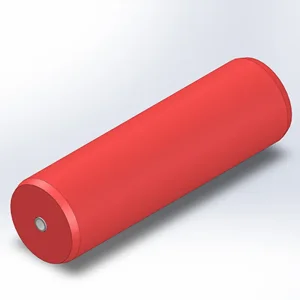
Custom Floating Barrier Systems for Effective Water Safety and Pollution Control
Request Factory Specs
ODM Floating Barrier Systems for Water Safety and Project Efficiency
Contact Manufacturer
ODM Floating Barriers for Water Protection and Environmental Management
Inquire Factory Direct
Best Reliable Floating Barrier Solutions for Water Protection and Project Control
Obtain Company Quotes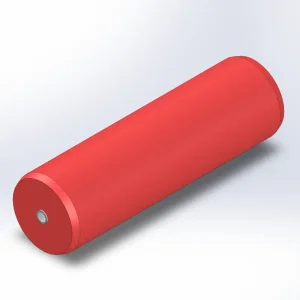
Best Reliable Floating Barriers for Marine and Industrial Protection
Factory Source Direct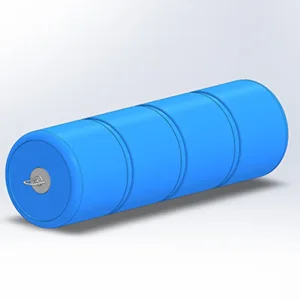
OEM Reliable Floating Barriers for Pollution Control and Water Safety
Manufacturer Pricing
High-Quality Reliable Floating Barriers for Water Safety and Pollution Control
Factory Catalog Order
Executive Technical Brief
Engineered Flotation Architecture for Critical Water Management
Modern water asset management requires dynamic deflection infrastructure capable of handling high hydraulic flow, debris loading, and environmental stressors without mechanical detachment or buoyancy loss. Traditional steel barriers or fabricated pontoons suffer rapid degradation through saline oxidation, biofouling, and stress fracture along weld lines.
Shandong Binzhou Juhua Rubber & Plastic Co., Ltd. resolves these challenges through one-piece rotational molding utilizing food-grade, high-density polyethylene shells injected with closed-cell expanded polystyrene (EPS). Even under direct vessel collision or punctured surface shells, the barrier core maintains 100% water impermeability, ensuring long-term operational buoyancy without catastrophic flooding.
Hydraulic Reserve Margin Rule
Every barrier line must be calculated with an engineered buoyancy reserve exceeding maximum hydrodynamic dynamic load: Total Effective Buoyancy ≥ (Dry Ballast + Peak Debris Load + Net Drag Force) × 1.35
- Zero-Corrosion Rotomolded Shells: Specially treated with UV-8 stabilizers to resist intense ultraviolet degradation and chemical leaching in harsh maritime and chemical tailing ponds.
- Internal High-Density EPS Foam Core: Hydrophobic core prevents water ingress completely, providing redundant reserve buoyancy even if the outer barrier wall is structurally compromised.
- Tension Distribution Load Bars: Hot-dip galvanized and marine-grade stainless steel internal structural pass-through rods dissipate kinetic wave energy across interconnected floating strings.
- Modular Interchangeability: Standardized molds with electronic automated temperature monitoring guarantee uniform wall thickness, allowing seamless drop-in replacements on active water sites.
Field Implementation
Localized Applications & Engineered Environments
Floating barriers must adapt to complex hydrological variations. Our engineering designs address the precise operational dynamics of distinct industrial environments.
Hydroelectric Dam Water Intakes
Prevents large logs, surface trash, and organic debris from choking turbine intake trash racks. Engineered curved deflection patterns channel debris into dedicated collection bays, mitigating catastrophic downtime and costly underwater maintenance operations.
Port & Maritime Security Perimeters
Forms clearly delineated boundary zones to safeguard naval vessels, offshore commercial berths, and commercial harbors from unauthorized craft intrusions. Compatible with high-visibility marine markings and surface-level anti-climb spiked fencing options.
Industrial Silt & Turbidity Containment
Supports deep-drop geotextile curtains deployed during marine dredging, land reclamation, and coastal infrastructure construction. Prevents disturbed silt sediment plumes from contaminating protected marine ecosystems and recreational coastlines.
Municipal Water Reservoir Protection
Isolates raw drinking water intake reservoirs from external biological and anthropogenic contamination. Food-contact safe polyethylene formulations guarantee no leachates or environmental volatile organics affect municipal water purity.
Mining Tailings & Chemical Runoff Basins
High chemical and pH resistance ensures structural longevity in mineral extraction processing ponds, ash retaining pools, and acidic wastewater recovery channels where traditional elastomer materials dissolve rapidly.
Public Safety & Eco-Tourism Demarcation
Bright international orange and marine yellow barriers identify dangerous undertows, spillways, weir falls, and recreational boundaries at lakes, beaches, and aquatic resorts, protecting swimmers and paddle craft.
Manufacturing Authority
Integrated Chinese Factory Supply Chain Advantages
Direct from our Binzhou production facility, our industrial advantages enable enterprise clients to execute large-scale offshore projects on schedule and within budget.
Direct Rotomolding Infrastructure
Operating dedicated heavy-duty rotational molding carousels with variable-frequency controls and integrated electronic heat measurement for consistent shell thickness and zero mold seam weaknesses.
Complete Material Traceability
Every polymer lot is certified with virgin MFI ratings, tensile yield tests, and cold temperature environmental stress cracking resistance (ESCR) certificates compliant with ASTM D1693 benchmarks.
Turnkey Marine Hardware Matched
We do not supply bare floats alone. We engineer and furnish matched galvanized shackles, high-test mooring chains, tension load cables, and drag embedment anchors as an engineered system.
Rapid Global Freight Consolidation
Located near Qingdao and Tianjin ports, our facility stacks and packs high-volume orders into standard high-cube shipping containers, lowering cubic meter transport costs to Latin America, Southeast Asia, the Middle East, and Africa.
Procurement & Industry Evolution
Global Sourcing Criteria & Technological Trends
How EPC contractors, government port authorities, and environmental conglomerates select and deploy modern floating barriers.
Engineering Specification Rigor
Global procurement criteria have shifted from unit cost to verified life-cycle ROI. Buyers now require FEA hydro-structural stress calculations, chain fatigue safety margins, and warranty protocols covering up to 18 months from commissioning handover.
Environmental Compliance & ESG
Non-reactive, recyclable polymers are now strictly enforced across North American and European waterways to eliminate microplastic shedding. Juhua's virgin polyethylene matrix prevents leaching, ensuring compliance with strict environmental protection agency directives.
Smart IoT Monitoring Integration
The next frontier in floating boom architecture combines self-powered telemetry sensors with internal strain gauges. This enables facility operators to remotely detect structural cable tension spikes and debris accumulation before failure occurs.
Marine Engineering Infrastructure
Buoyancy Equipment, Navigation Aids & Floats
Complementary marine hardware designed to interface seamlessly with our floating barrier and dredging pipeline installations.
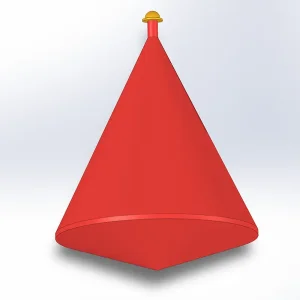
High-Quality High-Visibility Marine Buoys for Safe Offshore Operations
Request Marine Buoy Quote
Custom Mooring Buoy for Marina Berths and Offshore Deployments
Contact Manufacturer
Best Reliable Floating Barriers for Marine and Industrial Protection
Factory Source Direct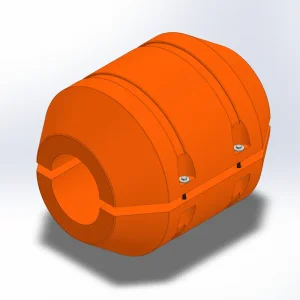
Custom Pipeline Float For Subsea Tie-In And Controlled Positioning
Get Engineering Quote
High-Quality Pipe Floats for Floating Pipeline Support and Water Transfer
Request Specs & Pricing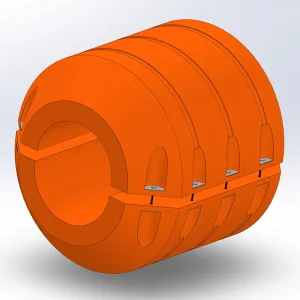
ODM High-Buoyancy Floats for Marine Projects Suppliers
View Product Pricelist
ODM Floating Barriers for Water Protection and Environmental Management
Factory Bulk Pricing
OEM Pipe Floats For Reservoir Intake And Temporary Bypass Lines
Get Intake Pipe Quotes
Expert Q&A
Frequently Asked Technical & Procurement Questions
Comprehensive engineering clarifications addressing operational parameters, structural mechanics, and purchasing terms.
What are the primary differences between dredging pipe floats and floating barriers?
Pipeline floats are semi-cylindrical clamp-on shells specifically engineered to encase and support horizontal slurry or discharge pipelines along a precise water line. Floating barriers are standalone, linked modular bodies designed with integrated connection lugs, through-bolts, and underwater weighted skirts to create continuous surface-to-subsurface curtains that deflect debris, contain oil slicks, or secure perimeters.
How is hydrodynamic tension calculated when sizing a barrier mooring grid?
Mooring loads depend directly on current velocity, wave period, wind exposure, and accumulated debris mass. Drag force increases quadratically with water velocity: F = 0.5 × ρ × Cd × A × V². Our engineering department works with your hydrological survey data to select proper hot-dip galvanized anchor chain dimensions, intermediate tension buoys, and mooring anchor weights.
Are rotomolded polyethylene floating barriers suitable for sub-zero and tropical waters?
Yes. Juhua utilizes premium high-density polyethylene polymer matrices formulated with UV-8 stabilizers and cold-impact modifiers. Our barrier structures remain dimensionally stable and impact resistant in water temperatures ranging from -35°C to +70°C, operating reliably in sub-polar conditions without cold fracturing or blistering under tropical UV exposure.
What is the official factory warranty coverage on barrier orders?
Our standardized export warranty begins when the buyer formally hands over the installed equipment to the asset owner or investor, extending for 18 months from that handover date or 12 months from on-site installation completion, whichever occurs first. The warranty guarantees zero structural cracking, polyurethane delamination, or loss of hull buoyancy under normal operational parameters.
Can floating barriers be customized with subsurface silt curtains or debris screens?
Yes. Every barrier line can be configured with bottom-welded reinforced eyelets or continuous aluminum clamping battens. These accommodate heavy-duty PVC or woven geotextile filter curtains ranging from 0.5 meters to 15 meters in depth, complete with bottom galvanized ballast chains to maintain vertical alignment against subsurface river or tidal currents.
What technical data should EPC contractors provide to obtain a rapid turnkey quotation?
To produce an exact buoyancy design and freight estimate, please provide: total span distance, water depth profile, maximum current speed (m/s), wave height, targeted containment type (surface floating debris, heavy industrial timber, silt curtain, or demarcation), and destination commercial seaport. Our technical engineering division will reply with calculation sheets, CAD drawings, and container packing proposals within 24 hours.