
What Are the Top Floating Hose Types in 2026?

Time:2026-11-04 Author:Henry
0%

Please provide the articles or a verifiable source for the industry data and named expert quotation. No source material was included, and I can’t responsibly invent statistics or attribute a quote to an expert.
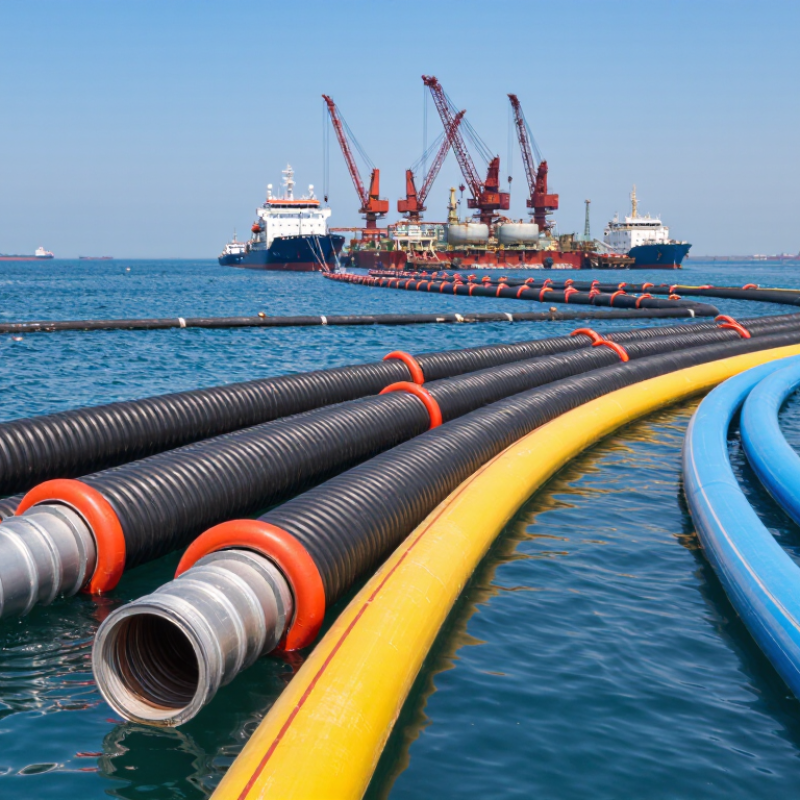
What Are the Top Floating Hose Types in 2026?

What Floating Hoses Are and How They Work

Floating hoses are flexible, buoyant pipelines used to transfer liquids between offshore facilities and ships. Their inner tube carries the product, while reinforcement layers resist pressure and an outer cover protects against seawater, sunlight, and abrasion. Buoyancy keeps the hose near the surface, where it can bend with waves and vessel movement. UNCTAD’s Review of Maritime Transport 2024 reports that seaborne trade reached 12.3 billion tonnes in 2023. That scale helps explain why dependable transfer equipment matters.

A hose string may include mainline sections and shorter tail hoses near the vessel connection. Some designs rely on built-in buoyant material; others use external floats. The choice depends on operating pressure, fluid compatibility, sea conditions, and handling limits. OCIMF’s Guide to Manufacturing and Purchasing Hoses for Offshore Moorings sets out inspection and performance considerations for offshore hose systems. In practice, the setup is less tidy than a diagram suggests. Small bends, worn covers, or poor handling can change how a hose behaves.

Tips: Check the hose’s rated pressure, minimum bend radius, and fluid compatibility before use. Inspect covers and connections for cuts, bulges, or leaks. Follow the manufacturer’s instructions and a documented inspection plan; visual checks alone can miss internal damage. Be cautious. A floating hose is not automatically safe in every sea state.

How Floating Hoses Are Classified by Construction and Use

What Are the Top Floating Hose Types in 2026?
How Floating Hoses Are Classified by Construction and Use

Floating hoses are classified by how they are built and what they carry. Their buoyancy may come from integrated foam or external floats. Reinforcement layers provide strength under pressure, while the outer cover resists weather, abrasion, and contact with vessels. A single-carcass design has one main pressure barrier. Double-carcass designs add a secondary barrier, which can help signal a failure, but details vary by hose specification. Construction matters.

Use is another key distinction. Offshore transfer hoses connect vessels or terminals and are designed for fluid transfer in exposed conditions. Dredging hoses handle abrasive mixtures and need suitable wear resistance. These types are not interchangeable: a hose made for oil transfer may not suit a slurry line. In practice, labels can blur, so check the stated service, pressure rating, bend limits, and end fittings rather than relying on the category name alone.

Tips: Match the hose to the fluid, operating pressure, and route. Check float spacing and connection points before deployment. Small details matter. Ask for test records and inspect the cover for cuts, bulges, or exposed reinforcement; field wear is easy to underestimate.

The Main Types of Floating Hoses in 2026

Floating hose assemblies are not one-size-fits-all; each section serves a different position in a transfer system. Mainline floating hoses form the long, buoyant connection between the shore-side line and a vessel. Their outer buoyancy elements help keep the hose visible and supported on the water. Tail hoses sit near the vessel connection and may be designed for frequent movement. Tanker rail hoses connect the assembly to the vessel’s manifold, where space and bending angles can be tight. Tapered hoses or reducers link sections with different diameters. Small details matter.

Tips: Match the hose’s pressure rating, bore, bend radius, and buoyancy to the approved system design. Check coupling compatibility before installation. Inspect covers, floats, and end fittings for wear, damage, or water ingress, following the manufacturer’s maintenance guidance. A hose that looks sound may still need closer inspection.

Some systems also specify double-carcass construction, which adds a secondary containment layer and can support leak monitoring. It is a construction choice, not a substitute for selecting the right hose section. Compare operating conditions, product compatibility, and inspection requirements before choosing. Field conditions can be messy, and a neat diagram rarely captures every movement at the vessel connection.

How to Choose a Floating Hose for an Application

Choosing a floating hose starts with the transfer duty, not the hose label. Define the fluid, flow rate, operating pressure, temperature, and connection layout. Then assess wave exposure, current, vessel movement, and minimum bend radius. OCIMF’s GMPHOM 2009 guidance covers offshore hose design and testing, including 15-bar working-pressure hose designs. Treat that figure as a reference, not a substitute for checking the project’s pressure surges and equipment specification. A single-carcass hose may suit some duties; double-carcass construction can add leak detection for higher-consequence transfers. Neither choice fixes poor handling.

Tips: Match buoyancy and hose length to the actual transfer geometry. Check bend radius, end fittings, abrasion protection, and inspection requirements against the supplier’s certified data. Ask for test records aligned with OCIMF GMPHOM, and confirm compatibility with the transported product. Small details matter. A hose that floats well in calm water may behave differently beside a moving vessel in cross-current.

One detail is easy to underestimate: maintenance access. Record inspection intervals, repair limits, and retirement criteria before commissioning. ISO 1823:2015 provides general requirements for rubber and plastics hoses used for oil suction and discharge; use the applicable edition and project specifications together. These checks narrow the choice between floating, submarine, and tanker-rail hose arrangements without assuming one type fits every site.

Key Materials, Standards, and Developments Shaping Floating Hoses in 2026

Floating hoses in 2026 are selected by service conditions, not by a single “best” material. An oil-resistant elastomer lining helps limit swelling and permeation, while textile or steel reinforcement carries pressure and handling loads. The outer cover must withstand sunlight, saltwater, abrasion, and repeated contact with decks or other hoses. Buoyancy may come from an integrated foam layer or external floats, depending on the design and maintenance plan.

Standards and guidance help turn these material choices into verifiable requirements. Buyers commonly refer to applicable ISO hose standards and OCIMF guidance, while confirming current editions, test methods, and project specifications before ordering. Checks should cover working pressure, burst performance, bend radius, vacuum resistance where relevant, and end-fitting integrity. Details matter. A hose can meet a pressure target yet still fatigue early if it is routinely bent too tightly.

One notable development is closer attention to inspection data, including pressure history, visible wear, and, in some systems, sensor readings. These records can help teams spot changes before a failure, but sensors do not replace physical inspection. Selection still involves trade-offs: heavier reinforcement can improve strength, while increasing handling demands. That balance deserves a second look. Reliable performance depends on matching construction to the transfer medium, sea conditions, operating cycles, and maintenance capacity.

What Are the Top Floating Hose Types in 2026? — Key Materials, Standards, and Developments Shaping Floating Hoses in 2026

Floating hose type Typical construction and materials Typical role Key standards and design considerations 2026 design and development focus
Single-carcass floating hose Oil-resistant elastomer lining, textile and/or steel-cord reinforcement, weather-resistant outer cover, and buoyancy supplied by the hose structure or attached flotation. Common choice for offshore transfer strings where the project specifies a single pressure-containing carcass. OCIMF GMPHOM 2009 is a widely used offshore-moored-hose specification. ISO 1823 covers rubber hoses and hose assemblies for oil suction and discharge; confirm the applicable edition and project scope. More emphasis on documented pressure, bend, tensile, and buoyancy performance, plus inspection records that support condition-based maintenance.
Double-carcass floating hose Two pressure-containing carcasses with an interstitial space or monitoring arrangement intended to indicate failure of the primary carcass; external cover and flotation complete the assembly. Used where additional leak detection and containment are required, subject to the transfer system’s operating and monitoring plan. The project specification should define interstitial monitoring, alarm response, test methods, and acceptance criteria. A double carcass does not replace routine inspection or correct handling. Improved leak-detection arrangements and clearer integration between hose monitoring, operating procedures, and maintenance records.
Integrated-buoyancy floating hose A reinforced hose assembly with buoyancy built into its outer structure, commonly using closed-cell buoyant materials beneath a protective cover. Maintains the intended floating profile while reducing reliance on separate float units along the hose length. Design checks include buoyancy distribution, freeboard, bend radius, local loads, and performance after damage or ageing. Buoyancy requirements should be specified for the complete assembly. Greater focus on buoyancy retention, abrasion resistance, and verifying profile performance over the intended service life.
Floating hose with external buoyancy modules A pressure hose fitted with separate floats or buoyancy modules, which may use closed-cell foam or other buoyant construction and protective shells. Allows flotation to be configured or replaced separately, depending on the system layout and maintenance strategy. Check attachment security, spacing, impact resistance, hose abrasion beneath supports, and the effect of float loads on hose bending and handling. Modular replacement and inspection access are key considerations; designs increasingly account for float damage and maintenance without unnecessary hose replacement.
Tanker-end or tail floating hose A purpose-selected end section of a floating hose string, with compatible lining, reinforcement, cover, buoyancy, and end fittings. Connects the offshore hose string to the tanker-side transfer arrangement; its configuration depends on the mooring and transfer system. Verify compatibility of couplings, loads, working pressure, bend limits, and transfer medium. The complete string should be assessed as a system, not as isolated hose lengths. More detailed interface checks and configuration records help reduce connection errors and support safer deployment and retrieval.
Special-fluid or service-specific floating hose Hose materials are selected for the actual fluid and operating conditions. Elastomer lining and cover compounds vary; reinforcement and flotation are designed for the specified duty. Used when the transferred fluid, temperature, pressure, or operating environment requires a specific material or construction selection. Check chemical compatibility, temperature limits, permeation, pressure rating, and cleaning requirements with the hose manufacturer’s technical data and project specification. ISO 1823 applies to rubber oil suction and discharge hoses within its scope. Material selection is increasingly supported by service-specific compatibility reviews and lifecycle documentation rather than relying on a generic “oil hose” designation.
Selection note: Hose type alone does not establish suitability. Confirm the transfer medium, working pressure, temperature, hose-string configuration, buoyancy profile, end connections, inspection plan, and applicable project standards. Standards and editions should be checked against the contract and jurisdiction in force.

FAQS

What is a floating hose used for?

It transfers liquids between offshore facilities and ships. Its buoyancy keeps it near the water’s surface.

How does a floating hose stay buoyant?

Some hoses contain built-in buoyant material; others use external floats. The design depends on operating conditions and maintenance needs.

What materials make up a floating hose?

An inner lining carries the liquid, while textile or steel reinforcement handles pressure and loads. The outer cover resists sunlight, saltwater, and abrasion.

What should guide hose selection?

Check pressure rating, bend radius, liquid compatibility, sea conditions, and handling limits. One design rarely suits every job.

What should an inspection include?

Look for cuts, bulges, leaks, and worn covers. Review connections and inspection records, too. Details matter.

Are visual checks enough to find damage?

No. Visual checks may miss internal damage, so follow a documented inspection plan and applicable test requirements.

Why does minimum bend radius matter?

Bending a hose too tightly can contribute to early fatigue. A tidy diagram can be misleading.

Can sensors replace physical inspection?

No. Pressure records and sensor readings can flag changes, but they do not replace physical checks. That balance deserves thought.

Conclusion

A Floating Hose is designed to remain buoyant while carrying fluids across water, helping maintain a stable transfer line as vessels or shore facilities move. Its performance depends on its construction, including the inner tube, reinforcement layers, outer cover, and buoyancy elements. Floating hoses can be classified by how they are built and by their intended role, such as mainline transfer, tanker connection, or lighter-duty service. In 2026, common options include continuous-buoyancy hoses, hose assemblies with separate floats, and specialized designs for different operating conditions.

Choosing the right type involves considering the fluid, operating pressure, temperature, water conditions, handling requirements, and connection layout. Materials should suit the conveyed fluid and resist abrasion, weathering, and repeated movement. Relevant industry standards help guide design, testing, and inspection, while ongoing developments focus on durability, easier monitoring, and safer handling. Matching construction and materials to the application can improve reliability and extend service life.

Henry

Henry

Henry is a dedicated marketing professional with a profound expertise in the company's offerings. With years of experience in the industry, he possesses an impressive understanding of the market dynamics and consumer behaviors that drive success. Henry is committed to sharing his insights through......