
Primary Buoyancy & Pipeline Systems
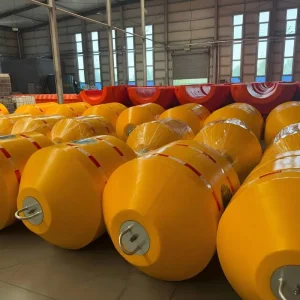
Heavy-duty marine certified units precision-rotomolded for demanding hydrodynamic environments, coastal waterways, and high-energy aquaculture farms.



State of Global Commercial Aquaculture Flotation
The transformation of mariculture into exposed open-ocean operations necessitates a fundamental upgrade in structural flotation integrity, biosecurity compliance, and hydrodynamic resistance.
Offshore Migration Dynamics
Near-shore carrying capacities have peaked across key maritime jurisdictions. Marine farms are transitioning toward high-energy offshore sites requiring heavy-duty floats with superior kinetic damping and tensile fatigue resistance.
Polymer Bio-Inertness & Regulations
Traditional expanded polystyrene (EPS) beads and degradation-prone plastics face escalating environmental bans worldwide. Rotationally molded virgin HDPE shells filled with closed-cell PU foams eliminate particle shedding and ecosystem contamination.
Extreme Dynamic Loading
Open mariculture systems confront persistent cyclical shearing, cyclic vortex shedding, and direct wave action up to 8-meter significant wave heights (Hs), requiring stress-crack-resistant polymer compounding (ESCR > 1000 hrs).
Engineering Systems Tailored to Localised Farming
Buoyancy is an active structural component. Our specialized product configurations are tailored for specific geographical ocean current structures and mariculture operations.
Subsurface Kelp & Algae Arrays
Designed for multi-trophic offshore farming (IMTA). Symmetrical torpedo and cylindrical floats provide uniform hydrodynamic slipstreams, mitigating drag in high-velocity coastal currents and eliminating entanglement risks.
Longline Bivalve & Shellfish
Featuring reinforced continuous through-hole channels and high-friction anti-slip grooves. Capable of bearing variable bio-fouling weight loads without loss of nominal buoyancy reserve, surviving multi-year deployments without degradation.
Industrial Finfish Net-Pens
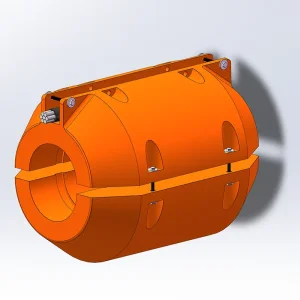
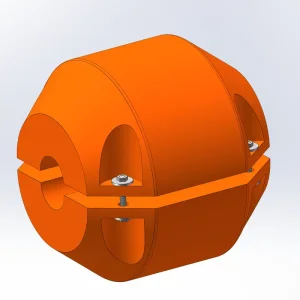
Engineered collar floats and bracket-lock buoys optimized for round and square HDPE cage piping. Resistant to high torsional deformation, keeping stanchions aligned and jump nets taut even in tidal currents exceeding 3.5 knots.
Deterministic Sizing & Reserve Ratio Calculations
Industrial mariculture failures frequently stem from relying on static, clean-water buoyancy estimates. In real ocean environments, floating structures accumulate extensive biological growth (mussels, barnacles, macroalgae), while experiencing wave down-drag and slurry weight fluctuations.
Our engineers implement multi-factor hydrodynamic equations to guarantee positive freeboard during worst-case peak storm periods. A minimum reserve safety margin of 20% to 30% is mandatory across all deployed containment grids.
Engineering Buoyancy Criterion:
- W_dry: Dead-weight of cages, pipes, chains, hardware
- W_fluid: Internal transferred medium or slurry mass
- W_bio: Maximum projected marine growth saturation
- 1.25 Factor: Ensures 25% nominal freeboard preservation
Technology Roadmap: The Future of Ocean Flotation
Transitioning from passive buoyancy elements to connected, sensory ocean platforms designed for smart maritime engineering.
IoT & Telemetric Sensor Nodes
Integration of low-power LoRaWAN and satellite-linked sensor payloads directly inside rotational cavities. Floats track water temperature, salinity, oxygenation levels, and mooring line tension in real time.
Bio-Inspired Anti-Fouling Shells
Pioneering non-toxic micro-textured surfaces that replicate shark skin denticles within the rotomolding tool, deterring macro-algal adhesion and reducing manual net-washing and float-scrubbing downtime by 40%.
100% Circular Ocean Polymers
Closed-loop reclamation models utilizing chemical recycling processes to reintroduce retired marine pipelines and floats directly into virgin-grade polymers without compromising UV-stabilized molecular weight or stress resistance.
Auxiliary Marine Platforms & Flotation Units
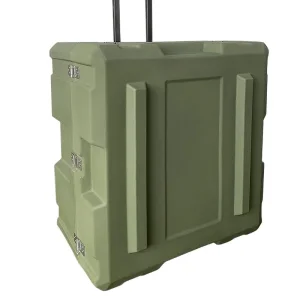
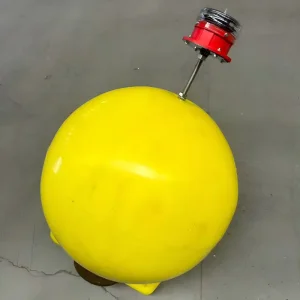
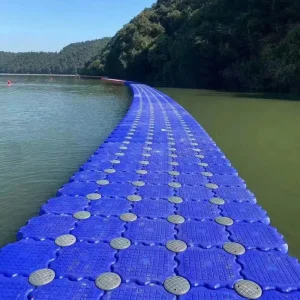
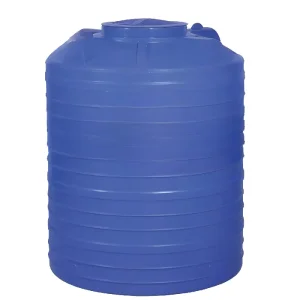
Comprehensive solutions engineered for deepwater pipelines, waterway navigation, modular workboats, and perimeter marine safety containment.



Frequently Asked Technical Questions (FAQ)
Real engineering solutions for marine procurement teams, EPC contractors, and open-ocean aquaculture facility managers.
What core advantages does rotational molding provide over blow molding in marine floats?
Rotational molding ensures stress-free molecular orientation, seamless single-piece structural hulls, and thicker, highly uniform corner radiuses. Unlike blow molding, which creates internal residual stress and thin wall seams prone to splitting under wave impact, rotomolding delivers exceptional impact elasticity, environmental stress-crack resistance (ESCR), and uniform polymer density across complex geometries.
How are closed-cell polyurethane cores engineered to prevent internal water ingress?
Our floats are injected with marine-grade, closed-cell polyurethane (PU) foam with a closed-cell ratio exceeding 95% and a density of 35–45 kg/m³. Even if external high-impact collisions rupture or puncture the outer polyethylene shell, water cannot migrate through the cell matrix. This guarantees continuous, uninterrupted buoyancy and prevents sudden structure sinking.
What polymer compounding specifications are utilized to guarantee a 15+ year marine lifespan?
We use 100% virgin high-density or linear low-density polyethylene (HDPE/LLDPE) combined with Class 8 UV stabilizers (such as Tinuvin/Chimassorb systems), marine-grade carbon black, or pigments compliant with IALA standards. This proprietary compounding prevents ultraviolet photochemical chalking, photo-oxidation, and brittle embrittlement, ensuring a design lifespan of 15+ years in harsh marine UV conditions.
How do you calculate buoyancy sizing for high-energy offshore installations?
Buoyancy calculations must encompass dry equipment mass (cages, pipes, brackets, hardware), variable fluid or slurry weights, dynamic hydrodynamic drag, and biological fouling (which can add up to 200–300% to dead-weight in warm sea regions). We apply deterministic modeling to maintain a minimum 25% freeboard safety reserve under combined 100-year storm wave down-draft and extreme tidal velocity conditions.
Can pipeline floats be integrated with dynamic marine subsea cables and sensors?
Yes. Our custom designs include longitudinal troughs, molded channel sleeves, and rubber clamping grommets. These allow simultaneous routing and protection of telemetry instrumentation cables, power feeds, and chemical aeration tubing, safeguarding them from abrasion and dynamic strain while maintaining secure pipe clamping.