
Heavy-Duty OEM Marine Buoys & Floating Barrier Solutions
Engineered for harsh hydraulic regimes, our marine-grade rotomolded floats provide superior hydrodynamic resilience, impact absorption, and environmental stress-crack resistance.

ODM Mooring Buoy for Secure Vessel Anchoring and Stable Marine Mooring Systems Manufacturers, Manufacturer
Explore Specifications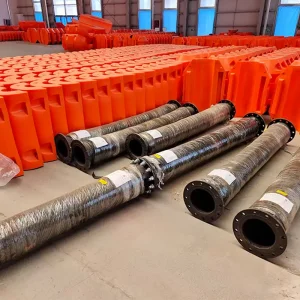
Custom Heavy-Duty Rubber Hose for Marine and Water Management Projects Suppliers, Manufacturers
Explore Specifications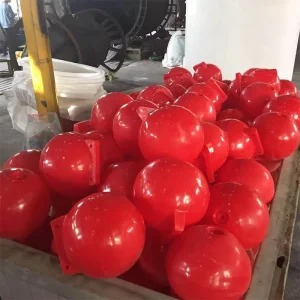
Best PE Float Ball for Safe and Efficient Water Operations Companies, Pricelist
Explore Specifications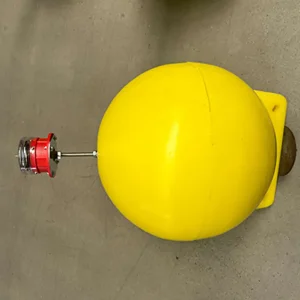
ODM Floating Ball with LED Light – Reliable Marine Navigation and Safety Manufacturer, Pricelist
Explore Specifications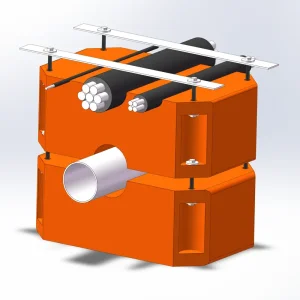
High-Quality Reliable Pipe Floats with Cable Troughs for Efficient Marine and Pipeline Operations Quotes, Factory
Explore Specifications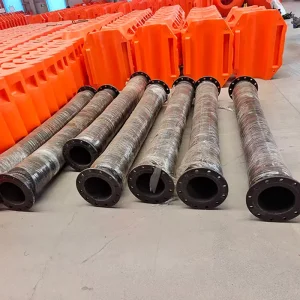
High-Quality High-Performance Rubber Hoses for Water and Slurry Transport Suppliers, Factories
Explore Specifications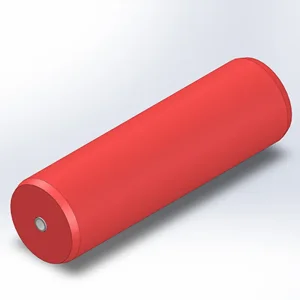
Custom Floating Barrier Systems for Effective Water Safety and Pollution Control Product, Factories
Explore Specifications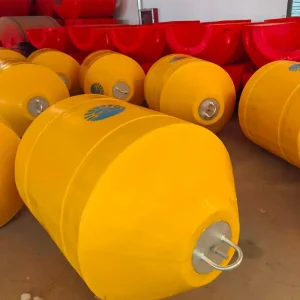
Best Foam-Filled Mooring Buoy for Marinas, Anchorages and Offshore Facilities Manufacturer, Factories
Explore SpecificationsGlobal Landscape of Waterway Barriers & Surface Security Engineering
Across hydroelectric dams, municipal water catchments, busy shipping waterways, and nearshore marine terminals, floating barrier systems have evolved from passive plastic floats into mission-critical hydraulic infrastructure.
Hydraulic Structure Protection
Global civil engineering authorities now mandatorily deploy heavy-duty barrier buoys ahead of dam intake trashracks, penstocks, and spillways. Uncontrolled floating debris, timber, and anthropogenic plastics cause severe cavitation in turbines and trigger multimillion-dollar outages.
Engineered barrier floating balls linked with high-tensile hot-dip galvanized steel chains absorb cyclic hydrodynamic shocks and safely deflect surface debris away from sensitive intake gates toward automated cleaning zones.
Maritime Security & Zone Demarcation
Naval installations, commercial terminals, petrochemical offloading platforms, and municipal potable reservoirs require impervious demarcation to prevent unauthorized watercraft infiltration. High-visibility spherical and cylindrical barrier buoys act as continuous, physically impenetrable lines of perimeter defense.
Configured with internal structural steel load rods or continuous thru-chains, these systems resist dynamic impact loads while complying with international maritime signaling (IALA) guidelines.
Ecological Silt & Pollutant Control
Environmental remediation regulations across the Americas, Europe, and Asia require strict sediment containment during port capital dredging and coastal reclamation works. Floating ball barriers serve as heavy-duty upper buoyancy backbones for weighted geotextile silt curtains.
Maintaining balanced freeboard under heavy tidal currents ensures continuous sediment containment while preventing premature mechanical tearing of subsurface turbidity curtains.
Engineering Scale & Production Efficiency: The Shandong Hub Advantage
Operating from Huimin County, Binzhou, Shandong Binzhou Juhua Rubber & Plastic Co., Ltd. (Giant Rubber) leverages over two decades of rotational molding refinement, fully integrated tooling clusters, and cutting-edge material compounding.
Advanced Variable-Frequency Rotomolding
Our facility operates heavy multi-arm rotational molding carousels equipped with variable-frequency speed control and automated electronic dual-zone pyrometry. This delivers seamless, single-piece polyethylene shells completely free from mechanical joints, pinholes, or structural weld lines.
- Uniform wall thickness distribution (±0.5mm variance)
- Elimination of residual mold stress and wall thinning
- High volumetric output serving massive utility contracts
Resin Chemistry: High-ESCR Polyethylene
We strictly utilize virgin high-density linear low-density polyethylene (LLDPE 7149U grade) compounded with Class 8 UV stabilizers, carbon black dispersion, or maritime-safe color pigments. Unlike recycled regrinds, our material maintains superior mechanical toughness down to sub-zero temperatures.
- Environmental Stress Crack Resistance (ESCR) >1000 hrs
- Tensile strength yield exceeding 21 MPa (ISO 527)
- Total chemical inertness to marine salinity, fuels, & acids
Monolithic Closed-Cell Foaming Core
For high-risk navigation and high-velocity spillways, our buoys are injected with closed-cell polyurethane (PU) or expanded polystyrene (EPS) foam cores with a controlled density of 35–45 kg/m³. Even under severe high-energy boat impact or accidental puncture, the buoy retains over 95% of its gross buoyancy.
- Water absorption rating <1.0% by volume (DIN 53428)
- Unsinkable redundancy under mechanical breach
- Internal load-spreading against localized crushing
Localized Engineering Application Scenarios
Every aquatic environment presents a unique combination of current velocity, wind drag, wave action, and debris load. Our barrier ball buoys are configured specifically for site-verified operational parameters.
1. Reservoir Spillway Booms
Installed upstream of large-scale hydroelectric dams across Southeast Asia and South America. High-density spherical buoys (diameters from 400mm to 1200mm) are strung on continuous galvanized wire ropes or heavy anchor chain.
They deflect floating timber, water hyacinths, and seasonal debris away from radial spillway gates, protecting civil flood discharge structures without human intervention.
2. Dredging & Tailings Demarcation
Deployed in offshore reclamation in the Persian Gulf and mining tailings storage facilities (TSF) in Australasia. Flotation spheres encase and stabilize slurry transfer lines, subsea tie-ins, and flexible dredging hoses.
They maintain correct positive buoyancy and establish clear surface exclusion perimeters to warn passing cargo vessels away from active trailing suction hopper dredge discharge zones.
3. Potable Water Catchment Security
Deployed across municipal reservoir perimeters in North America and Europe. Floating barrier lines prevent unauthorized powerboat entry, recreational fishing encroachment, and accidental pollution.
Manufactured using food-contact safe raw materials compliant with US FDA 21 CFR 177.1520 and European potable water contact mandates, guaranteeing zero chemical leachates or microplastic degradation.
4. Coastal Public Safety & Resort Zoning
Demarcates swimming zones, protected marine sanctuaries, and jet ski transit channels along tropical coastal destinations. The buoys feature molded-in eyelets and internal through-holes for rapid mooring installation.
Bright international yellow, safety orange, and radar-reflective surfaces ensure high visibility under choppy swells and poor meteorological conditions.
Hydrodynamic Design Principle: Net Reserve Buoyancy Calculation
Underestimating the hydrodynamic drag forces and the added weight of biofouling or sediment build-up is the primary cause of floating barrier submersion. When designing continuous ball buoy barrier systems, our engineering department applies a strict safety factor coefficient ($\beta$ = 1.25 to 1.35) over peak hydraulic drag:
This ensures that at least 25% to 30% of each floating ball buoy's volume remains above the water plane during 100-year flood velocities, preventing dynamic submergence and trash spillover into penstocks.
Industry Trends: The Next Generation of Floating Barriers
The global marine flotation sector is rapidly advancing toward intelligent monitoring, extreme durability polymers, and hydrodynamic ballistics.
IoT Telemetry & Remote Tension Monitoring
Modern barrier deployments at critical dams incorporate load-cell shackles and smart buoys fitted with satellite or LoRaWAN telemetry. These smart nodes monitor continuous catenary chain tension in real-time, instantly notifying control rooms if debris loads exceed structural safety limits or if an anchor drags.
Solar-Powered Autonomous Marine Signaling
Integration of compact monocrystalline solar arrays and lithium iron phosphate (LiFePO4) battery packs within the rotomolded top of the buoy. Delivering IALA-compliant synchronized LED flash characters (range >2 nautical miles), these autonomous barrier buoys eliminate costly external marine wiring.
Circular Bio-Polymers & Zero-Leach Stabilization
In response to stringent European Green Deal and IMO marine protection policies, Juhua is pioneering high-density polymers derived from chemically recyclable polyolefins. These formulations maintain UV20 outdoor ratings without heavy metal biocides, preventing toxicity in delicate marine sanctuaries.
Global Enterprise Procurement Criteria: What EPC Buyers Must Verify
Sourcing floating ball barriers for infrastructure tenders demands rigorous verification of physical properties, metallurgy, and volumetric specifications to eliminate catastrophic project failures.
Wall Thickness & Tensile Verification
Inspect ultrasonic thickness testing (UT) reports across all sectors of the rotomolded body. Thin spots (under 5mm on large buoys) are susceptible to puncture during winter ice jams or heavy driftwood collisions.
- Molded wall thickness: 6.0mm to 16.0mm tailored to diameter
- Tensile break elongation >450% (ASTM D638)
- Charpy impact strength rating ≥20 kJ/m² at -30°C
Internal Structural Tie-Rods & Metallurgy
For tension-bearing barriers, ensure the internal through-shaft or load harness is fabricated from hot-dip galvanized structural carbon steel (ASTM A153 / EN ISO 1461) with minimum 85 μm zinc coating, or marine-grade AISI 316 stainless steel for hypersaline estuaries.
- Proof load tested to 2.0x working load limit (WLL)
- Swivel joints to prevent continuous catenary chain twisting
- Heavy nylon/urethane buffer bushings to prevent PE wear
Export Container Nesting & Logistics Packing
Volumetric efficiency drastically influences ocean freight expenses on large projects. Juhua engineers optimize float mold geometry, nested packaging, and knocked-down connecting hardware to maximize 40ft High Cube (HC) container capacity.
- Engineered stackable packaging protecting finish
- Factory pre-assembly options for expedited site commissioning
- Direct sea-freight routes from Qingdao/Tianjin ports
Engineering Questions & Detailed Technical Answers
Straightforward, factory-tested guidance for hydraulic engineers, marine contractors, and procurement professionals.
While pipe floats are split, two-half cylindrical bodies bolted around a pipe to provide buoyancy for slurry or water transport lines, barrier floating ball buoys are spherical or oblong closed units. Barrier balls are engineered with internal through-holes or heavy-duty galvanized structural tie-bars designed to carry continuous catenary tension loads along an extended cable or chain across open water.
Total float buoyancy must decisively exceed total gross weight. For pipelines, sum the weight of the pipe shell, the heaviest conveyed slurry (often 1.3 to 1.6 t/m³ in dredging), and all coupling hardware. The float array must provide 20% to 30% surplus reserve buoyancy to keep roughly one-quarter of the pipe diameter above water. For floating barriers, buoyancy must support the catenary chain, underwater debris skirts, and vertical hydrodynamic wave-slap forces.
Yes. Virgin high-molecular-weight polyethylene (PE) is completely inert to saline electrochemical corrosion, eliminating the costly cathodic protection, zinc anodes, and sandblasting repainting cycles demanded by steel buoys. Formulated with UV20 outdoor stabilizers, our floats withstand high solar UV exposure and marine growth without chemical brittleness.
Our standard manufacturer warranty begins when the buyer formally hands over the goods to the investor/operator, ending 18 months post-handover or 12 months post-installation, whichever occurs first. However, the operational design service life of our heavy-wall UV-stabilized rotomolded PE shells typically exceeds 10 to 15 years under typical coastal and inland freshwater operational conditions.
Please share: (1) Pipe outer diameter (OD) and material if clamping; (2) Barrier line span length and freeboard requirement; (3) Water body regime (river, reservoir, open sea, tidal range, and peak current velocity); (4) Conveyed medium slurry density if applicable; (5) Desired color/marking requirements; and (6) Destination port for shipping optimization.
Yes. We provide complete OEM/ODM engineering services. We mold custom dimensions, insert custom through-pipe diameters, engineer hot-dip galvanized or stainless steel 316 through-rods, incorporate high-intensity solar marine lanterns, and mold custom corporate identification or navigational markers directly into the polymer body.
To prevent continuous rolling or twisting that could fatigue connection chains, our barrier balls can be fabricated with low-profile anti-roll hydrodynamic fins or integrated counterweights in the lower hemisphere. In addition, our connecting assemblies utilize heavy-duty marine-grade forged swivels at periodic intervals to relieve torsional stress.
Hollow buoys risk total loss of buoyancy if punctured by sharp floating debris, ice, or marine vessel collisions. Injecting a 100% closed-cell polyurethane foam core (density ~38 kg/m³) bonds permanently to the inner polyethylene walls, adding superior structural stiffness while ensuring the buoy remains unsinkable even if the outer shell suffers catastrophic physical rupture.
Integrated Flotation, Pipelines & Heavy-Duty Barrier Solutions
Select from our complete range of certified dredging floats, industrial high-density pipelines, marine moorings, and high-performance rubber hoses.

Best Reliable Floating Barrier Solutions for Water Protection and Project Control Company, Quotes
Explore Specifications
High-Quality Pipeline Float Tie-In – Modular Buoyancy Solution for Deepwater Pipelines Supplier, Pricelist
Explore Specifications
Custom Flexible Rubber Hoses for Advanced Fluid and Sediment Transport Products, Quotes
Explore Specifications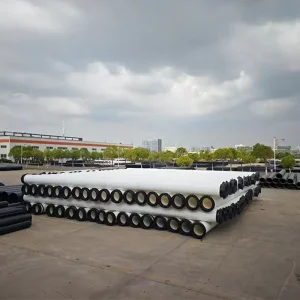
ODM High-Density Pipeline for Efficient Liquid and Gas Transport Manufacturers, Factories
Explore Specifications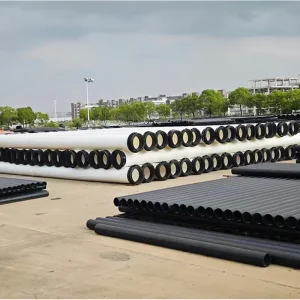
OEM Industrial-Grade Pipeline for Reliable Fluid Transport Companies, Factory
Explore Specifications
Best Reliable Floating Buoys for Coastal Navigation and Offshore Projects Suppliers, Factory
Explore Specifications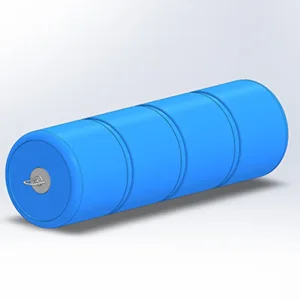
OEM Reliable Floating Barriers for Pollution Control and Water Safety Supplier, Manufacturers
Explore Specifications
ODM Mooring Buoy For River Terminals And Workboat Berths Product, Quotes
Explore Specifications