
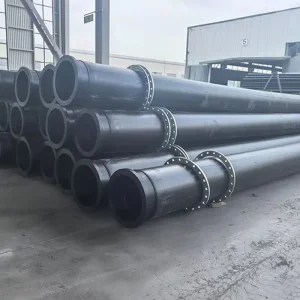
Featured Deployment Units
High-Efficiency Underwater Pipe Floatation Assemblies
Direct factory supply of heavy-duty dredge collars, subsea tie-in buoyancy elements, and cable-integrated floats manufactured for offshore dredging and deep-water pipelines.
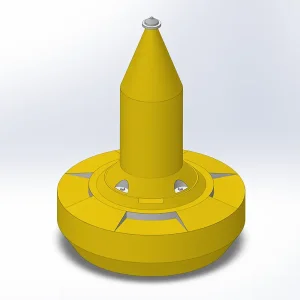
High-Quality Reliable Marine Navigation Buoy for Safe Waterways Manufacturer, Product
Explore Specifications
ODM Pipe Floats With Cable Troughs - Reliable Buoyancy and Cable Protection Products, Factory
Explore Specifications
OEM Pipe Floats For Reservoir Intake And Temporary Bypass Lines Quotes, Pricelist
Explore Specifications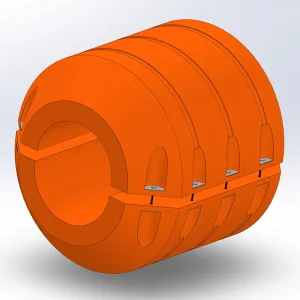
ODM High-Buoyancy Floats for Marine Projects Suppliers, Pricelist
Explore Specifications
High-Quality Advanced Pipeline Float System for Secure Subsea Installations Supplier, Factories
Explore Specifications
High-Quality Durable Floats for Safe and Efficient Pipeline Support Manufacturers, Products
Explore Specifications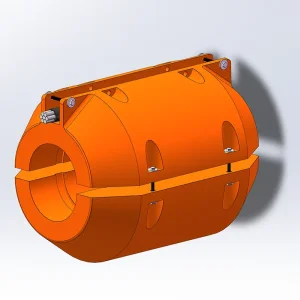
ODM Floating Pipe Floats with Cable Channels – Secure Buoyancy and Cable Protection for Marine Systems Quotes, Factories
Explore Specifications
Industry Status Report
Global Commercial & Offshore Engineering Status of Underwater Floatation
Analyzing critical hydrodynamic challenges, hydrostatic stability paradigms, and material transitions in modern underwater and nearshore pipelines.
Deepwater Transition & Capital Expenditure
Global coastal reclamation, offshore energy hubs, and capital dredging represent over $14.8B in annual marine operations. Underwater pipe floatation has evolved from rudimentary steel pontoons to high-molecular rotomolded virgin polyethylene (PE) shells, significantly reducing catastrophic pipeline buckling caused by localized negative buoyancy.
Material Science Paradigm Shift
Conventional metal buoyancy drums suffered irreversible corrosion, high weight ratios, and destructive impact embrittlement. Modern OEM underwater floatation integrates UV-stabilized high-density polyethylene (HDPE) reinforced with cross-linked closed-cell polyurethane foam cores, ensuring permanent hydro-containment even in punctured conditions.
Hydrodynamic Drag & Current Mitigation
Subsea and underwater lines face severe hydrodynamic cross-current vortexes. Precision-molded hydraulic contours mitigate vortex-induced vibration (VIV), extending the fatigue lifespan of HDPE dredging conduits, underwater power cables, and steel discharge pipelines across intense offshore tidal regimes.
Precision Engineering
Buoyancy Physics & Dynamic Slurry Calculation Standards
Accurate float design demands accounting for hydraulic pressure gradients, dynamic slurry density changes, and freeboard safety margins.
Dynamic Slurry Density Sizing
Calculating buoyancy based solely on water-filled pipe results in line submersions. Industrial dredging slurry carries sand, gravel, and ore with specific gravities between 1.3 to 1.8 t/m³. Floats must provide sufficient displacement to maintain positive waterline elevation under peak sedimentation transit.
Rotational Molding Uniformity
By leveraging variable-frequency speed regulation and electronic infrared thermal tracing, our Binzhou production facility achieves wall thickness uniformity within ±0.3mm across large diameter modules, eliminating structural fracture points during high-energy wave impacts.
Clamp Rigidity & Slip Prevention
Thermal expansion and pipeline flexion can cause modular displacement. Juhua's OEM collars incorporate internal friction channels and vulcanized high-torque fasteners, securing the float assembly against axial slippage under rough maritime surges.
Mandatory Buoyancy Margin Calculation Protocol
To ensure a minimum of 25% pipeline diameter exposed above the surface line (Freeboard Ratio > 0.25), all marine dredging projects must compute buoyancy using the verified Juhua field baseline formula:
B_total ≥ (W_pipe + (V_internal × ρ_slurry) + W_hardware + W_cables) × K_safety [1.25 – 1.35]
Where: W_pipe = Dry weight of pipe string | ρ_slurry = Conveyed slurry operational density (typically 1.45–1.72 g/cm³) | K_safety = Environmental dynamic factor for wave shock & tidal surge.
Localized Applications
Mission-Critical Applications in Global Water & Offshore Infrastructure
Engineered for versatile deployment across variable hydro-pressures, marine corrosion indices, and extreme chemical environments.
Offshore Sand Reclamation & Deep Harbors
Deployed in mega-scale capital port dredging across Southeast Asia and the Middle East, our floats support continuous 800mm to 1200mm slurry discharge lines, enduring abrasive coral sedimentation and non-stop wave battering without cracking.
Tailings Disposal in Mining Tailings Ponds
Mining operations in South America and Western Australia demand chemical and acid-proof pipe floatation for tailing transfer. Juhua's high-purity virgin PE resists pH extremes (pH 1-14) and prevents tailings pipes from sinking into corrosive slime beds.
Reservoir Intake & Subsea Utility Outfalls
Supplying municipal desilting and emergency river bypass conduits. Floats fitted with custom cable conduits reliably insulate high-voltage submersible pump cables while securing fluid transit conduits across fluctuating water levels.
OEM Capabilities & Future Roadmap
Next-Generation Technology Roadmap & Production Ecology
Pioneering smart telemetry integration, bio-circular materials, and deep-water subsea syntactics for demanding EPC contractors.
IoT Structural Health Telemetry
Integration of low-power subsea pressure sensors and RFID tracking chips embedded in float shells, allowing autonomous ROVs to monitor structural shell integrity and internal foam dryness in offshore installations.
Closed-Loop Bio-Circular Polymers
Adopting high-density ocean-bound post-consumer polyethylene blended with UV stabilizers, delivering identical tensile yield strength (>22 MPa) while lowering upfront project carbon footprint by over 38%.
High-Depth Syntactic Hybridization
Development of micro-glass bubble syntactic composites suited for hyperbaric depths up to 300 meters, ensuring zero cell collapse during subsea pipeline lowering, trenching, and underwater manifold tie-in projects.
Standardized CNC Rapid Tooling
Turnkey OEM mold fabrication allowing custom inner bore diameters, specialized flange pockets, and integrated dual-cable channels designed and produced with pilot prototypes shipped within 14 working days.
Marine Infrastructure Elements
Precision Navigational, Mooring & Pipeline Flotation Solutions
Complete product portfolio manufactured by Shandong Binzhou Juhua Rubber & Plastic Co., Ltd. for marine contractors worldwide.

ODM Mooring Buoy for Marina Berths, Vessel Anchorage and Offshore Mooring Systems Suppliers, Manufacturers
Explore Specifications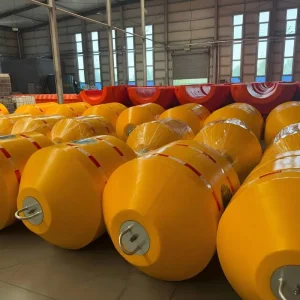
High-Quality Mooring Buoy for Commercial Berths, Marinas and Offshore Holding Areas Manufacturers, Products
Explore Specifications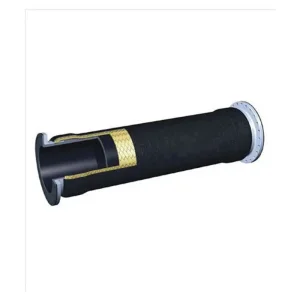
High-Quality Heavy-Duty Rubber Hose for Water and Marine Projects Supplier, Factories
Explore Specifications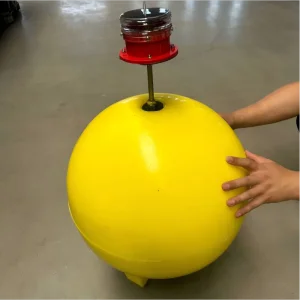
High-Quality LED-Equipped Floating Ball for Safe and Efficient Water Operations Factory, Factories
Explore Specifications
High-Quality High-Visibility Marine Buoys for Safe Offshore Operations Pricelist, Factory
Explore Specifications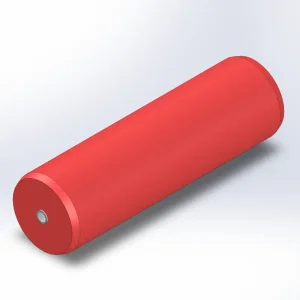
Best Reliable Floating Barriers for Marine and Industrial Protection Supplier, Factory
Explore Specifications
Best Polyethylene Mooring Buoy – Reliable Floating Solutions for Modern Marine Projects Suppliers, Company
Explore Specifications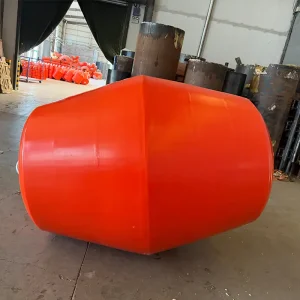
High-Quality Mooring Buoy with Reinforced Connections for Marine Projects Product, Companies
Explore Specifications
Quality Architecture
Integrated EPC Flotation Solutions & Factory Quality Standards
A systematic production regime ensuring complete component interchangeability, standardized bolting torques, and end-to-end traceability.
Virgin LLDPE Raw Materials
Only certified virgin polymers (Melt Flow Index 4.0–6.0 g/10min) with integrated UV-8 stabilization packages are formulated, ensuring zero environmental stress crack resistance (ESCR) failures over 15+ years under equatorial solar exposure.
Closed-Cell Polyurethane Foam Core
Float cavities are filled with high-density (38–45 kg/m³) closed-cell polyurethane foam with water absorption below 0.1 g/cm³. If outer skin breeches occur, overall modular buoyancy loss remains below 1.5%, protecting active dredge operations.
Interchangeable Mold Tolerance
Standardized mold locking pins guarantee split-collar halves achieve 100% rotational interchangeability across batches. Onsite maintenance teams can replace damaged halves without replacing paired halves, lowering operating expenses.
Technical & Procurement Inquiries
Frequently Asked Questions Regarding Underwater Pipe Floatation
Comprehensive engineering clarifications for EPC managers, marine contractors, and international procurement specialists.
What are pipeline floats and how do they function underwater or at sea?
Pipeline floats (dredge floats or buoyancy modules) are rotationally molded split-body polyethylene units clamped around discharge pipes. They sustain the line's buoyant equilibrium, absorb hydrodynamic wave energy, and prevent heavy slurry pipelines from dragging on water beds.
How do engineers accurately calculate the number of floats required for a pipeline string?
Total buoyancy must exceed the combined dry pipe weight, the full volume weight of the conveyed medium (slurry density calculated at 1.3–1.8 t/m³), and connector hardware. Floats must supply 25% to 35% reserve buoyancy so that roughly 25% of the pipe diameter remains visible above the surface.
Why is rotomolded polyethylene superior to steel or fiberglass floats in seawater?
Virgin polyethylene is non-corrosive, UV-stabilized, and impervious to marine organism adhesion. Unlike steel floats, PE avoids rust, requires no expensive sacrificial anodes or anti-corrosive recoatings, and flexes elastically upon impact rather than puncturing.
What is the standard warranty period for Juhua marine float products?
The standard warranty coverage commences when the buyer delivers the equipment to the project investor and expires either 18 months post-handover date or 12 months after completed site installation, whichever benchmark occurs first.
What project parameters are required for an exact factory engineering quotation?
Procurement teams should furnish: 1) Pipe outer diameter (OD) and material (HDPE/Steel), 2) Wall thickness and total string length, 3) Conveyed medium operational density, 4) Marine site environment (sheltered river, tidal port, or open sea), and 5) Destination port for containerized loading.
Can floats and buoys be customized for specialized subsea and cable needs?
Yes. Our in-house mold facility customizes internal diameters to match non-standard pipe specifications, embeds integrated multi-conductor cable troughs, incorporates topmark solar lights, and tailors polyurethane foam core formulations to meet client specifications.