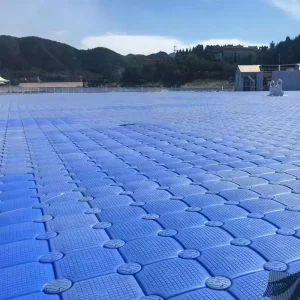
Featured Industrial Pipeline Systems for Hungary
Engineered for high-throughput slurry transfer, chemical resilience, and harsh hydrologic environments along the Danube and Tisza river corridors.
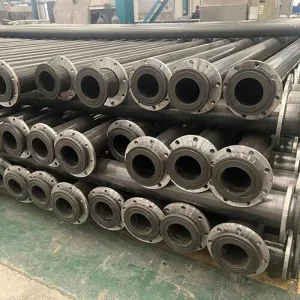
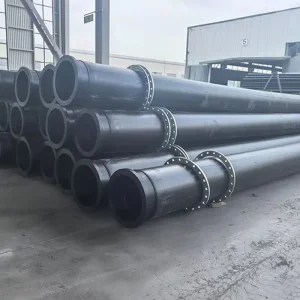
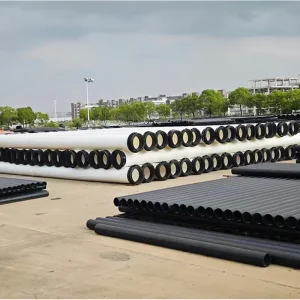
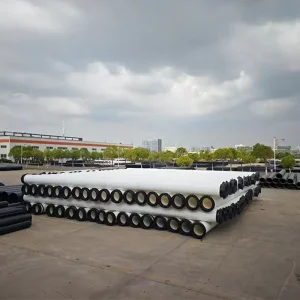
Macro-Industrial Landscape: Pipeline & Flotation Infrastructure in Hungary
Hungary's geographical position as Central Europe's hydrological basin demands cutting-edge fluid engineering, inland water maintenance, and industrial processing conduits.
Danube & Tisza Waterway Engineering
Hungary manages over 1,600 kilometers of navigable waterways. Ongoing desilting, channel deepening, and port maintenance at Budapest, Csepel, and Baja necessitate dependable floating discharge pipes capable of withstanding turbulent flow velocities and high abrasive sediment loads.
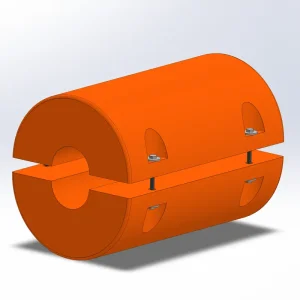
Our rotomolded pipeline modular floats deliver superior hydrostatic buoyancy to keep discharge lines operational through extreme water elevation fluctuations without structural failure.
Battery Megafactory Chemical Effluent
With Hungary rapidly evolving into Europe’s primary hub for electric vehicle (EV) lithium battery manufacturing—anchored by massive investments in Debrecen, Göd, and Komárom—there is an unprecedented surge in demand for non-reactive, chemical-resistant industrial pipelines.
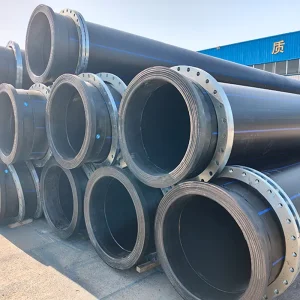
Polyethylene-grade systems, paired with heavy-duty rotomolded conduit shielding, ensure the safe transport of treated process water, industrial chemicals, and aggressive slurries without risks of permeation or corrosive soil leach.
Geothermal & Thermal District Energy
Hungary boasts one of the richest geothermal reservoirs in continental Europe. High mineral contents and aggressive thermal water chemistries cause catastrophic scale build-up and oxidation inside conventional carbon steel pipelines.
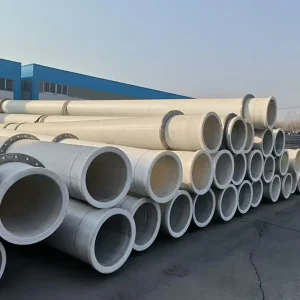
Specially formulated PE pipelines and UV-stabilized external casings offer an inert, thermally resilient conduit system, safeguarding geothermal reinjection lines across the Southern Great Plain region.
Sourcing Advantages: Chinese Advanced Manufacturing for Hungarian EPCs
Combining competitive manufacturing scale with rigorous European compliance, direct OEM/ODM supply agreements deliver significant cost, schedule, and quality benefits.
Precision Rotational Molding Technology
Our automated production facilities integrate variable-frequency thermal controls and electronic wall-thickness telemetry. This eliminates structural weak spots, stress-cracking risks, and internal voids, ensuring that high-pressure flotation modules withstand mechanical shocks during river dredging operations.
Strict EU & ISO Quality Standards
All pipeline solutions are manufactured using premium virgin high-density resins compounded with UV stabilizers and antioxidants. Products fully meet EN-compliant pressure rating standards, REACH material safety parameters, and ISO 9001 quality assurance criteria for municipal and industrial deployment.
Direct Factory Pricing & High Interchangeability
By eliminating multiple tiers of European trading intermediaries, contractors in Budapest, Miskolc, and Szeged gain direct access to factory pricing, bespoke tooling capabilities, and standardized interchangeability for existing pipeline systems requiring retrofit floats or segments.
Localized Application Scenarios in Hungary
Custom-engineered fluid transportation and flotation configurations tuned to Hungarian regional hydrology and environmental protection bylaws.
Lake Balaton Environmental Sediment Management
Central Europe's largest freshwater lake demands low-impact, ultra-reliable desilting systems. Our closed-cell polyurethane-filled pipe floats provide quiet, zero-leak buoyancy support for discharge lines, preventing accidental sinking while safeguarding shallow-water ecosystems.
Bauxite & Alumina Residue Pipelines
Managing residual processing tailings in Western Hungary requires pipelines that resist abrasive mechanical scuffing and alkaline chemistries. Heavy-duty abrasion-resistant polyethylene conduits prevent catastrophic blowouts and provide decades of maintenance-free service.
Agricultural Irrigation Bypass Networks
To mitigate persistent drought conditions in the Alföld (Great Hungarian Plain), regional water management directorates employ temporary floating pipelines across major canal networks to redirect critical river water to drought-stressed agricultural zones.
Need Comprehensive Technical Drawings & Pricing for Hungary Projects?
Connect with our technical design team for custom pipe outer diameter (OD) matching, ballast hydrodynamics, and CIF Budapest shipping quotes.
Frequently Asked Questions (Technical & Procurement FAQ)
Essential guidance on hydraulic sizing, buoyancy calculations, European customs, and chemical compatibility for Hungarian industrial operations.
Q. What specific pipeline buoyancy factor is recommended for dredging projects along the Danube?
We recommend an engineering reserve buoyancy factor of 1.25x to 1.30x above the total aggregate weight (weight of pipeline shell + water/slurry weight at max density + couplings and fasteners). Because Danube currents vary dramatically between seasonal flood stages, a minimum 25% freeboard height prevents pipeline submersion and reduces water drag.
Q. How are our rotomolded pipeline products shipped to project sites across Hungary?
Shipments typically depart from Qingdao port, China, transiting via modern intermodal routes into the Port of Koper (Slovenia) or Piraeus (Greece), followed by express rail and road freight directly into Hungarian regional hubs such as Budapest, Győr, or Debrecen. We provide complete DDP or CIF logistics coordination.
Q. Can polyethylene pipeline floats withstand severe winter freezing in Central Europe?
Yes. Our flotation shells are manufactured from UV-stabilized, high-grade linear low/high-density polyethylene (LLDPE/HDPE) resilient to temperatures from -40°C to +60°C. Even when water freeze-overs occur in inland reservoirs or canals, the flexible nature of the polymer absorbs ice expansion forces without brittle cracking.
Q. Are custom cable-trough configurations available for automated monitoring systems?
Yes. In addition to standard concentric pipe clamping floats, we offer specialized floats with integrated side-recess troughs. These channels securely carry hydraulic lines, power cables, and real-time telemetry sensor wiring for automated slurry pumping stations directly to the land-based control module.
Complete Specialized Pipeline & Flotation Equipment Portfolio
Explore our complete catalog of precision engineered pipeline systems, buoyancy units, navigation safety apparatus, and modular water platforms.