
Primary Floating Pipeline Systems for Hanoi Hydraulic Works
Precision-extruded HDPE fluid conduits and modular flotation solutions specified for Hanoi riverbank desilting, municipal discharge, and industrial estates.
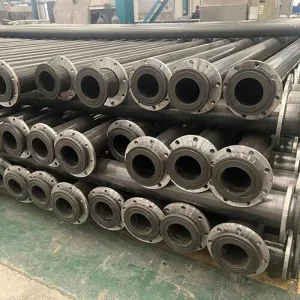
Hanoi High-Durability Effluent & Slurry Transport Pipeline
View Engineering Specs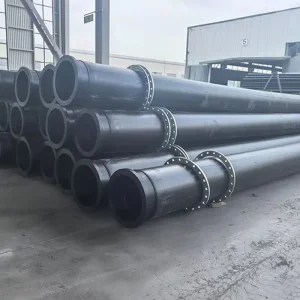
Red River Basin Heavy-Duty Marine Slurry Discharge Pipeline
Request Commercial Quote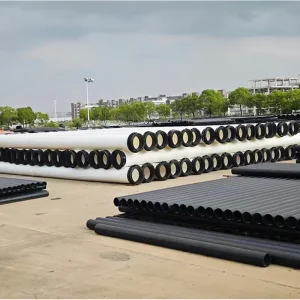
Hanoi Municipal Water Retention & Flood Bypass Pipeline
Download Sizing Data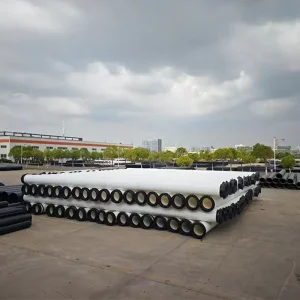
High-Density Corrosive Fluid Conveyance Line for Bac Ninh-Hanoi Hub
Get Fast PricingHanoi Urban Hydrology & The Industrial Belt Demands for High-Spec Pipelines
Navigating high-silt sedimentation in the Red River Basin, rapid industrial park wastewater expansion across northern provinces, and monsoon drainage infrastructure challenges.
Sông Hồng (Red River) Hydraulic Silt Challenge
The Red River basin carries an average sediment yield exceeding 100 million metric tons annually. Sand dredging operations, waterway navigational deepening, and riverbank containment projects in Hanoi require pipelines capable of withstanding extreme internal particulate abrasion (Mohs hardness 6–7) while maintaining sustained buoyancy across volatile river velocity fluctuations.
High-Tech Corridor Industrial Effluents
Peripheral industrial concentrations linking Hanoi, Bac Ninh, Bac Giang, and Thai Nguyen house immense semiconductor, electronics assembly, and heavy machining plants. Modern centralized wastewater collection systems necessitate high-molecular-weight polyethylene conduits resistant to cyclic chemical pH shocks, aromatic hydrocarbons, and elevated operational discharge temperatures.
Monsoon Stormwater Mitigation Masterplan
Hanoi's low-lying topographical profile along the Day and Nhue rivers creates recurrent flood vulnerabilities during tropical monsoons. Municipal emergency authorities require rapidly deployable floating bypass conduits and high-volume intake lines that allow uninterrupted pump station operations without succumbing to waterborne debris strikes or silt encrustation.
The Global Transition from Rigid Steel to Polymeric Marine Conduits
Historically, civil engineering firms and dredging operators across Southeast Asia relied on spiral-welded steel pipelines supported by welded steel pontoons. However, humid tropical atmospheres, combined with high UV indices and corrosive riverine sediments, typically cause catastrophic premature failure through galvanic corrosion, flange fatigue, and costly pontoon sinking incidents.
Modern hydraulic infrastructure globally has migrated toward virgin High-Density Polyethylene (HDPE 100) and seamless rotomolded linear low-density polyethylene (LLDPE) floats filled with closed-cell polyurethane foam. These systems deliver:
- Zero Corrosion Degradation: Total chemical inertness against salt mist, acid mine drainage, and tropical bacterial biofilms.
- Superior Elastic Modulus: Unmatched flexibility to absorb hydrodynamic wave action and dynamic cyclic pumping pulses without structural micro-fractures.
- Low Friction Coefficients: Darcy-Weisbach friction factors up to 40% lower than aged oxidized steel, significantly cutting hydraulic pump energy costs.
Engineering Sizing Matrix & Buoyancy Equilibrium
Calculating reliable float support under slurry loading requires accounting for specific slurry gravity ($\rho_m$), internal pipe cross-sectional area, and displacement reserve ratios:
Total Float Buoyancy ≥ (W_pipe + W_slurry + W_hardware) × S_f
Where Safety Factor ($S_f$):
- Calm freshwater lakes / tailing retention: $S_f = 1.20 - 1.25$
- Riverine currents (Red River, Hanoi): $S_f = 1.30 - 1.35$
- Coastal / Estuary tidal swells (Hai Phong approaches): $S_f = 1.40 - 1.50$
Why Hanoi Contractors Source from Chinese Direct Production Facilities
Balancing hyper-efficient production clustering, state-of-the-art rotational molding tooling, and unmatched multimodal cross-border logistical proximity to Northern Vietnam.
Continuous Rotomolding & Shell Uniformity
Direct Chinese manufacturing plants deploy computer-controlled rotational shuttle ovens with multizone pyrometric monitoring. This eradicates the wall-thickness variations endemic to smaller manual workshops, producing a dense, seamless LLDPE outer skin (5mm to 18mm thickness) with exceptional tensile tear resistance during high-velocity river current dragging.
Supply Chain Scale & Raw Polymer Sourcing
Operating within China’s major petrochemical and polymer manufacturing corridors provides direct, bulk-rate access to prime virgin resin resins (Sinopec, PetroChina, Borealis grades). By eliminating intermediary trade margins and amortizing high-cost steel CNC tooling across tens of thousands of units, factory-direct quotes to Hanoi contractors routinely generate 20% to 35% CAPEX savings over localized traders.
Dual Multimodal Logistics Corridor
Projects in Hanoi benefit from unparalleled geographic connectivity:
1. Overland Truck Freight: Direct bonded container transit via Pingxiang (Guangxi) through Youyi Guan / Huu Nghi border gate into Hanoi within 48 to 72 hours for urgent project delivery.
2. Ocean Sea Route: Bulk breakbulk or 40HQ container shipments from Tianjin/Qingdao directly into Hai Phong Dinh Vu Port in just 4–6 sailing days.
Engineering Application Scenarios Across Hanoi Municipal Works
Targeted deployment methodologies resolving hydro-physical obstacles across Northern Vietnam’s primary civil and industrial domains.
1. Sông Hồng Navigation Channel Silt Removal
Dredging contractors working upstream and downstream of Long Bien and Nhat Tan bridges face acute silt accumulation during receding waters post-monsoon. Using matched sets of rotationally molded pipe floats clamped tightly onto DN350–DN600 HDPE dredging lines prevents pipe sagging, maintains slurry velocity above critical settling thresholds, and resists severe turbulent buffeting without loose bolt dislodgement.
2. Bac Ninh & Hoa Lac Hi-Tech Park Neutralization Runs
Industrial facilities discharging pre-treated effluent into municipal drainage culverts require certified PE100 SDR11 or SDR17 pipeline links. Resistant to sulfur compounds, halogenated cleaning residues, and fluctuating galvanic soil potentials, these butt-fused custom lines prevent subsoil contamination across industrial zones like Hoa Lac, Que Vo, and VSIP Bac Ninh.
3. West Lake (Hồ Tây) Ecological Restoration Dredging
Urban lake desilting projects within Hanoi city boundaries require low-noise, leak-free sediment pumping systems. High-buoyancy clamp-on floats equipped with safety cable troughs allow power and monitoring lines to ride securely alongside the slurry conduit, eliminating separate floating rafts and avoiding water pollution in sensitive cultural urban zones.
4. Land Reclamation Sand Transport in Dong Anh & Gia Lam
Large-scale urban expansions in Dong Anh, Me Linh, and Gia Lam require immense hydraulic fill. Floating pipelines convey high-density river sand slurries over distances exceeding 2.5 kilometers. Factory-engineered heavy-duty flange connections and wear-resistant pipeline walls provide multi-year field service life with rapid reconfiguration capability.
International RFQ Technical Checklist for Pipeline & Flotation
How civil engineering consultants, EPC contractors, and state utility procurement boards can standardize specifications for direct factory quoting.
Step 1: Fluid & Medium Parameters
- Exact slurry specific gravity ($\text{t/m}^3$)
- Particle size distribution ($D_{50}$ and $D_{85}$ metrics)
- Operational pumping flow velocity ($m/s$)
- Fluid temperature & pH volatility
Step 2: Environmental Loading
- Max river current velocity (m/s) during flood stage
- Submerged submerged anchoring requirements
- Ambient UV radiation levels (Hanoi peak UV Index 11+)
- Allowable pipeline curvature bend radii
Step 3: Dimensional Matching
- Pipe Outer Diameter (OD) tolerance constraints
- Wall thickness schedule (e.g., SDR 9, 11, 17, 26)
- Fastener metallurgical grade (SS304, SS316, HDG Class 8.8)
- Target freeboard elevation percentage
Frequently Asked Questions: Pipeline Sizing & Hanoi Deployment
Direct technical answers resolving commercial specifications, chemical longevity, import clearance, and flotation stability.
How does high silt density in Hanoi’s Red River affect float count calculations?
Standard clean-water pipelines require significantly less displacement support. In the Red River, sand slurry often reaches a bulk density of 1.45 to 1.70 metric tons per cubic meter. Sizing floats assuming water density (1.0 t/m³) leads directly to sub-surface sagging, ground dragging, and line snapping. Our engineering sizing team calculates displacement using maximum operating slurry density plus a 30% buoyancy reserve factor.
What is the typical transit duration for pipeline orders shipped directly to Hanoi?
Standard manufactured pipeline and rotomolded floats offer two primary routes into Hanoi. Overland bonded cross-border freight from manufacturing centers via Guangxi through Huu Nghi border gate delivers within 48 to 72 hours of dispatch. Maritime containerized shipments from Qingdao/Tianjin directly into Hai Phong Dinh Vu Port require roughly 4 to 6 days sailing time, followed by 2 hours of inland highway drayage into Hanoi industrial zones.
Can polyethylene float bodies resist intense Northern Vietnam solar UV exposure?
Yes. Hanoi experiences severe tropical UV degradation with summer indexes reaching 11+. Our virgin rotomolding grade polyethylene compound is compounded with high-efficiency UV stabilizers (UV8/UV12 hindered amine light stabilizers - HALS) and carbon black or high-saturation pigments. This prevents polymer embrittlement, stress cracking, and discoloration under continuous tropical sun exposure for over 10–15 years.
What hardware is recommended for securing pipeline floats in corrosive industrial waters?
For standard freshwater river dredging in the Red River Basin, Hot-Dip Galvanized (HDG) Grade 8.8 bolts with nylon anti-loosening lock nuts are commercially optimal. For industrial chemical wastewater streams or coastal brackish zones near Hai Phong, we supply marine-grade Austenitic Stainless Steel AISI 304 or AISI 316 hardware with molded-in bolt retention recesses to resist vibration shakeout.
How are replacement pipeline floats interchanged on existing installations?
Our CNC-machined steel production molds adhere to strict international outer diameter standards. If your project already uses standard DN200, DN300, DN450, DN560, DN630, or DN800 steel or HDPE pipes, our two-piece clamp-shell floats will fit the external diameter with millimeter precision, allowing seamless modular hot-swapping without disrupting operating dredge strings.
Specialized Pipelines, Marine Buoys & Flotation Equipment
Complete rotomolded pipeline products and buoyancy components engineered to international standards for water engineering and industrial deployment.
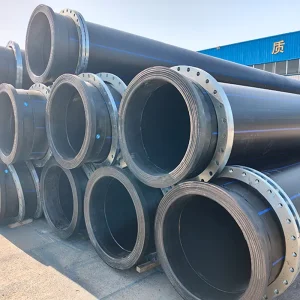
Municipal High-Performance Water Pipeline System (Hanoi Standard)
Check Availability & Price
Industrial-Grade Chemical & Fluid Pipeline for Northern Industrial Parks
Request Factory Direct Spec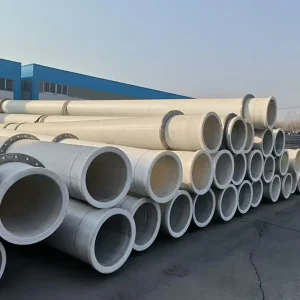
High-Pressure Industrial Slurry & Tailings Transport Pipeline
Get Project Pricing
Robust All-Weather Fluid Conveyance Pipeline for River Projects
Download Catalog & Quote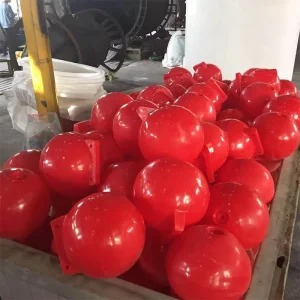
Rotomolded High-Visibility PE Water Flotation & Barrier Ball
View Pricelist Data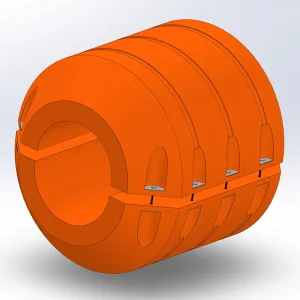
Marine Dredging Pipe Floats (Matched to Standard Metric Diameters)
Inquire On Pipeline Fit
Rotomolded Multi-Use Floating Platform & Water Sport Modules
Access Product Specs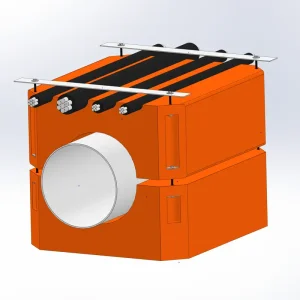
Advanced Pipe Floats with Integrated Marine Power Cable Troughs
Request Commercial ProposalInitiate Your Hanoi Pipeline & Flotation RFQ
Connect directly with factory-side rotational molding design engineers. Submit your pipe outer diameter, conveyed medium density, and project site coordinates to receive certified buoyancy calculations, production slot lead-times, and competitive DDP/CIF Hanoi shipping proposals within 24 hours.