Precision-engineered rotational molding systems tailored for Black Sea maritime development, the Danube River logistics corridor, municipal wastewater networks, and advanced agro-industrial storage.
Engineered from virgin LLDPE/HDPE resins with specialized UV-stabilizers to withstand high salinity, dynamic water stresses, and extreme seasonal temperature swings across Bulgaria.
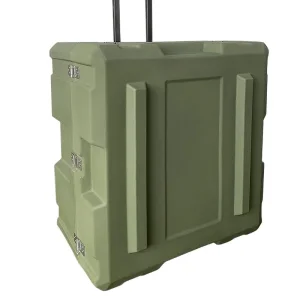
Heavy-Duty Rotomolded Tactical & Industrial Storage Containers for Bulgaria Defense & Field Logistics
Rotomolded Infrastructure Engineering in Southeast Europe
A comprehensive examination of macro solutions, industrial material science, and operational adaptation for the Bulgarian market.
1. Macro Industrial Framework: The Bulgarian Market Dynamic
The Republic of Bulgaria occupies a vital geostrategic position at the crossroads of Southeast Europe, anchoring major trade lanes along the Western Black Sea and the lower Danube River transport axis. With accelerating public and private capital deployment into ports such as Port of Varna and Port of Burgas, alongside extensive dredging in navigational channels, demand for rugged, corrosion-free polymer flotation and containment systems has escalated significantly.
Traditional maritime and municipal assets constructed from steel alloys or low-grade fiberglass face accelerated degradation in the Black Sea basin due to high chemical weathering, seasonal thermal contraction (-15°C winter to +38°C summer), and localized biological fouling. Industrial rotational molding (rotomolding)—defined by low-pressure, high-temperature biaxial rotation—delivers monolithic hollow structures with completely uniform, stress-free wall geometries. For Bulgarian commercial enterprises, civil EPC contractors, and port operators, this material transition ensures an estimated zero-maintenance service life exceeding 20–25 years, vastly lowering total lifecycle expenditures (TCO).
2. Polymer Engineering & Global Material Science Trends
On a global manufacturing level, rotational molding has moved far beyond rudimentary tanks. Advanced polymerization allows for linear low-density polyethylene (LLDPE), medium-density polyethylene (MDPE), and cross-linked high-density polyethylene (XLPE) tailored with specific molecular weight distributions. For offshore and fluvial applications serving Bulgaria, our raw polymers are fortified with high-grade carbon black and hindered amine light stabilizers (HALS), guaranteeing performance under UV Class 8–15 solar exposure ratings.
Furthermore, internal core integration using closed-cell polyurethane (PU) foam with nominal core densities between 35 kg/m³ to 45 kg/m³ ensures that even under severe maritime impact from barges or floating debris, the flotation unit absorbs impact energy without structural crushing and retains full hydrostatic buoyancy indefinitely. The molecular integration between the outer PE skin and the cellular foam matrix completely eliminates water ingress, an essential failure-prevention feature in harsh dredging slurry circuits.
3. Regulatory Compliance & European Integration
As a European Union member state, infrastructure initiatives in Bulgaria require strict adherence to EU environmental, marine safety, and structural directives. Sourcing rotomolded equipment requires validation against CE markings, EN ISO 9001 quality management standards, and EN ISO 14001 ecological handling protocols. In navigational waterway demarcations along the Danube River—regulated by the Danube Commission and IALA standards—buoys and barrier markers must maintain strict chromatic retention and daytime/nighttime optical visibility.
Our rotomolded systems comply fully with REACH and RoHS standards, assuring that no toxic plasticizers, heavy metals, or persistent bioaccumulative chemicals leech into sensitive Bulgarian freshwater reservoirs, irrigation networks, or coastal habitats. For mining and heavy-industry processing zones—such as the copper and mineral extraction clusters in the Srednogorie region—our specialized storage vessels are chemically certified to contain aggressive slurries and reagents without environmental hazard.
4. Future Outlook: Industry 4.0 & Advanced Rotomolding Horizons
The convergence of rotational molding with cyber-physical monitoring systems represents the next evolutionary step for waterborne industrial infrastructure in Bulgaria. The deployment of smart pontoon platforms and navigational buoys equipped with integrated IoT telemetry—measuring water salinity, dissolved oxygen, wave current velocities, and automated GPS geo-fencing—empowers port managers with real-time operational telemetry. As Bulgaria accelerates green energy adoption, rotomolded floating platforms engineered specifically for floating photovoltaic (FPV) arrays on hydroelectric dams (such as Kardzhali and Ivaylovgrad reservoirs) will redefine high-density polymer usage throughout the region.
25+
Years Service Life
100%
Seamless Polyethylene
UV15+
Stabilizer Resistance
Zero
Seawater Corrosion
Strategic Deployment
Targeted Applications Across Bulgarian Industrial Sectors
Engineered to resolve real physical and chemical challenges in municipal engineering, energy production, logistics, and coastal tourism.
Danube Navigational Channels
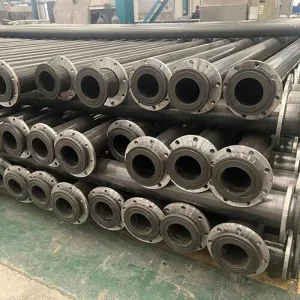
Reliable dredging pipeline floats and lateral alignment markers ensure continuous fairway maintenance, sediment transfer, and riverbed desilting across Ruse, Vidin, and Silistra corridors.
Black Sea Marinas & Harbors
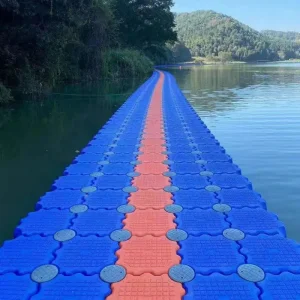
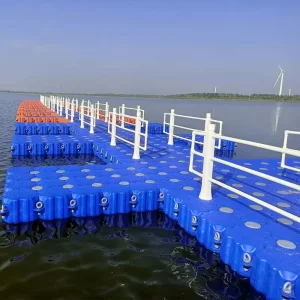
Modular HDPE floating boat docks and heavy-duty mooring buoys accommodate water surges, dynamic tides, and heavy yacht traffic across Varna, Burgas, Nesebar, and Sozopol port facilities.
Agro-Industrial Water Reserves
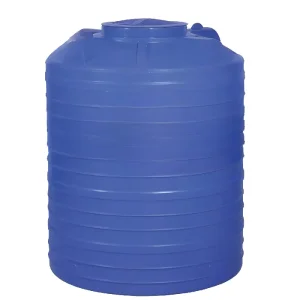
Sanitary, non-toxic rotomolded storage tanks for agricultural hubs across the Danubian Plain and Upper Thracian Plain, supporting drip irrigation and chemical fertilizing systems.
Dam & Hydropower Security
Heavy-duty floating debris barriers prevent logs, detritus, and industrial trash from choking intake turbines in Bulgaria's extensive network of mountainous hydroelectric dams.
Mining Tailings Dewatering
Abrasion-resistant slurry pipe floats and tie-in systems provide safe, balanced pipeline buoyancy across acidic tailing ponds and chemical extraction facilities in central Bulgaria.
Defense & Disaster Resilience
Airdrop-grade watertight containers protect critical tactical equipment, medical provisions, and emergency generators from moisture, physical shock, and extreme environmental exposure.
Catalog Index
Comprehensive Rotomolded Product Matrix
Explore our complete export line of flotation components, marine protection systems, and high-performance fluid transport solutions serving Bulgarian industrial operations.
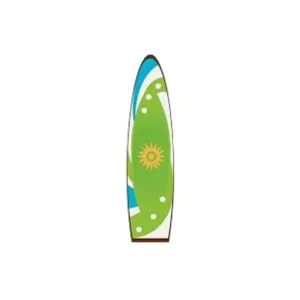
ODM Rotomolded Surfboard & Water Crafts – Rugged Water Sports Hardware for Bulgaria Leisure Centers
Technical guidance regarding buoyancy calculation, regional compliance, material resilience, and international maritime logistics.
How do rotomolded PE floats resist the salinity and cold waters of the Black Sea?
Rotomolded linear low-density polyethylene (LLDPE) has high chemical inertness. Unlike steel, it does not suffer from galvanic or electrolytic corrosion in high-salinity marine environments. In addition, its high environmental stress crack resistance (ESCR) and flexibility ensure the shell absorbs expansion without cracking during sub-zero winters in Northern Bulgarian coastal areas.
What is the standard formula for sizing dredge pipe floats on river projects like the Danube?
Buoyancy sizing must account for the total submerged weight: Total Float Buoyancy ≥ (Weight of HDPE/Steel Pipe + Weight of Slurry Medium at Operational Density + Mechanical Hardware/Flanges) × 1.25 to 1.30. This ensures a 25% to 30% safety freeboard margin, keeping the pipeline stable against Danube surface currents and preventing submersion under full slurry throughput.
Are custom molds and OEM branding options available for Bulgarian distributors?
Yes. We provide complete OEM/ODM engineering services, from 3D CAD design and CNC aluminum tooling fabrication to sample batch testing. Products can be molded with customized institutional logos, reflective striping matching local maritime codes, internal reinforcement bushings, and project-specific color schemes.
What are the freight and logistics timelines for shipments to Port of Varna or Port of Burgas?
Standard containerized orders (20GP, 40HQ) are staged for maritime dispatch within 15 to 25 working days from technical approval. Direct shipping routes to major Bulgarian maritime hubs—such as Port of Varna, Port of Burgas, or overland multimodal transit via Constanța—provide reliable delivery schedules for major civil tenders.
Initiate Your Custom Engineering Proposal
Connect directly with our flotation engineers for buoyancy calculations, mold designs, or wholesale distributor pricing tailored for the Bulgarian market.