
Specified Pipeline Systems for Chicago Metro Infrastructure
Immediate procurement specifications for dredging, river channel maintenance, and industrial effluent management across Cook County and the Calumet industrial hub.
-
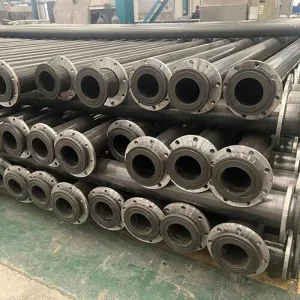
Chicago Durable Pipeline for Heavy Fluid Transport
-
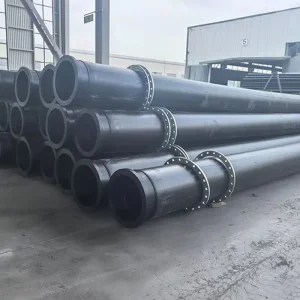
Chicago Heavy-Duty Dredging & Slurry Transport Pipe
-
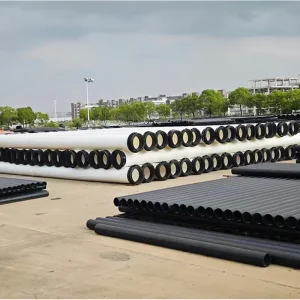
Cook County Versatile Water & Wastewater Pipeline
-
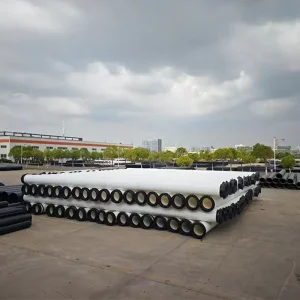
Calumet High-Density Slurry & Industrial Liquid Line
Chicago Industrial Corridors & Pipeline Operating Realities
The Chicago Metropolitan Area, anchored by the Calumet Industrial Corridor, the Chicago Sanitary and Ship Canal, and the broader Port of Chicago (Illinois International Port District), represents one of North America's most demanding hydro-engineering and material conveyance environments. Commercial operations here encounter an overlapping set of hydraulic, regulatory, and thermal challenges unmatched by coastal installations.
Pipelines installed along the Calumet River, Lake Michigan shorelines, and municipal spillways must consistently withstand freeze-thaw cycles that induce brittle fractures in conventional low-grade materials. The water temperature swing—ranging from sub-zero conditions producing surface ice during brutal Midwest winters to elevated summer runoffs—demands pipelines manufactured from superior molecular weight polymers. Concurrently, environmental regulations governed by the Metropolitan Water Reclamation District of Greater Chicago (MWRD) and the EPA Region 5 require zero-discharge leakage for continuous dredging, sand pumping, and industrial wastewater bypass operations.
Sino-American Supply Chain Competitiveness: The Chinese Factory Advantage
For municipal project managers, civil contractors, and port operators in Illinois, balancing budgetary constraints with strict technical guidelines represents a central project variable. Direct sourcing from leading Chinese precision manufacturers bridges this gap via four structural vectors:
Rotational Moulding Precision
Utilizing high-precision CNC multi-axis rotational moulding with closed-loop computerized temperature tracking guarantees consistent wall thickness across large diameters up to DN1200, preventing weak spots.
Raw Material Integrity
Formulated with virgin high-density polyethylene (HDPE) resins compounded with carbon black and UV-326 stabilizers to ensure extreme resistance to environmental stress crack resistance (ESCR) under UV exposure.
Cost Efficiency & Volume Scale
Integrated raw polymer supply chains and fully amortized heavy casting tooling yield significant price margins, delivering high-spec components at FOB/CIF terms that significantly undercut domestic US distributor markups.
Chicago Pipeline & Buoyancy Indicative Price Matrix
Comprehensive pricing framework engineered for Midwest dredging operations, municipal utility lines, and civil engineering estimates.
| Nominal Size (OD) | Material Class | Application Profile | Indicative Price Range (USD/m) | Compliant Standards |
|---|---|---|---|---|
| DN 110 - DN 250 | HDPE 100 / Virgin PE | River Desilting, Slurry Bypass, Municipal Water | $14.50 - $48.00 | ASTM F714 / ISO 4427 |
| DN 280 - DN 450 | High-Density Polyethylene | Heavy Sand Dredging, Harbour Maintenance | $55.00 - $135.00 | AWWA C906 / DIN 8074 |
| DN 500 - DN 800 | Ultra-High Polymer / Composite | Industrial Tailings, Calumet Ship Canal Dredging | $160.00 - $380.00 | EN 12201 / GB/T 13663 |
| DN 900 - DN 1200 | Heavy Duty Co-extruded PE | Deepwater Terminal Expansion, Municipal Intakes | $410.00 - $790.00 | ISO 9001 / CE Certified |
*Note: Unit prices fluctuate based on polymer raw material index (ICIS), wall thickness (SDR ratings 9 to 26), polyurethane foaming density, and destination port logistics (Chicago Rail Head or Port of Indiana-Burns Harbor transshipment points).
Midwest Application Scenarios & Buoyancy Calculation Logic
Optimizing pipeline freeboard, hydrodynamic load management, and stability in frozen and active waterways.
Chicago River Dredging Logistics
Navigating commercial barge traffic requires ultra-stable buoyancy lines. Dredging discharge pipes require clamp-on rotomolded PE floaters to sustain continuous fluid discharge containing high-viscosity silt and heavy aggregate without submerging the pipeline joints.
Lake Michigan Intake & Outfall Projects
Potable water intake extensions and cooling water outfalls operate in conditions subjected to internal lake currents, wave shocks, and floating ice sheets. Our stress-crack resistant designs maintain structural integrity across decades of thermal shifting.
Industrial Tailings & Chemical Effluent
Heavy manufacturing around South Chicago and northern Indiana releases corrosive chemical slurries. Polyethylene pipelines offer chemical inertness up to pH 14, outlasting rubber-lined steel pipes at a fraction of the maintenance expenditure.
Rigorous Buoyancy Reserve Calculation for Chicago Slurry
Midwest waters require conservative reserve coefficients. When transporting heavy river silt ($\rho \approx 1.4 - 1.6 \text{ t/m}^3$), buoyancy calculations must never rely on clear water parameters.
Recommended Target Freeboard: 25% to 30% of total outer diameter remaining strictly elevated above the operational water line during peak discharge pump loads.
Comprehensive Marine & Industrial Pipeline Products
Engineered pipelines, buoyancy collars, navigation markers, and safety booms supporting heavy Midwest marine operations.
-
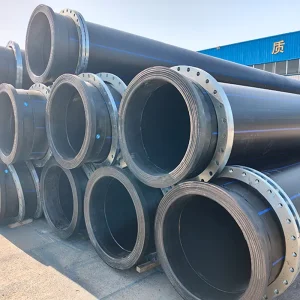
Chicago Municipal & Stormwater Transport Pipe
-
Industrial-Grade Chemical & Fluid Pipeline
-
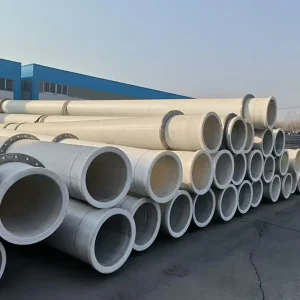
Industrial Silt & Slag Discharge Pipeline
-
Robust Slurry & Tailings Conveyance Line
-
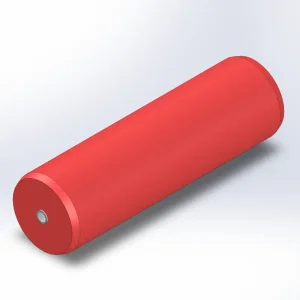
Chicago Canal Debris & Silt Floating Barrier
-
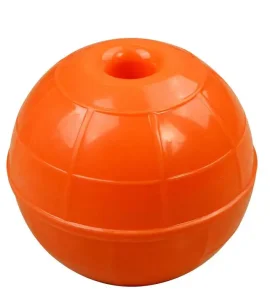
High-Impact Industrial Float Balls & Markers
-
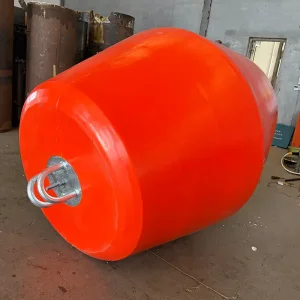
Harbor Mooring Buoy for Industrial Platforms
-

Heavy Dredge Pipe Floats for Lake Michigan
Frequently Asked Questions: Chicago Pipeline Procurement
Addressing engineering verifications, import tariffs, cold-temperature survivability, and logistical milestones.
How do rotomolded PE pipelines withstand Chicago's freezing winter temperatures?
Our pipelines use virgin HDPE resins with balanced crystalline architectures that yield high Charpy notched impact strength at sub-zero temperatures (tested to -40°C). Unlike PVC or brittle recycled plastics, our PE pipelines expand flexibly under internal water freezing without bursting, providing exceptional reliability during Midwest cold snaps.
What is the standard lead time for shipping pipeline consignments to Chicago?
Production for customized pipeline orders typically requires 15 to 25 days depending on diameter specifications and tooling requirements. Ocean transit from Qingdao or Shanghai to US West Coast ports (Los Angeles/Long Beach) followed by rail transit directly into Chicago intermodal ramps takes approximately 28 to 35 days, providing predictable procurement schedules for seasonal construction cycles.
How are import duties and regulatory documentation handled?
We supply standard DDP, CIF, or FOB terms supported by comprehensive commercial documentation: Mill Test Certificates (MTC) conforming to EN 10204 3.1, Certificate of Origin, detailed packing lists with optimized nested dimensions to minimize cubic freight, and full ASTM/ISO material test verifications required by municipal project engineers.
Can pipeline float shells be custom-foamed for higher hydrostatic pressure?
Yes. Floats are injected with marine-grade closed-cell polyurethane foam (density 35-40 kg/m³) under automated curing parameters. This structure ensures zero water absorption even if the outer high-density polyethylene shell experiences localized puncture or abrasion against steel barge edges or rocky river beds.