
Engineered Rubber Hose Solutions for UK Water & Marine Operations
Heavy-duty fluid transfer, silt extraction, and structural marine rubber hose segments engineered to withstand the challenging hydrodynamic conditions of UK coastlines and inland waterways.
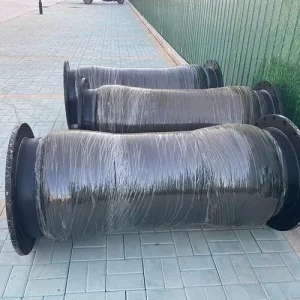
UK Dredging & Marine Silt Transport Heavy-Duty Rubber Hose
View UK Product Details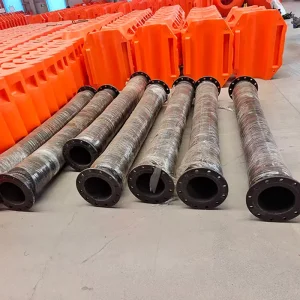
Custom Flexible Rubber Hose for UK Port & Thames Estuary Dredging
Request Hose Specification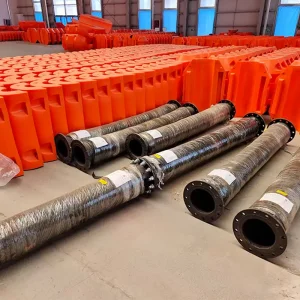
High-Performance Heavy-Duty Rubber Hose for UK Water Infrastructure
UK Project Specs & Price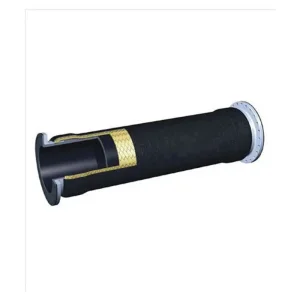
Offshore & Marine Flexible Discharge Rubber Hose for British Harbors
Get Manufacturing QuoteUK Commercial & Industrial Landscape for Rubber Hose Systems
A comprehensive examination of UK maritime, flood defence, offshore wind, and civil water treatment requirements driving higher demand for resilient elastomeric pipeline systems.
Port & Estuary Navigation Maintenance
Key British coastal hubs including London Thames Gateway, Humber Estuary, Felixstowe, and the Mersey require continuous sediment extraction to preserve navigational draft. Rubber hoses deployed alongside trailing suction hopper dredgers (TSHD) must withstand severe tidal scouring, saline chemical attack, and heavy gravel cavitation.
Environment Agency Silt & Flood Mitigation
UK Environment Agency mandates require aggressive flood prevention works across Somerset Levels, the Fens, and Severn Valley. Civil emergency bypass and mobile pumping stations mandate highly flexible, easily clamped suction-discharge rubber hose configurations capable of deploying under rapid turnaround timetables.
Offshore Wind Interconnector Cable Burial
As the UK expands Dogger Bank and North Sea offshore wind farms, seabed cable trenching equipment utilizes high-pressure subsea rubber jetting hoses. These hoses operate under crushing hydrostatic pressures while jetting high-velocity seawater to excavate underwater trenches without collapsing.
UK Localized Application Scenarios & Engineering Benchmarks
Analyzing technical stress factors, inner tube compounding, and carcass reinforcement parameters designed specifically for British civil, chemical, and hydro-engineering realities.
The Thames Barrier & River Thames Sediment Relocation
Operating in tidal estuaries such as the Thames presents challenging shear dynamics. Floating and submersible pipeline strings oscillate continuously under bi-directional tidal reversal. Standard rigid pipes fracture under cumulative fatigue at joint knuckles.
Our Solution: Synthetic steel wire helix embedded with multi-ply high-tenacity nylon fabrics vulcanized under computer-monitored autoclave conditions. Our flexible rubber discharge hoses absorb extreme bending moments while matching exact Shore A hardness required to counter abrasive granite, flint, and chalk particulates carried in river beds.
Quarry Slurry & Concrete Batching across Midlands
British aggregate producers operating across Derbyshire and the Yorkshire Dales face stringent HSE environmental policies. Transferring limestone slurry, fly ash, and sand tailings demands hose inner tubes made from pure natural rubber or high-density carboxylated nitrile blends.
Performance Metric: Juhua rubber hoses achieve DIN 53516 abrasion loss index ratings below 50 mm³, delivering up to 3.8 times the operational lifespan of conventional synthetic elastomeric hoses used by local contractors.
| Hose Category | Inner Liner Compound | Reinforcement Core | UK Target Applications | Standards Compliance |
|---|---|---|---|---|
| Heavy Slurry Dredge Hose | Abrasion-resistant NR / BR Blend | High-Tensile Cord + Helix Steel Wire | Port channel deepening, gravel dredging | BS EN 13362 / ISO 8031 |
| Floating Marine Pipeline Hose | Seawater & O-zone Resistant EPDM/NR | Multi-layer Polyester + Closed-Cell Foam | Offshore sand pumping, land reclamation | GMPHOM / ISO 28017 |
| High-Pressure Jetting Hose | Synthetic Smooth SBR Core | Dual Spiral Braided High-Tension Steel | Subsea trenching, water-jet descaling | BS EN 853 / ISO 1436 |
| Effluent & Chemical Transfer | Cross-linked UHMWPE / NBR | Textile Plies + Anti-static Copper Strand | UK Water utility sludge, chemical dosing | BS 5842 / EN 12115 |
Global Rubber Hose Landscape vs. UK Sourcing Realities
Examining macroeconomic raw material supply shifts, vulcanization technology advancements, and why leading UK contractors prefer integrated factory partnerships.
Global Elastomer Raw Material Price Trends
Global fluctuations in natural rubber latex (TSR20) and petroleum-derived monomer feedstocks like butadiene have pushed European domestic hose fabricators into extended production backlogs. Supply chains reliant exclusively on EU-based extruders currently face lead times reaching up to 26 weeks.
Automated Variable-Frequency Vulcanization
Modern elastomeric engineering has transitioned from manual steam wrapping to continuous electronic autoclaves with computerized variable-frequency thermal profiles. This eliminates internal air voids, ensuring laminar adhesion between internal rubber liners, cord layers, and steel carcasses.
Integrated Flange & Coupling Integrity
Historically, joint failure accounted for over 72% of subsea rubber pipeline bursts. Today's global benchmark mandates built-in vulcanized steel nipple collars or swaged ductile iron backing flanges that prevent coupling separation under excessive working and water-hammer surge pressures.
Chinese Manufacturing Strength: The Scalable Backbone for UK Buyers
Combining world-class processing capacity, comprehensive raw material inventory, and precision quality controls to guarantee UK supply chain continuity.
Unmatched Production Capacity
Situated in the industrial center of Shandong, Juhua operates purpose-built large-bore hose winding lines capable of producing continuous mandrels up to 1200 mm inner diameter and lengths reaching 12 meters per section, bypassing Western bottleneck limitations.
UK Port Logistics & Rapid Warehousing Delivery
With direct deep-water container lanes operating from Qingdao Port directly into Felixstowe, Southampton, and Liverpool, our maritime supply chain maintains uninterrupted flow. Custom consignments typically reach UK job sites within 24 to 28 days from order sign-off.
Rigorous Factory Quality Acceptance
Every industrial rubber hose batch undergoes comprehensive testing: hydrostatic burst pressure trials (at 3x safe working pressure), vacuum deflection verification, tensile elongation checks, and DIN abrasion benchmarking before export clearance is granted.
UK Compliance, Environmental Rigor & Engineering Roadmap
Meeting UKCA regulations, British Standards (BS), and shaping the future of sensor-monitored intelligent elastomeric pipeline infrastructure.
British Standards & UK Regulatory Assurance
UK EPC buyers must meet strict environmental and workplace safety frameworks. Juhua hoses provide full certification documentation covering:
- BS EN 13362 / ISO 8031: Anti-static electrical continuity through grounding wires, preventing spark ignition in offshore fueling or flammable environments.
- BS EN 10204 3.1: Complete raw material traceability reports provided with mill certificates for vulcanized steel flanges.
- UK REACH & Environmental Guidance: Low-leach rubber compounds engineered to avoid toxic chemical seepage into British freshwater watercourses and SSSI conservation zones.
Future Roadmap: Smart Sensor-Embedded Hose Systems
As offshore wind and subsea mining adopt automated asset maintenance, Juhua is pioneering smart elastomeric piping innovations:
- Embedded RFID & Optical Wear Sensors: Real-time alerts as the inner abrasive sacrificial rubber liner approaches critical wear thresholds.
- Bio-Based Bioelastomer Research: Exploring eco-formulated natural latex alternatives that reduce carbon footprints while matching the tensile strength of industrial vulcanizates.
- Ultra-Flexible Hybrid Corrugated Designs: Combining tight bend radii with reinforced steel armor for shallow water dredgers navigating narrow UK river canals.
Integrated Floating Pipelines, Rubber Systems & Marine Buoys for UK Projects
Complete fluid and sediment handling systems designed for port authorities, marine contractors, and water asset engineers across the United Kingdom.
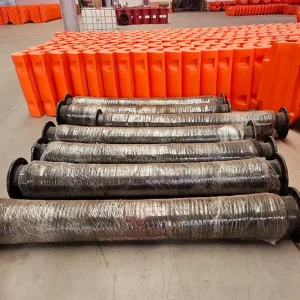
UK Aggregate & Mining Heavy-Duty Flexible Slurry Rubber Pipeline
View UK Pipeline Details
High-Performance Flexible Rubber Hose for UK Flood Alleviation
Request Technical Quote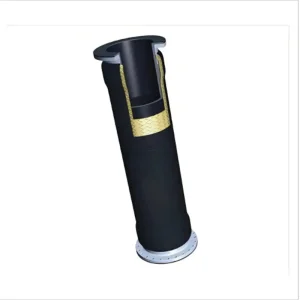
Custom Premium Rubber Hose for UK Utility Water & Slurry Lines
Inquire Hose Specs
Reliable Heavy Sediment Transport Pipelines for UK Port Channels
View Pipeline Pricelist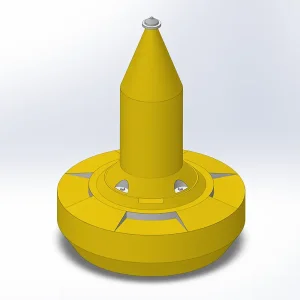
High-Visibility Marine Navigation Buoys for UK Harbors & Canals
Explore Navigation Buoys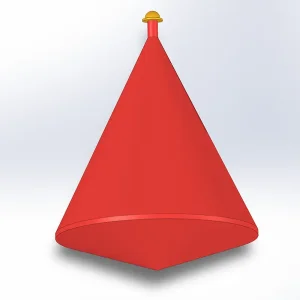
Offshore Heavy-Duty Safety Buoys for British North Sea Projects
Get Offshore Factory Rates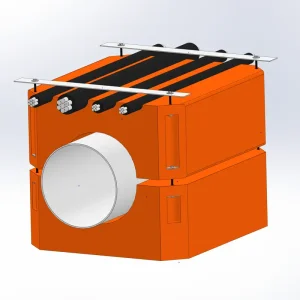
Modular Floating Pipe Supports with Cable Troughs for UK Estuaries
View Support Pricelist
Custom Mooring Buoys for UK Marina Berthing & Coastal Anchorage
Request Mooring Buoy SpecsUK Procurement & Engineering Q&A (FAQ)
Key technical answers regarding standards, minimum bend radii, delivery timelines, and customized compounding for UK engineering professionals.
How do Juhua rubber hoses comply with UK BS EN and ISO standards?
Our heavy-duty rubber dredging and slurry hoses are manufactured to meet or exceed BS EN 13362 and ISO 8031 electrical grounding and pressure requirements. Certified test certificates from our quality assurance lab, including burst, tensile, and DIN 53516 wear certificates, are furnished with every export batch.
What is the typical shipping lead time from your factory to UK ports?
Standard production lead times range between 10 to 18 days depending on customized bore size and flange requirements. Sea freight via direct lines from Qingdao directly to Felixstowe, Southampton, or London Gateway takes roughly 22 to 26 days. Expedited air freight is also available for urgent repairs.
Can you provide custom flange configurations (PN10/PN16, ANSI, JIS)?
Yes. Our rubber hose lines incorporate either fixed or swiveling flanges machined to PN6, PN10, PN16, ANSI Class 150/300, or British Standard Table D/E configurations. All flanges can be hot-dip galvanized or epoxy-coated to prevent galvanic corrosion in harsh marine tidal waters.
How do you calculate minimum bend radius for floating or submerged hose lines?
As an engineering baseline, standard heavy-duty suction & discharge rubber hoses feature a minimum bend radius between 4 to 6 times the internal diameter (ID). For high-articulation applications like stern discharge elbows or floating bow lines, we manufacture specialized short-pitch helical steel wire reinforced hoses that support bend radii down to 3.5x ID without structural kinking.