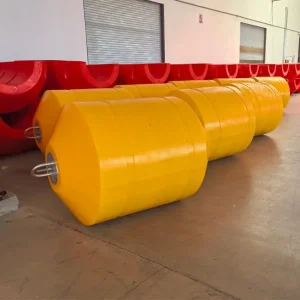
High-Integrity Dredging Floats & Subsea Flotation Modules
Explore our industrial-grade, rotomoulded virgin PE pipeline floats and heavy-duty marine conveyance solutions. Built for exceptional reserve buoyancy and hydro-mechanical stability.
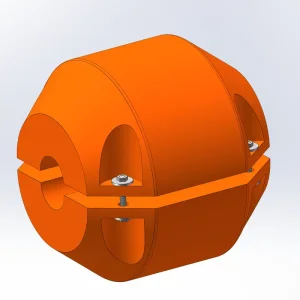
High-Quality Durable Pipe Floats for Safe Operations Products, Company
View Product Specs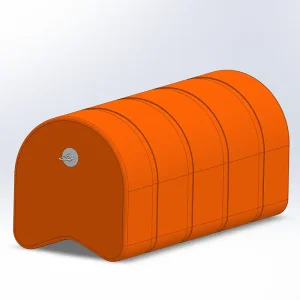
ODM Deepwater Pipeline Support Floats – Reliable Subsea Buoyancy Solutions Manufacturer, Companies
View Product Specs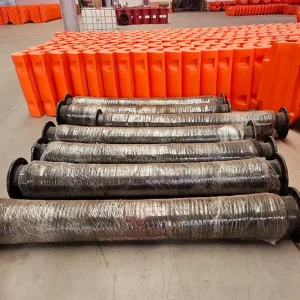
Custom Heavy-Duty Rubber Pipelines for Efficient Water and Slurry Transport Supplier, Products
View Product Specs
High-Quality Advanced Pipeline Float System for Secure Subsea Installations Supplier, Factories
View Product Specs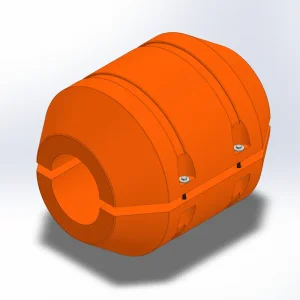
Custom Pipeline Float For Subsea Tie-In And Controlled Positioning Products, Quotes
View Product Specs
High-Quality Pipe Floats for Floating Pipeline Support and Water Transfer Product, Company
View Product Specs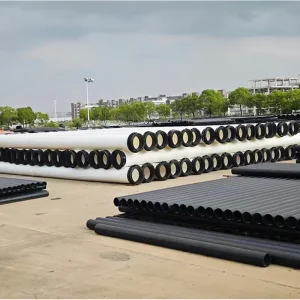
OEM Industrial-Grade Pipeline for Reliable Fluid Transport Companies, Factory
View Product Specs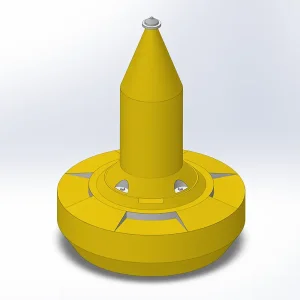
Best Reliable Floating Buoys for Coastal Navigation and Offshore Projects Suppliers, Factory
View Product SpecsThe Global Commercial Landscape of Dredging Floats & Flotation Infrastructure
A macroeconomic and hydro-engineering shift away from legacy welded steel pontoon floats toward advanced rotomoulded Medium/High-Density Polyethylene (MDPE/HDPE) buoyancy modules.
Corrosion Elimination & Steel Pontoons Obsolescence
In modern maritime dredging, the historical reliance on carbon steel cylindrical pontoons has collapsed under operational lifecycle costs. In aggressive saline conditions, steel buoys suffer catastrophic electrochemical oxidation, biofouling, and stress pitting at seam welds. Modern custom dredging float companies utilize rotomoulded linear low/medium-density polyethylene (LLDPE/MDPE) hulls infused with UV inhibitors (UV8 to UV16). Polyethylene is completely inert in saltwater environments, effectively eliminating sandblasting, repainting, cathodic anode replacement, and ballast pumping.
Hydrodynamic Drag Reduction & Fuel Optimization
Dredge lines spanning 500 metres to over 5,000 metres create substantial hydrodynamic crossflow resistance when subjected to coastal rip tides and riverine currents. Contemporary dredging pipe floats feature tapered, hydrodynamic toroidal geometries engineered through computational fluid dynamics (CFD). By lowering vortex shedding and drag coefficients, these float designs mitigate anchor tension requirements, prevent torsional catenary buckling along HDPE or steel discharge pipelines, and optimize the overall fuel efficiency of workboats and cutter suction dredger booster stations.
Unsinkable Monolithic Closed-Cell Polyurethane Infilling
The structural backbone of marine-grade dredge pipe floats resides in their dual-composite construction. Should the external PE shell sustain high-energy impacts from dredging support tenders, jagged coral, or heavy workboat propellers, water ingress is strictly contained. Factory-controlled pressure injection of rigid, high-density closed-cell polyurethane (PUR) foam (ranging between 35 kg/m³ and 45 kg/m³) forms an impenetrable hydrophobic barrier. Even in the event of severe outer shell rupture, the float maintains over 98% of its buoyant capacity, safeguarding pipelines from plunging into navigation channels.
Chinese Manufacturing Ecosystem: Engineering Precision & Scalability
How advanced Chinese industrial facilities like Shandong Binzhou Juhua achieve world-leading turnaround speeds, micron-level wall uniformity, and competitive capital efficiency.
Automated Variable-Frequency Rotational Moulding
Traditional rotational moulding operations often suffer from uneven wall thickness due to manual rotational cycles and uncontrolled gas-burner heating. Leading Chinese manufacturers incorporate multi-axis, bi-axial CNC rotational moulding ovens equipped with electronic multi-zone pyrometric feedback and variable-frequency speed regulation. This guarantees that whether producing small 110mm pipe collars or massive 1,200mm offshore cutter suction pipeline floats, every quadrant maintains strict wall thickness tolerances (±0.5mm), eliminating structural hot-spots and failure planes.
Integrated Upstream Petrochemical Synergy
China's coastal manufacturing belts integrate direct raw polymer synthesis pipelines. Our facilities procure prime-grade virgin linear polyethylene resin directly from top-tier petrochemical hubs, compounded internally with anti-aging agents, carbon black, and hindered amine light stabilizers (HALS). This direct supply chain bypasses trading middle tiers, prevents reprocessed plastic contamination, and allows immediate scaling from standard inventory to rapid production of 10,000+ buoyancy halves without material supply bottlenecks during critical dredging seasons.
Standardised Mould Tooling & Spares Interchangeability
A persistent risk encountered by marine project managers is procuring replacement pipeline floats that do not match existing pipeline outer diameters (OD). Utilizing high-precision CNC-milled cast aluminum and steel moulds, Chinese factory standardization ensures that float shells produced three years apart exhibit 100% mechanical interchangeability. Bolt-hole pitch diameters, inter-locking ribs, and recessed fastener wells align flawlessly with both ISO standard HDPE slurry lines and international API 5L steel dredging pipes.
Engineering Buoyancy for Diverse Maritime & Industrial Environments
From cutter-suction land reclamation in extreme coastal swells to heavy tailings slurry ponds in high-altitude mines, each operation presents unique hydro-mechanical demands.
1. Deepwater Port Expansion & Navigation Channel Desilting
In busy maritime shipping channels, dredging operations cannot disrupt vessel ingress and egress. Floating pipelines must maintain absolute structural alignment without drift. Our high-visibility orange, yellow, and red pipeline floats are integrated with marine navigation buoys and light towers, alerting transiting container vessels to underwater discharge lines. Heavy-duty mooring flanges and molded fastener pockets resist cyclic wave fatigue and tidal surge, supporting discharge pipelines up to OD 1,200mm carrying dense seabed silt and dredged clays.
2. Mining Tailings Pond Management & Slurry Transport
Tailings impoundments in copper, gold, and iron mining facilities require moving abrasive slurries with high specific gravities (>1.4 to 1.8 kg/L). In these aggressive environments, float under-sizing results in line submergence, pipeline rupture, and ecological crises. Custom dredging floats engineered for mine tailings incorporate reinforced internal clamping surfaces, preventing pipeline slippage along steep intake inclines. Additionally, built-in dual cable troughs allow safe concurrent routing of heavy power cables and telemetry lines across the pond surface.
3. Mega Land Reclamation & Coastal Barrier Construction
Coastal island building and reclamation projects require massive discharge volumes operating 24/7 over several kilometers. These pipelines encounter constant ground swells, surf breaking loads, and continuous sand abrasion. By deploying rotomoulded pipe floats with elastomeric rubber backing gaskets, abrasive sand slurry vibrations are decoupled from the pipe shell, mitigating localized shear fatigue and providing reliable floating stability across the surf zone.
4. Inland River Basin Desilting & Reservoir Protection
Reservoirs, hydroelectric dams, and river channels demand modular, agile flotation solutions. Waterway barriers and trash booms stop floating debris, plastics, and surface logs from jamming hydroelectric turbine gates. Concurrently, lightweight dredging floats support electric cutter-suction desilting pipelines, maintaining tight turning radiuses within restricted lock chambers and narrow oxbow waterways without requiring heavy cranes during deployment.
5. Subsea Pipeline Tie-In & Controlled Positioning
Offshore engineering operations require engineered buoyancy modules during subsea spool positioning and pipeline tie-ins. By strategically clamping staging floats onto subsea lines, contractors achieve near-neutral underwater buoyancy, allowing offshore ROVs or commercial divers to align flange connections with millimeter precision before controlled release or flooding procedures.
6. Industrial Municipal Bypass & Dewatering
During emergency wastewater diversion, canal lock rehabilitation, or flood pumping, temporary overland and over-water bypass pipelines must be established within hours. Polyethylene floats feature lightweight half-shell modular designs that can be bolted together manually using cordless impact tools, cutting installation crew sizes by half and bringing vital pump discharge systems online immediately.
Future Trajectory: Smart Buoyancy, Circular Polymers & Harsh-Duty Composites
How the convergence of internet-of-things (IoT) marine monitoring, circular polymer formulations, and severe abrasion resistance is shaping the next decade of flotation products.
1. IoT-Enabled Smart Dredge Floats & Telemetry
The future of industrial flotation lies in proactive sensor intelligence. Next-generation pipeline floats are being integrated with low-power satellite and LoRaWAN telemetry modules. These sensors continuously monitor real-time freeboard depth, axial pipeline tension, water temperature, and dynamic tilt angles. If a slurry line begins plugging—dramatically increasing the pipeline's internal weight—the sensor suite detects the loss of reserve buoyancy instantly, dispatching automated alerts to the dredger operator cabin to prevent a total line sinking event.
2. Bio-Polyols & Chemically Recycled Resins
ESG benchmarks and European maritime carbon regulations are transforming dredging material procurement. Manufacturers are transitioning from fossil-fuel-based polyurethanes to bio-based polyols derived from sustainable plant oils, alongside circular closed-loop polyethylene shells. These modern compounds deliver identical hydrophobic ratings and compression resistance while reducing embedded carbon metrics by up to 35%, assisting dredging contractors in winning sustainability-weighted marine tenders.
3. Ultra-Tough Crosslinked & UHMWPE Liners
For extreme offshore mining applications where pipeline floats endure abrasive seabed dragging and tidal bottom-outs, standard linear polymers can experience rapid outer wear. Advanced research is introducing co-extruded outer protective skins featuring ultra-high-molecular-weight polyethylene (UHMWPE) and crosslinked polyethylene (PEX) elastomers. These modifications boost puncture resistance by over 300% and provide self-lubricating characteristics that prevent sand buildup between the float and the host pipe.
Enterprise Procurement Criteria: Engineering Buoyancy Reserve
Essential mathematical models, material compliance criteria, and inspection checklists for EPC directors, marine superintendents, and commercial procurement teams.
The Marine Engineer's Rule of Buoyancy Calculation
A frequent error in procurement requests is specifying float buoyancy based solely on an empty pipe or water conveyance. Dredging slurry (sand, clay, crushed rock) possesses high density, necessitating a substantial buoyancy reserve factor (RF) to maintain 20% to 30% of the pipe diameter above water.
Total Float Buoyancy (F_b) ≥ [ W_pipe + W_medium + W_accessories + W_floats ] × Reserve_Factor (1.20 ~ 1.35)Where: W_medium = (π/4) × (ID_pipe)² × L_section × ρ_slurry. Slurry density (ρ_slurry) typically ranges from 1,250 kg/m³ for fine harbor silt to 1,800 kg/m³ for dense coarse iron or quartz gravel slurry.
| Evaluation Parameter | Standard Requirement | High-Performance Marine Benchmark | Test Methodology |
|---|---|---|---|
| Outer Shell Polymer | Virgin PE / LLDPE Resin | UV-16 Stabilised MDPE / HDPE Masterbatch | ASTM D1248 / ISO 1183 |
| Foam Infill Density | 30 – 35 kg/m³ Polyurethane | 40 – 45 kg/m³ High-Pressure Hydrophobic PUR | ASTM D1622 / DIN 53420 |
| Water Absorption | < 5.0% by volume | < 1.0% by volume after 7-day immersion | ASTM D2842 Closed Cell Test |
| Fastener Metallurgy | Grade 4.8 Electro-Galvanized | Hot-Dip Galvanized Gr 8.8 or AISI 316 Stainless | ISO 1461 / ASTM A153 |
| Shell Wall Uniformity | ± 2.0 mm variance | ± 0.5 mm variance via CNC Electronic Pyrometry | Ultrasonic Thickness Measurement |
Drop Impact Resistance
Factory Acceptance Testing (FAT) mandates standard 5-metre freefall drop tests of fully foamed pipe floats at -10°C onto reinforced concrete surfaces to ensure zero polymer shell shattering or internal delamination.
Hydrostatic Pressure Integrity
Subsea and tie-in floats undergo pressurized hyperbaric vessel testing to verify that closed-cell foam cores maintain buoyant volume without cell collapse under deep hydrostatic water pressure.
High-Torque Bolt Recesses
Fastener pockets must be rotationally molded with reinforced load-distributing shoulders. This prevents bolt pull-through when applying pneumatic torque wrenches during high-speed offshore assembly.
Frequently Asked Questions by Dredging Contractors & Engineers
Comprehensive engineering responses to support project sizing, installation, and procurement decisions.
How do you calculate the exact number of floats required for a pipeline?
The total buoyant volume must exceed the combined dry weight of the pipeline, its couplings, flanges, and the maximum density slurry it conveys. The engineering guideline recommends sizing the system so that the total buoyant force equals 1.20 to 1.30 times this overall gross weight. This reserve buoyancy keeps roughly 25% of the pipe diameter above the water line, reducing wave slam loads.
Why is rotomoulded polyethylene preferred over fabricated steel floats?
Polyethylene is chemically inert and completely impervious to seawater corrosion, salt crystallization, and microbial attacks that degrade carbon steel pontoons. Moreover, PE floats are light, resilient, and elastic—absorbing high-energy kinetic impacts from service workboats without denting or puncturing. Infilled with closed-cell polyurethane, they will not sink even if the shell is ruptured.
Can the internal clamping diameter be customized for non-standard pipes?
Yes. Custom dredging float companies can tailor both the internal bore and clamping groove profiles. Whether you are using HDPE pipelines (SDR 9, 11, 17, 26), rubber slurry hoses, or API spiral-welded steel lines with specialized external anti-corrosion wrap, the internal diameter can be manufactured with anti-slip ribs or equipped with neoprene/EPDM gaskets to achieve a secure friction fit.
What is the standard warranty and operational lifespan of Juhua pipe floats?
Standard industrial warranty covers 18 months from delivery or 12 months from on-site commissioning, whichever occurs first. In terms of design lifecycle, our virgin UV-stabilised MDPE floats maintain operational integrity for 8 to 15 years under typical tropical marine and solar exposure conditions, resisting environmental stress cracking (ESCR) in accordance with ASTM D1693.
How are floats secured against axial sliding along the discharge line?
Floats are designed in two symmetrical interlocking halves fastened by high-tensile galvanized or stainless steel bolts. The internal clamping cavity is manufactured slightly undersized to apply uniform radial compression onto the host pipe. For high-velocity rivers or steep tailings ramps, locating rings (stoppers) can be fusion-welded to the HDPE pipe on either side of the float pairs to completely eliminate axial travel.
What documentation and certifications are required for marine export RFQs?
Turnkey international tenders require mill test certificates (MTC) verifying virgin resin density and melt flow index (MFI), polyurethane raw chemical datasheets, UV degradation resistance reports, Factory Acceptance Testing (FAT) dimension verification, and third-party inspection certificates (such as SGS or Bureau Veritas) validating buoyancy performance and tensile bolt ratings.
Specialised Buoys, Marine Barriers & Conveyance Accessories
Complete your aquatic installation with marine navigation buoys, environmental floating barriers, and heavy-duty wear-resistant dredging rubber pipelines.
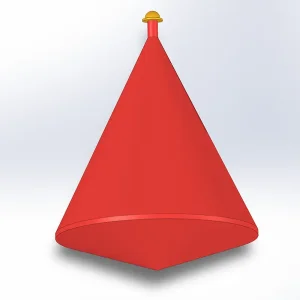
Custom Reliable Marine Buoys for Safe Waterway Operations Suppliers, Products
View Product Specs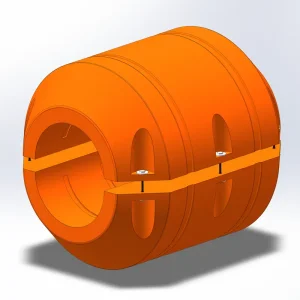
OEM Pipeline Float for Floating Pipeline Systems and Water Transfer Projects Manufacturers, Factories
View Product Specs
Best Precision Marine Buoys for Safe and Efficient Navigation Manufacturer, Factories
View Product Specs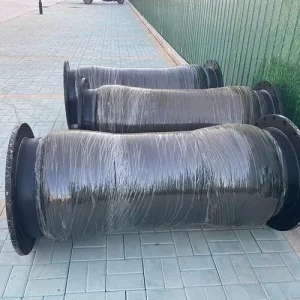
Best Durable Rubber Hoses for Efficient Fluid and Sediment Transport Products, Factory
View Product Specs
Custom High-Performance Marine Buoys for Safe and Efficient Waterways Manufacturers, Pricelist
View Product Specs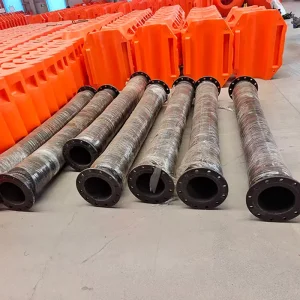
Custom Flexible Rubber Hoses for Advanced Fluid and Sediment Transport Products, Quotes
View Product Specs
ODM Floating Barriers for Water Protection and Environmental Management Supplier, Factories
View Product Specs