20+ Years
Industrial Rotomolding Heritage
80+ Countries
Global Deployment Footprint
100% Core
Hydrophobic Closed-Cell PUR
18-Month
Manufacturer Quality Warranty
Featured Deployment Catalog (Part I)
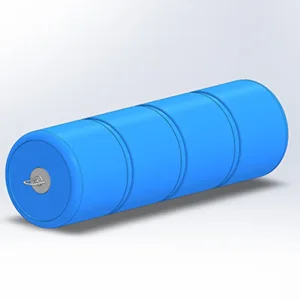
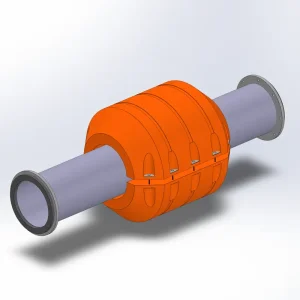
Modular Buoyancy Modules & Pipeline Flotation Units
Engineered for high-drag hydrodynamic environments, coastal land reclamation, and subsea tie-in infrastructure.
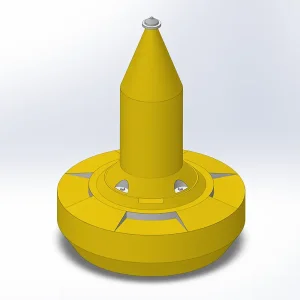
Best Reliable Floating Buoys for Coastal Navigation and Offshore Projects Suppliers, Factory
Configure Specs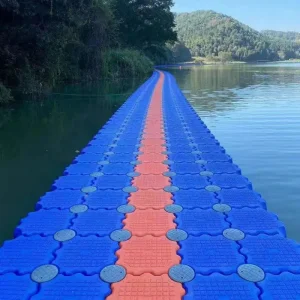
High-Quality Water Boat Pontoon Floating – Stable and Modular Floating Platforms Supplier, Products
Configure Specs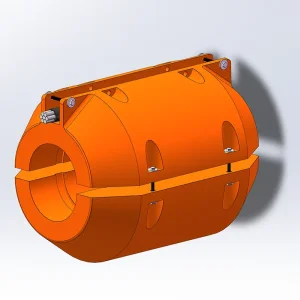
Custom Reliable Pipeline Floats for Marine and Engineering Projects Company, Pricelist
Configure Specs
Custom Pipe Floats for Stable Pipeline Support and Reliable Floating Systems Quotes, Factory
Configure Specs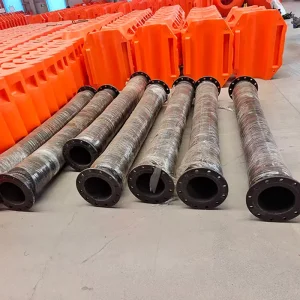
Custom Flexible Rubber Hoses for Advanced Fluid and Sediment Transport Products, Quotes
Configure Specs
Best Polyethylene Mooring Buoy – Reliable Floating Solutions for Modern Marine Projects Suppliers, Company
Configure Specs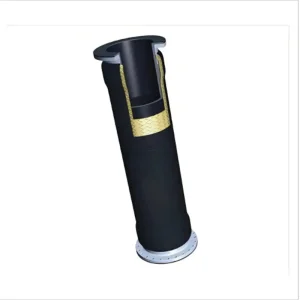
Custom Premium Rubber Hoses for Reliable Water and Slurry Transport Supplier, Products
Configure Specs
Industry Macro Analysis
Global Industrial Landscape for Custom Foam-Filled Marine Buoys
Decarbonization, offshore wind expansion, mega-dredging corridors, and deepwater terminal operations demand resilient, zero-maintenance flotation systems.
Transition from Steel to Polymeric Foam Buoys
Historically, maritime and offshore operators relied on fabricated mild-steel buoys for mooring, navigation, and pipeline support. However, steel incurs severe operational vulnerabilities: accelerated electrochemical corrosion in hypersaline waters, catastrophic ballast loss following hull punctures, and high maintenance costs associated with periodic sandblasting and toxic anti-fouling coatings.
Modern civil and port engineering overwhelmingly favors rotational-molded linear low-density polyethylene (LLDPE) shells encapsulating 100% closed-cell hydrophobic polyurethane (PUR) or cross-linked polyethylene (XLPE) foam cores. Even under direct ship collision or shell puncture, closed-cell foam prevents water ingress, preserving critical buoyancy reserve indefinitely.
Total Cost of Ownership (TCO) Economics
Procurement teams evaluating buoy quotes often overlook life-cycle operating expenses (OpEx). While bare rotomolded hollow shells present an artificially low initial invoice price, their vulnerability to puncture-induced sinking creates catastrophic project downtime risks in offshore dredging and marine operations.
Foam-filled buoys ensure a zero-maintenance duty cycle across an 8 to 15-year operational lifespan. Eliminating drydock recertification, cathodic zinc anode replacement, and internal void corrosion inspections yields a TCO reduction of 42% compared to steel, and 65% compared to cheap EPS-filled alternatives prone to water absorption.
Demanding Operational Environments
Custom marine flotation units deployed in equatorial regions (such as the Persian Gulf and Southeast Asia) confront continuous ultraviolet solar radiation indices exceeding UV20, alongside surface seawater temperatures of 38°C.
To resist rapid photo-oxidative degradation, high-tier manufacturers formulate polymer melts with hindered amine light stabilizers (HALS UV8/UV20) alongside carbon-black cross-linkers. Paired with closed-cell polyurethane cores, the assemblies withstand severe cyclic wave slamming, tidal scouring, and turbulent heavy mineral slurry transfer.
Industrial Pricing Framework
Custom Foam Buoys Pricelist & Cost Estimation Matrix (2025–2026)
Transparent cost models based on closed-cell foam density, skin thickness, steel framework grades, and displacement capacities.
| Buoy Category / Model | Outer Skin Spec | Internal Foam Core | Reserve Buoyancy | Indicative Price Range (FOB Qingdao) | Target Applications |
|---|---|---|---|---|---|
| Cylindrical Dredge Pipe Float (OD 200–400mm) | 8–10mm Virgin LLDPE (UV8) | Closed-cell PUR (38–42 kg/m³) | 120 kg – 480 kg | $140 – $380 / pair | Harbor desilting, sand pumping, tailings |
| Heavy-Duty Slurry Pipe Float (OD 500–900mm) | 12–16mm High-Impact LLDPE | Reinforced PUR (45 kg/m³) | 850 kg – 2,800 kg | $490 – $1,350 / pair | Deep sea dredging, mine tailing slurries |
| Coastal Navigation Marker Buoy (Ø 1200mm) | 10mm UV20 LLDPE Monobloc | Hydrophobic PUR core | 450 kg Net Reserve | $850 – $1,450 / unit | Port entry guidance, marine works demarcation |
| Deepwater Mooring Buoy (Ø 1800–2400mm) | 15–20mm PE / Elastomer Skin | High-density PUR + Q235 Central Bar | 3,500 kg – 9,000 kg | $3,200 – $7,800 / unit | Barge anchorage, commercial tanker berths |
| Modular Subsea Pipeline Tie-In Float | Co-extruded Heavy Polyurea | Syntactic / Rigid PUR (80 kg/m³) | 1,000 kg – 5,000 kg | $2,800 – $6,400 / unit | Subsea installation, dynamic riser positioning |
| Linked Floating Trash & Safety Barrier | 8mm Seamless PE Shell | Closed-cell EPS / PUR core | 180 kg / module | $95 – $190 / segment | Dam reservoirs, power station water intakes |
MDI/Polyol Raw Material Fluctuation
Rigid polyurethane foam is synthesized through the exothermic reaction of methylene diphenyl diisocyanate (MDI) and polyether polyols. Global petrochemical market index shifts directly impact core material pricing, representing roughly 32% of total unit manufacturing cost.
Tooling Amortization vs. Custom CNC Molds
Standard dredge pipe clamps leverage existing cast-aluminum tooling at zero mold-amortization fee. For bespoke geometries (e.g., cable trough inclusions, subsea transponder cavities), custom CNC-milled aluminum molds represent a one-time tooling charge of $3,500 to $12,000.
Hardware Metallurgy & Fasteners
Pricelists vary based on specified tensioning frameworks. Baseline quotes include Hot-Dip Galvanized (HDG ISO 1461) through-bolts, while long-duration offshore or nuclear intake specifications require marine-grade AISI 316L Stainless Steel or Super Duplex fasteners, adding 8–14% to unit costs.
Competitive Positioning
Global Foam Buoy Companies: Western Tier-1 OEMs vs. Juhua Direct-Source
A multi-factor engineering comparison highlighting cost structures, lead times, customization thresholds, and supply chain scalability.
| Evaluation Metric | Western Tier-1 OEMs (EU / USA) | Trading Houses / Intermediaries | Direct Chinese Manufacturer (Juhua Rubber & Plastic) |
|---|---|---|---|
| Direct Unit Cost (Ex-Works) | High baseline ($$$) due to domestic labor overhead | Inflated by 20–40% broker margin markups | Direct-to-plant pricing; competitive scale pricing |
| Production Lead Times | 12 to 24 weeks standard; limited rotational capacity | Unpredictable; subcontracted to third parties | 3 to 5 weeks; multi-axis high-volume shuttle ovens |
| Rotational Molding Wall Control | Automated infrared monitoring | Varies widely depending on subcontracted factory | Variable-frequency speed control & auto pyrometry |
| Core Foam Filling Integrity | Computer-controlled PUR high-pressure injection | Manual gravity-poured foam; high void risks | In-house high-pressure meter-mix closed injection |
| Bespoke Prototyping Flexibility | Costly CAD iteration fees; rigid tooling MOQ | Cannot engineer custom geometries directly | Rapid CNC pattern-making; flexible pilot batches |
| Warranty & Compliance Guarantee | 12 Months Standard / Bureau Veritas documentation | Third-party paperwork; difficult warranty recourse | 18-month handover / 12-month installation warranty |
The Engineering Procurement Advantage: Sourcing Directly from Binzhou, Shandong
International engineering contractors (EPCs) previously faced a trade-off: pay substantial premiums to European buoy brands or risk dimensional deviations from unverified brokers. Shandong Binzhou Juhua Rubber & Plastic Co., Ltd. bridges this gap by operating advanced rotational molding machinery alongside strict in-house QA laboratories, delivering Tier-1 quality compliant with IALA and ISO standards at direct industrial factory prices.
Supply Chain Excellence
Chinese Manufacturing Resilience & Rotational Molding Precision
How state-of-the-art process lines, automated temperature tracking, and regional petrochemical integration ensure consistent product quality.
Petrochemical Cluster Integration
Located in Shandong province, Juhua sits in China's primary hub for chemical engineering and polymer synthesis. Proximity to major polymer manufacturers (Sinopec, Wanhua Chemical) guarantees an uninterrupted supply of pristine LLDPE raw resins and precision-formulated isocyanates.
- Virgin LLDPE melt-flow indexing verification per batch
- Direct bulk polyol pipeline sourcing eliminates supply chain delays
- Resistance to global raw-material price volatility
Advanced Rotational Molding Pyrometry
Uneven wall thickness represents the primary failure point for subsea and coastal buoys. Juhua's production lines employ computerized variable-frequency bi-axial rotational speed control alongside non-contact infrared thermal monitoring.
- Uniform skin cross-sections eliminate localized weak spots
- Automated mold de-pressurization prevents thermal residual stress
- High interchangeability: replacement halves match existing lines
High-Pressure In-Situ Foam Injection
Low-tier manufacturers frequently pour EPS bead mixes or hand-stirred chemical mixtures, leading to internal air voids. Juhua uses high-pressure dynamic mixing injection stations that meter polyol and isocyanate at calibrated ratios.
- 95%+ closed-cell structure meets ASTM D2842 water absorption limits
- Controlled internal foam density across 38 kg/m³ to 80 kg/m³
- Direct bonding to internal PE skin prevents core slippage
Field Deployment Case Studies
Engineering Solutions Across Global Marine Theaters
Custom buoyancy designs adapted to localized hydrodynamic conditions, high wave spectra, and corrosive slurry environments.
Port & Harbor Reclamation
Deployment: Middle East & SE Asia Mega-Ports.
During deepwater port construction, trailing suction hopper dredgers (TSHD) pump abrasive sand-water mixtures at densities reaching 1.6 t/m³. Juhua provides engineered floats designed with extra freeboard margins, keeping discharge pipelines afloat under heavy hydraulic shock loads.
Offshore Wind Subsea Cables
Deployment: North Sea & Taiwan Strait.
Dynamic subsea power cable installation requires modular buoyancy collars with integrated cable troughs. Our high-density foam floats absorb dynamic bending fatigue in the wave-action splash zone, preventing cable kinks during dynamic laying operations.
Mining Tailings Transport
Deployment: South America & Australian Mineral Basins.
Chemical tailings contain acidic or alkaline slurries that corrode metallic float bodies within months. Juhua's chemical-resistant LLDPE shells encasing rigid hydrophobic PUR provide long-term flotation across industrial tailings dams without maintenance.
Dam Intake Trash Booms
Deployment: Hydroelectric Reservoirs Worldwide.
Floating barriers prevent logs, debris, and surface pollutants from clogging hydropower turbines. Linked cylindrical foam floats fitted with subsurface steel screens maintain consistent buoyancy throughout dramatic reservoir water-level drawdowns.
Hydrodynamic Buoyancy Reserve Sizing Rule
Avoid sizing floats based on empty pipeline weight. Always account for full slurry density, wave action, and joint hardware loads:
F_buoyancy ≥ (W_pipe + W_slurry + W_hardware) × 1.25 to 1.30
Future Technology Roadmap
Material Science Innovations & Next-Gen Smart Marine Flotation
The transition toward bio-circular polymers, telemetry-integrated smart buoys, and structural syntactic composites.
Phase 1: 2025–2026
Bio-Circular & Recycled Polymers
Integration of post-consumer recycled (PCR) polyethylene outer shells and bio-derived polyols, reducing product carbon intensity by 35% while maintaining tensile strength above 21 MPa.
Phase 2: 2027–2028
IoT Smart Buoy Telemetry
Embedding AIS transponders, solar mini-arrays, kinematic GPS, and water turbidity sensors directly into the rotomolded shell cavity, turning buoys into autonomous environmental monitoring nodes.
Phase 3: 2029–2031
Syntactic Foam Core Advancements
Developing hollow glass microsphere syntactic foam cores engineered to endure deep-sea hydrostatic pressures down to 1,500 meters without water uptake or cell wall collapse.
Phase 4: 2032–2035
Self-Healing Polyurea Shells
Applying supramolecular self-healing elastomeric outer coatings that seal surface gouges and abrasion scratches upon exposure to ambient sunlight, preventing crack propagation.
Technical Governance
International Compliance & Field Engineering Warranties
Complete traceability, verified testing protocols, and clear contractual warranty protections for marine EPC contractors.
Maritime Regulatory Compliance
All marine navigation buoys are manufactured strictly adhering to the International Association of Marine Aids to Navigation and Lighthouse Authorities (IALA) Guideline 1078. Colors (marine red, green, yellow, black) comply with CIE chromaticity boundaries, formulated with high UV resistance for multi-year colorfastness.
Comprehensive Factory Warranty Terms
Juhua provides a formal performance warranty: coverage commences when the buyer hands over the goods to the end-investor and terminates 18 months after the handover date or 12 months after the formal installation date, whichever comes first. Rapid replacement guarantees cover any structural shell cracking or foam separation.
Global Logistics & Engineering Support
Direct plant dispatch from Binzhou, Shandong with proximity to Qingdao and Tianjin ports. Comprehensive export packaging prevents transit abrasions. Our technical support desk ([email protected] / Tel: +86-158-6665-7686) provides 24-hour turnaround on buoyancy calculations, pipeline layout reviews, and installation guidance.
Technical Inquiries
Frequently Asked Questions: Marine Buoys & Pipeline Flotation
Detailed engineering answers to the technical, sizing, and procurement questions raised by offshore dredging and marine infrastructure buyers.
What is the difference between closed-cell PUR foam and EPS bead fill?
Expanded Polystyrene (EPS) consists of fused beads. Over time in dynamic marine environments, wave action fractures these bead bonds, absorbing seawater and losing net buoyancy. Rigid Polyurethane (PUR) foam features over 95% closed-cell structure chemically bonded directly to the outer polyethylene hull, preventing water migration even if the outer skin suffers deep cuts.
How do you calculate required buoyancy for heavy dredge slurry lines?
Total net buoyancy must exceed the sum of the dry pipe weight, the weight of the conveyed medium, and joint/flange hardware. Because mineral slurries (gravel, iron tailings, dense sand) can reach densities of 1.4 to 1.8 t/m³, the buoyancy modules must be sized to keep roughly 20–30% of the pipe diameter above the waterline to prevent submerged sinking under wave impact.
Why is rotomolded polyethylene superior to steel for coastal buoys?
Rotomolded linear low-density polyethylene (LLDPE) is chemically inert, eliminating marine corrosion, rust bleeding, and the need for toxic biocidal paint systems. Furthermore, polyethylene's lower flexural modulus allows it to absorb heavy impacts from service vessels or workboats without permanent denting, springing back into shape.
Can custom inner diameters be molded for non-standard pipe ODs?
Yes. In addition to our broad standard tooling library (covering pipe outer diameters from 110mm up to 1200mm), we engineer custom rotomolding aluminum tooling for specialized steel, rubber, or HDPE conduit dimensions, including options for integrated cable troughs and rubber anti-slip liners.
What documentation and test certificates accompany export shipments?
Standard quality packs include Mill Test Certificates (MTC) for virgin polyethylene resins, foam core density and water-absorption test records, hydrostatic wall-thickness mapping, and third-party inspection certifications (e.g., CCS, BV, or SGS) upon request prior to container sealing.
What specific details are required to obtain a formal binding quotation?
Provide your pipe external diameter (OD), pipe material and wall thickness, conveyed slurry density (t/m³), working site conditions (river, harbor, offshore wave height), target freeboard percentage, required fastener grades (HDG or 316L SS), total project quantity, and preferred destination CIF port.
Complete Deployment Catalog (Part II)
Marine Mooring, Waterway Navigation & Specialized Flotation Systems
Commercial-grade mooring buoys, water barriers, and impact-resistant rotomolded equipment ready for global dispatch.
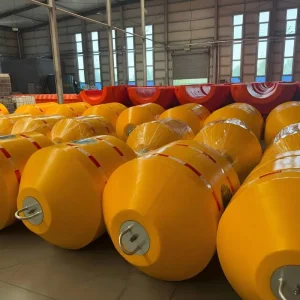
High-Quality Mooring Buoy for Commercial Berths, Marinas and Offshore Holding Areas Manufacturers, Products
Configure Specs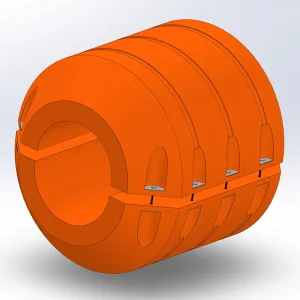
ODM High-Buoyancy Floats for Marine Projects Suppliers, Pricelist
Configure Specs
Custom Pipe Floats – Reliable Buoyancy for Marine Pipeline Projects Products, Companies
Configure Specs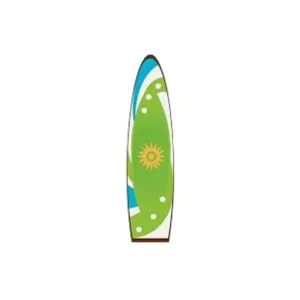
ODM Rotomolded Surfboard – Durable, Safe, and Low-Maintenance Water Sports Solution Manufacturers, Pricelist
Configure Specs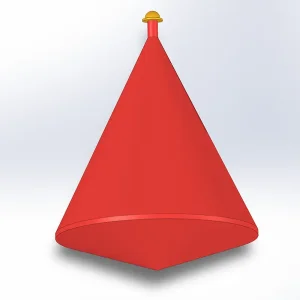
Custom Reliable Marine Buoys for Safe Waterway Operations Suppliers, Products
Configure Specs
High-Quality Versatile Floating Boat Pontoon for Water Projects Products, Company
Configure Specs
ODM Mooring Buoy For River Terminals And Workboat Berths Product, Quotes
Configure Specs