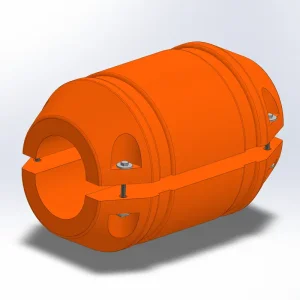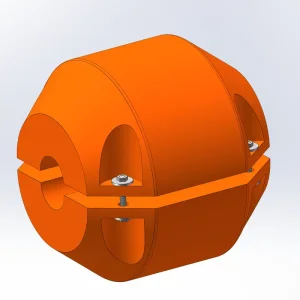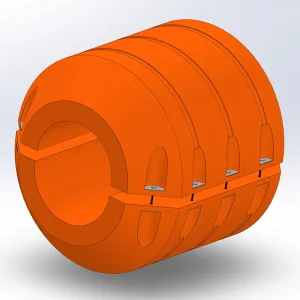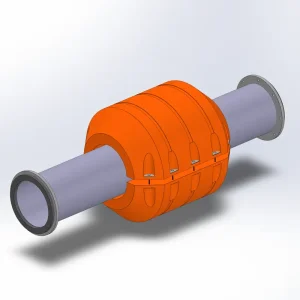
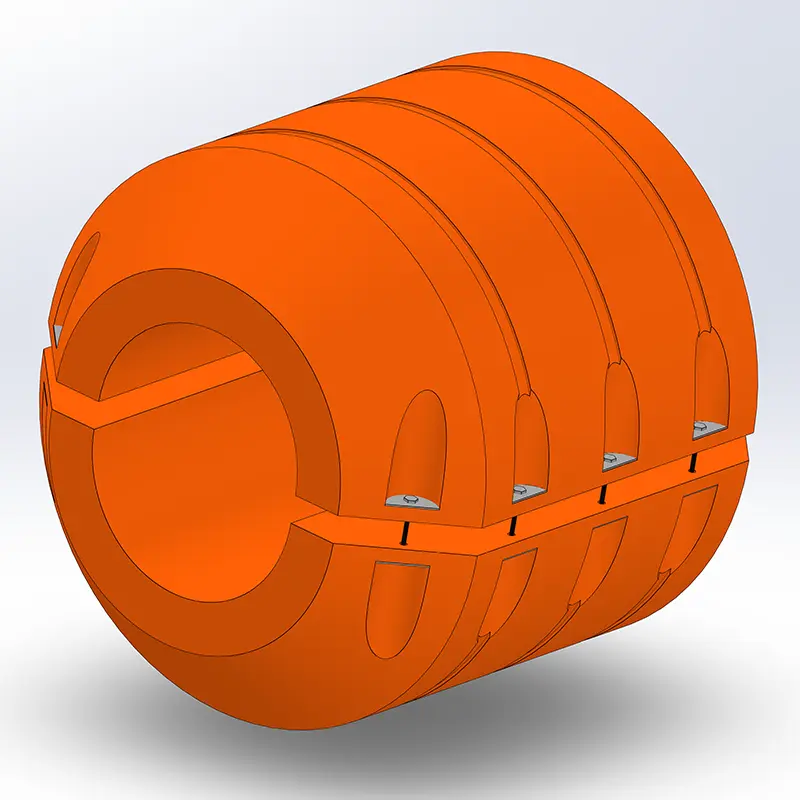
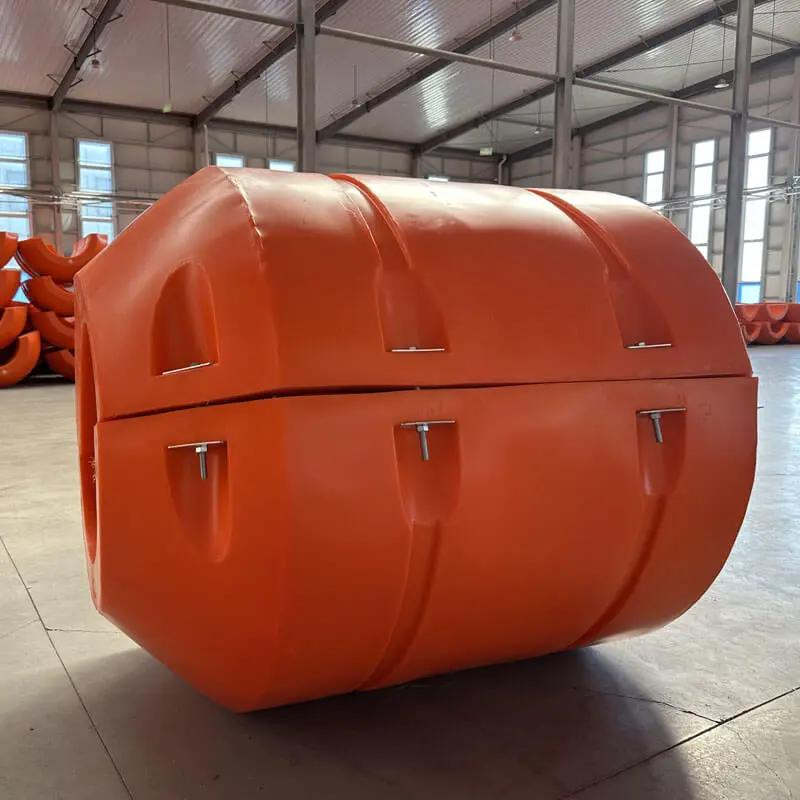
High-Quality Pipeline Float With Modular Buoyancy for Subsea Installation Manufacturers, Manufacturer
Product Description
Contact Us
We are committed to providing you with the best quality service and look forward to communicating with you to solve problems together and bring you a better experience.
-
 Phone: +86-158-6665-7686
- WhatsApp: +86-158-6665-7686
-
 E-mail: [email protected]
-
 WhatsApp
-
 WeChat


Why Choose Giant Rubber?
Over 15 Years Experience
More than 15 years in flotation manufacturing, trusted by marine and water projects worldwide.
Strict Quality Assurance
Every product passes rigorous testing to ensure strength, durability, and UV resistance.
Customized Engineering Solutions
Tailor-made flotation systems for dredging, aquaculture, navigation, and environmental projects.
Fast Global Delivery
Efficient logistics and direct factory supply guarantee on-time worldwide delivery.
Continuous Innovation in Design
Advanced R&D ensures modern, reliable, and eco-friendly flotation products.
Dedicated Customer Support
Professional service from project design to after-sales, ensuring worry-free cooperation.
Product Features
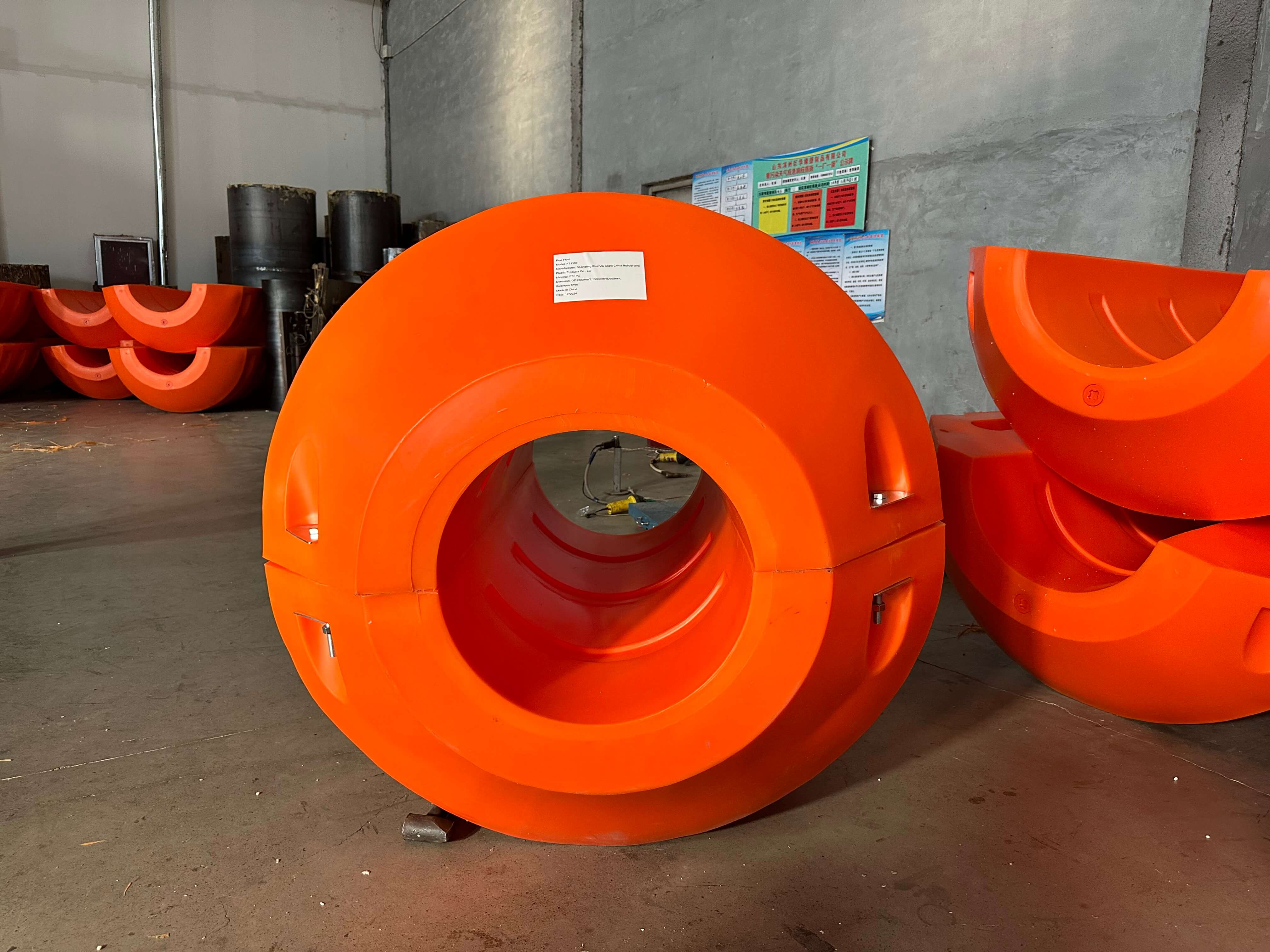
detail1
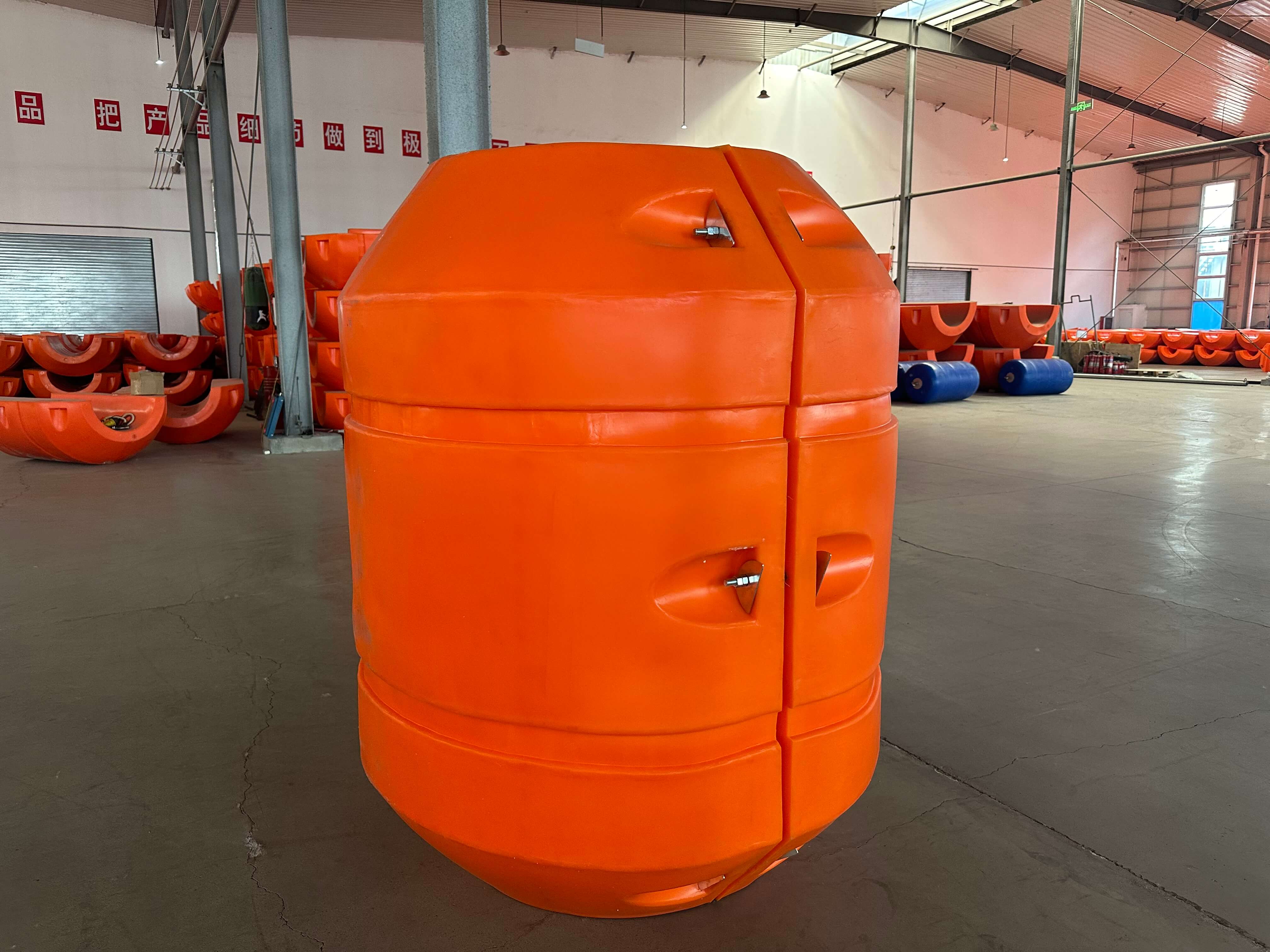
detail2
detail3
detail4
detail5
detail6
Pipe Floats Specifications
| Specification | Reference Information |
|---|---|
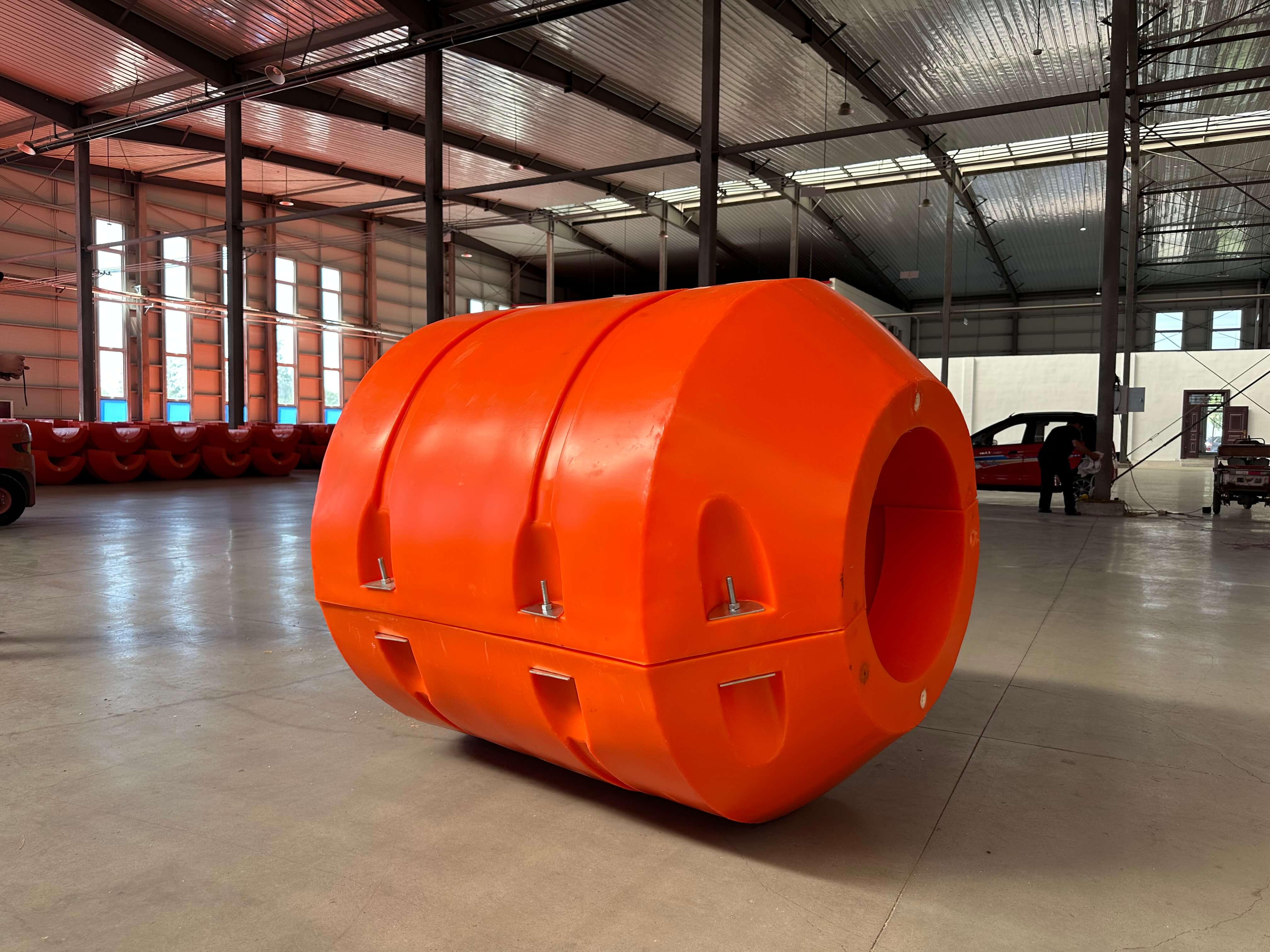
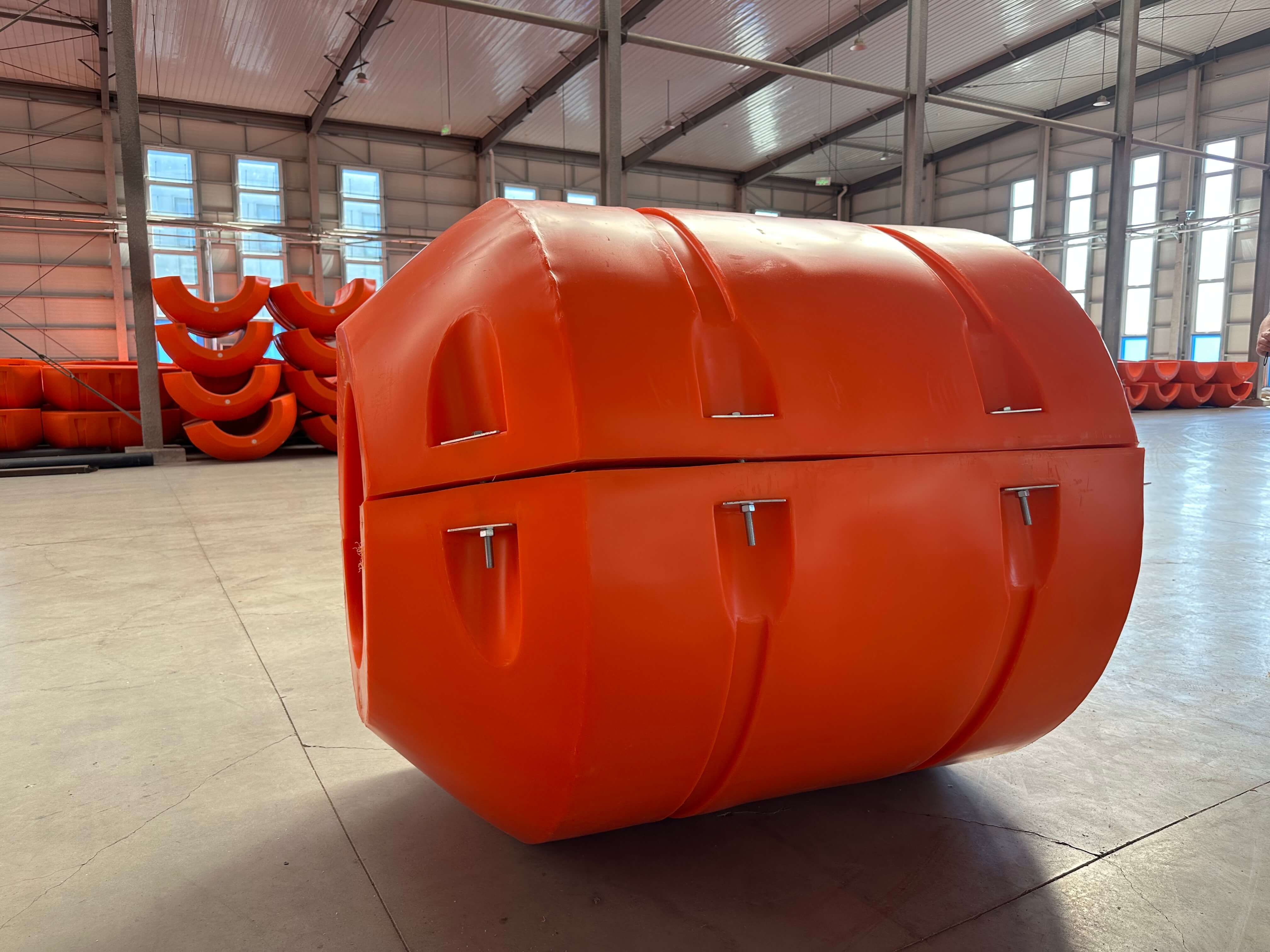
| Product Type | Modular Pipeline Float |
| Application | Temporary Subsea Pipeline Buoyancy |
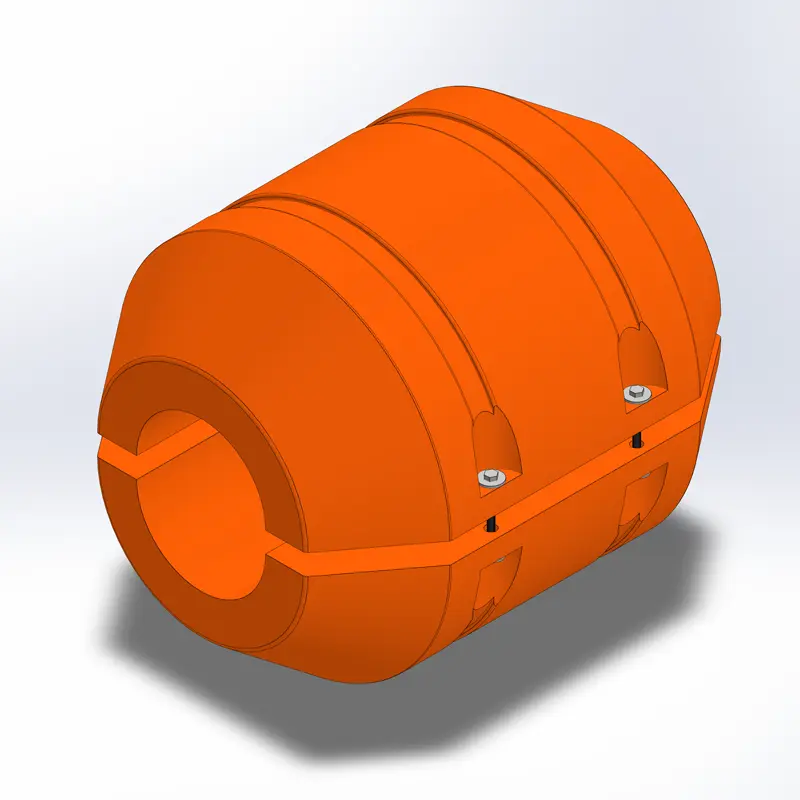
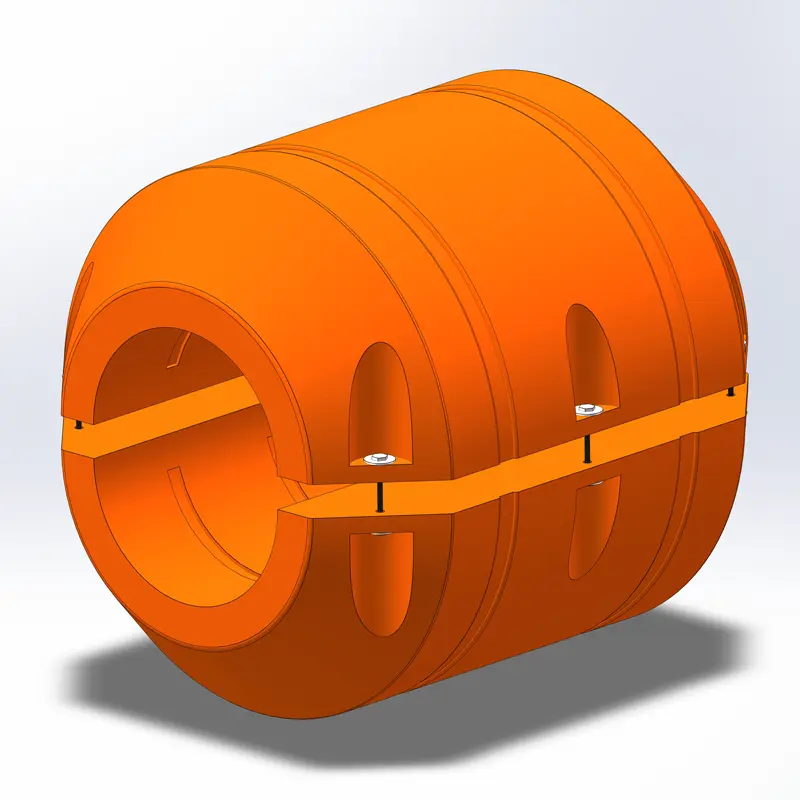
| Reference Module Size | 1950 × 1100 × 1150 mm |
| Published Depth Range | 10–300 m |
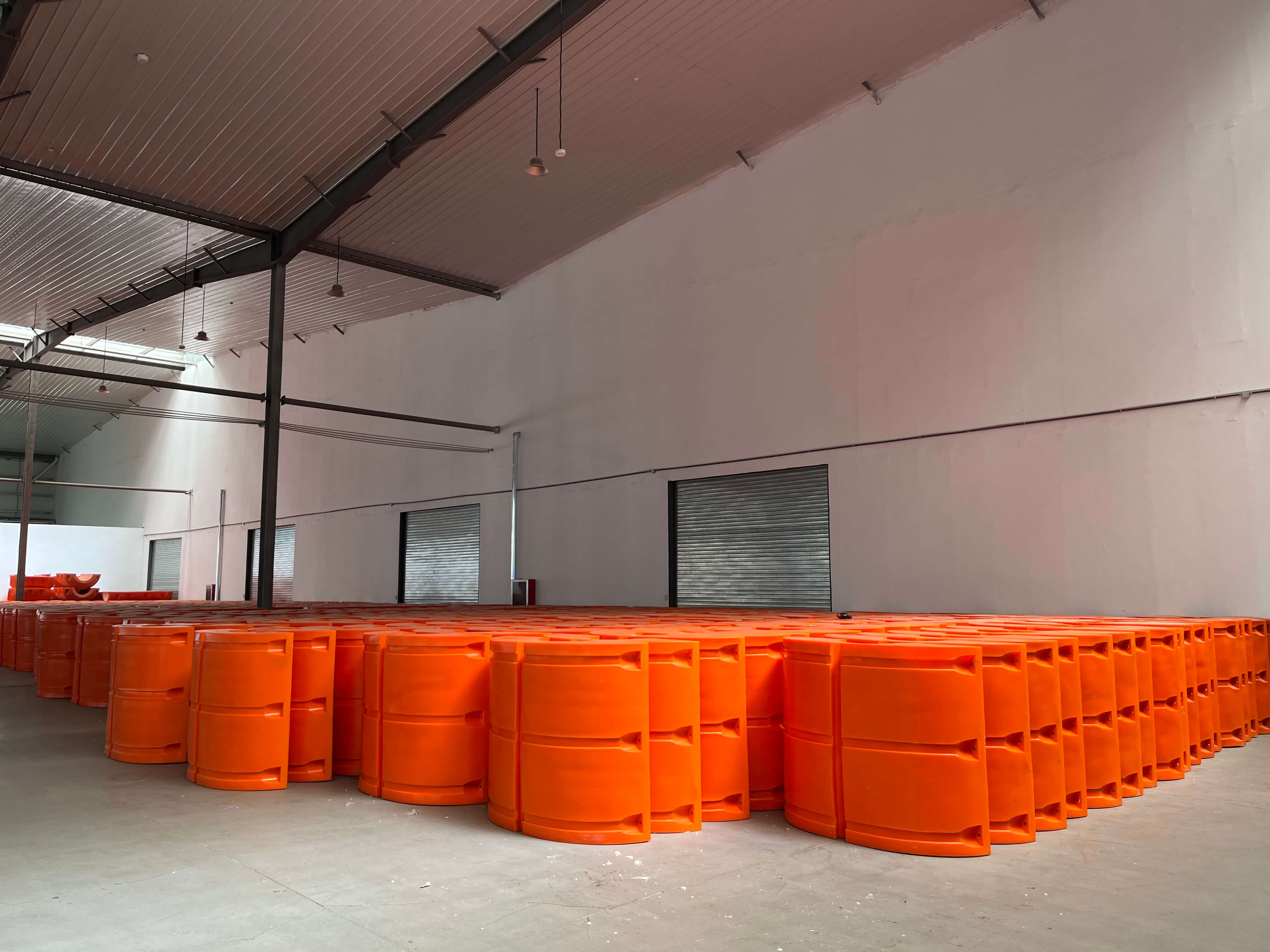
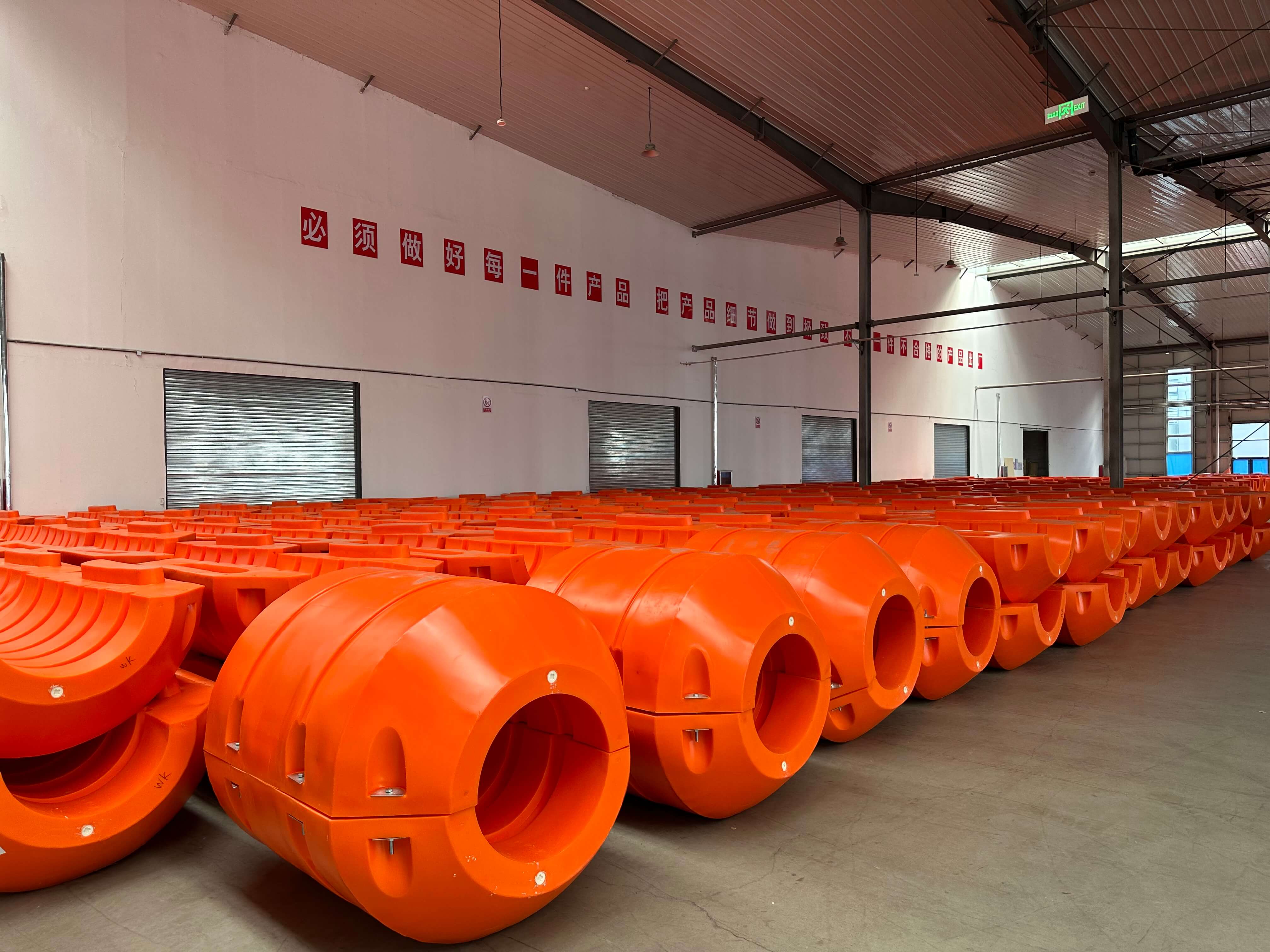
| Module Arrangement | Combined Units According To Required Buoyancy |
| Strap Options | Steel / Steel-Textile Composite / Special Polymer |
| Net Buoyancy | Confirm For Selected Module And Depth |
| Module Dry Weight | Confirm With Technical Drawing |
| Pressure Qualification | Confirm For Intended Operating Depth |
| Strap Assembly Rating | Confirm Against Installation Loads |
| Pipe Interface | According To Approved Attachment Design |
| Operating Duration | Project-Specific |
Application Scenarios
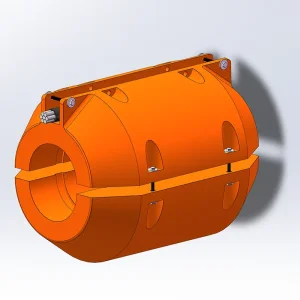
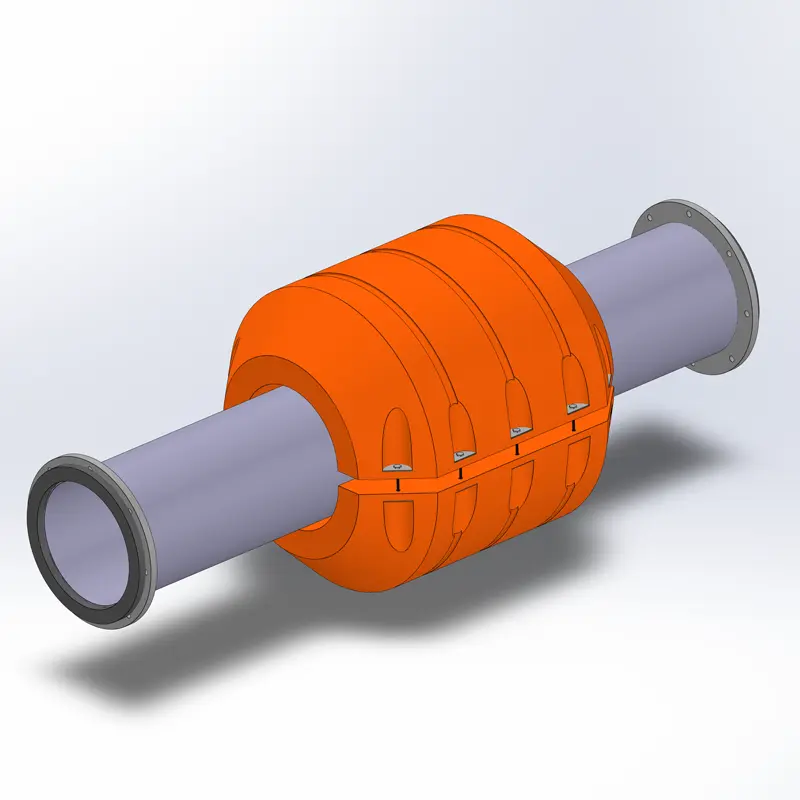
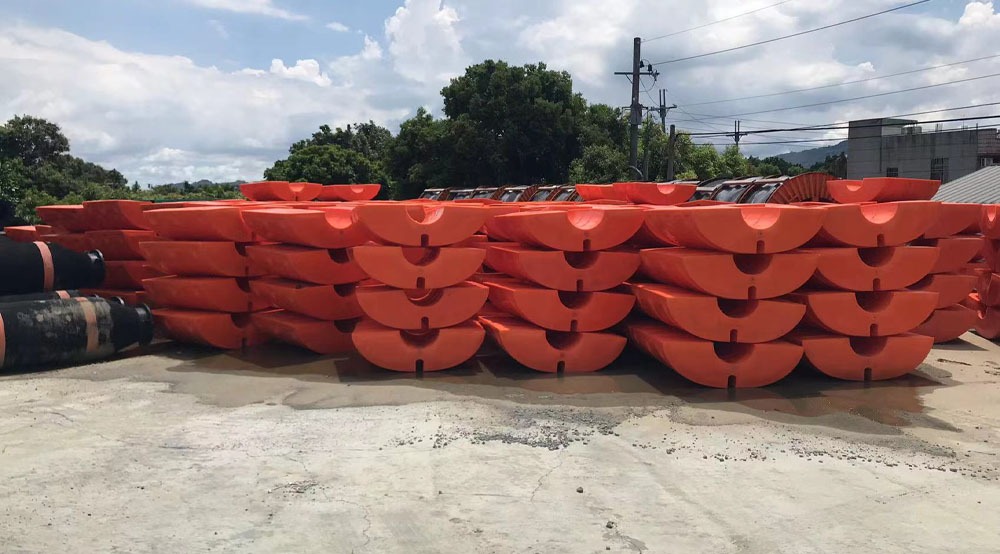
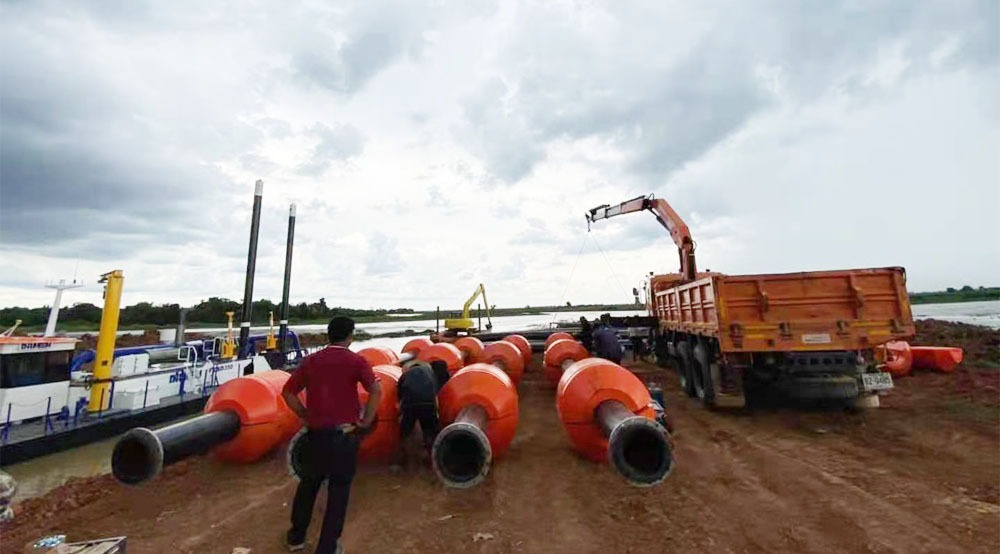
You can use Pipeline Floats for subsea installation where temporary flotation is required during underwater pipeline deployment, positioning, or connection operations.
For offshore pipeline contractors, these modules can form part of a planned buoyancy arrangement used to manage selected sections of pipe during installation.
You may also consider a pipeline tie-in float when a subsea connection procedure requires additional uplift near the working section.
These applications are particularly relevant to offshore energy infrastructure, underwater pipeline construction, and marine engineering projects.
Note: The product should be used within an approved installation procedure. Temporary flotation must not be treated as a substitute for certified lifting equipment or independently required structural restraints.
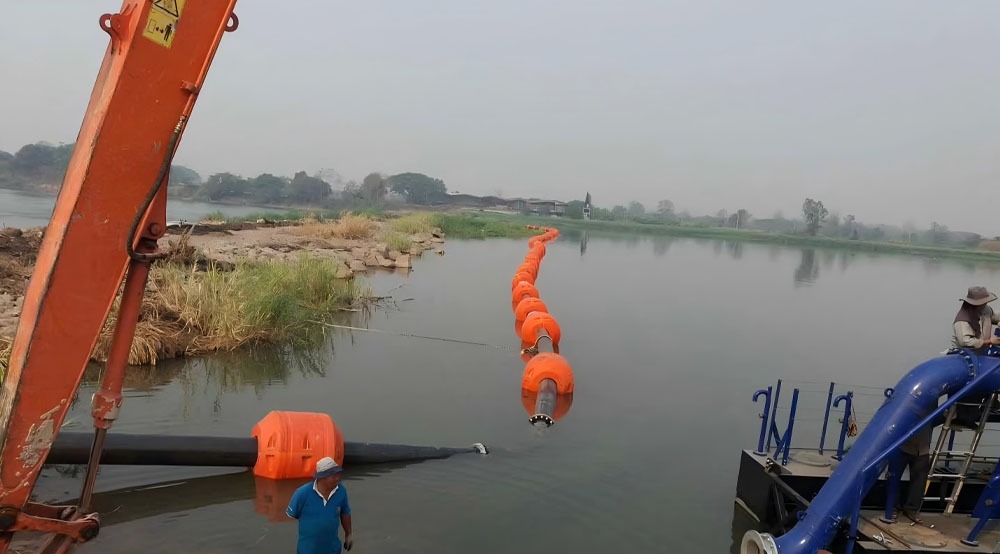
Application Scenarios 1
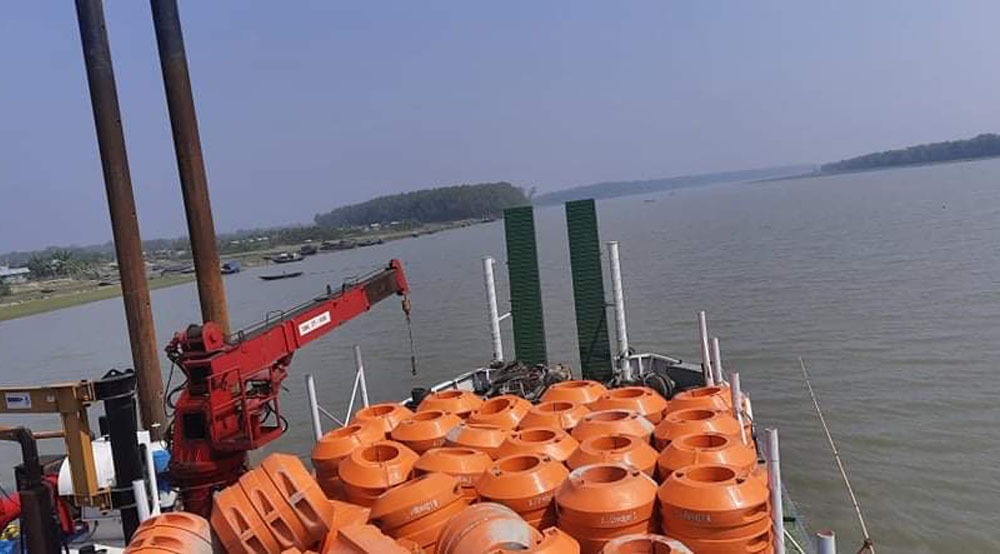
Application Scenarios 2
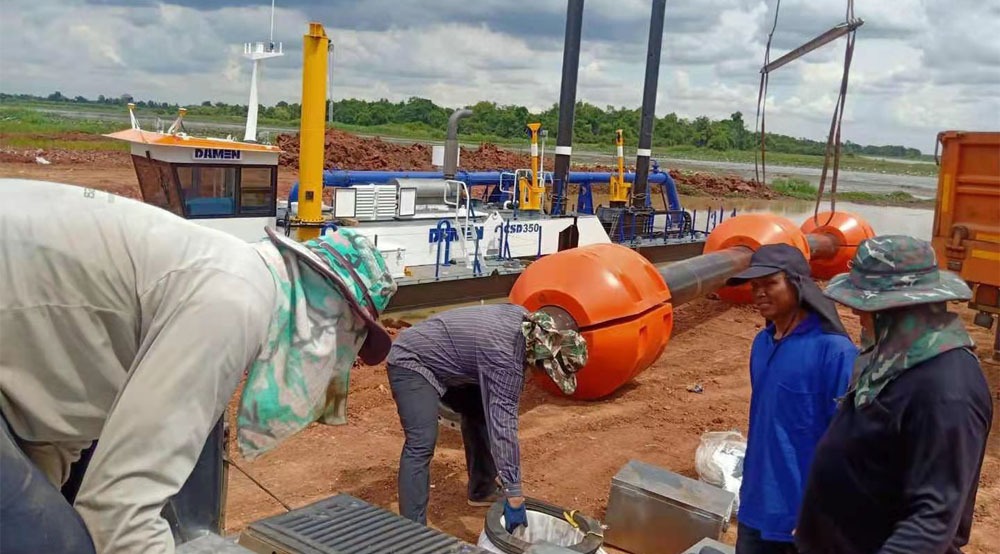
Application Scenarios 3
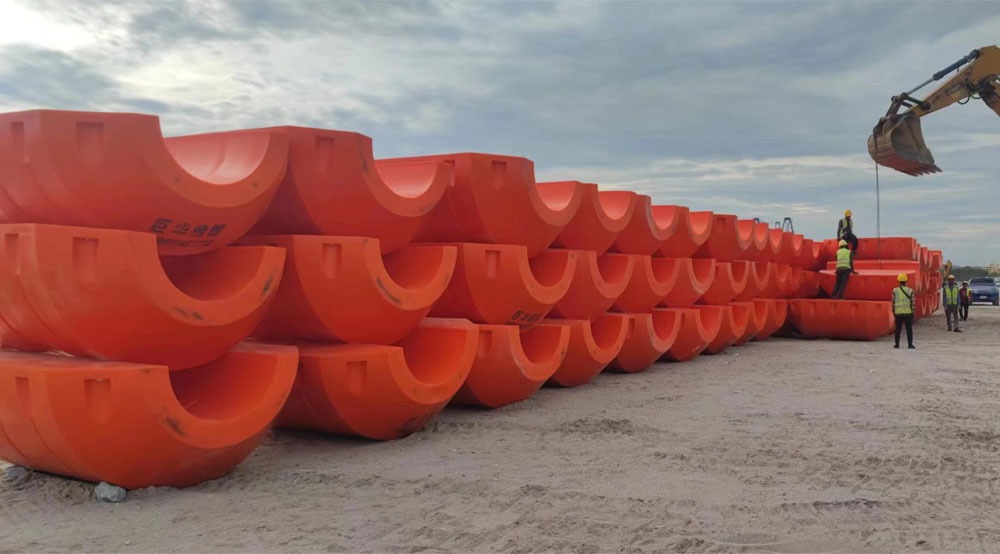
Application Scenarios 4
Application Scenarios 5
Application Scenarios 6
Suitable Industries
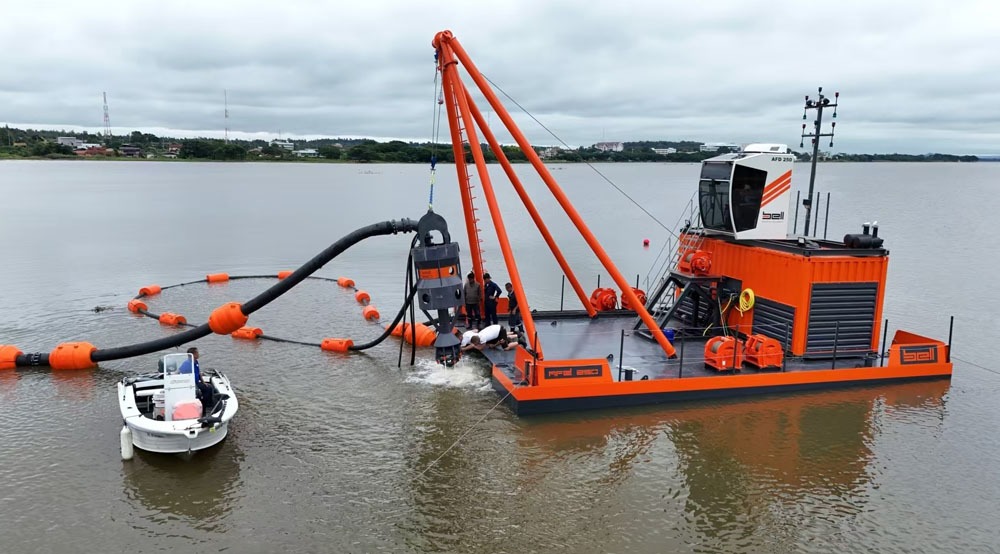
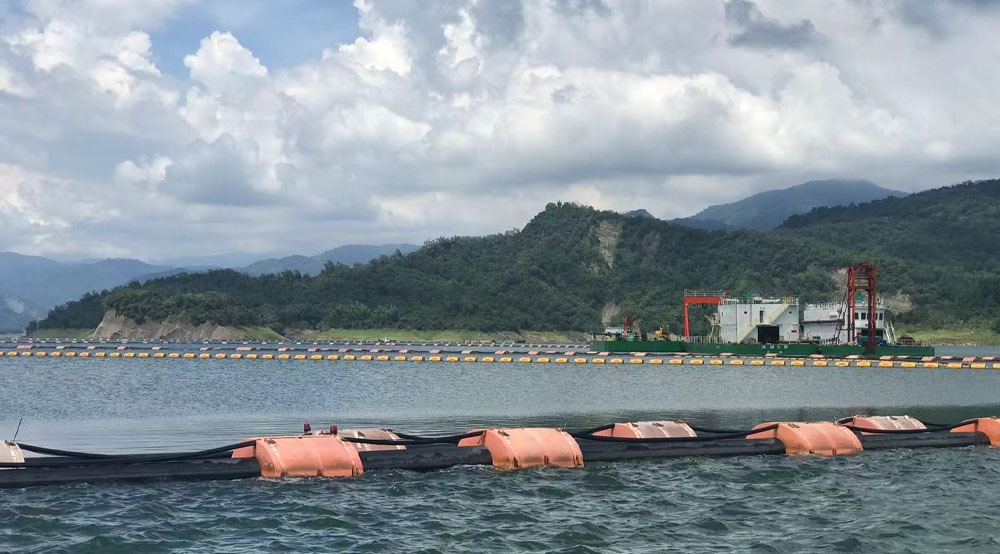
You may need a custom Pipeline Float when your installation uses non-standard pipe dimensions, special coating requirements, or a different buoyancy arrangement.
Giant Rubber can review your project drawings and discuss the module configuration and fastening options.
Your technical inquiry should identify the pipeline dimensions, submerged operating weight, intended installation depth, required uplift, and proposed attachment locations.
You should also identify any material, inspection, or documentation requirements that must be included in the quotation.
If several module arrangements are needed, you can organize them by installation section or equipment reference.
For related configurations, explore the Pipeline Float Tie-In product range.
Suitable Industries 1
Suitable Industries 2
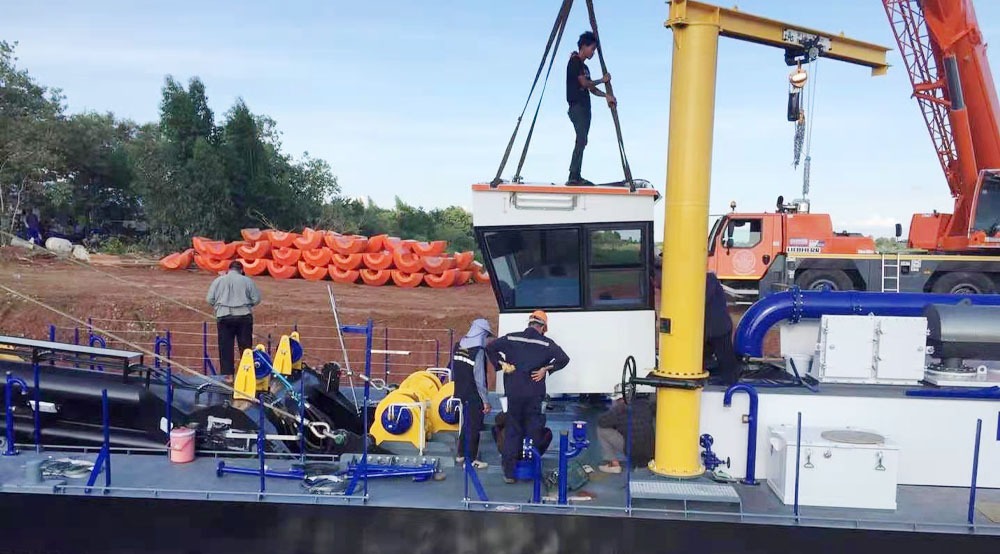
Suitable Industries 3
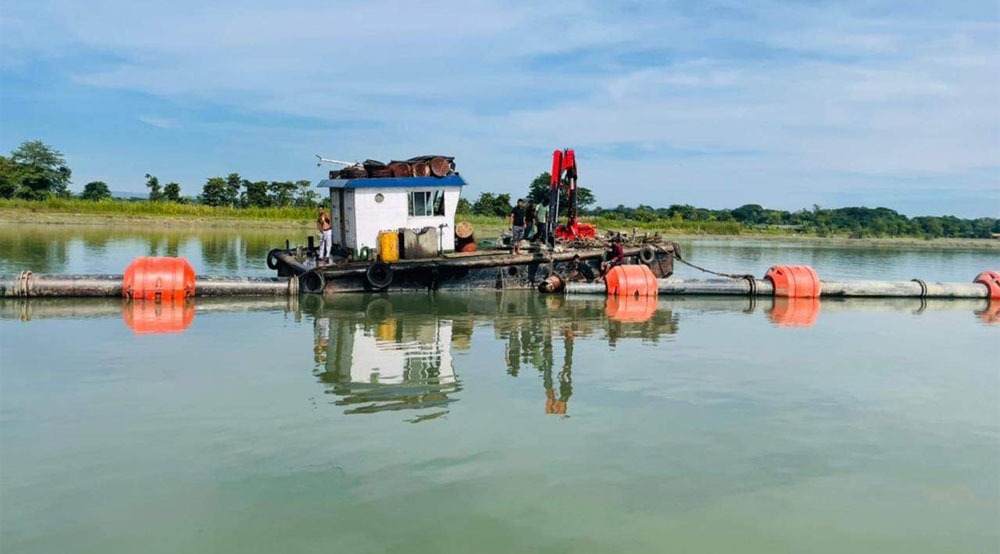
Suitable Industries 4
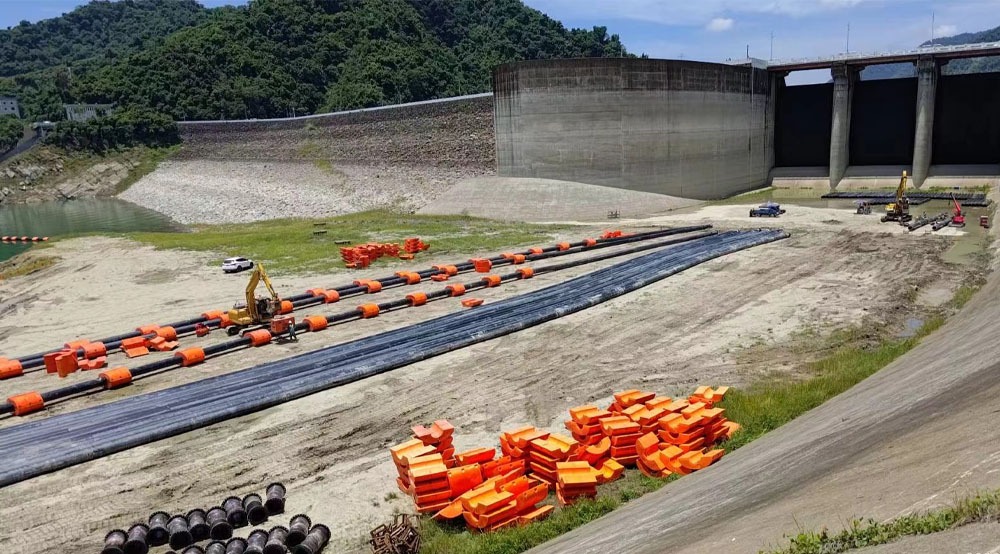
Suitable Industries 5
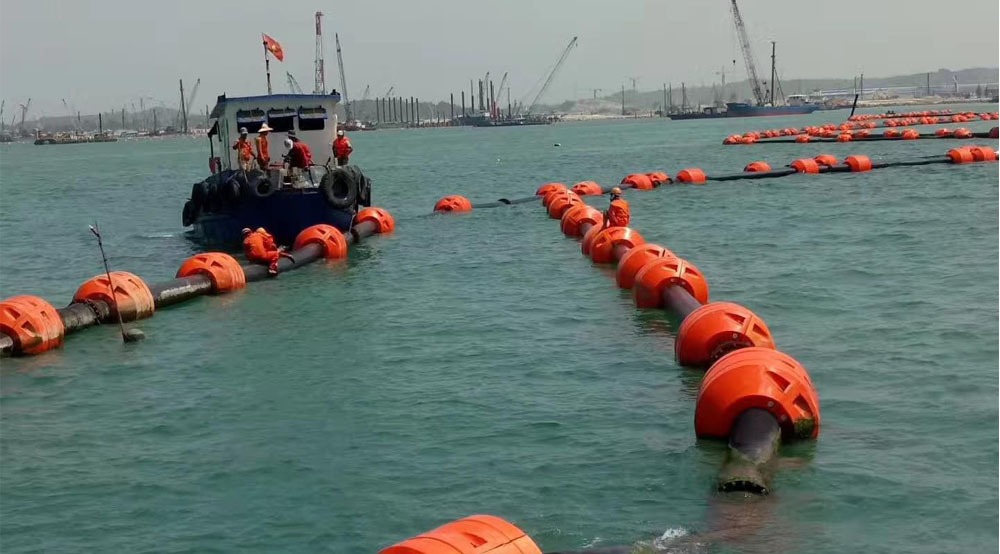
Suitable Industries 6
Qualification Certificate
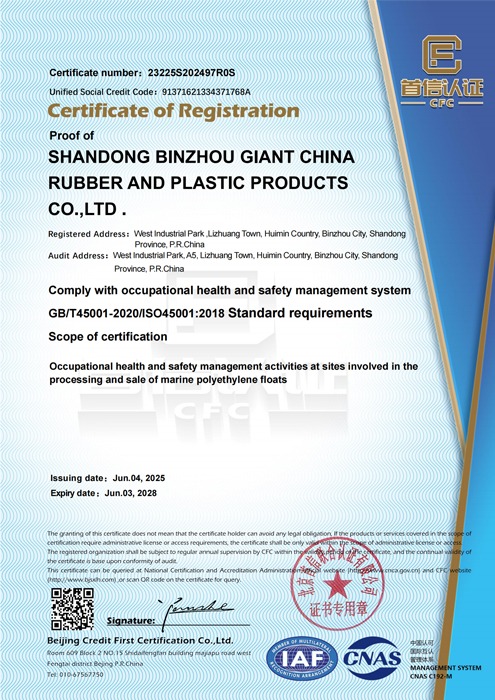
Certificate 1
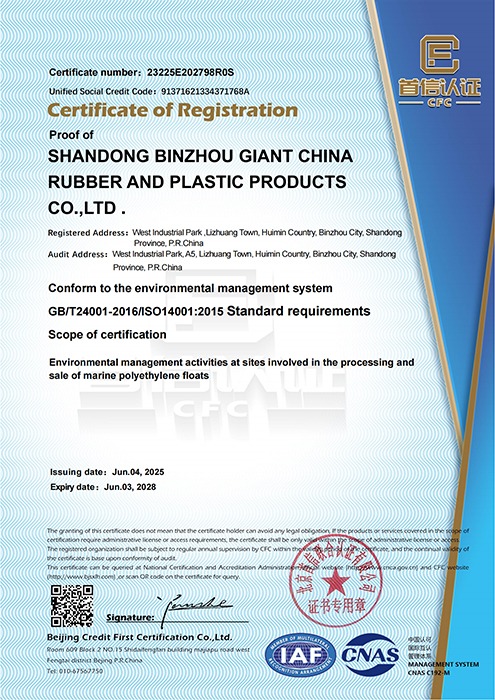
Certificate 2
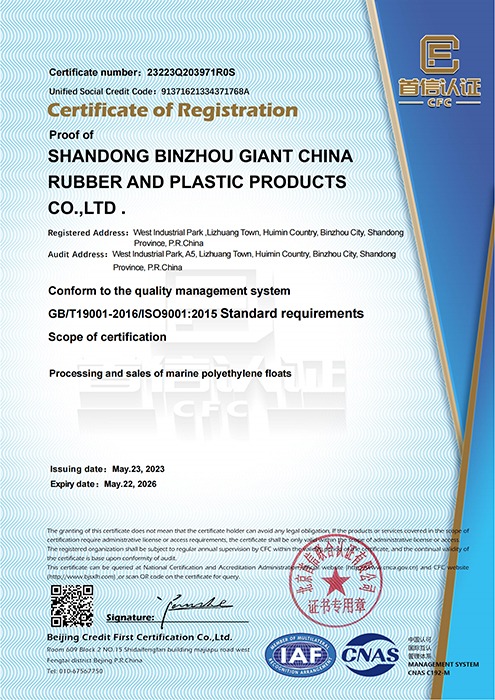
Certificate 3

Custom Design

Quality Assurance

Technical Support

Fast Delivery

Maintenance Guidance

After-Sales Service
Frequently Asked Questions (FAQ)
Only when the buoyancy arrangement has been evaluated for that condition. The pipe's internal contents affect its submerged weight and may change during installation. You should obtain engineering approval for each relevant loading condition.
That depends on the available clearance and the approved installation drawing. You should avoid interfering with weld inspection areas, coating transitions, or other sensitive features. The responsible engineer should confirm the attachment position.
Possibly, but the net flotation and material suitability must be evaluated for the intended environment. Water density affects buoyancy, while the exposure conditions influence material and hardware selection.
Only if the selected configuration is approved for that service duration and operating condition. A module intended for temporary installation support should not automatically be treated as a permanent subsea buoyancy system.
The published reference depth range is 10 to 300 meters. The actual operating depth, hydrostatic pressure qualification, and net buoyancy must be confirmed based on your specific project requirements and technical drawings.
Depending on the installation loads, pipeline outer coating, and interface specifications, you can choose from high-strength steel straps, steel-textile composite bands, or specialized polymer straps.