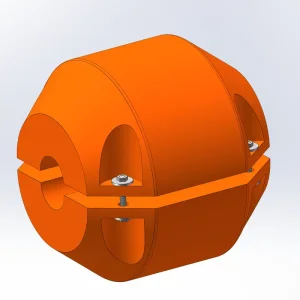
Featured Marine Pipeline & Flotation Assemblies
Direct factory-manufactured floating hoses, pontoon elements, and containment barriers built to resist dynamic cycloidal hydrodynamic fatigues.
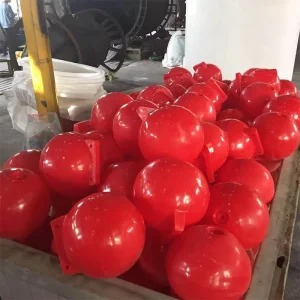
Best PE Float Ball – Durable Buoyancy Solution for Water Projects
Request Specifications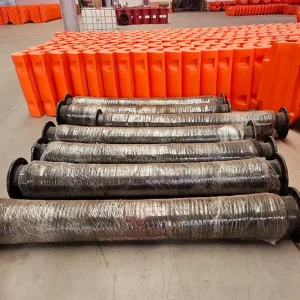
Custom Heavy-Duty Rubber Pipelines for Water & Slurry Transport
Request Specifications
Best Reliable Floating Barrier Solutions for Marine Project Control
Request Specifications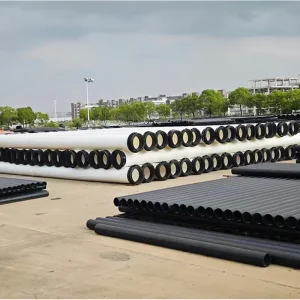
OEM Industrial-Grade Pipeline for Reliable Fluid Transport
Request Specifications
High-Quality Durable Floating Barriers for Water Protection
Request Specifications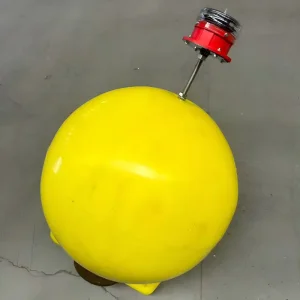
ODM High-Visibility Floating LED Ball for Navigation Safety
Request Specifications
ODM Foam-Filled Mooring Buoy for Marinas & Anchorages
Request Specifications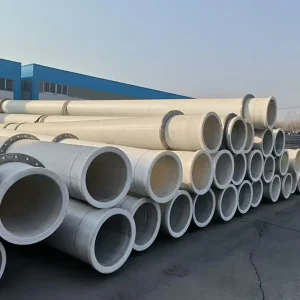
ODM Industrial-Strength Pipeline for Efficient Material Transport
Request SpecificationsGlobal Procurement Demand & Offshore Macro Realities
Navigating surging dynamic-load complexities across Single Point Moorings (SPM), Floating Production Storage and Offloading (FPSO) units, and ultra-high discharge dredging projects.
High Capex vs Downtime Risks
Offshore operators incur catastrophic operational expenditure whenever a terminal transfer line suffers carcass fatigue or delamination. Modern EPC buyers prioritize verified fatigue lifetime testing over low bid prices.
Harsh Cyclic Stress Profiles
Wave-induced bending hysteresis, cyclic tidal surges, and internal fluid hammer necessitate bespoke elastomeric vulcanization profiles with integrated steel reinforcements that maintain concentricity under high sea states.
Compliance Strictures & Auditability
International terminals require rigorous documentation complying with OCIMF GMPHOM 2009 guidelines, DNV-GL marine class validations, and ISO 13628-2 flex-joint specifications to minimize environmental spill liabilities.
Macro Engineering Solutions & Integrated Marine Flotation
Uniting rotational molding precision with high-tenacity synthetic carcass construction to achieve uncompromising hydrodynamic resilience.
High-Density PE Shell Architecture
Engineered through computer-controlled variable-frequency rotational molding. Shells deliver wall-thickness consistency within ±0.3mm tolerances, providing absolute resistance against marine borers, brine erosion, and prolonged UV exposure.
Closed-Cell Polyurethane Infilling
Internal voids are pressure-injected with high-density, closed-cell polyurethane foam. Even if external surfaces sustain catastrophic punctures during rock dredging impacts, the module exhibits zero hydro-absorption and maintains 100% net buoyancy.
Precision Slurry & Hydrocarbon Core
Transfer lines incorporate proprietary synthetic nitriles, polychloroprene covers, and helical steel cord cords. These layers dampen localized wave shearing while counteracting slurry cavitation and harsh hydrocarbon abrasion.
Naval Architecture Rule-of-Thumb: Slurry Flotation Sizing
Standard sizing errors originate from neglecting full slurry internal densities during operational flow states. Reserve buoyancy must always accommodate the dynamic hydraulic gradient and external bio-fouling weight:
Technology Roadmap: Intelligent & Sustainable Marine Hoses
Next-generation sensor integrations, circular rotomolding formulations, and structural digital twins transforming maritime operations.
IoT Optical Strain Sensing
Embedding Fiber Bragg Grating (FBG) optical cables into elastomeric carcass carcasses to monitor localized bending radius excursions, wall thinning, and real-time stress concentrations via cloud telemetry.
Bio-Circular High-Density Polymers
Transitioning rotomolded buoyant shells into cross-linked, ocean-recycled high-density resins featuring nanosilica UV barrier stabilization, boosting structural impact longevity up to 25+ years.
Digital Twin Structural Simulations
Pairing real-time terminal telemetry with ANSYS AQWA hydrodynamic modelling to accurately forecast residual fatigue lifetimes before micro-fissures develop in extreme offshore environments.
Global Compliance, QA Protocols & Field Deployment
Strict qualification benchmarks validated by third-party classification societies (BV, DNV-GL, ABS, CCS) to ensure zero operational failure.
Kerosine & Vacuum Tests
Hydrocarbon lining vulcanization integrity tested under sustained negative vacuum pressure (-0.85 bar) and aromatic kerosene exposure to confirm carcass bonding resilience.
Hydrostatic Proof Sizing
Every production batch undergoes 1.5× to 2.0× design working pressure (RWP) static water pressurization, verifying zero flange displacement or elastomeric delamination.
Drop & Abrasion Impact
Rotomolded shells face pendulum and free-fall impact testing at sub-zero marine temperatures (-20°C) to guarantee structural ductility against rough marine handling.
Global On-Site Deployment
On-site technical support covering proper bolt torquing protocols, hydrodynamic line geometry deployment, and dynamic bend-stiffener alignments across international ports.
Frequently Answered Marine Engineering Questions
Crucial engineering, sizing, and lifecycle inquiries handled directly by certified flotation and fluid-dynamics specialists.
What are pipeline floats, and how do they function on active discharge lines?
How do engineers calculate exact float unit quantities for a specified dredge run?
Why is rotomolded polyethylene selected over welded steel buoyancy tanks in offshore use?
What is the standard factory warranty and operational lifespan expectations?
What technical specifications are required for custom marine hose and float engineering?
Can custom buoyancy geometries, tie-in segments, and cable troughs be accommodated?
Expanded Waterway, Pontoon & Flotation Catalog
Precision-engineered offshore, dredging, and navigation structures manufactured to rigorous global standards.
ODM Floating Barriers for Environmental Management
Request Specifications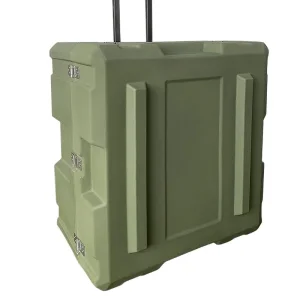
ODM Heavy-Duty Rotomolded Military Storage Container
Request Specifications
ODM Pipe Floats for Floating Pipelines & Support Systems
Request Specifications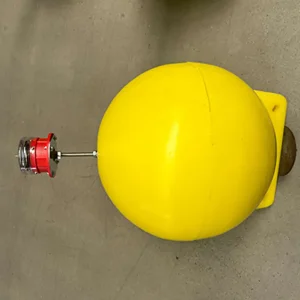
ODM Floating Ball with LED Light – Marine Navigation
Request Specifications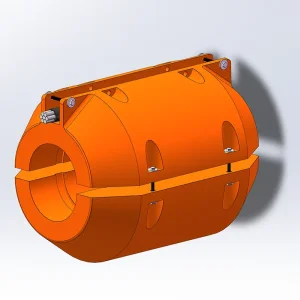
OEM Cable-Supporting Pipe Floats for Marine Projects
Request Specifications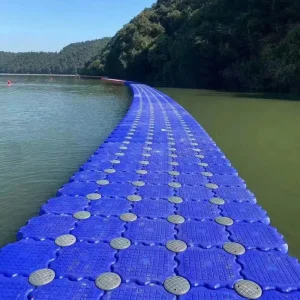
OEM Advanced Floating Pontoon for Water Platforms
Request Specifications
Custom High-Performance Buoys for Waterway Safety
Request Specifications