
High-Integrity Flotation Modules & Pipeline Assemblies
Explore our foundational rotomolded buoyant hulls, high-density polyethylene pipeline floats, mooring infrastructure, and fluid containment systems engineered for continuous open-water duty.




Precision Rotational Molding: The Engineering Core of HDPE Dock Floats
Marine flotation modules represent the safety-critical interface between heavy infrastructure and dynamic marine hydromechanics. As floating docks, industrial pump platforms, and offshore pipelines encounter non-linear cyclic loading, wave slapping, tidal friction, and aggressive ultraviolet degradation, the selection of raw polymers and manufacturing tolerances dictates operational longevity. At Shandong Binzhou Juhua Rubber & Plastic Co., Ltd. (known globally as Juhua / Giant Rubber), our engineering division develops heavy-duty rotational molded High-Density Polyethylene (HDPE) dock floats and dredge pipe collars that fundamentally eliminate catastrophic puncture, water absorption, and localized stress cracks.
Factory Process Principle: Our automated rotational molding cells utilize electronic automatic temperature monitoring alongside variable-frequency speed controls. This ensures isotropic resin flow during bi-axial rotation, resulting in uniform wall thickness across corners and deep attachment flanges — avoiding the thin corners typical of low-tier rotomolders.
Polyethylene is inherently immune to saltwater oxidation, galvanic electrolysis, and chemical acid erosion. Unlike welded steel pontoon drums that rust or expanded polystyrene (EPS) logs that crumble and release microplastics, rotomolded HDPE hulls form a seamless, monolithic protective barrier. To deliver unconditional structural integrity, our dock floats feature an outer shell wall thickness ranging from 6.0 mm to 12.0 mm of pure virgin PE100 / MDPE resin compounded with UV-8 to UV-15 hindered amine light stabilizers (HALS). Internally, modules can be steam-injected with high-density, closed-cell Expanded Polystyrene (EPS) or hydrophobic Polyurethane (PU) foam with zero void spaces, ensuring that even under severe puncture or dynamic impact, net buoyancy retention remains higher than 98%.
By enforcing strict dimensional calibration across all mold assemblies in Lizhuang Town, Binzhou City, replacement floats exhibit identical bolting geometries. This interchangeability allows harbor directors and EPC contractors to retrofit existing slips or extend dredging pipelines without altering pre-drilled structural walers or deck channel stringers.
Commercial Pricing Matrix & Dimensional Specifications
Direct factory-gate pricing structure for marine contractors, port procurement officers, and engineering procurement contractors (EPCs). All prices reflect FOB Qingdao / Tianjin port shipping indices for full container load (FCL) orders.
| Model Code | Dimensions (L × W × H) (mm) | Wall Thickness | Displacement / Net Buoyancy | Tare Weight | Standard Core | Unit Price (USD / FOB) |
|---|---|---|---|---|---|---|
| JDF-6090-30 | 600 × 900 × 300 mm | 6.0 mm ± 0.5 | 145 kg (320 lbs) | 11.5 kg | EPS Foam (18kg/m³) | $42.00 – $48.50 |
| JDF-6012-40 | 600 × 1200 × 400 mm | 6.5 mm ± 0.5 | 265 kg (584 lbs) | 16.8 kg | EPS Foam (18kg/m³) | $62.00 – $71.00 |
| JDF-9012-45 | 900 × 1200 × 450 mm | 7.0 mm ± 0.5 | 445 kg (980 lbs) | 24.2 kg | EPS Foam (20kg/m³) | $89.00 – $102.00 |
| JDF-1015-50 | 1000 × 1500 × 500 mm | 8.0 mm ± 0.8 | 690 kg (1,520 lbs) | 38.0 kg | EPS Foam (20kg/m³) | $135.00 – $155.00 |
| JDF-1224-55 (Heavy Duty) | 1200 × 2400 × 550 mm | 9.5 mm ± 0.8 | 1,420 kg (3,130 lbs) | 72.5 kg | EPS Core + PU Reinforced | $265.00 – $295.00 |
| JPF-Series (Pipe Float Halves) | OD 200 mm – 1200 mm Match | 6.0 – 12.0 mm | Matched to Slurry Specific Gravity | Modular | Closed-Cell High Dens PE | $38.00 – $480.00 / Pair |
B2B Pricing Variables & Cost Engineering: Wholesale marine flotation procurement costs depend primarily on three core dynamics: (1) Global polymer feedstock benchmarks (ICIS/Platts index for virgin rotomolding grade polyethylene), (2) Structural wall thickness calibration tailored to local wave shear energies, and (3) Foam filling chemistry (standard moisture-resistant EPS vs. high-density hydrophobic rigid Polyurethane foam engineered for subsea tie-ins). For volume fleet procurements exceeding two 40ft High Cube (40'HC) containers, Juhua offers graduated sliding-scale discounts, private mold labeling, and custom color formulations (Safety Marine Orange, High-Visibility Channel Yellow, Maritime White, and UV-absorbing Black).
Macro Dynamics & The Global Shift to Rotomolded Polymers
Analysis of maritime civil engineering infrastructure reveals a decisive global transition toward engineered thermoplastics over legacy metal drums, timber cribbing, and exposed EPS billets.
North American Clean Marinas
Stringent US Army Corps of Engineers (USACE) and Clean Water Act standards strictly ban unencapsulated polystyrene billets due to microplastic shedding and fuel contamination. Heavy-duty molded HDPE shells provide total environmental encapsulation, resisting gasoline, petroleum bilge films, and low-frequency hull contact impact without releasing hazardous particles into coastal estuaries.
European High-Energy Estuaries
European port authorities under EN ISO 12217 guidelines enforce rigorous static stability and dynamic wave slap ratings. Atlantic and Baltic installations require flotation modules that endure heavy winter freeze-thaw cycles without brittle micro-fractures, maintaining structural elasticity at temperatures sub -30°C where standard brittle plastics fail catastrophically.
Middle East & Equatorial Heat Indices
In high-salinity, high-UV environments such as the Arabian Gulf and Southeast Asia, excessive solar irradiation rapidly degrades non-stabilized polymers. Juhua's specialized rotational molding compounds integrate high-potency Carbon Black and specialized UV inhibitors that ensure 20+ years of uninterrupted exposure without hull chalking, embrittlement, or thermal slump.
Localized Civil & Offshore Operational Demands
Flotation performance is dictated by real-world field dynamics. How our HDPE dock floats and pipe modules withstand specific hydrological stress profiles across worldwide deployments.
Commercial Marinas & Berths
Engineered for high pedestrian payloads, wave surges, and vertical tidal fluctuations. Integrated peripheral bolt flanges enable rapid through-bolting to heavy timber, hot-dip galvanized steel, or aluminum architectural deck frames with uniform waterlines.
Dredge Tailings & Mining Slurry
Two interlocking semi-cylindrical float halves clamp securely over discharge steel or HDPE pipelines. Built to maintain buoyancy under extreme specific gravities of high-density sediment (1.3 to 1.8 kg/L) without submerging the pipeline below critical freeboard.
Floating Solar (FPV) & Pump Platforms
Serving as high-stability buoyancy pontoons for mega-watt scale floating photovoltaic arrays and heavy municipal water intake pumps. Non-conductive, self-extinguishing polymer properties safeguard high-voltage electrical arrays from grounding faults.
Aquaculture & Coastal Harvesters
Biofouling-resistant surface chemistry prevents aggressive marine barnacle and macroalgae mechanical penetration. Smooth outer walls allow fast pressure washing during routine off-season maintenance without scarring the protective skin.
Buoyancy & Freeboard Safety Calculation Formulation
A fatal engineering error in pipeline and marina design is sizing buoyancy against empty dry weight. Flotation calculations must be calculated for dynamic operating loads, slurry densities, ballast weight, and reserve freeboard for breaking wave actions:
- Working Waterline Baseline: Target approximately 25% to 30% of total float height or pipe outer diameter consistently above the waterline under maximum load.
- Medium Specific Gravity Check: For dredging lines, replace water density (1.0 g/cm³) with slurry core density (often 1.35 to 1.60 g/cm³ for sand-gravel mixes).
- Torque & Spacing: Ensure pipeline float clamp bolts are tightened with anti-loosening nylon locking fasteners and inspected under full vibration at initial pump commission.
Next-Generation Marine Flotation: Smart Telemetry & Circular Polymers
The flotation sector is undergoing a profound technological transformation driven by marine digitization, remote autonomous asset tracking, and strict cradle-to-cradle environmental mandates. The future of marine floats extends beyond passive buoyancy toward active telemetry nodes within ocean data grids.
1. Embedded IoT Micro-Sensors & Buoyancy Telemetry
Juhua's advanced R&D team is piloting rotomolded hulls featuring internally molded sub-surface sensor bays. Equipped with low-power NB-IoT and LoRaWAN transceivers, next-generation dock floats will measure internal humidity, core temperature, dynamic wave-shock amplitude, and localized hydrostatic ballast levels. Harbor operators will view real-time fleet health metrics on centralized SCADA dashboards, predicting localized water ingress before structural deck tilting occurs.
2. Co-Extruded Multi-Layer Polymers & Ocean Recycled PCR
Addressing global maritime decarbonization, our engineering roadmap features multi-layer rotational molding processes. This architecture sandwiches up to 40% certified post-consumer recycled (PCR) marine plastic polymers between an impervious virgin outer shell and a chemical-resistant inner liner. This eliminates environmental microplastic leakage while reducing the embodied carbon footprint of port civil works by up to 32%.
3. Biomimetic Non-Biocidal Anti-Fouling Micro-Texturing
Traditional toxic copper antifouling coatings leach heavy metals into sensitive marine nurseries. Juhua's future mold textures leverage biomimetic micro-riblet patterns modeled after shark skin denticles. By mechanically inhibiting barnacle cyprid and bryozoan larvae adhesion, dock floats retain clean, hydrodynamic hulls naturally without releasing hazardous chemical biocides.
Why Binzhou, Shandong Is the Global Nexus of Marine Plastics
Procuring directly from our high-throughput rotomolding foundries delivers significant structural cost benefits, scale velocity, and logistics resilience compared to fragmented regional producers.
Upstream Chemical Integration
Situated in Shandong Province—the heart of China's polymer refining and petrochemical engineering industry—Juhua enjoys direct pipeline-grade access to premium virgin polyethylene resins (Sinopec / PetroChina). This insulating vertical integration shields our international project partners from extreme global commodity price spikes and resin allocation shortages.
In-House Tooling & Mold Machining
Unlike competitors who outsource cast aluminum mold tooling, our 10,000 m² facility features in-house multi-axis CNC mold engraving and steel fabrication suites. We take complex, custom OEM dock float drawings from 3D CAD visualization to dynamic hydro-testing within 14 working days, slashing non-recurring engineering (NRE) costs by over 60%.
Container Packing Optimization (CBM)
Air-freighting or inefficiently containerizing voluminous marine hollow bodies can easily inflate landed costs. Our dock float series feature precision-engineered nesting shoulders and stacking registers. This design optimization increases 40ft High Cube container volumetric utilization by 35–42%, saving thousands of dollars per freight consignment.
Quality Assurance Protocols & Standard Manufacturer Warranty
International infrastructure investments demand absolute accountability. Every manufacturing run at Juhua undergoes exhaustive mechanical validation before dispatch to port facilities.
Non-Destructive Ultrasonic Thickness Mapping
Technicians employ handheld digital ultrasonic transducers to inspect wall thickness across 16 critical radii and stress concentration coordinates per hull to verify adherence to ±0.5 mm engineering tolerances.
Hydrostatic Submersion Pressure Testing
Sample units are submerged in pressurized testing chambers equivalent to 10 meters of hydro-head pressure to guarantee hermetic joint sealing and EPS steam-fusion homogeneity.
Standard Commercial Warranty Terms
Our comprehensive factory warranty begins on the date the buyer officially hands over the commissioning project to the end-investor and terminates 18 months after that handover date or 12 months following initial on-water installation, whichever comes first. This warranty guarantees replacement or repair against manufacturing hull micro-fractures, delamination, and excessive UV photo-oxidation.
Frequently Asked Questions on HDPE Dock Floats & Buoys
Comprehensive technical answers compiled by Juhua's chief marine engineers to accelerate engineering specification and procurement workflows.
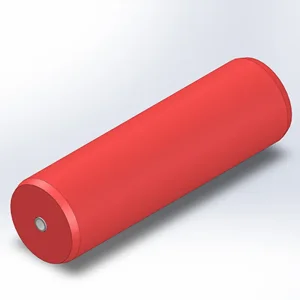
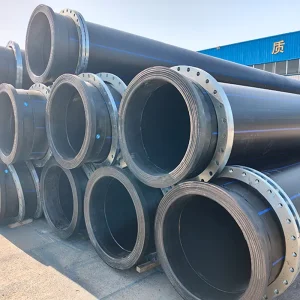
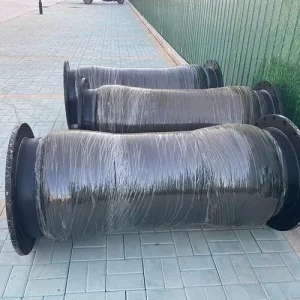
High-Performance Marine Buoys, Heavy Barriers & Piping
Complete the procurement package with our internationally deployed navigation channel buoys, heavy-duty debris boom barriers, engineered pipelines, and heavy dredge rubber transport hoses.



Consult Directly with Factory Flotation Engineers
No call-center intermediaries. Your civil project specifications and CAD layouts are directly calculated and quoted by certified marine plastics specialists within 24 hours.
Direct Engineering Hotline
Instant direct voice line for urgent project technical inquiries and sizing confirmation.
+86-158-6665-7686Engineering CAD & RFQ
Submit tender specifications, drawing packages, and container logistics requests.
[email protected]Manufacturing Foundry
Direct visits and factory line inspections in Shandong's primary marine hub.
Lizhuang Town, Huimin County, Binzhou, Shandong, China