
Enterprise Dredge Floats & Marine Infrastructure Catalog
Explore our factory-direct, rotationally molded polyethylene buoyancy solutions engineered for extreme dredging loads, high-velocity currents, and harsh chemical slurries.
-
 Heavy-Duty PlatformView Engineering Details
High-Quality Versatile Floating Boat Pontoon for Water Projects
-
 Debris & SecurityRequest Factory Quote
Reliable Floating Barrier Solutions for Marine Protection & Control
-
Custom ModularDownload Pricelist
Custom Innovative Floating Boat Pontoon for Versatile Water Platforms
-
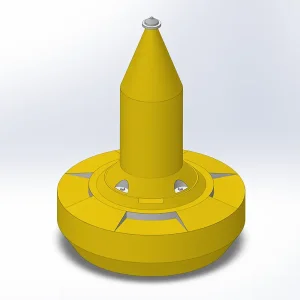 Offshore NavigationView Factory Catalog
Floating Buoys for Coastal Navigation & Offshore Projects
-
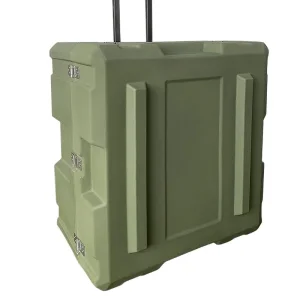 High ImpactExplore Specifications
Heavy-Duty Rotomolded Military Airdrop Storage Container
-
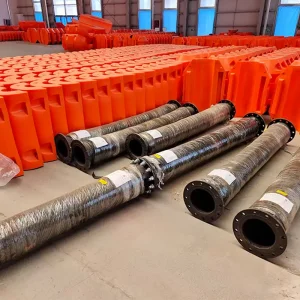 Slurry TransferRequest Quotation
Custom Heavy-Duty Rubber Hose for Marine & Slurry Transport
-
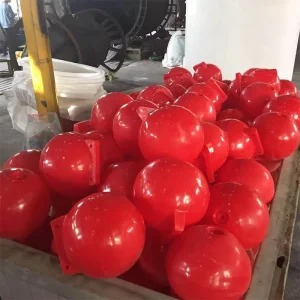 Water OperationCheck Volume Pricing
Durable PE Float Ball for Water Operations & Net Support
-
Environmental BarrierView System Pricelist
High-Quality Durable Floating Barriers for Water Protection
The Architecture of Marine Flotation: Neptune Floats Engineering
A rigorous examination of material polymers, stress distribution mechanics, hydrostatic displacement requirements, and enterprise lifecycle durability in heavy dredging environments.
Polymer Science & Rotomolding
Traditional dredging pipelines rely on structural integrity under dynamic sea states. Neptune floats are manufactured using heavy-duty, rotational moulding processes with UV8 to UV20 stabilized Linear Low-Density Polyethylene (LLDPE) and High-Density Polyethylene (HDPE).
- Uniform wall thicknesses ranging from 6mm to 18mm
- Zero internal seam residual stress for zero cracking
- ASTM D1693 environmental stress crack resistance (ESCR) >1000 hrs
- Impervious to saltwater encrustation, crude diesel, and acids
Hydrophobic Closed-Cell Foam Core
Even if an outer polyethylene shell suffers catastrophic impact from maritime vessels or rocky shores, internal closed-cell polyurethane (PU) foam ensures absolute unsinkability.
- Injected core density maintained at 35–45 kg/m³
- Water absorption coefficient < 0.15 kg/m² after prolonged submersion
- Maintains 98% buoyant displacement even if hull is breached
- Compressive strength > 0.20 MPa prevents hydrostatic foam collapse
Dynamic Clamping & Anti-Slip Ribs
Pipeline movement caused by swell velocity and trailing suction dredger pulses can lead to axial slippage. Neptune collars incorporate precision molded internal engagement ridges.
- Custom inner diameters paired to Steel, HDPE, and Rubber hoses
- Integrated locating channels for non-slip cable and power troughs
- High-tensile Grade 8.8 hot-dip galvanized or SS316 fasteners
- Shock-absorbing elastomer ring cushions for flexible joints
Enterprise Dredge Buoyancy Reserve Engineering
Underestimating slurry density is the single greatest cause of floating discharge pipeline failure. An engineering safety margin between 1.25x and 1.35x total operating weight is essential to prevent underwater sagging and pipe fatigue under heavy slurry cycles.
Neptune Floats Dimensional Specs & Indicative Pricelist
Comprehensive standard configuration pricing benchmarks. Final pricing varies based on raw material resin indexes, PU foam core density, hardware specification (Galvanized vs. Stainless 316), and export freight packing.
| Nominal Pipe OD | Float OD × Length (mm) | Net Buoyancy (kg) | Shell Thickness (mm) | Core Type | Est. Price (USD/Pair) |
|---|---|---|---|---|---|
| Φ 110 mm - 160 mm | 500 × 800 mm | 110 - 145 kg | 6.0 - 7.5 mm | Closed-Cell EPS / PU | $55.00 – $85.00 |
| Φ 200 mm - 250 mm | 650 × 1100 mm | 260 - 320 kg | 7.0 - 8.5 mm | Closed-Cell PU 38kg/m³ | $110.00 – $165.00 |
| Φ 315 mm - 355 mm | 850 × 1200 mm | 480 - 580 kg | 8.0 - 10.0 mm | Closed-Cell PU 40kg/m³ | $195.00 – $270.00 |
| Φ 400 mm - 450 mm | 1100 × 1300 mm | 850 - 1050 kg | 9.0 - 11.5 mm | Closed-Cell PU 40kg/m³ | $330.00 – $440.00 |
| Φ 500 mm - 560 mm | 1300 × 1500 mm | 1450 - 1750 kg | 10.0 - 13.0 mm | Closed-Cell PU 42kg/m³ | $520.00 – $690.00 |
| Φ 630 mm - 710 mm | 1500 × 1800 mm | 2300 - 2800 kg | 12.0 - 15.0 mm | High-Density Rigid PU | $850.00 – $1,150.00 |
| Φ 800 mm - 900 mm | 1800 × 2200 mm | 3800 - 4600 kg | 14.0 - 17.0 mm | Heavy Offshore Core | $1,450.00 – $1,980.00 |
| Φ 1000 mm - 1200 mm | 2200 × 2600 mm | 6500 - 8200 kg | 16.0 - 20.0 mm | Armored Subsea Core | Custom Project RFQ |
Volume Procurement Tiers
For large-scale EPC infrastructure projects and coastal dredging contractors requiring 200+ pairs per batch, volume tiered discounts ranging from 12% to 28% apply. Dedicated steel molds can be machined within 14 business days.
Interchangeability & Fitment
Every float shell conforms to unified computerized CNC rotational tooling specifications. Our standardized two-half clamp designs guarantee 100% interchangeability with existing global dredge pipeline inventories.
Warranty & Compliance
All products include our comprehensive handover warranty: 18 months from date of shipment or 12 months from on-water commissioning. Includes full raw material 3.1 mill test certificates and buoyancy inspection logs.
Turnkey Marine & Industrial Solutions
From cutter suction discharge lines in dynamic harbors to inland mining tailings and deep-water ocean navigation, Neptune Floats ensure steady waterborne support.
Harbor & Capital Dredging
High-discharge sand pumping pipelines in busy port channels require maximum visibility and hydrodynamic drag minimization. Neptune floats feature high-visibility signal orange/yellow shells with optional retro-reflective bands and solar marker light housings to ensure maritime safe transit.
Mining Slurry & Tailings Relocation
Abrasive mineral extraction ponds (gold, iron ore, copper tailings) carry slurries with specific gravities often exceeding 1.35 to 1.60 g/cm³. Specialized high-displacement buoyancy modules prevent underwater line dip and avoid localized abrasive scouring inside the HDPE or steel conduit.
Subsea Power Cabling & Umbilicals
Offshore wind farms and marine subsea tie-ins utilize customized Neptune cable floats fitted with low-friction elastomer liners. They ensure controlled cable bends, prevent micro-bending signal loss in fiber optic cores, and provide wave-damping suspension.
Reservoir Intake & Silt Containment
Municipal water reservoirs and hydroelectric dam intakes face floating debris and silt intrusion. Linked modular floating barriers coupled with pipeline float modules create automated diversion barriers that resist severe storms, debris impacts, and high hydraulic currents.
R&D Roadmap & Next-Gen Flotation Technology
Developing smarter, sensor-integrated, and bio-circular marine polymer architectures to serve global offshore energy and sustainable dredging ecosystems.
Smart IoT Buoyancy Telemetry
Embedding low-power LoRaWAN and satellite transponders inside buoyancy collars to monitor real-time freeboard elevation, vibration spikes, and localized pipe sinking before pipeline rupture occurs.
Bio-Circular Ocean Polymers
Transitioning toward ISCC-certified mass-balanced marine polyethylenes made from recycled maritime ropes and post-industrial resin, maintaining 100% ASTM tensile and UV resistance specs.
Hydrodynamic Low-Drag Profiles
Computational Fluid Dynamics (CFD)-optimized teardrop hull designs that reduce current-induced transverse drag by up to 28% in tidal river mouths and open ocean passes.
Localized Testing & Warehousing
Establishing localized distribution and rapid-response spare parts staging hubs across Southeast Asia, the Middle East, South America, and West Africa for 48-hour contractor delivery.
Offshore Mooring, Specialized Buoys & Pipelines
Direct supply of precision rotomolded mooring buoys, cable-trough pipeline floats, heavy-duty dredging discharge conduits, and heavy marina floats.
-
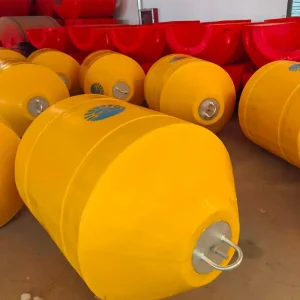 Foam-Filled BuoyView Manufacturing Specs
Foam-Filled Mooring Buoy for Marinas, Anchorages & Offshore
-
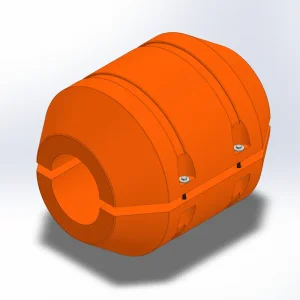 Dredge Pipe CollarRequest Factory Pricing
High-Quality Pipe Floats for Pipeline Support & Water Transfer
-
Pontoon PlatformGet Platform Drawing
Robust Floating Boat Pontoon for Water Construction Platforms
-
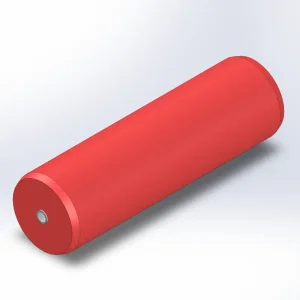 Heavy ProtectionCheck Barrier Inventory
Reliable Floating Barriers for Marine & Industrial Protection
-
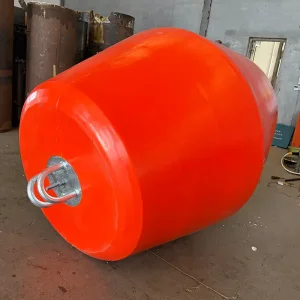 Aquaculture GridDownload Buoy Pricelist
Mooring Buoy for Aquaculture Grids & Floating Marine Platforms
-
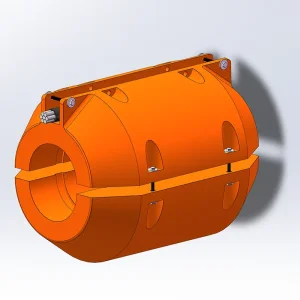 Cable TroughsCustom OEM Blueprint
Advanced Cable-Supporting Pipe Floats for Subsea Cabling
-
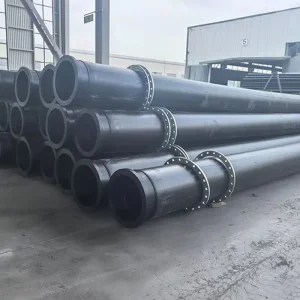 HDPE DischargeView Pipeline Specs
Heavy-Duty Dredging Pipeline for Safe Slurry Transport
-
 Anchor BerthRequest Technical Proposal
Mooring Buoy for Marina Berths & Offshore Anchorage Systems
Enterprise Dredge Flotation FAQ
Comprehensive technical guidance directly addressing hydrostatic sizing, material standards, dynamic currents, and procurement lifecycle questions.