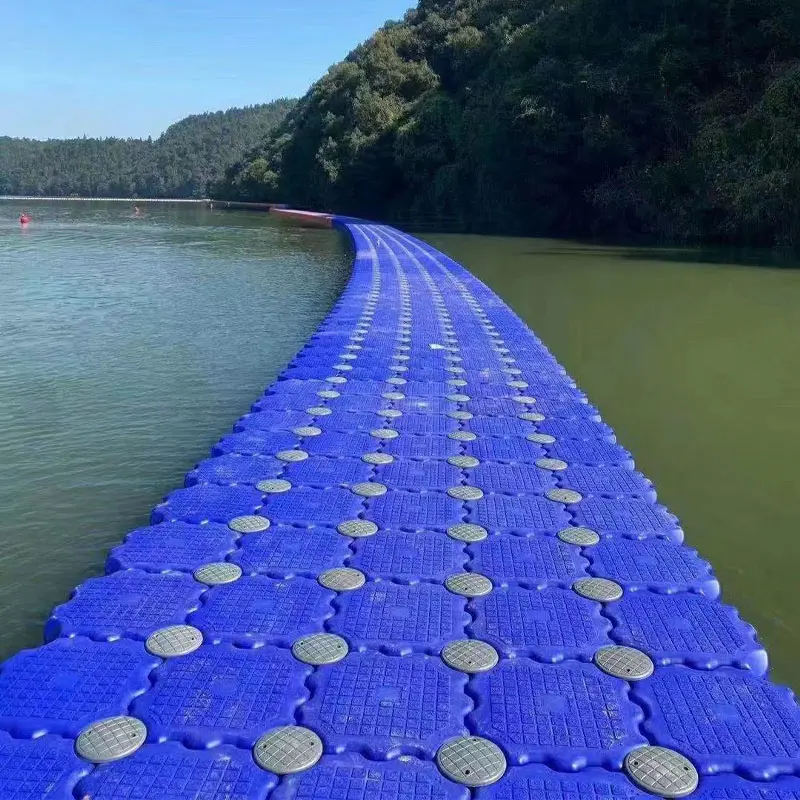
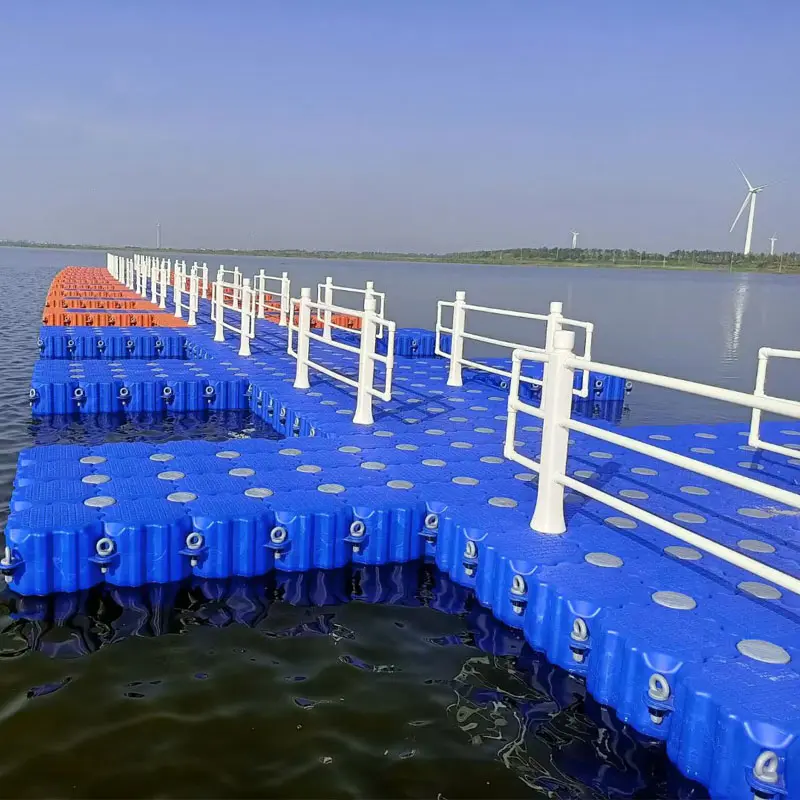
High-Quality Robust Floating Boat Pontoon for Safe and Flexible Water Platforms Product, Factories
Product Description
Contact Us
We are committed to providing you with the best quality service and look forward to communicating with you to solve problems together and bring you a better experience.
-
 Phone:
+86-158-6665-7686
- WhatsApp: +86-158-6665-7686
-
 E-mail:
[email protected]




Why Choose Giant Rubber?
Over 15 Years Experience
More than 15 years in flotation manufacturing, trusted by marine and water projects worldwide.
Strict Quality Assurance
Every product passes rigorous testing to ensure strength, durability, and UV resistance.
Customized Engineering Solutions
Tailor-made flotation systems for dredging, aquaculture, navigation, and environmental projects.
Fast Global Delivery
Efficient logistics and direct factory supply guarantee on-time worldwide delivery.
Continuous Innovation in Design
Advanced R&D ensures modern, reliable, and eco-friendly flotation products.
Dedicated Customer Support
Professional service from project design to after-sales, ensuring worry-free cooperation.
Product Features
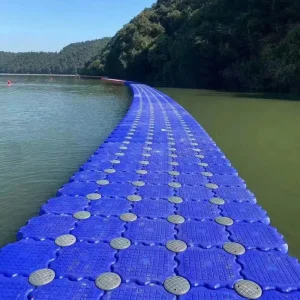
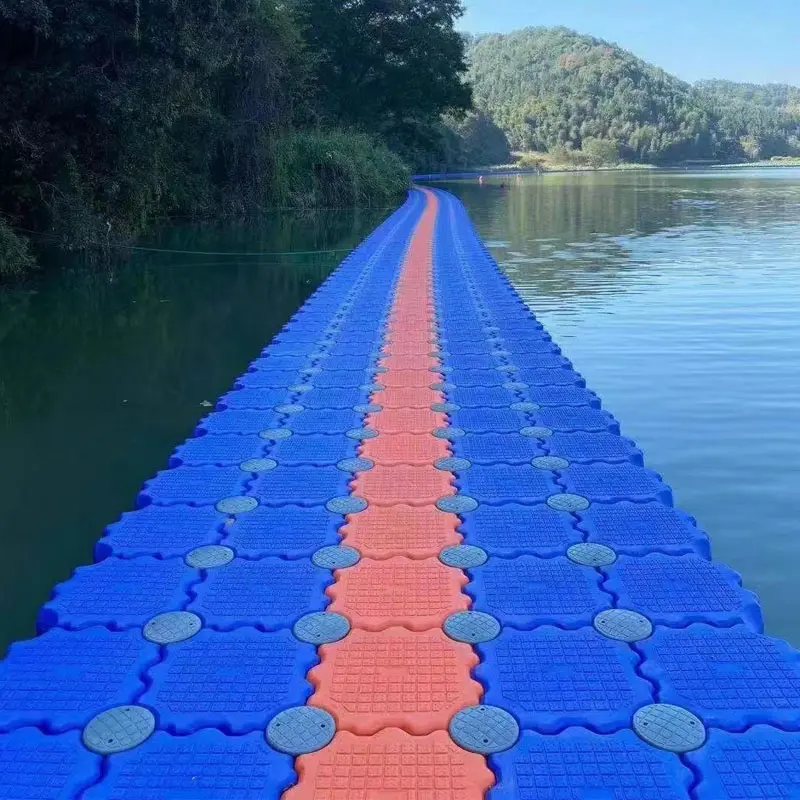
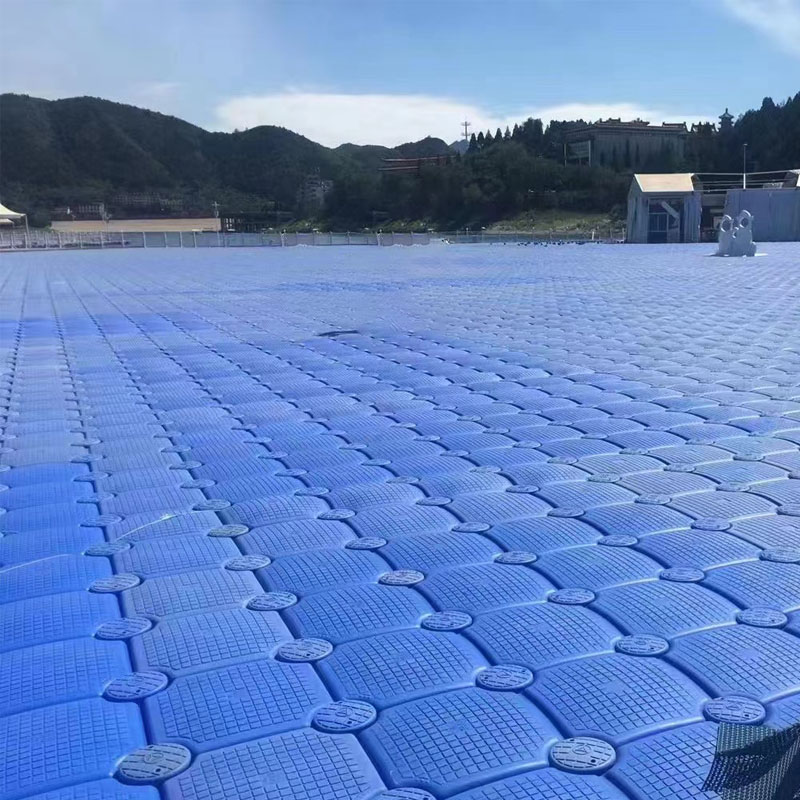
Durable and Eco-Friendly Materials: UV-resistant, corrosion-proof, and recyclable materials ensure long-lasting use in freshwater and seawater environments.
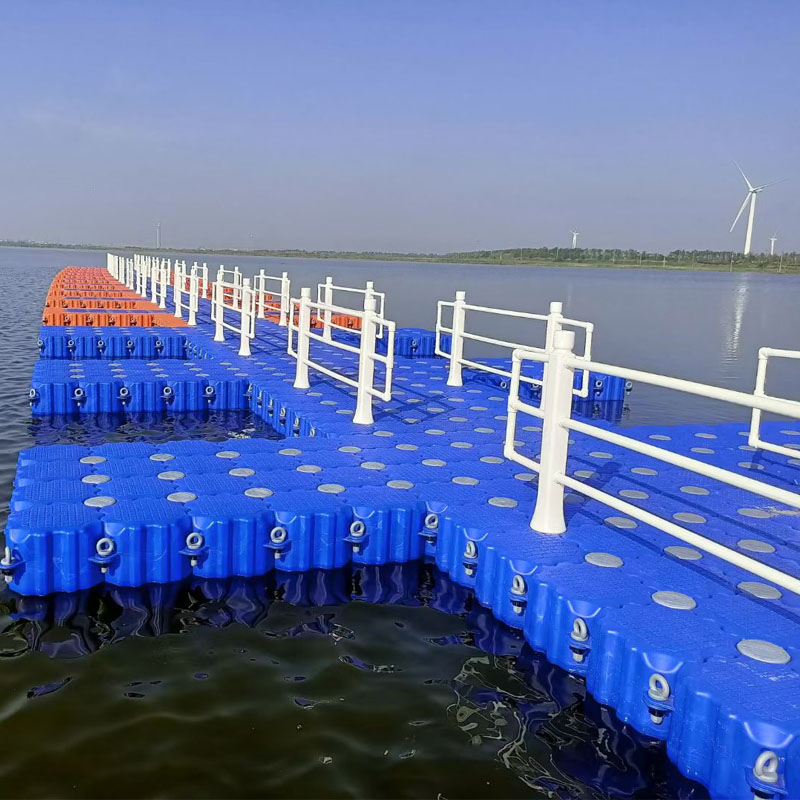
Reliable Buoyancy: Delivers consistent support for vessels, floating platforms, and recreational water structures.
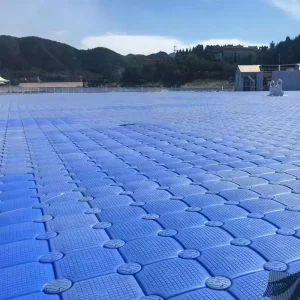
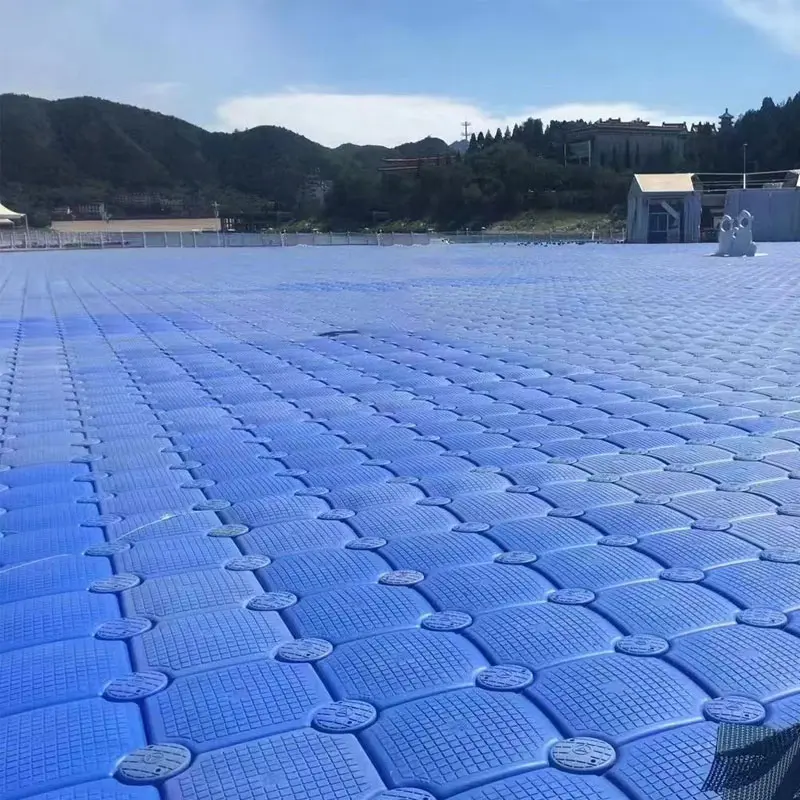
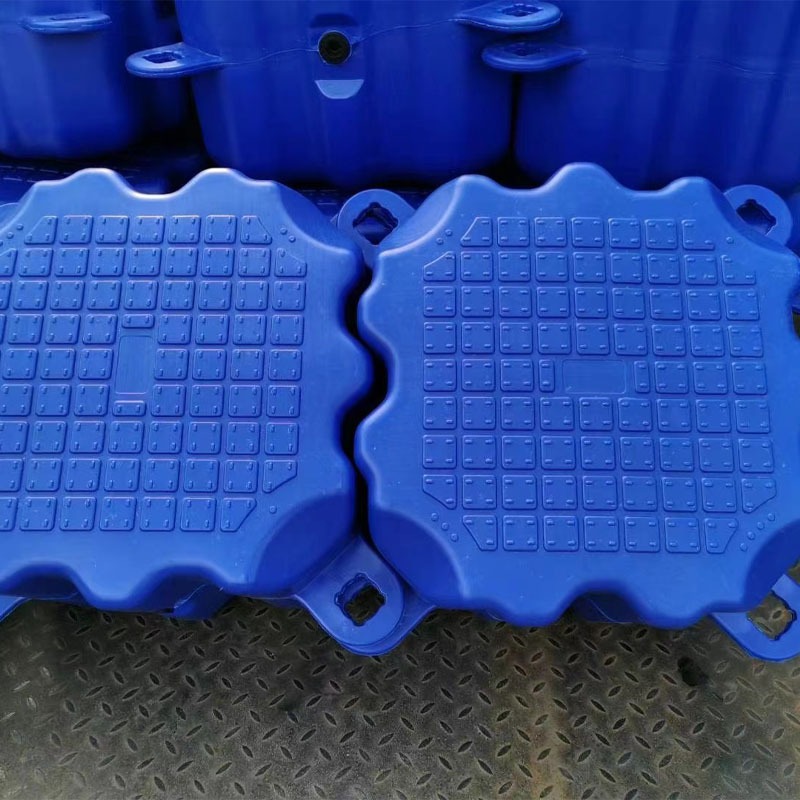
Safe Anti-Slip Surface: Textured surface prevents slips, offering a secure walking area on water platforms.
Efficient Installation & Maintenance: Quick assembly process and low-maintenance design reduce operational costs.
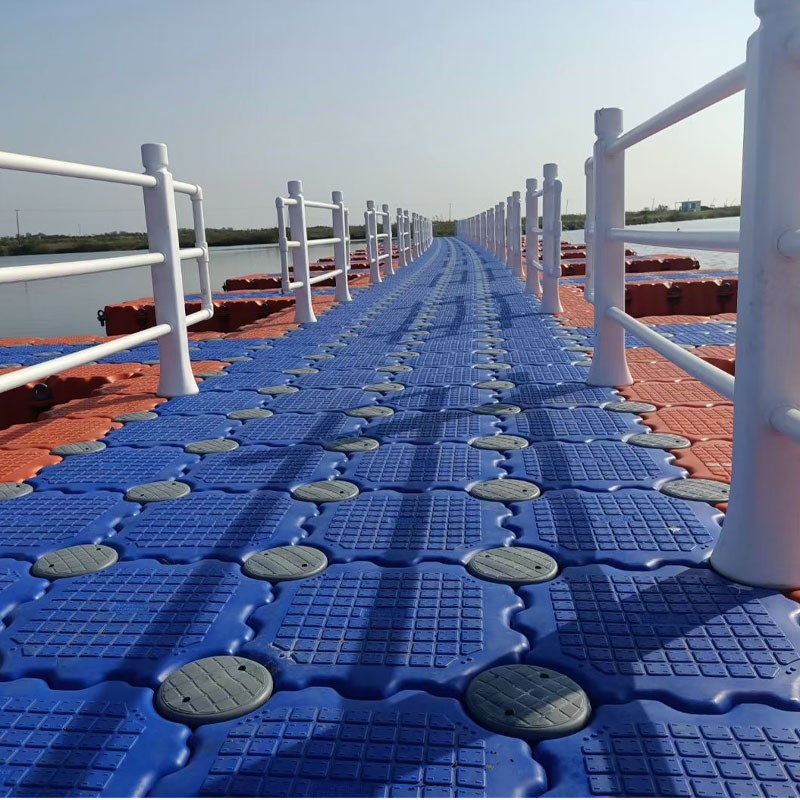
Productdetail1
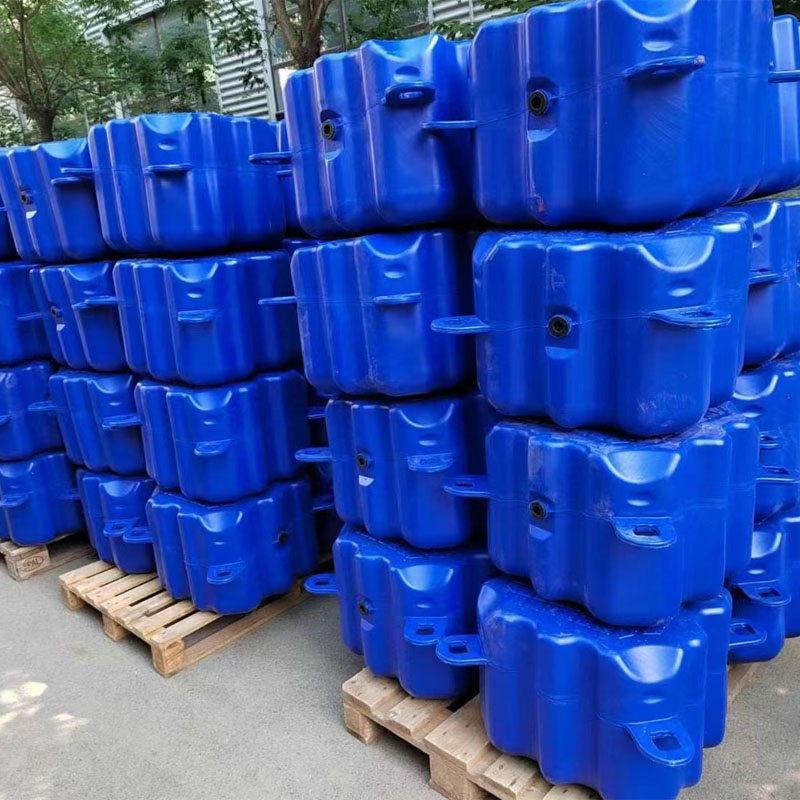
Productdetail2
Productdetail13
Productdetail3
Productdetail14
Productdetail5
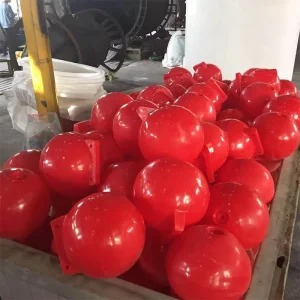
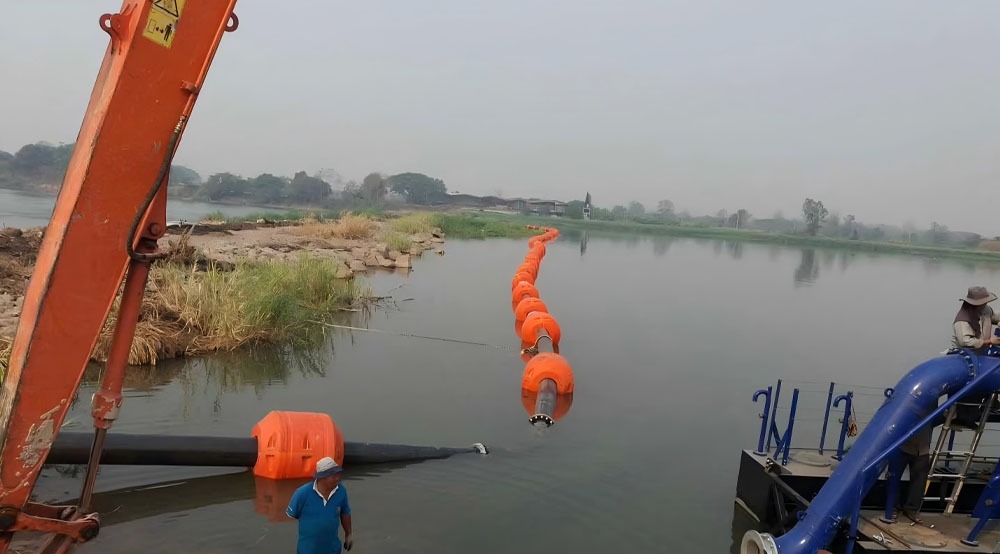
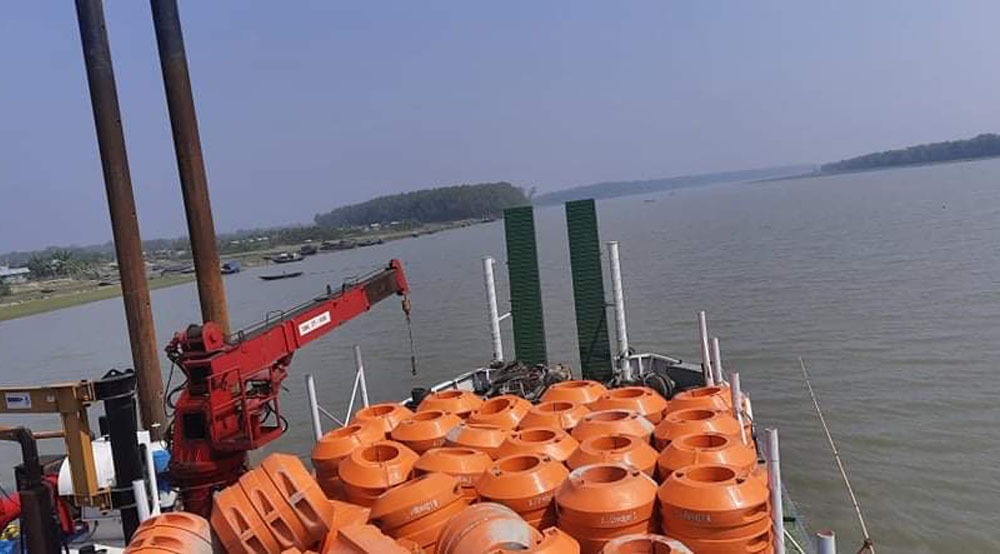
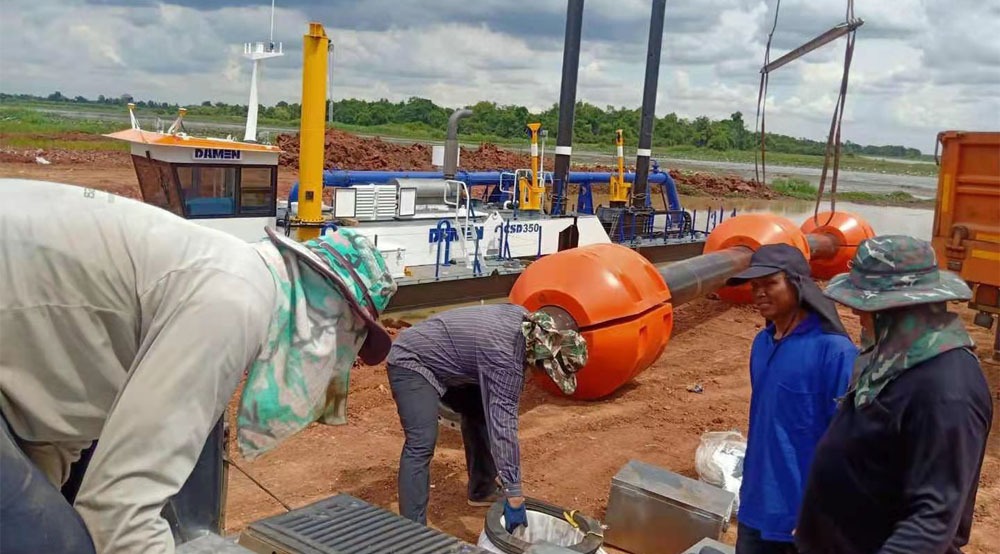
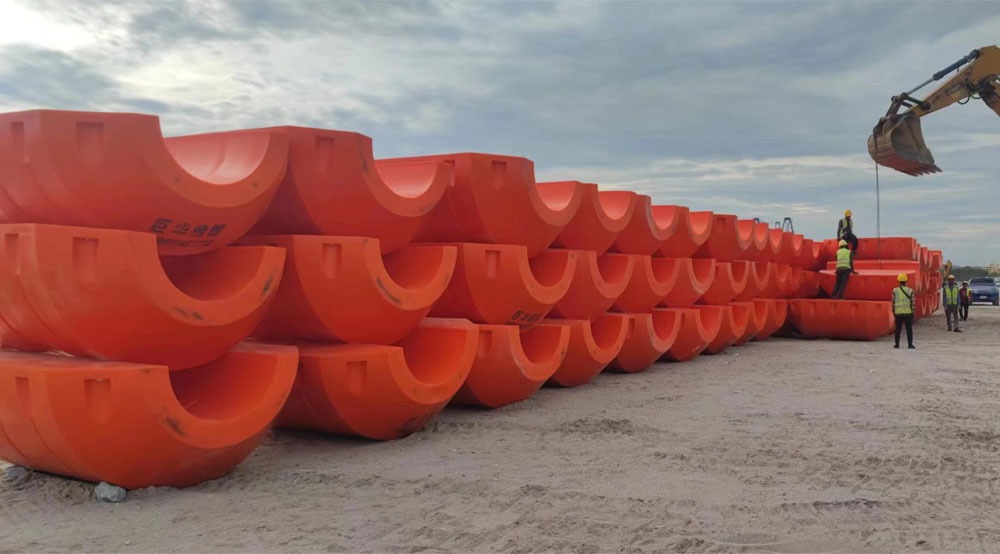
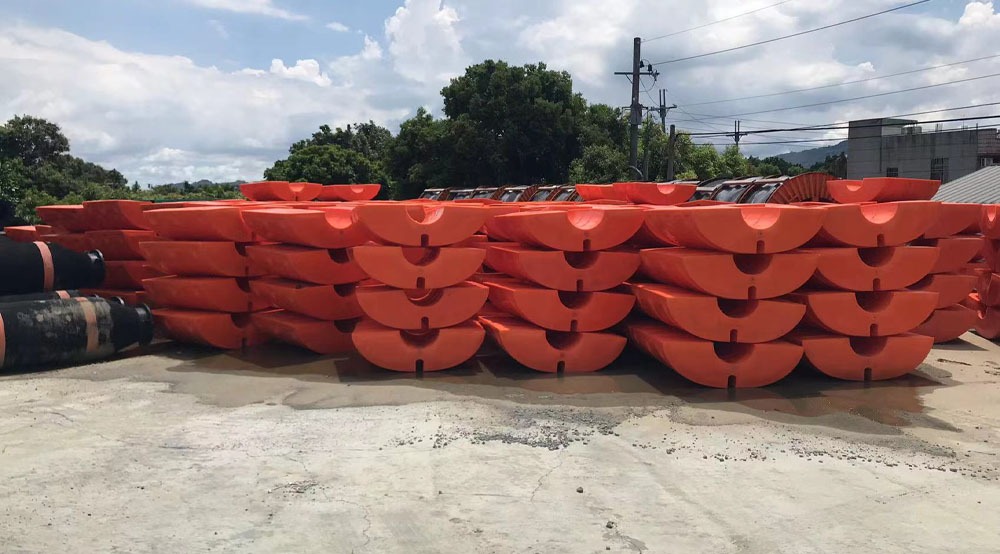
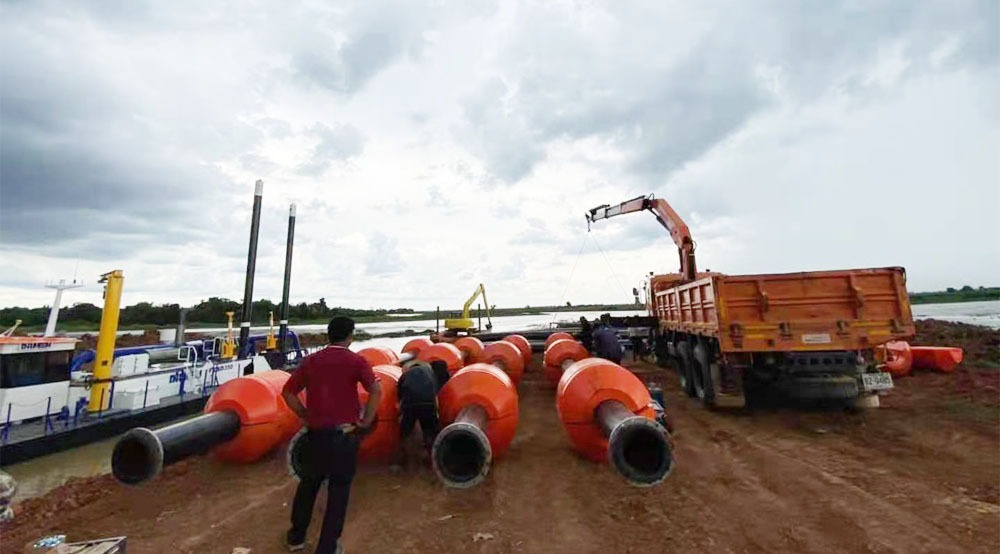
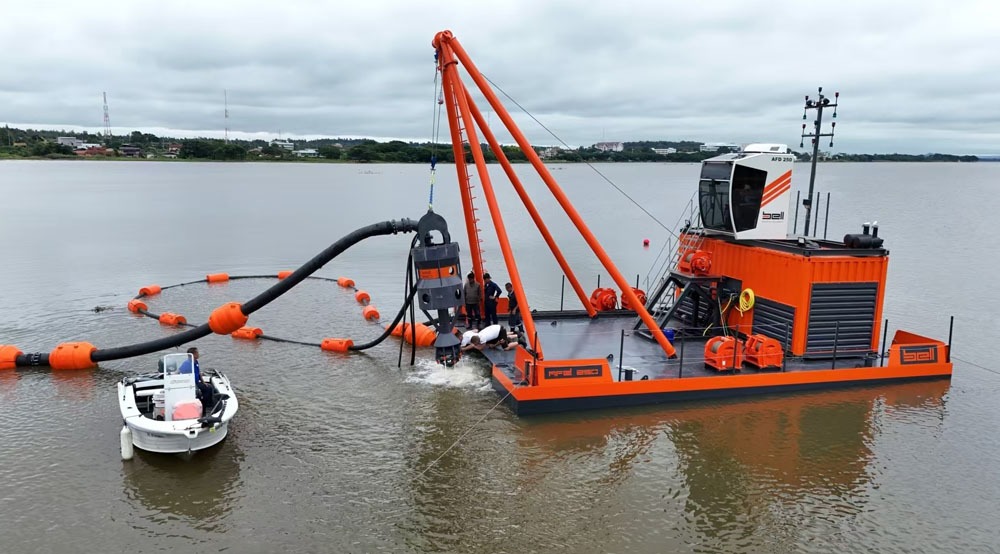
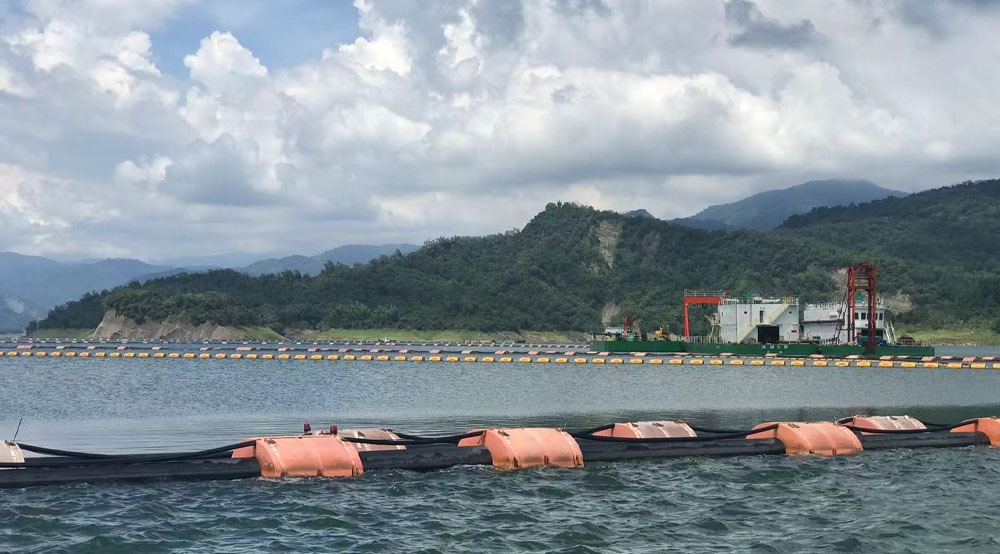
Pipe Floats
| Parameter | Description |
|---|---|
| Product Name | Water Boat Pontoon Floating |
| Material | High-strength environmentally friendly materials, UV-resistant, corrosion-proof |
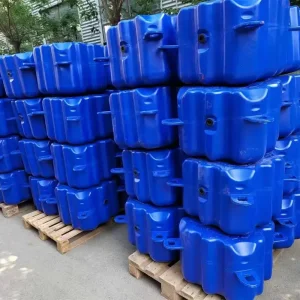
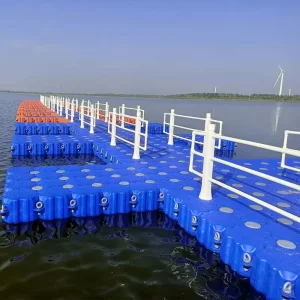
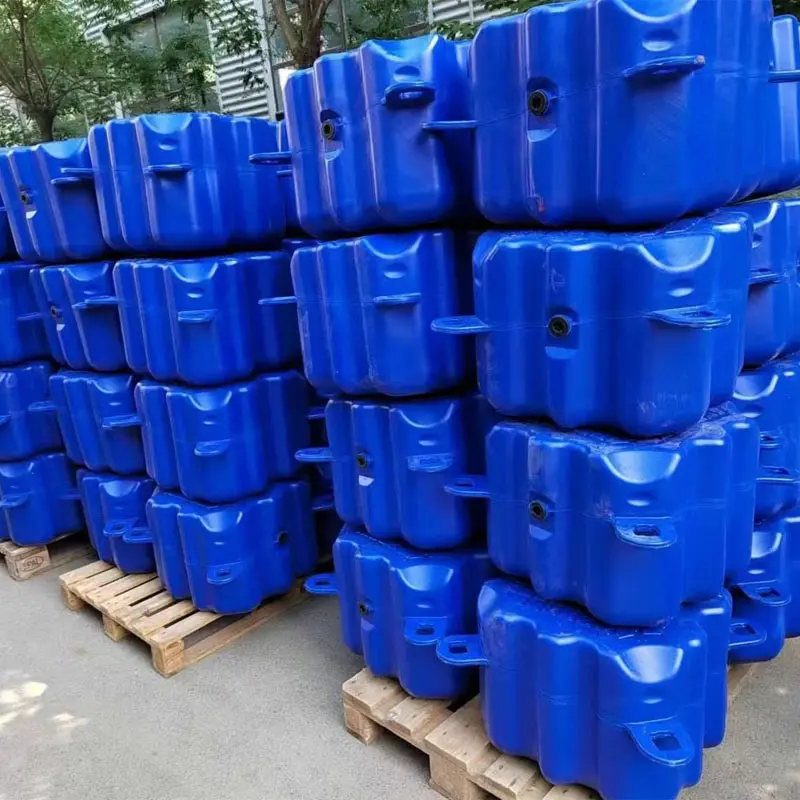
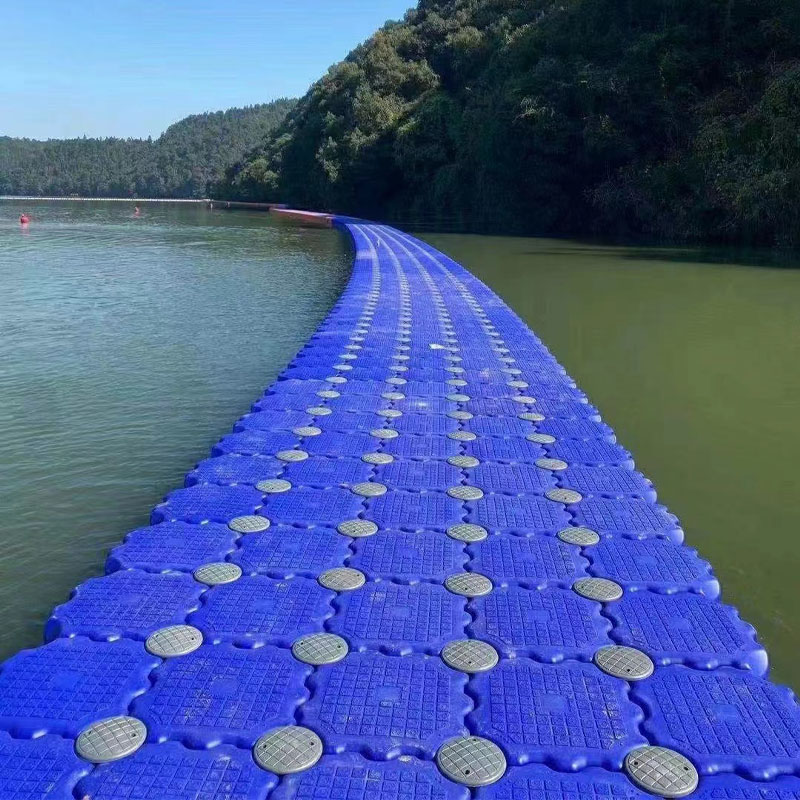
| Design | Modular design for flexible assembly and adjustment |
| Dimensions | Customizable per project requirements |
| Buoyancy Capacity | Stable buoyancy suitable for ship docking, floating docks, and leisure platforms |
| Surface Finish | Anti-slip texture for safety |
| Durability | Resistant to seawater, sunlight, and climate changes |
| Installation | Quick and simple assembly, low labor requirement |
| Maintenance | Easy cleaning and regular inspection |
| Environmental Feature | Sustainable, recyclable, low-carbon materials |
| Customization | Modules can be combined to form floating platforms of different sizes |
| Lifespan | Long-term use under normal water conditions |
| Safety | Anti-slip surface ensures safe use on water platforms |
Applications
Water Leisure and Recreation: Supports floating restaurants, water parks, temporary leisure platforms, and floating event spaces.
Marine Construction Projects: Serves as a stable foundation for floating buildings, piers, and temporary marine infrastructure.
Tourism & Hospitality: Ideal for resorts, floating leisure facilities, and entertainment projects on water.
45
378
73423
7825
45678
4534
Industry Fields
Tourism & Recreational Water Facilities: Supports water-based leisure platforms with stability and safety.
Marine Engineering & Construction: Provides dependable floating support for temporary and permanent water projects.
Environmental & Sustainable Initiatives: Eco-friendly design promotes green marine projects and low-carbon waterway solutions.
7
5
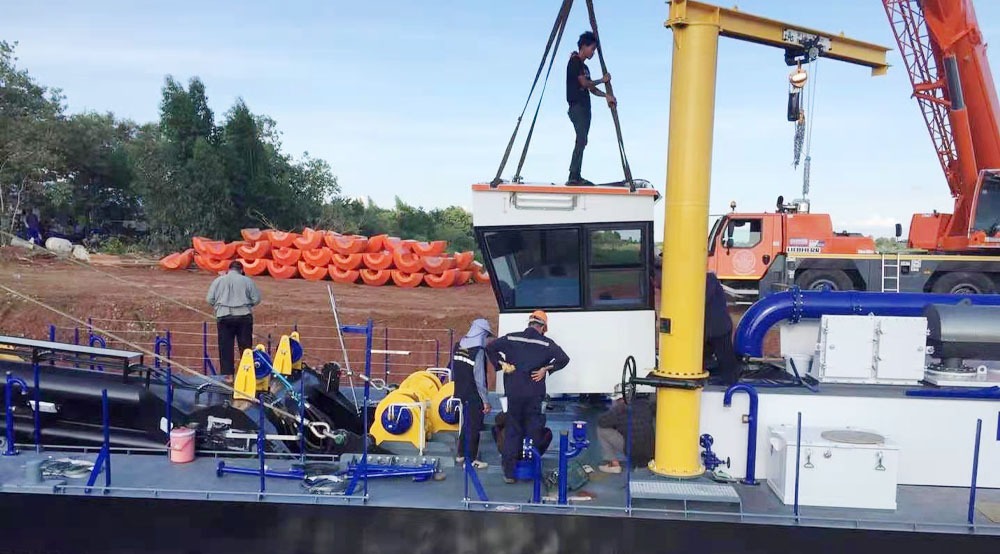
4
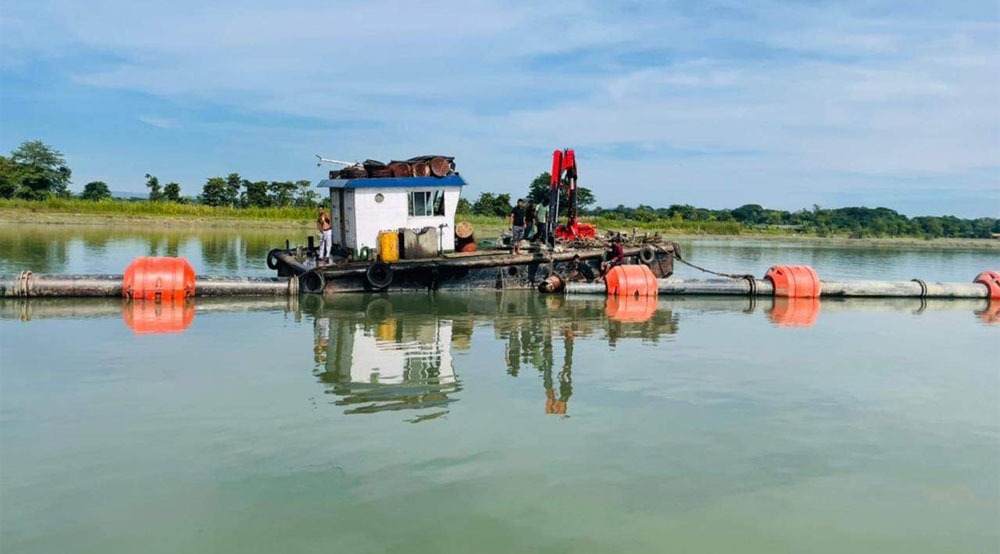
1
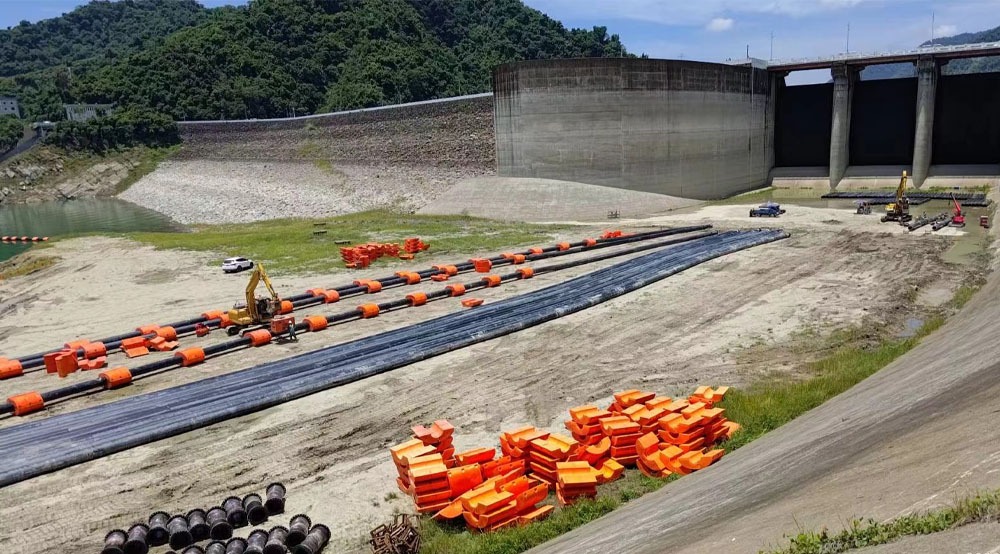
2
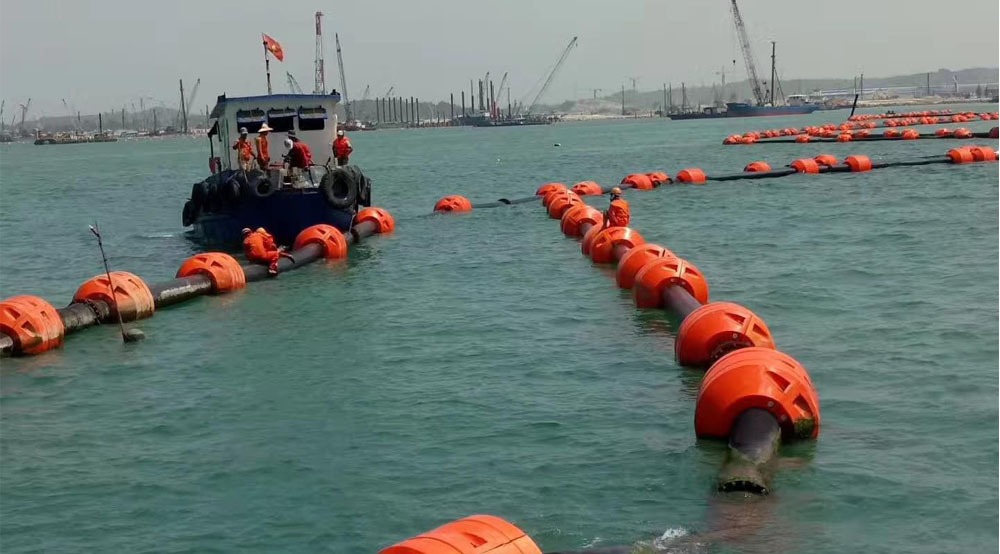
3
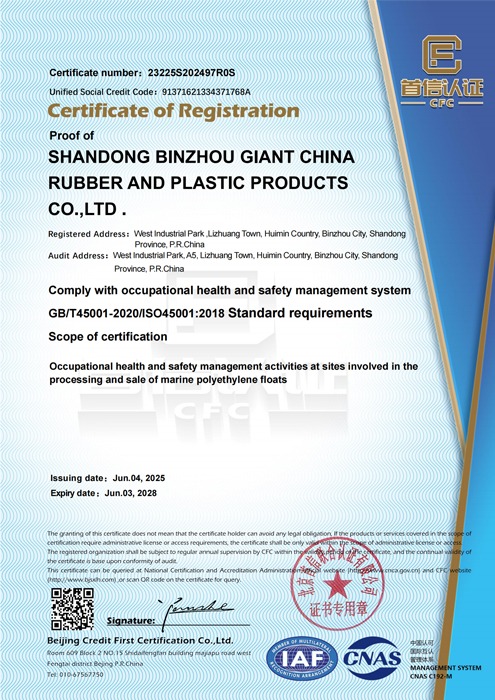
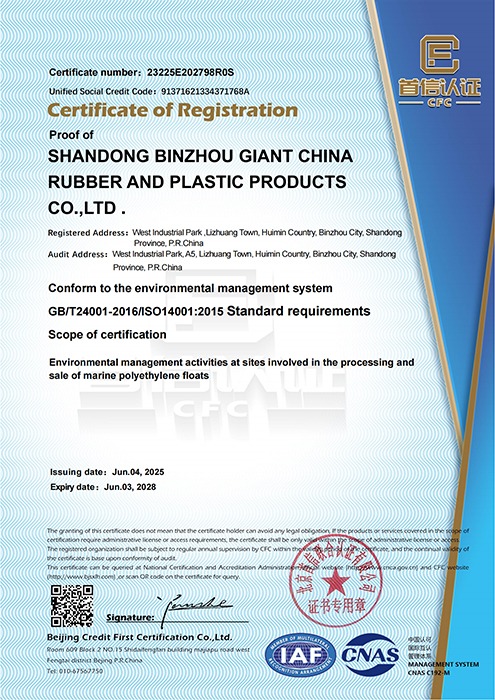
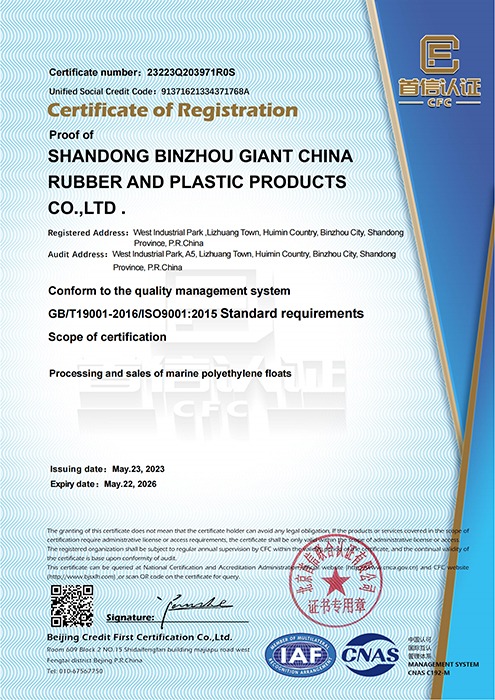
Qualification Certificate
7
5
6

Custom Design

Quality Assurance

Technical Support

Fast Delivery

Maintenance Guidance

After-Sales Service
Frequently Asked Questions (FAQ)
Q1 Are these floats suitable for seawater use?
Yes, absolutely. Polyethylene (PE) is highly resistant to saltwater corrosion, UV radiation, and chemical erosion. They are actually preferred over steel floats in marine environments because they never rust.
Q2 How thick is the plastic on the floats? Precisely what is the material?
All of our floats are made with PE (polyethylene) plastic shells, each float has a closed-cell urethane foam filling for safety and structural rigidity. The PE shell is a super tough material that will take a beating and the foam filling stops you from sinking if you do manage to puncture a float.
Q3 What happens if one breaks?
In the years of us selling our floats to industrial and recreational customers, very few tell us that they have punctured a float. Our floats really are tough as nails, but if you have the misfortune of piercing one, you can either easily replace the float, or repair it, but when the damage happens, you won't sink due to the non-water absorbing urethane foam inside each float. If you choose to repair a float, remove it from the pipe (or at least pull the craft out of the water), let it drain in a dry area for a couple days, and use a HDPE plastic welding kit. This is a kit that comes with a special electric soldering iron-type tool and some plastic welding rod.
Q4 Can you design products specifically for customers?
Of course. We have a professional design team that can design products according to our clients' specifications, including customer dimensions, customer controls, and OEM services.
Q5 How are the pontoon modules installed and maintained?
The system features a modular design for quick assembly and low labor requirements. Maintenance is minimal, requiring only easy cleaning and regular routine inspection to ensure long-lasting performance.
Q6 What are the primary applications of these floating platforms?
They are widely applied across floating docks, yacht mooring, water parks, floating leisure platforms, and marine engineering construction projects in both fresh and saltwater conditions.