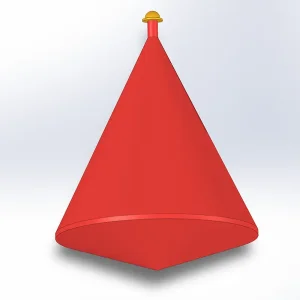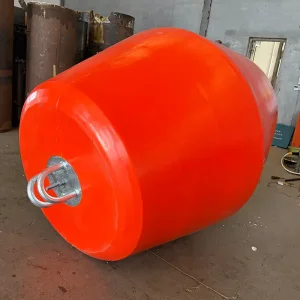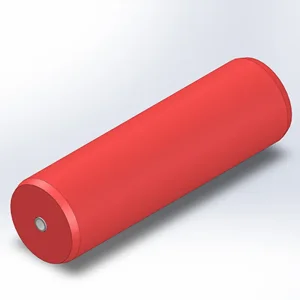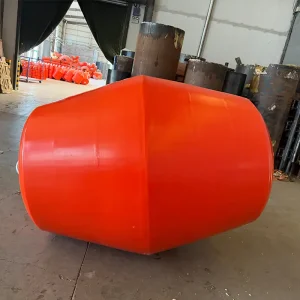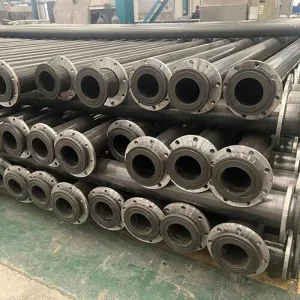
Primary Modular Systems
Heavy-Duty Type 3 Turbidity Buoyancy & Containment Inventory
Direct manufacturer supply for offshore dredging, pipeline tie-ins, heavy-duty flotation barriers, and structural sediment control.

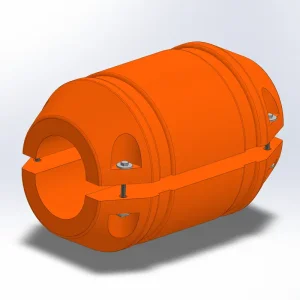

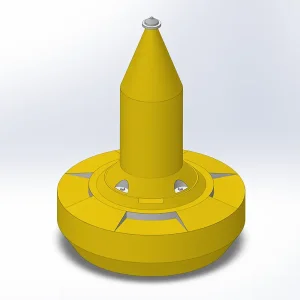
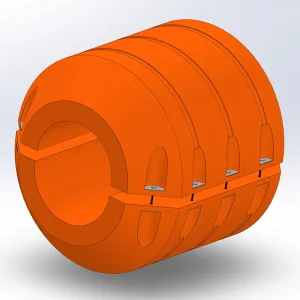
Technical White Paper
Type 3 Silt & Turbidity Containment: Structural & Hydrodynamic Foundations
Unlike Type 1 and Type 2 systems designed for quiescent water, Type 3 Turbidity Curtains are heavy-duty sediment barriers engineered specifically for dynamic aquatic environments experiencing water velocities exceeding 1.5 knots, substantial wave exposure, and harsh open-water conditions.
Dual Load-Line Engineering
Type 3 architecture separates tensile mooring forces from the geotechnical containment fabric. Top heavy-duty galvanized aircraft cables (or high-tenacity nylon webbings) combine with bottom ballast chains to transfer critical fluid dynamic stresses directly to external anchoring points, preventing fabric rupture.
Monofilament vs Permeable Geosynthetics
Engineered with heavy PVC-coated fabrics (up to 22 oz/yd²) or high-flow woven polypropylene geotextiles. By calculating precise Apparent Opening Sizes (AOS) alongside water permittivity, our curtains provide optimal sediment filtration while minimizing hydrostatic drag from strong underwater tidal currents.
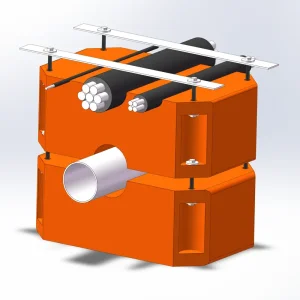
Integrated Rotomolded Polyethylene Flotation
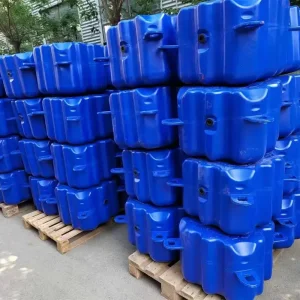
Moving beyond fragile EPS foam blocks, our direct-factory advantage utilizes UV-stabilized rotational molded closed-cell polyethylene floats. They maintain reserve buoyancy integrity without cracking, water absorption, or environmental degradation in harsh marine conditions.
| Classification Parameter | Type 1 (Calm Waters) | Type 2 (Moderate Waters) | Type 3 (Severe Marine / Offshore) |
|---|---|---|---|
| Current Velocity Profile | < 0.5 knots (< 0.25 m/s) | 0.5 to 1.5 knots (0.75 m/s) | > 1.5 knots (up to 3+ knots with stress-relief ports) |
| Wave Action Exposure | No significant swells / sheltered | Up to 2-foot chop / tidal change | Severe coastal swells, rough ocean, active ship traffic |
| Tensile Structure | Fabric integrated tension member | Top cable tension load path | Dual top aircraft cable + lower tension line + anchor plates |
| Geotextile Weight & Rating | 16 oz PVC / Standard Slit Film | 18-20 oz Woven Polypropylene | 22 oz PVC Coated / Monofilament High-Flow Filter Fabric |
| Ballast Chain System | 1/4" Light Galvanized Chain | 5/16" Proof Coil Chain | 3/8" to 1/2" HDG Ballast Chain with double-stitched pocket |
Factory Direct Supply
China Direct Factory Advantages: Precision Engineering at Global Scale
Shandong Binzhou Juhua Rubber & Plastic Co., Ltd. integrates advanced rotational moulding technology and industrial geo-textile RF welding under one ISO-certified roof.
Full-Cycle Vertical Manufacturing
We do not broker components. From compounding raw Virgin LLDPE polymer resins and high-precision rotational casting to automated high-frequency RF fabric sealing, every millimeter is built on our production campus.
30–45% Capital Cost Savings
Bypassing regional trading markups delivers wholesale pricing for infrastructure conglomerates and coastal developers, optimizing EPC budgetary compliance on extensive offshore reclamation tracts.
Turnkey ODM/OEM Customization
Skirt depths up to 25 meters, customized pressure relief micro-valves, universal ASTM aluminum connectors, and customized tensile load points matched to site hydrodynamic bathymetry surveys.
High-Volume Export Packaging
Curtains are factory-folded, secured with heavy-duty lashing straps, and protected in UV-barrier wraps on reinforced pallets, designed for rapid deployment directly from container ship decks.
Market Dynamics
Global Industry Evolution: Regulatory Pressures & AI Hydrodynamics
Rapid tightening of marine environmental conservation mandates is redefining the sediment containment industry worldwide.
Zero-Tolerance Environmental Enforcement
Global regulatory bodies (US EPA, EU Water Framework Directive, MARPOL) impose heavy stop-work fines for uncontained dredging sediment plumes. Real-time NTU (Nephelometric Turbidity Units) sensors necessitate fail-safe Type 3 containment barriers.
Offshore Energy & Mega-Port Expansions
The acceleration of offshore wind foundation installations, subsea HVDC cable trenching, and mega-containership port deepening requires sediment containment in open ocean environments previously deemed impossible to corral.
Predictive Hydrodynamic Pre-Engineering
Contemporary EPC contractors demand computational fluid dynamics (CFD) modeling before deployment. Factory-customized Type 3 designs calculate curtain flare-out angles and tensile loads relative to localized bathymetric current vectors.
On-Site Engineering
Engineering Application Scenarios & Macro Industry Solutions
Engineered to mitigate risk and guarantee ecological containment across challenging marine work environments.
Harbor Deepening & Trailing Suction Dredging
High-capacity hopper dredgers release sediment clouds during overflow. Type 3 curtains placed along navigational channels isolate sensitive coral reefs and public shorelines without collapsing under container vessel bow wash.
Subsea Pipeline Trenching & Tie-Ins
Jet trenching for subsea oil, gas, or high-voltage lines resuspends dense seabed silts. Our engineered modular buoyancy assemblies keep containment curtains anchored despite high velocity cross-currents.
Environmental Remediation & Toxic Slag Capping
Capping heavy-metal or hydrocarbon-contaminated sediments requires impervious containment to prevent toxins from entering the trophic chain. Impermeable Type 3 membranes provide physical isolation during remediation work.
Bridge Pier Caisson & Cofferdam Excavation
Hydraulic piling and pile extraction generate localized turbidity in high-velocity river estuaries. Type 3 configurations feature reinforced anchor brackets designed to resist heavy river discharges.
Mining Tailings Ponds & Water Treatment
Decanting water from mining operations requires segmented settling cells. Our UV-stabilized rotational polyethylene barriers withstand high salinity, variable pH, and extreme mineral slurry weights year-round.
Tidal Estuary & Coastal Land Reclamation
Hydraulic sand fill for artificial island development requires massive scale containment. Type 3 barriers control perimeter turbidity, preventing sediment leakage into sensitive coastal aquaculture concessions.
Procurement Strategy
Global Enterprise Sourcing Criteria for Marine Turbidity Curtains
What procurement directors, marine civil engineers, and environmental compliance auditors check before approving factory POs.
Buoyancy-to-Weight Reserve Ratio
Tier-1 specifications require reserve buoyancy of at least 150% to 200% over the combined submerged weight of the fabric, ballast chain, and marine bio-fouling build-up, preventing barrier submersion during rough tidal sequences.
Universal Marine Connector Integrity
Connection points must utilize marine-grade aluminum extruded universal connectors conforming to ASTM F962. Fabric pin-joints fail under load; high-integrity sliding extruded interlocks distribute dynamic cross-current tension smoothly.
Independent Lab Verification (ISO/ASTM)
Enterprise tenders demand traceable mill test certificates documenting grab tensile strength (ASTM D4632), trapezoidal tear resistance (ASTM D4533), and UV stability retention (ASTM D4355) after 500 hours of xenon arc exposure.
Frequently Asked Questions
Engineering & Procurement FAQ: Type 3 Turbidity Systems
Direct answers from our engineering technical group on sizing, hydrodynamic anchoring, and fabric selection.
How is a Type 3 curtain distinguished from Type 1 and Type 2 systems?
Type 3 is specifically engineered for severe marine conditions (>1.5 knot currents, waves, tides). It incorporates dedicated dual load-bearing tension cables (top and bottom), heavy 22 oz PVC or high-tenacity monofilament permeable fabric, universal aluminum ASTM connector joints, and rugged rotomolded polyethylene floats rather than basic rolled foam.
Should the curtain skirt touch the bottom of the ocean floor?
No. Standard marine engineering practice requires maintaining a 1-foot to 2-foot (0.3m–0.6m) clearance between the curtain ballast chain and the seabed at low tide. If a curtain rests directly on the bottom, wave action will cause the ballast chain to saw into the sediment, generating additional turbidity and risking skirt destruction.
When should we specify permeable vs. impermeable curtain fabrics?
Impermeable (PVC coated) fabrics prevent all water passage, directing fluid over or under the barrier; these work best where water speeds are low or where capturing dissolved hydrocarbons is necessary. Permeable fabrics (woven monofilament geotextiles) allow clean water to pass while filtering suspended solids, drastically reducing hydrodynamic drag in currents over 1 knot.
How is anchor sizing determined for open water Type 3 arrays?
Anchor sizing uses hydrodynamic force calculations: Hydrodynamic Force = 0.5 × Seawater Density × Velocity² × Submerged Projected Area × Drag Coefficient. Mooring buoys must secure anchor lines separate from the curtain floatation collar, pulling at an angle shallower than 3:1 (scope ratio 5:1 preferred) to prevent lifting the ballast chain.
What is the typical working lifespan of Juhua Type 3 Curtains?
Under continuous saltwater exposure with proper anchoring maintenance, our UV-stabilized rotomolded PE flotation systems offer an operational lifespan of 5 to 8+ years. The high-tenacity geotextile skirt operates reliably for 18 to 36 months depending on local water current speeds, sediment abrasion levels, and biofouling cleaning frequency.
Can sections be joined together to span miles of shoreline?
Yes. Curtains are manufactured in modular shipping lengths (typically 50-foot or 100-foot sections / 15m or 30m). They interlock via heavy-duty extruded marine-grade ASTM F962 aluminum quick-connectors and industrial eyelet lacing, allowing projects to scale safely to multi-kilometer perimeters.
Complete Marine Catalogue
High-Durability Marine Buoys, Floats & Containment Products
Explore our heavy-duty rotomolded flotation units, mooring anchors, and commercial water safety barriers.