Featured Industrial Pipeline & Turbidity Flotation Components
Factory-direct rotomolded pipe floats, modular subsea support buoys, and heavy-duty barriers engineered to integrate seamlessly into complex coastal desilting and dredging operations.

Pipeline Float Systems
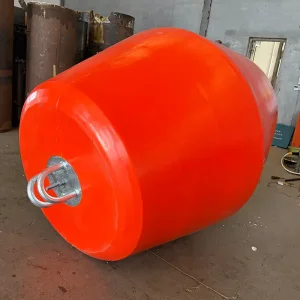
OEM Heavy-Duty Pipeline Float for Stable Floating Pipeline Systems Company, Factory
Subsea Buoyancy Modules
Best Modular Subsea Pipeline Float – Reliable Deepwater Support Manufacturer, Factories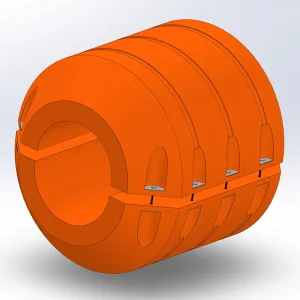
Marine Project Floats
ODM High-Buoyancy Floats for Marine Projects Suppliers, Pricelist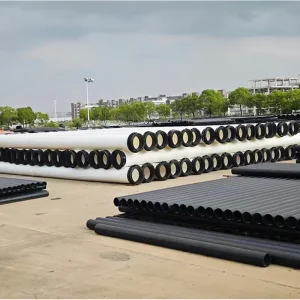
Fluid Transport Pipelines
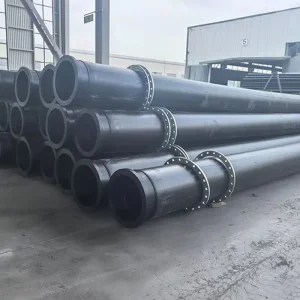
ODM Heavy-Duty Pipeline for Versatile Water and Fluid Transport Product, Quotes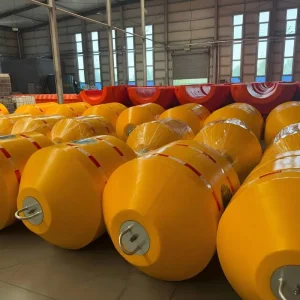

Offshore Navigation Buoys
ODM Heavy-Duty Marine Buoys for Reliable Navigation & Offshore Safety Manufacturer, CompaniesGlobal Landscape: Turbidity Mitigation & Sediment Containment Dynamics
In modern marine infrastructure, capital dredging, land reclamation, and coastal expansions operate under stringent Environmental Impact Assessment (EIA) protocols requiring closed-loop turbidity control.
Hydrodynamic Kinetic Dispersion
Marine dredging inevitably releases huge amounts of Suspended Particulate Matter (SPM). As an ODM manufacturer, our engineered silt curtains utilize hydrodynamic tension architectures that slow down water flow inside the containment perimeter, promoting rapid sedimentation of silt before it reaches pristine marine sanctuaries.
Strict Global ESG Directives
International environmental oversight bodies (e.g., US EPA Clean Water Act, EU Water Framework Directive 2000/60/EC) enforce strict NTU (Nephelometric Turbidity Units) thresholds. Failure to control plume migration can trigger massive work stoppages and severe environmental liability.
Lifecycle Resiliency vs Steel Alternatives
Traditional steel and barrel containment systems suffer from high corrosion, coating degradation, and structural failure. Modern closed-cell rotationally molded virgin polyethylene (PE) eliminates rust risks, ensuring complete operational life for multi-year port deepening and reclamation works.
Hydrodynamic Design & Curtains Buoyancy Formulations
Designing durable silt curtains and pipeline flotation barriers demands strict calculation of environmental forces, tidal surges, hydraulic loads, and ballast dynamics.
Hydrodynamic Reserve Buoyancy Formula (Engineered Standard)
A frequent error in marine containment design is specifying buoyancy based purely on static curtain weight. In dynamic open water, currents induce downward drag forces on the geotextile skirt. Sizing must calculate total active vertical downward thrust under peak velocity:
Total Required Buoyancy (B_total) ≥ (W_skirt + W_ballast + F_hydrodynamic_drag) × Safety Factor (1.5 - 2.0)
- W_skirt & W_ballast: Submerged dry weight of PVC/non-woven geotextile and the bottom tension ballast chain (Grade 30/43 galvanized steel).
- F_hydrodynamic_drag: Vectorized downward pull generated by laminar and turbulent current against the impervious curtain depth: F_d = 0.5 × ρ_water × V² × C_d × A_projected.
- Freeboard Maintenance: Maintain a positive freeboard of 150mm to 300mm minimum to avoid wave-overtopping of sediment-laden waters.
Rotomolded PE Float Shell
Molded with virgin linear low-density polyethylene (LLDPE) blended with UV-8 stabilizers. Shell wall thickness is strictly controlled via variable-frequency speed regulation and electronic automatic temperature mapping.
Polyurethane Core
High-density closed-cell polyurethane foam (≥35 kg/m³) is pressurized inside the float shell. It guarantees uncompromised reserve buoyancy even if the outer rotomolded skin sustains severe impact tears.
Geotextile Engineering
Skirts are fabricated with high-tenacity woven polypropylene (PP) or PVC-coated polyester fabric (650g - 900g/m²). Available in solid impermeable barriers or permeable geotextile filters allowing water passage.
Universal Fasteners
Modules use marine-grade extruded aluminum ASTM universal slide connectors or high-tensile eye-bolt assemblies, ensuring easy in-field connection and rapid deployment along extensive containment lines.
Localized Regulatory Support & Turnkey Quality Assurance
Navigating regional maritime directives requires engineered documentation, structural certification, and customized marine safety adherence.
AASHTO / ASTM Compliance
Fabric, tensile strength, tear load, and ballast design comply with international specifications including ASTM D4884 (seam strength) and AASHTO M288 standards for geotextile silt barriers in marine environments.
IALA Navigational Lighting
For operations near commercial shipping channels, our barrier and float platforms integrate solar LED marine lanterns compliant with IALA guidelines, ensuring safe 24/7 waterway passage.
Extended Warranty Program
Our commercial warranty starts on the date the buyer hands over the goods to the investor and extends 18 months after that handover date, or 12 months after project installation date (whichever comes first).
Localized Application Scenarios & Engineering Classes
Matching containment curtains and flotation modules to current velocity, wave energy, and water depth is critical to preventing structural failure.
Type I: Calm Waters & Harbors
Designed for protected harbors, small ponds, shallow lagoons, and low-flow canals. Operating current is < 1 knot (0.5 m/s) with minimal swell. Features lightweight float bodies, integrated top cable channels, and standard ballast chains.
Type II: Medium-Energy Coastal
Engineered for coastal areas, large rivers, and ports subject to moderate currents up to 2 knots (1 m/s) and minor wind-driven swells. Constructed with reinforced tension members, heavy-duty marine shackles, and stress-relieved rotomolded floats.
Type III: Deepwater & Heavy Currents
For open ocean dredging, offshore pipeline tie-in zones, and deep reclamation sites with currents > 3 knots. Incorporates articulated dual-float configurations, permeable geotextile relief panels, and multi-point heavy mooring systems.
Technology Roadmap: The Next Era of Containment
Continuous R&D is transforming passive turbidity containment into smart, telemetry-enabled marine monitoring platforms.
Bio-Inert & Circular Resins
Transitioning to 100% recyclable, microplastic-inhibited polyethylenes with enhanced surface treatments to prevent biofouling without toxic biocides.
Integrated IoT Plume Tracking
Integrating optical backscatter turbidity sensors directly into float bodies. Transmits live NTU data via LoRaWAN/Satellite to onshore environmental engineers.
Computational Flow Dynamics
Using 3D-CFD simulations to design curved hydro-foil floats that generate low wake turbulence, keeping curtains vertical under severe tidal flows.
Rapid Modular Rigging
Deploying self-locking modular cassettes that cut deployment labor by 60%, allowing rapid response to unexpected turbidity plumes and containment emergencies.
Frequently Asked Questions: Silt Curtains & Pipeline Flotation
Everything EPC engineers, contractors, and project managers need to know about specifications, selection, and field performance.
Advanced Flotation Infrastructure & Marine Engineering Series
Explore our full line of rotomolded mining floats, heavy fluid conduits, marine pontoons, subsea modules, and specialized liquid storage tanks.
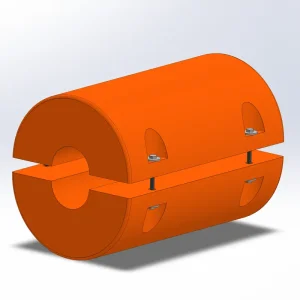
Floating Pipeline Floats
Best Pipe Floats for Floating Pipeline Support and Water Transfer Projects Suppliers, Factory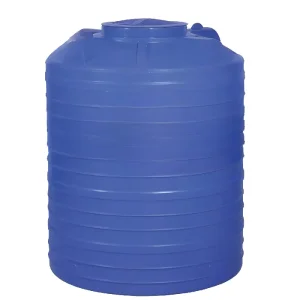
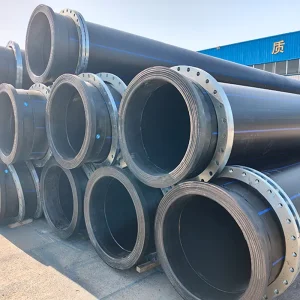
Mining Slurry Pipe Floats
High-Quality Pipe Floats for Water Transfer, Mining and Marine Pipeline Systems Manufacturer, Pricelist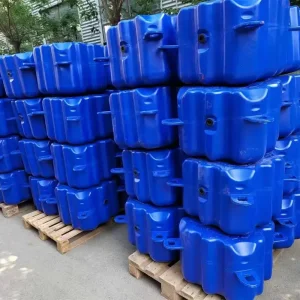
Modular Boat Pontoons
ODM Durable Floating Boat Pontoon for Versatile Water Projects Pricelist, FactoryDeepwater Pipeline Floats
ODM Deepwater Pipeline Support Floats – Reliable Subsea Buoyancy Solutions Manufacturer, Companies