
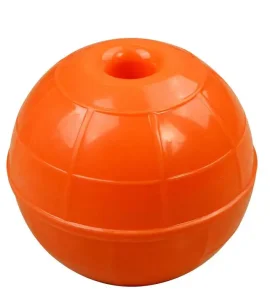
Precision Engineering Portfolio
Featured Offshore & Marine Transfer Assemblies
Browse our certified marine pipeline systems, heavy-duty dredging hoses, high-buoyancy modules, and single point mooring components precision-engineered for hostile sea states.
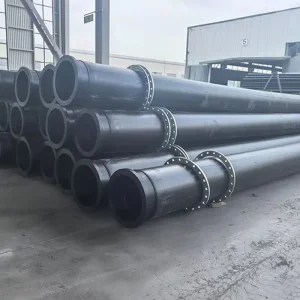
Best Heavy-Duty Pipeline for Safe and Efficient Transport Companies, Company
Explore Specification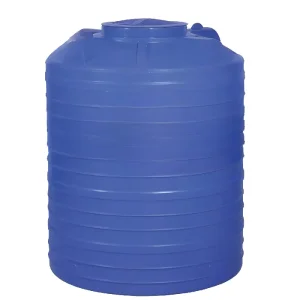
Custom Polyethylene Rotomolded Water Storage Tank – Durable and Safe Liquid Storage Solution Supplier, Factories
Explore Specification
High-Quality Advanced Pipeline Float System for Secure Subsea Installations Supplier, Factories
Explore Specification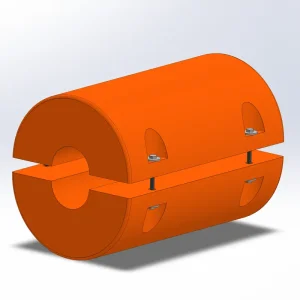
Best Pipe Floats for Floating Pipeline Support and Water Transfer Projects Suppliers, Factory
Explore Specification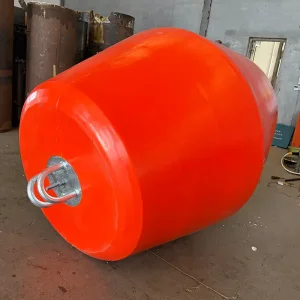
Best Offshore Mooring Buoy for Secure Vessel Anchoring and Marine Floating Systems Manufacturer, Companies
Explore Specification
Best Polyethylene Mooring Buoy – Reliable Floating Solutions for Modern Marine Projects Suppliers, Company
Explore Specification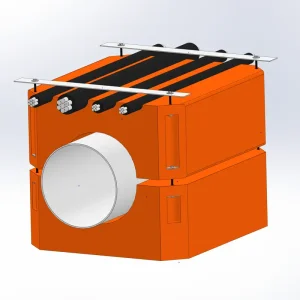
Custom Customizable Floating Pipe Supports with Cable Troughs Company, Pricelist
Explore Specification
Technical White Paper
Offshore Marine Submarine Hose Dynamics & Architecture
Submarine hoses constitute the critical umbilical cord linking submerged pipeline end manifolds (PLEM) to Single Point Mooring (SPM) Calm buoys, FPSO turrets, and coastal dredging terminals.
Subsea Configuration Models
Depending on deep-water bathymetry, current profiles, and wave drift forces, our ODM submarine hose strings are calibrated for Chinese Lantern, Lazy-S, Steep-S, or Compliant PLEM configurations. Distributed buoyancy modules and rotational PE clamping collar collars ensure the hose string retains its dynamic catenary under extreme internal pressure cycles and severe cyclical hydrodynamic bending.
Multi-Layer Carcass Elastomerics
Manufactured with high-tensile synthetic textile cord plies interspersed with embedded high-modulus steel helical wire, our submarine hoses exhibit non-kinking behavior at minimal bend radiuses (MBR). Inner lining compounds feature bespoke NBR/synthetic rubber compositions resistant to crude oil, aromatic hydrocarbons up to 50%, aggressive sea slurries, and chemical conditioning agents.
Dual Carcass Leak Detection
For critical offshore loading terminals, our submarine hoses incorporate integrated double-carcass emergency containment. If primary carcass integrity is breached, a secondary carcass retains the product completely while triggering mechanical or optical leak detection indicators, preventing ecological leakage and single-point system shutdowns during stormy sea operations.
| Nominal ID (Inch/mm) | Design Working Pressure | Min. Burst Safety Factor | Bending Stiffness (kN·m²) | Recommended Configuration |
|---|---|---|---|---|
| 6" to 12" (150 - 300mm) | 15.0 - 21.0 Bar (217 - 304 psi) | 5 : 1 (Per GMPHOM 2009) | 12.5 - 28.0 | Steep-S / Harbor Reclaim Line |
| 16" to 20" (400 - 500mm) | 19.0 - 25.0 Bar (275 - 362 psi) | 5 : 1 (Burst > 105 Bar) | 45.0 - 92.0 | Lazy-S Submarine Offloading |
| 24" (600mm) Heavy-Duty | 21.0 Bar (304 psi) standard | 5 : 1 (Fully Verified) | 110.0 - 165.0 | Chinese Lantern SPM / CALM Buoy |
Direct Factory Prowess
The Chinese Manufacturing Advantage in Subsea Flotation & Transfer
Located in Binzhou, Shandong, our vertically integrated plant bridges the gap between raw synthetic elastomer synthesis, automated rotational polyethylene moulding, and heavy marine vulcanization.
Vertically Integrated Tooling
By retaining mould machining, CNC metal flanging, variable-frequency rotational moulding, and computerized continuous vulcanization under one roof, we eliminate intermediate subcontracting markups and deliver turnarounds 40% faster than European counterparts.
Customized Rotational Shells
Unlike legacy cast-iron or heavy steel flotation shells, our virgin UV-stabilised high-density polyethylene (HDPE) shells never pit or corrode in salt brine. Injected with closed-cell polyurethane foam, buoyancy remains intact even during mechanical collision.
Standardized Interchangeability
Using computerized automatic temperature calibration, our moulds produce consistent float shells and submarine hose flanges with sub-millimeter tolerances. Spares slide directly onto operational pipelines with zero field modification.
Scalable Bulk Export Capacity
With over 1,000 m² of dedicated rotomoulding cells, multiple hose vulcanization tracks, and proximity to Qingdao & Tianjin ports, we comfortably supply mega-scale reclamation projects, harbor dredging grids, and national strategic oil storage lines globally.
20+
Years Marine Elastomer Expertise
80+
Countries & Ports Supplied
100%
Hydrostatic Pressure Verified
18 Mo.
Comprehensive Warranty Cycle
Quality & Risk Mitigation
International EPC Procurement Needs & Compliance Standards
Offshore exploration companies, port authorities, and dredging conglomerates operate under strict regulatory umbrellas. We align our manufacturing processes to meet and exceed global specifications.
GMPHOM 2009 Standards
Every submarine and floating hose assembly is built in strict accordance with the Guide to Manufacturing and Purchasing Hoses for Offshore Moorings (GMPHOM 2009). This includes mandatory verification of prototype dynamic fatigue, tensile break tests, vacuum holding capabilities, and electrical continuity/discontinuity characteristics.
Third-Party Verification (3.2 EN 10204)
We routinely cooperate with major international classification societies—including DNV GL, Bureau Veritas (BV), ABS, and Lloyd’s Register (LR)—providing inspection sign-offs, witness testing for hydrostatic burst simulations, ultrasonic flange testing, and raw compound spectral analysis.
Total Life Cycle Compliance
Mitigate standby downtime risks with turnkey traceability. Every hose string and float module is embedded with indelible serialized tracking plates, enabling operational engineers to log inspections, cathodic protection maintenance, and retirement schedules with absolute fidelity.
Global Deployments
Localized Offshore & Coastal Application Scenarios
Environmental hydrodynamic loading varies tremendously by deployment theater. Our engineering team sizes hose elasticity and float reserves for your specific sea basin.
SPM / CALM Terminals
Designed to absorb uninterrupted mooring movements of Very Large Crude Carriers (VLCC). Buoyancy collars are precisely balanced to support the hose under both laden (oil-filled) and unladen (seawater ballasted) buoyancy conditions without pinching or kinking at the PLEM flange.
Subsea Dredge Tie-Ins
Linking submerged trailing suction hopper dredge lines to onshore disposal pipes. Built with wear-resistant ultra-thick elastomer liners to resist heavy scouring from sharp coral gravel, abrasive silica sands, and turbulent silt mixtures under high pumping velocities.
FPSO Turret Offloading
Dynamic reeling and submarine strings connecting Floating Production Storage and Offloading vessels. Equipped with end reinforcements designed to withstand wave slamming, localized vortex-induced vibrations (VIV), and wide seawater temperature swings.
Island & Port Reclamation
Coastal channel deepening and port infrastructure development requiring rapid modular relocation. High-buoyancy clamp-on polyethylene floats maintain pipeline alignment and allow fast disassembly during incoming storms or vessel navigation traffic.
Market Horizon
Emerging Engineering Trends in Marine Flotation & Fluid Hose Tech
As offshore energy exploration pushes into deeper waters and maritime environmental laws tighten, marine hose and buoyancy design is advancing rapidly.
Smart Hoses & Acoustic Sensor Integration
Real-time digital umbilical integration is replacing manual inspections. Modern submarine hoses feature embedded fiber-optic strain arrays and acoustic monitoring to detect carcass fatigue, localized ovalization, and microscopic fluid leakage long before structural compromise occurs.
Deepwater Thermoplastic Elastomer Compounds
High-temperature, high-pressure (HTHP) subsea wells require novel lining blends. Advanced synthetic elastomers resist explosive decompression (AED) and aggressive acid gas (H₂S, CO₂) embrittlement, extending subsea service life past 10–12 operational seasons.
Circularity & Zero-Microplastic Flotation
Stricter ocean stewardship mandates non-shedding flotation elements. Our rotational polyethylene shells feature food-grade virgin polymers that eliminate microplastic release, while our internal closed-cell polyurethane foaming chemistries are 100% fluorocarbon-free.
Engineering Rule of Thumb
Buoyancy Optimization for Floating & Submarine Pipelines
Under-buoyancy leads to pipeline sag, excessive dynamic bending, and floor seabed scouring; over-buoyancy destabilizes the line in beam seas. Calculate your working line profile accurately.
The Comprehensive Marine Flotation Equation:
Total Module Net Buoyancy (Fb) ≥ [ Wpipe + Wcontents + Whardware ] × (1.20 – 1.30)
- Slurry Density Factor: Always calculate contents using high-density slurry (e.g., 1.3 – 1.6 t/m³ for dredging; 0.85 – 0.95 t/m³ for heavy crude), never clean water.
- Target Freeboard: Aim for approximately 25% of pipe diameter exposed above calm water level for floatline visibility and hydrodynamic wave breaking.
- First Pump Commissioning: Perform visual trim inspections immediately upon priming to detect unbalanced localized loading before continuous operation.
Technical FAQ
Frequently Asked Technical & Procurement Questions
Clear, engineering-backed answers addressing installation, customization, warranties, and international material specifications.
What is the structural distinction between submarine hoses and floating marine hoses?
While floating hoses utilize integral closed-cell foam layers to keep the transfer string buoyant on the surface, submarine hoses are designed to operate submerged under high hydrostatic external pressure. They feature extra-stout carcasses, integrated steel reinforcement rings, and calibrated external buoyancy modules to maintain precise underwater geometry (Lazy-S or Chinese Lantern curves) without surface exposure.
How does Juhua ensure interchangeability for replacement parts?
Our factory uses standardized rotational tooling and automated temperature-controlled moulds for our polyethylene floats and mooring shells. This strict parameterization guarantees that every replacement half-collar matches the outer diameter (OD) and bolt spacing of units already deployed in your fleet, preventing expensive retrofit delays on job sites.
What warranty terms apply to your offshore products?
Our warranty initiates on the date the client/contractor hands over the installation to the project owner and remains valid for 18 months from that handover date, or 12 months after completed on-site commissioning—whichever milestone occurs first.
Can you customize hose end connections and PE floats for non-standard pipe ODs?
Yes. Through our ODM program, we engineer hose end fittings matching ASME B16.5, DIN, or proprietary quick-connect dredge couplings. Similarly, custom internal collars can be rotomoulded for steel, HDPE, or composite core pipes based on your supplied engineering drawings.
What technical data should an EPC procurement team provide for a quote?
To receive a precise proposal, provide: pipe outside diameter (OD), material and wall thickness, conveyed medium specifics (crude density, slurry abrasion percentage), installation site conditions (coastal wave height, current velocity, bathymetry profile), working pressure rating, required freeboard, and target destination port.
Engineered Line Expansion
Heavy-Duty Subsea & Marine Flotation Systems
Explore additional pipeline flotation components, marine navigation markers, robust environmental barriers, and subsea tie-in solutions.
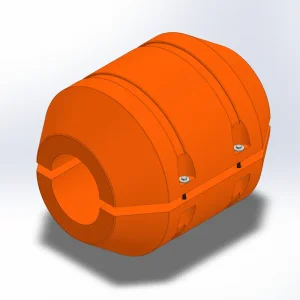
High-Quality Durable Floats for Safe and Efficient Pipeline Support Manufacturers, Products
Explore Specification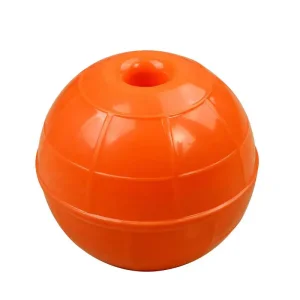
ODM Heavy-Duty ABS Float Ball for Water Engineering Projects Suppliers, Quotes
Explore Specification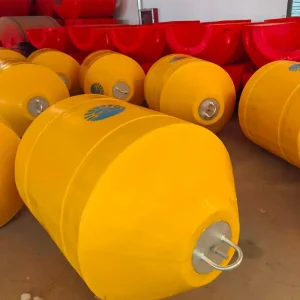
ODM Mooring Buoy for Reliable Vessel Anchoring and Floating Marine Infrastructure Product, Quotes
Explore Specification
Custom Pipeline Float For Subsea Tie-In And Controlled Positioning Products, Quotes
Explore Specification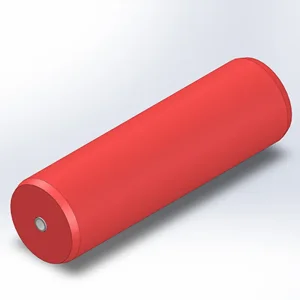
Custom Floating Barrier Systems for Effective Water Safety and Pollution Control Product, Factories
Explore Specification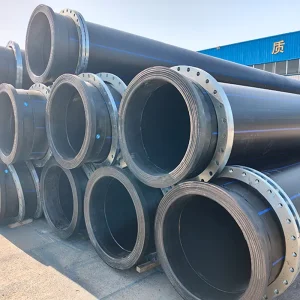
ODM High-Performance Pipeline for Industrial and Municipal Transport Suppliers, Companies
Explore Specification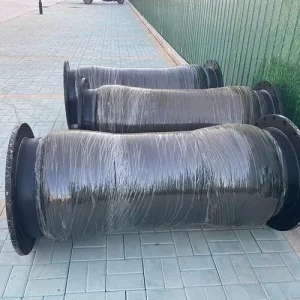
Best Durable Rubber Hoses for Efficient Fluid and Sediment Transport Products, Factory
Explore Specification