
OEM HDPE Dredging Pipe Manufacturers & Company
Precision Rotomolded Polyethylene Flotation, High-Density Marine Dredge Pipes, and Engineered Slurry Transport Systems for Harbor Deepening, Land Reclamation, and Offshore Mining Operations.
Primary Dredging & Marine Flotation Inventory
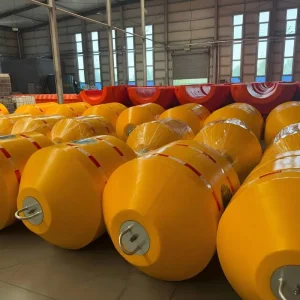
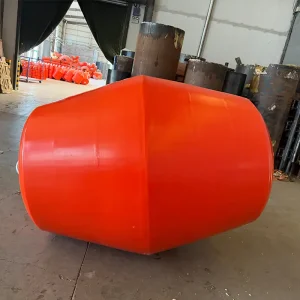
High-durability rotomolded flotation collars, deepwater support floats, and high-tensile mooring buoys engineered to maintain hydro-buoyancy under aggressive marine hydrodynamic forces.





Engineering Architecture & Future Flotation Roadmap
Addressing the structural vulnerabilities of subsea discharge and heavy sand-slurry delivery. Learn how modern polymer science eliminates downtime caused by steel pipe pitting, pinholes, and fatigue cracking.
Polymer Material Synthesis
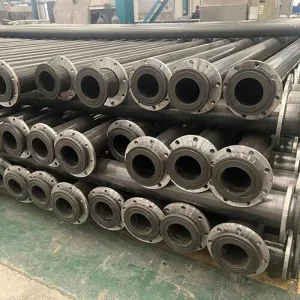
Unlike conventional carbon steel conduits, our HDPE dredging pipelines utilize high-density PE100 or multimodal PE4710 resins featuring high Molecular Weight Distribution (MWD). This configuration delivers unyielding resistance to Slow Crack Growth (SCG) and Environmental Stress Cracking (ESCR) under cyclic tidal stress.
Hydrodynamic Slurry Dynamics
Internal surface roughness factors as low as ε = 0.007 mm radically optimize Reynolds numbers during hydraulic slurry conveyancing. Boundary-layer flow resistance is minimized, mitigating internal scouring when abrasive coarse silica sand, coral gravel, or silt tailings are pumped continuously at up to 6.5 m/s.
Dual-Ring Flotation Coupling
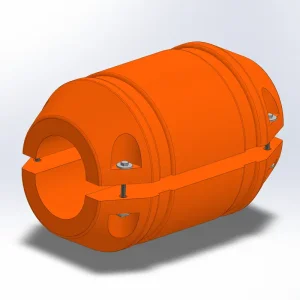
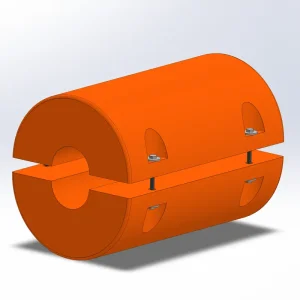
Featuring a modular split-sleeve rotomolded Polyethylene exterior stuffed with microcellular closed-cell polyurethane foam (≥38-45 kg/m³ density). This prevents complete water logging in the catastrophic event of a localized puncture, ensuring positive buoyancy throughout 20,000+ hour project lifespans.
Algorithmic Buoyancy Safety Sizing Framework
The primary point of dredging failure is undersizing buoyancy based on clear-water weight instead of maximum operational slurry density (typically 1.35 to 1.65 t/m³ during aggregate transport).
Our OEM configuration guarantees a 25% to 30% positive waterline freeboard margin. This prevents sub-surface sagging, cyclic pipe whiplash under open ocean swells, and excessive strain at mechanical joint flanges.
Automated wall thickness calibration and seamless rotational crystallization eliminate structural weld lines across all float shells.
Macro-Industry Solutions for Mission-Critical Engineering
From capital deepwater port dredging to ecologically delicate tailings barrier control, Juhua manufactures turn-key modular pipeline flotation assemblies tailored for high-strain maritime domains.
Mega-Harbor Expansion & Deepening
Accommodate Ultra Large Container Vessels (ULCV) by delivering high-throughput discharge pipelines that remain perfectly buoyant without disrupting active navigational fairways or commercial terminal channels.
Land Reclamation & Coastal Defense
Long-distance hydraulic sand transfer across high-energy surf zones. The high tensile resilience of HDPE combined with impact-resistant PE floats eliminates pipeline ruptures under severe wave shoaling.
Mining Tailings & Slurry Transport
Zero-chemical leaching and ultra-high chemical pH tolerance (pH 1-14). Engineered specifically for aggressive metallurgical acid tailings ponds, gold extraction operations, and caustic industrial ash slurry channels.
China Factory 4.0: Supply Chain Scalability & Cost Leadership
Rooted in Binzhou, Shandong—the global epicentre of marine elastomer and polyolefin extrusion. Juhua leverages smart robotics, continuous cycle rotational moulding ovens, and vertically integrated tooling to ensure unmatched delivery velocity.
Synchronous Multi-Arm Rotomolding
Our facility runs automated, multi-axis carousel rotomolding machinery with digital temperature feedback loops, ensuring that complex pipe floats with cable troughs and ballast reservoirs cure with zero internal tension.
In-House Tooling & Mold Workshop
By producing CNC-machined cast-aluminum and structural steel molds internally, we reduce custom tooling lead times from months down to 10 days, slashing prototype turnaround for specialized pipeline brackets and cable ties.
Tier-1 Strategic Raw Material Sourcing
Direct supply allocations from Sinopec and PetroChina guarantee molecular grade purity. Every batch comes with Melt Flow Index (MFI) and Carbon Black Dispersion documentation matching ISO 4427 / ASTM F714 requirements.
Procurement Standards, Compliance & Field Support
We eliminate cross-border engineering risks. Our QA/QC framework integrates end-to-end traceability, third-party hydro-burst validations, and on-site technical supervision for international EPC contract bids.
Strict Quality Verification (FAT/SAT)
Every production run undergoes strict Factory Acceptance Testing (FAT), including ultrasonic wall thickness mapping, hydrostatic pressure testing up to 2.5× PN rating, and drop-impact toughness at -20°C.
Comprehensive Project Warranty
Our structured industrial warranty coverage starts when goods are accepted by the investor and extends 18 months post-handover or 12 months from final pipeline commissioning, safeguarding asset longevity.
Global On-Site Field Commissioning
We supply complete bolt-up kits (hot-dip galvanized or SS316 hardware), electrofusion field-weld training, and certified engineers on-site to inspect the critical shore-to-water pipeline transitions.
Specialized Waterway, Storage & Slurry Conduits
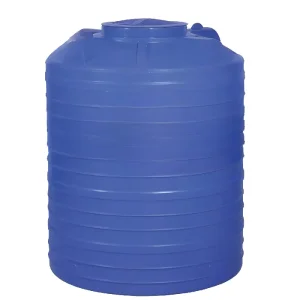
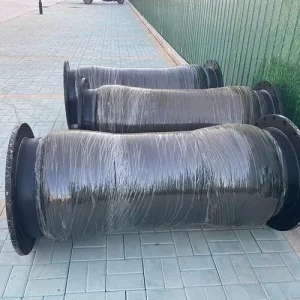
Engineered polyethylene storage, floating perimeter safety booms, heavy-duty suction/discharge rubber hoses, and tie-in positioning elements designed for maximum mechanical interchangeability.


Frequently Asked Technical & Commercial Questions
Clear, engineering-focused answers covering material science, hydrodynamic buoyancy calculations, warranty terms, and custom manufacturing criteria.
What are pipeline floats and how do they function in dredging?
Pipeline floats—commonly designated as dredge floats, pipe pontoons, or modular buoyancy sleeves—are rotomolded high-density polyethylene clamp-on bodies. Typically paired as semicircular halves, they encase hydraulic discharge pipes (HDPE, steel, or rubber) to maintain stable buoyancy on the water surface, ensuring clear visibility and preventing drag along rocky or shallow ocean bottoms.
How do you accurately calculate the quantity of floats required for a pipeline?
Total float buoyancy must exceed the combined dry weight of the pipeline, the mass of the internal conveyed slurry (using slurry density, not freshwater), and all flanges/hardware. An optimal safety baseline requires providing 20% to 30% surplus net positive buoyancy. This ensures approximately 25% of the pipe diameter remains visible above the water surface to resist swell dynamics and prevent submerged sag.
Why is rotomolded polyethylene preferred over welded steel floats in marine environments?
Polyethylene is chemically inert and completely immune to electrochemical galvanic corrosion, saline pitting, and micro-cracking caused by marine fouling. Steel floats require continuous paint maintenance, are vulnerable to weld fatigue from wave action, and risk sudden sinkage if perforated. In contrast, PE floats feature UV-stabilized resins and crosslinked PU foam that will not absorb water even if the exterior skin is scraped.
What is the standard warranty and defect liability coverage?
Our warranty framework begins when the buyer successfully transfers the delivered pipeline system to the principal project investor. It remains in effect for 18 months from that handover milestone or 12 months after the live installation and commissioning date, whichever condition occurs first.
What technical data is required to formulate an accurate OEM pipeline proposal?
Please provide: Outer Pipe Diameter (OD), pipe wall thickness or SDR rating, internal medium density (e.g., seawater, quartz silt, heavy gravel slurry), operational discharge pressure, working environment (sheltered river, inner harbor basin, or high-energy offshore), desired freeboard height, hardware preference (Galvanized Grade 8.8 or 316 Stainless Steel), and project delivery location.
Can pipeline floats, buoys, and connection hardware be customized for specific tenders?
Yes. We specialize in comprehensive OEM and ODM manufacturing. Shell dimensions can be precisely matched to any metric or IPS pipe size (up to 1200mm+). Shell colors, reflective radar strips, internal cable troughs for dredge power lines, and custom structural mold fabrication are executed fully to your technical drawings.