
High-Performance Marine Flotation & Fluid Transmission Systems
Engineered for cyclic bending stress, hydrostatic resistance, and unyielding buoyancy in harsh oceanic environments.
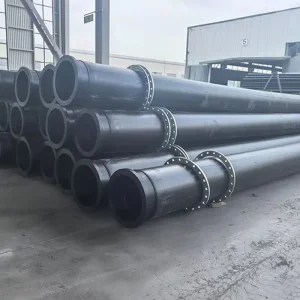
Best Heavy-Duty Pipeline for Safe and Efficient Transport Companies, Company
View Specifications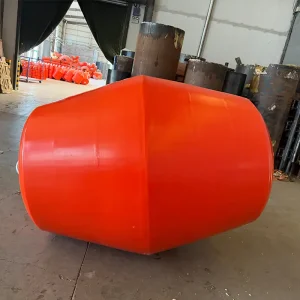
Best Foam-Filled Polyethylene Mooring Buoy for Reliable Marine Anchoring Supplier, Suppliers
View Specifications
ODM Floating Barriers for Water Protection and Environmental Management Supplier, Factories
View Specifications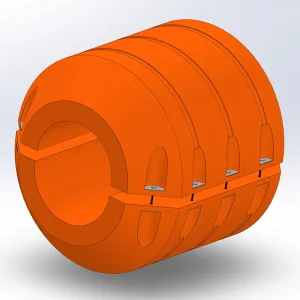
OEM Reliable Marine Pipe Floats for Pipeline Efficiency Manufacturer, Products
View Specifications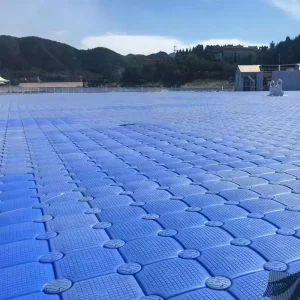
Best High-Performance Floating Boat Pontoon for Modular Water Platforms Company, Factories
View Specifications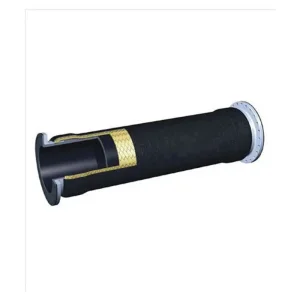
High-Quality Heavy-Duty Rubber Hose for Water and Marine Projects Supplier, Factories
View Specifications
OEM Pipeline Float for Floating Pipeline Systems and Water Transfer Projects Manufacturers, Factories
View Specifications
OEM Foam-Filled Mooring Buoy for Chain-Connected Berths Product, Companies
View SpecificationsOffshore Floating Hose Commercial & Industrial Landscape
The global market for OEM offshore floating hoses and auxiliary buoyant transfer systems has transitioned into an era characterized by deepwater resource development, stringent environmental discharge limits, and rapid modernization of port infrastructure. Historically restricted to conventional single-point mooring (SPM) terminals and calm water bunkering, modern offshore floating hoses represent highly engineered elastomeric composites operating at the intersection of dynamic structural mechanics and high-pressure fluid dynamics. Modern offshore production facilities—including Floating Production Storage and Offloading (FPSO) units, Floating Liquefied Natural Gas (FLNG) platforms, and Catenary Anchor Leg Mooring (CALM) buoys—demand continuous dynamic fluid conduit links that withstand severe cyclic tension, vortex-induced vibration (VIV), aggressive chemical degradation from sour hydrocarbons, and the relentless hydraulic hammering of turbulent seas.
Simultaneously, the dredging and land reclamation sectors have exerted unprecedented pressure on buoyancy infrastructure. Megaprojects such as coastal barrier developments, island creation in the Middle East and Southeast Asia, and deep channel maintenance across European and North American river systems have elevated the role of rotationally molded polyethylene modules and coupled elastomeric slurry transfer lines. The integration of high-density polyethylene (HDPE) outer shells filled with closed-cell polyurethane foam with synthetic-cord-reinforced heavy-duty rubber pipelines guarantees continuous operational uptime without the sudden, catastrophic fatigue cracking historically seen in unreinforced welded steel configurations.
Within this rigorous commercial context, Shandong Binzhou Juhua Rubber & Plastic Co., Ltd. (operating globally as Juhua / Giant Rubber) has established itself as an indispensable original equipment manufacturer (OEM). By operating high-precision rotational molding infrastructure featuring variable-frequency speed control and automated multi-zone thermal registration, Juhua manufactures flotation shells and industrial pipeline systems with exceptional structural symmetry, wall thickness uniformity, and modular interchangeability. This industrial rigor satisfies the high-reliability parameters established by global classification bodies and international engineering, procurement, and construction (EPC) conglomerates.
OEM Offshore Floating Hose Pricelist & Cost Determinants
A transparent breakdown of capital expenditure variables, standardized dimensional tiers, and lifecycle economics.
Procuring OEM offshore floating hoses requires a sophisticated evaluation of structural specifications rather than simple per-meter pricing. Standard commercial off-the-shelf hoses are incapable of delivering the multi-year cyclic life needed for offshore offloading. Final contract values are governed by inner diameter (ID), operating pressure rating (standard ratings range from 15 bar to 25 bar for hydrocarbon service and 10 to 30 bar for heavy abrasive slurry transfer), the presence of double-carcass leak containment barriers compliant with OCIMF GMPHOM 2009 standards, reserve buoyancy margin percentages (typically 20% to 25% minimum for floating lines), and localized elastomeric compounding.
The indicative pricelist matrix below reflects wholesale export benchmark ranges from certified Chinese OEM manufacturing hubs, delivered FOB or CIF major global seaports. These benchmarks provide procurement directors with transparent, auditable baselines for annual CAPEX budgeting and competitive bidding tenders.
| Nominal ID (inch / mm) | Design Standard & Carcass | Working Pressure (WP) | Buoyancy Configuration | Indicative Price Range (USD/Unit) | Lead Time (Weeks) |
|---|---|---|---|---|---|
| 6" (150 mm) | Single Carcass / Slurry & Bunkering | 15 Bar (220 psi) | Integral Closed-Cell PE Shells | $1,450 – $2,300 | 3 – 4 Weeks |
| 8" (200 mm) | Single Carcass / Heavy Slurry Abrasion | 15 – 20 Bar | Clamp-on Rotomolded Floats | $2,100 – $3,450 | 3 – 5 Weeks |
| 12" (300 mm) | OCIMF GMPHOM 2009 Single Carcass | 15 – 21 Bar | Integral Syntactic / PE Ring Cells | $4,200 – $6,800 | 4 – 6 Weeks |
| 16" (400 mm) | OCIMF GMPHOM 2009 Double Carcass | 19 – 21 Bar | Integral Polyurethane Foam Jacket | $7,800 – $12,500 | 5 – 7 Weeks |
| 20" (500 mm) | Double Carcass with Optical Leak Sensor | 21 Bar (300 psi) | 25% Minimum Reserve Buoyancy | $12,900 – $19,800 | 6 – 8 Weeks |
| 24" (600 mm) | FPSO Offloading / Double Carcass Marine | 21 Bar (300 psi) | Dynamic Tail/First Off-Buoy Reinforced | $18,500 – $28,000 | 8 – 10 Weeks |
Engineering Buoyancy Calculation Rule for Offshore Flotation Procurement
A common error in marine procurement is sizing buoyancy based on an empty pipe. For slurry, dredge, and oil discharge systems, buoyancy must be calculated for fully loaded dynamic density:
Total Float Buoyancy (F_b) ≥ (M_pipe + M_medium + M_fittings) × 1.25 to 1.30.
Ensuring an absolute minimum of 25% reserve buoyancy guarantees that roughly one-quarter of the hose diameter remains visible above the water plane under non-breaking wave loads, preventing structural seabed grounding and hydrodynamic drag spikes.
Raw Elastomeric & Steel Purity
Commercial quotation variance depends heavily on natural rubber ratios, carbon black grades (N330/N220), and high-tensile spiral steel wire reinforcement instead of low-cost cord scrap.
Quality Verification & Prototyping
Certified OCIMF factory acceptance testing (FAT)—including dynamic bending, hydrostatic burst pressure, and kerosene vacuum tests—directly correlates with premium longevity and zero spills.
Rotomolded Flotation Synergy
By pairing heavy-duty rubber hoses with in-house manufactured polyethylene clamp floats, Juhua eliminates intermediary margins, delivering turnkey packages at optimal cost efficiency.
Offshore Hose Technology Roadmap (2025–2035)
Strategic engineering shifts defining next-generation dynamic marine fluid lines.
The offshore fluid conveyance sector is experiencing a technological pivot driven by harsh operational limits, environmental governance (ESG), and digitalization. OEM manufacturers no longer merely build passive rubber hoses; they design complex, multi-layered telemetry-enabled marine conveyance conduits. Juhua's continuous research and development roadmap focuses on several technological frontiers:
Smart Sensor Integration
Integration of distributed fiber-optic Bragg grating (FBG) sensors within the secondary carcass allows real-time strain monitoring, localized fatigue warnings, and early hydrocarbon seepage detection.
Nano-Composite Barrier Linings
Formulating inner tube liners with graphene-augmented fluoroelastomers to stop hydrogen embrittlement, H2S acid-gas cracking, and micro-abrasion from heavy slurry particulates.
Bio-Based Flotation Core Fillers
Replacing traditional CFC-blown polyurethanes with high-rigidity closed-cell recyclable expanded polymers that resist deepwater hydrostatic water ingress even after shell breach.
Modular Rapid-Coupling Flanges
Engineering forged alloy structural nipples with titanium-stabilized weld overlays to maximize galvanic corrosion resistance against constant seawater immersion.
In parallel, the adoption of advanced rotational molding simulation allows Juhua to refine molecular weight distribution within its polyethylene shells. By preventing micro-porosity during the heating and cooling cycles, Juhua produces float shells with exceptional environmental stress-crack resistance (ESCR > 1,000 hours ASTM D1693 condition B), ensuring durability even under the intense UV radiation of equatorial waters.
Localized Offshore Application Scenarios & Turnkey Systems
Addressing challenging environmental conditions across key offshore operating regions.
North Sea & Arctic Conditions
Operational Challenges: Sub-zero operational temperatures, significant wave heights (Hs > 5.5 m), and cyclic fatigue from severe hydrodynamic wave action.
OEM Solution: Low-temperature plasticized nitrile inner blends paired with heavy-duty outer neoprene covers resistant to cold-flex fatigue, accompanied by high-impact PE shell buoys.
Middle East & Equatorial Waters
Operational Challenges: High surface water temperatures, elevated salinity, high UV degradation, and intermittent high-velocity tidal currents.
OEM Solution: Rotomolded hulls featuring specialized carbon-black UV-stabilizers (UV8 rating) and anti-fouling outer coatings that resist marine growth adhesion without biocide leaching.
Mining Tailings & River Estuaries
Operational Challenges: High concentrations of sharp silica sand, iron ore slurry, heavy mechanical turbulence, and variable river-to-sea tides.
OEM Solution: Extra-thick vulcanized natural/polybutadiene inner abrasive liners (up to 25 mm wear thickness) mated with interlocking polyethylene pipe floats with integrated cable troughs.
For large-scale marine and coastal projects, managing multiple individual component suppliers introduces significant logistical friction and risk. Juhua solves this by engineering complete, matched flotation ecosystems. An offshore offloading or desilting line functions as a unified hydrodynamic system: the dynamic movement of the heavy-duty rubber hose is absorbed by the reserve buoyancy of marine pipeline floats, moored stably by foam-filled mooring buoys, and shielded from industrial debris by heavy-duty floating barriers. Sourcing these components from a single qualified manufacturer ensures unified testing standards, uniform flange connections, and predictable field performance.
Frequently Asked Engineering & Procurement Questions
Direct answers addressing the structural, commercial, and operational queries of marine engineering teams.
What distinguishes an offshore floating hose from a land-based or submarine hose?
An offshore floating hose integrates intrinsic or external reserve buoyancy (such as rotational-molded closed-cell polyurethane foam shells) along its entire length to maintain steady buoyancy on the surface of the sea. Unlike static submarine lines, floating hoses operate dynamically under cyclic bending stress, torsion from surface currents, and wave-induced heave, requiring compliant reinforcement plies, anti-crush helical steel wire, and specialized oil/weather-resistant outer covers.
How does double-carcass construction enhance marine environmental safety?
Compliant with OCIMF GMPHOM 2009 standards, a double-carcass hose features an independent primary carcass enclosed within a secondary outer reinforcement carcass. If the primary carcass experiences fatigue cracking or structural rupture, the secondary carcass safely contains the pressurized fluid while triggering a visual or electronic leak indicator. This safeguards against catastrophic hydrocarbon spills into fragile marine habitats and allows offloading operations to wind down safely.
What core operational parameters are required to receive an accurate OEM quotation?
To produce an exact manufacturing drawing and commercial proposal, our engineering team requires: (1) Inside diameter (ID) and total line length; (2) Conveyed medium characteristics, specific gravity, and chemical composition; (3) Operating, proof, and minimum burst pressures; (4) Required minimum reserve buoyancy percentage (standard: 20% to 25%); (5) Flange connection specifications (ASME, EN, or custom); and (6) Metocean wave/current criteria for the intended installation basin.
How do rotomolded polyethylene pipe floats compare with traditional steel buoyancy barrels?
Rotationally molded polyethylene (PE) floats present comprehensive operational advantages over steel barrels: they are immune to seawater corrosion, require zero sandblasting or painting maintenance, do not puncture on mild impacts, and are filled with water-impervious closed-cell polyurethane foam. In marine environments, PE floats deliver lower lifetime operational costs, eliminate corrosion-induced sinkings, and provide reliable buoyancy across their operational life.
What is the standard warranty period and expected working lifespan of Juhua marine systems?
Juhua provides a formal industrial warranty terminating 18 months from the official handover date to the investor or 12 months after field installation, whichever occurs first. With scheduled preventative maintenance, cathodic anode replacement on metallic flanges, and compliance with minimum bend radii, our rotomolded flotation products and heavy-duty marine lines regularly achieve operational service lifespans spanning 8 to 15 years.
Engineered Dredging Pipelines, Pontoons & Custom Marine Buoys
Specialized modular infrastructure designed to maintain operational stability across industrial marine and hydraulic applications.
High-Quality Durable Floating Barriers for Water Protection Projects Product, Pricelist
View Specifications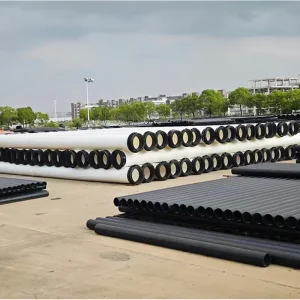
OEM Industrial-Grade Pipeline for Reliable Fluid Transport Companies, Factory
View Specifications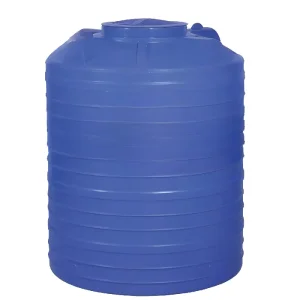
Custom Polyethylene Rotomolded Water Storage Tank – Durable and Safe Liquid Storage Solution Supplier, Factories
View Specifications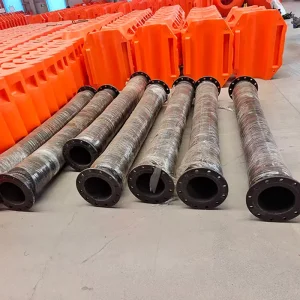
High-Quality High-Performance Rubber Hoses for Water and Slurry Transport Suppliers, Factories
View Specifications
Custom Deepwater Pipeline Support Float – Modular and Reliable Supplier, Manufacturers
View Specifications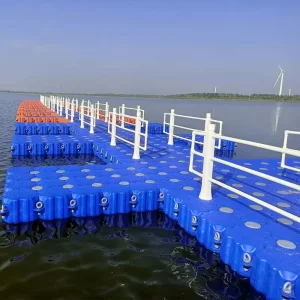
Custom Premium Floating Boat Pontoon for Safe and Stable Water Platforms Products, Quotes
View Specifications
Best Foam-Filled Mooring Buoy for Marinas, Anchorages and Offshore Facilities Manufacturer, Factories
View Specifications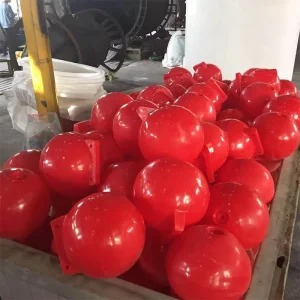
Best PE Float Ball – Durable Buoyancy Solution for Water Projects Products, Quotes
View SpecificationsConsult Our Marine Flotation Design Team
Connect directly with Juhua's application engineers for custom buoyancy calculations, flange alignment verifications, and tailored quotation documentation.
Direct Engineering Hotline
Direct access to our senior marine pipeline engineering group.
+86-158-6665-7686
Technical Specifications & RFQs
Submit FEED study data, tender parameters, and project drawings.
[email protected]
Manufacturing Facility Location
West Industrial Park, Lizhuang Town, Huimin County, Binzhou City, Shandong Province, China