OEM Foam-Filled Mooring Buoy for Chain-Connected Berths Product, Companies
Product Description
Contact Us
We are committed to providing you with the best quality service and look forward to communicating with you to solve problems together and bring you a better experience.
-
 Phone: +86-158-6665-7686
- WhatsApp: +86-158-6665-7686
-
 E-mail: [email protected]
-

WhatsApp
-

WeChat


Why Choose Giant Rubber?
Over 15 Years Experience
More than 15 years in flotation manufacturing, trusted by marine and water projects worldwide.
Strict Quality Assurance
Every product passes rigorous testing to ensure strength, durability, and UV resistance.
Customized Engineering Solutions
Tailor-made flotation systems for dredging, aquaculture, navigation, and environmental projects.
Fast Global Delivery
Efficient logistics and direct factory supply guarantee on-time worldwide delivery.
Continuous Innovation in Design
Advanced R&D ensures modern, reliable, and eco-friendly flotation products.
Dedicated Customer Support
Professional service from project design to after-sales, ensuring worry-free cooperation.
Product Features
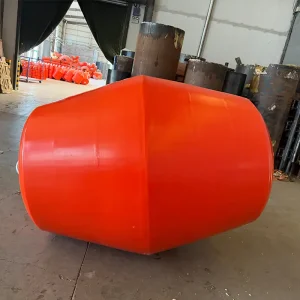
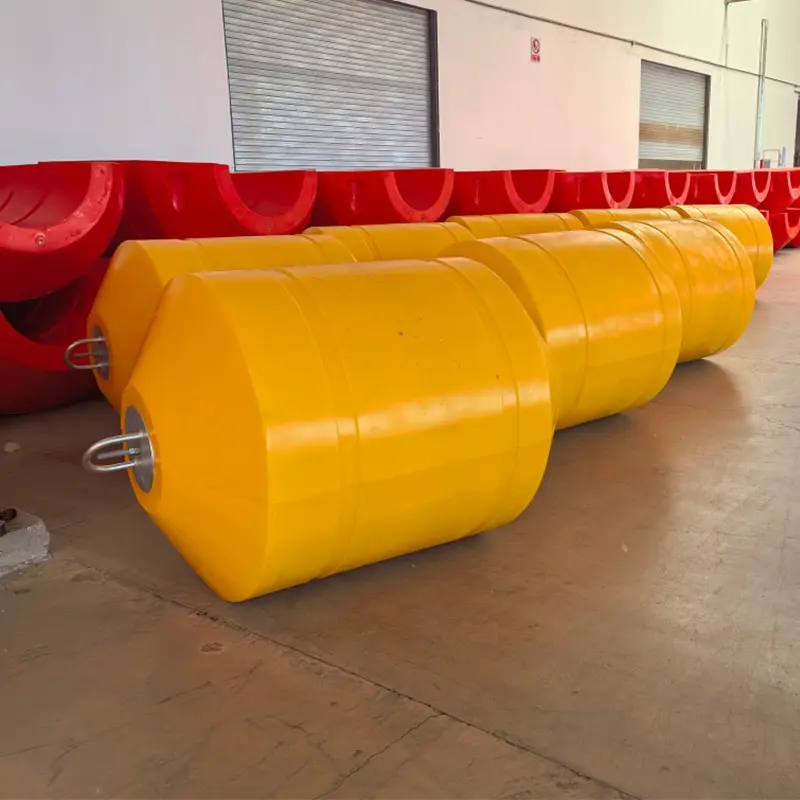
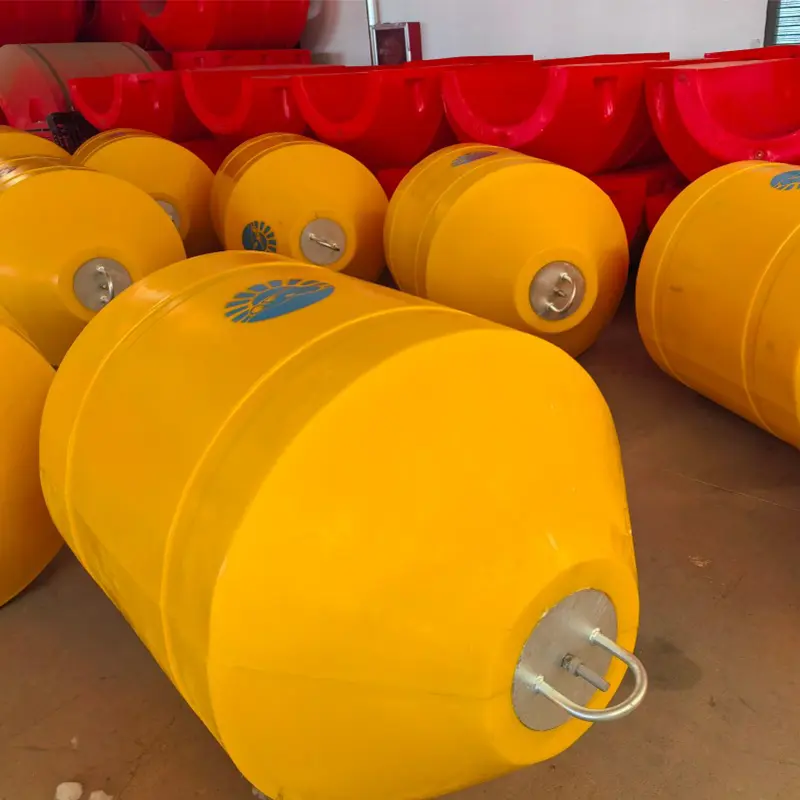
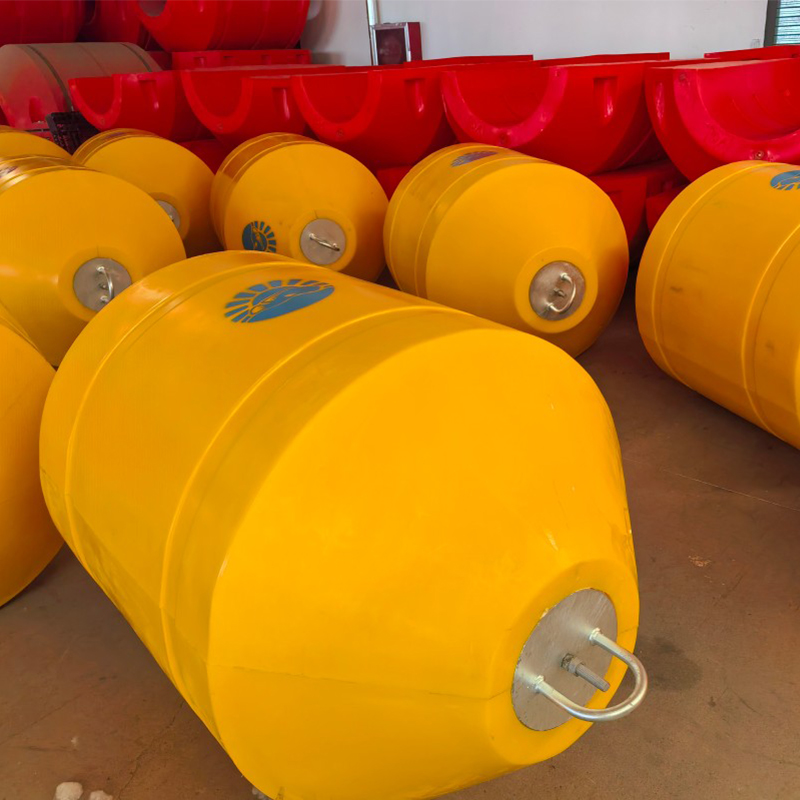
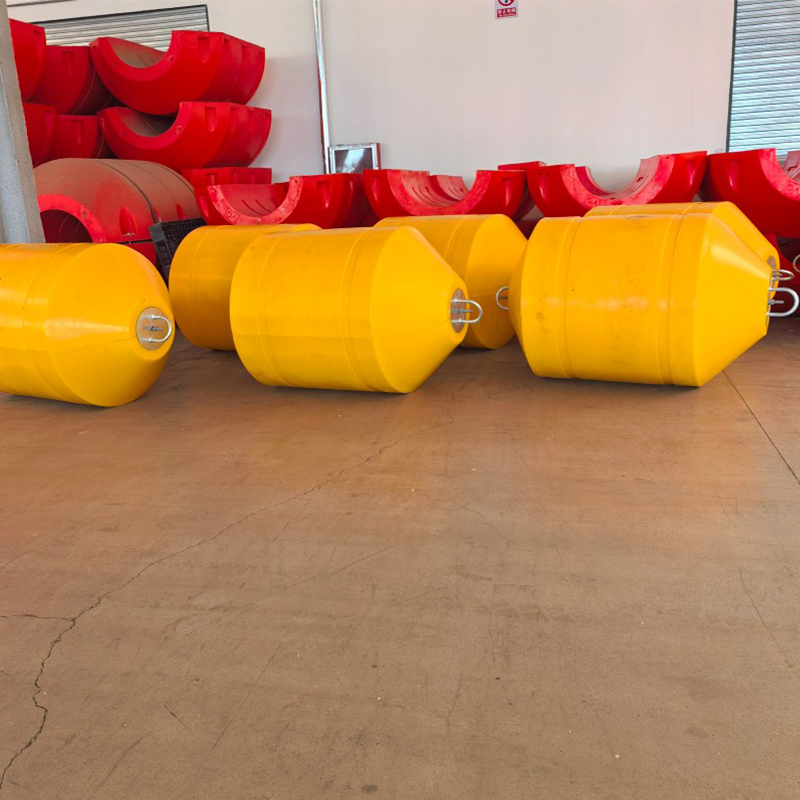
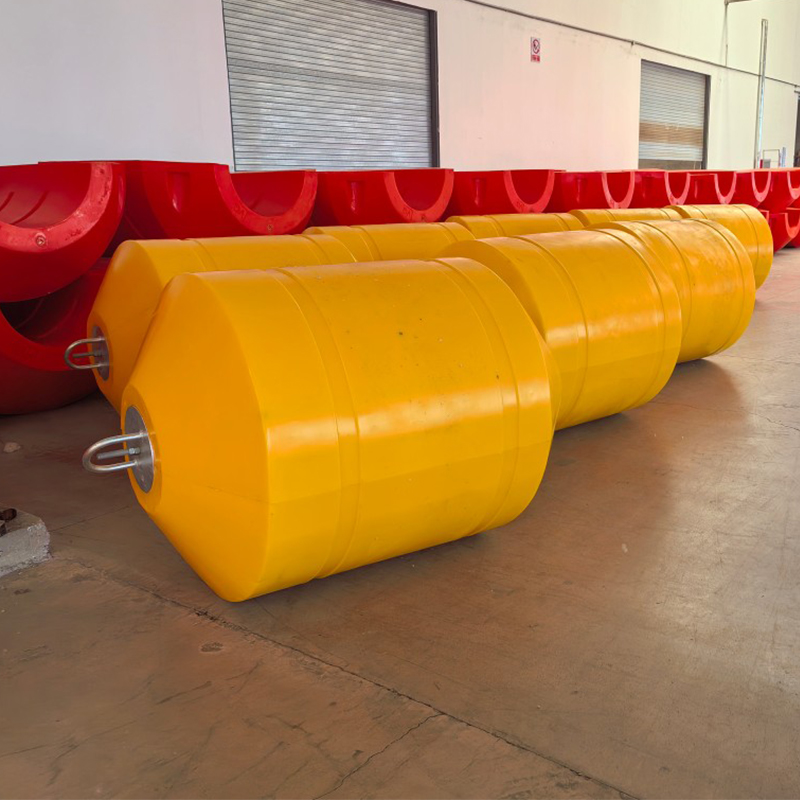
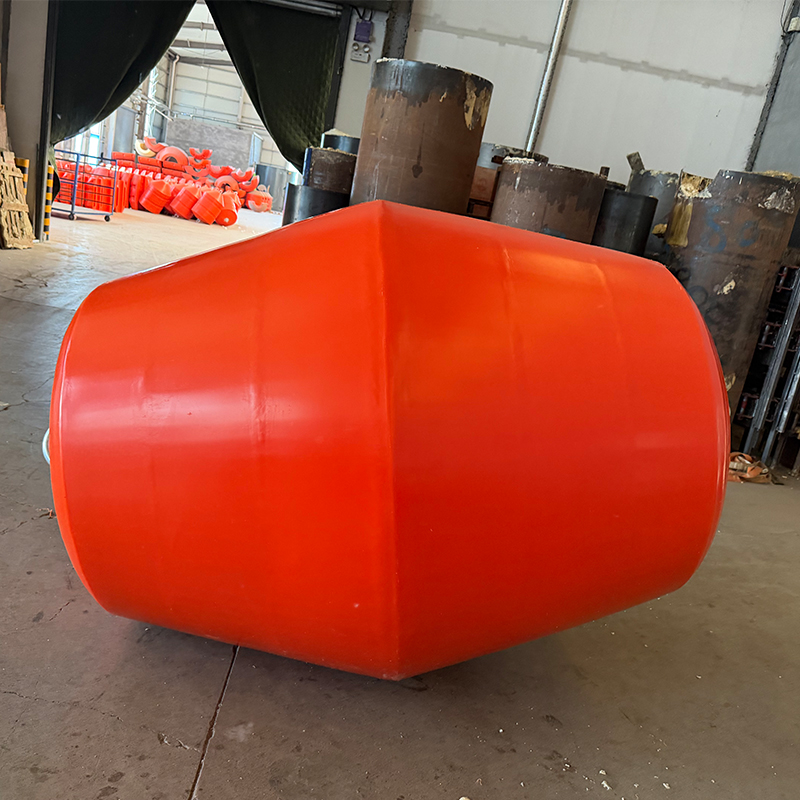
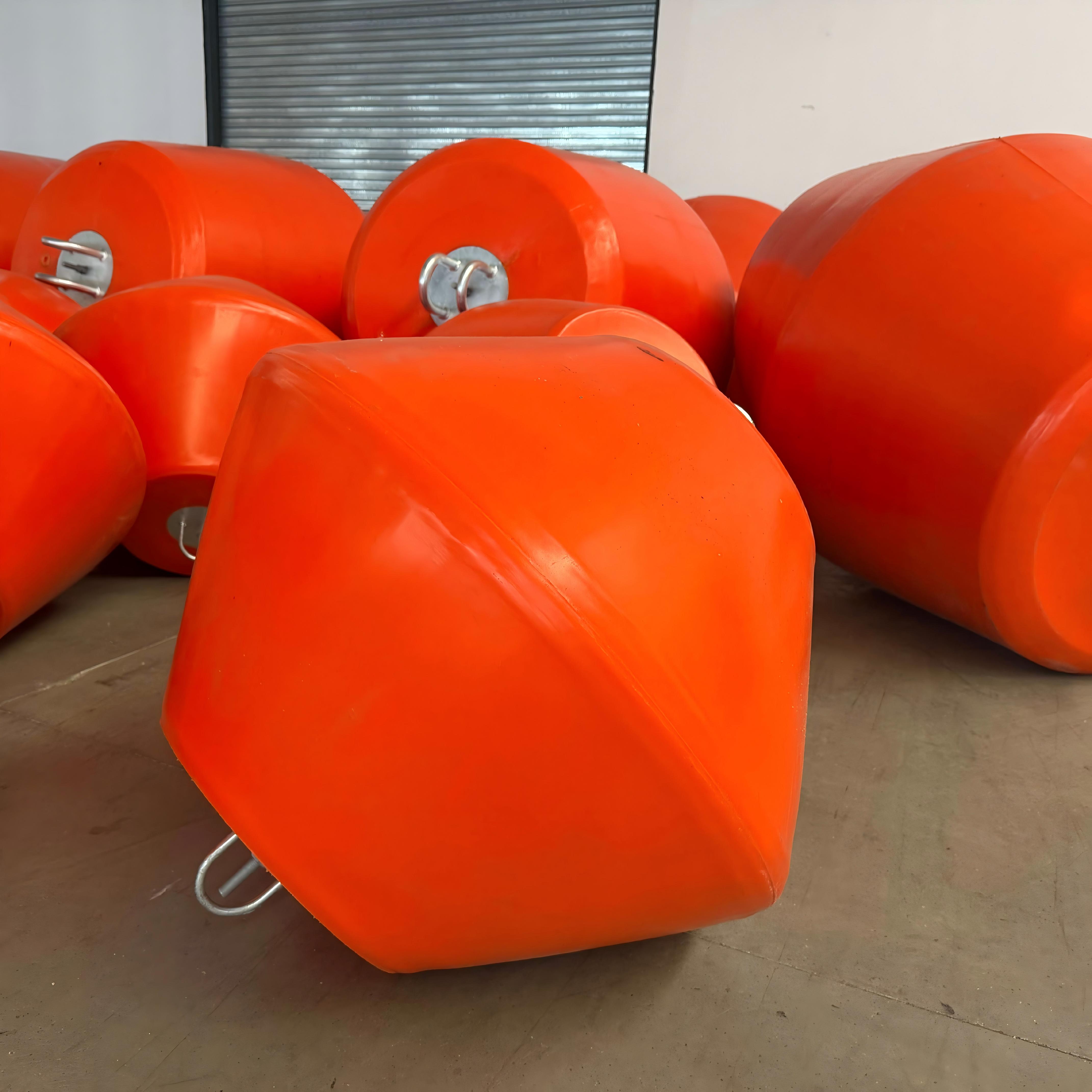
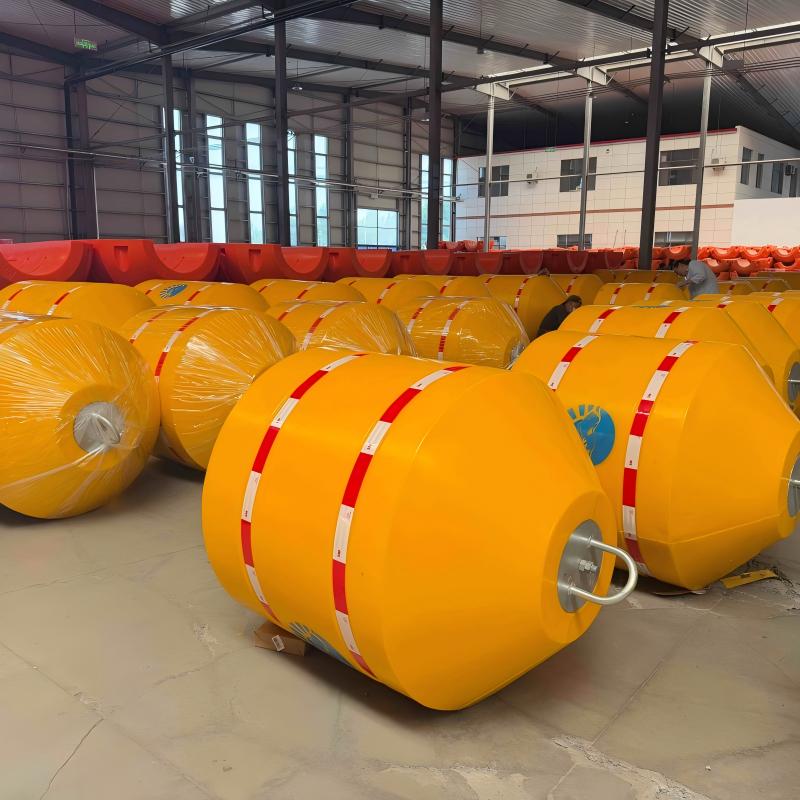
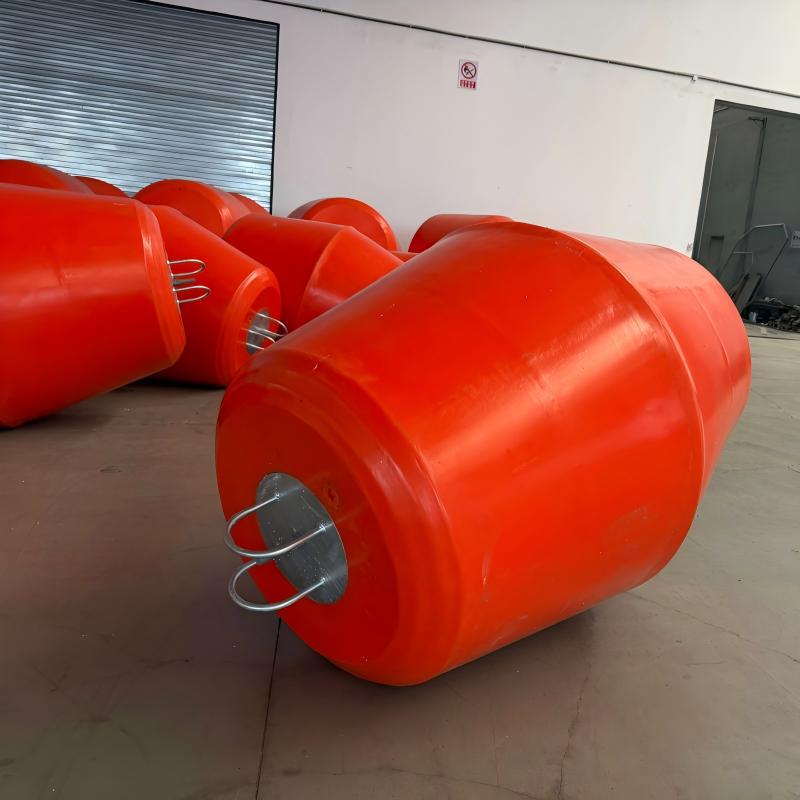
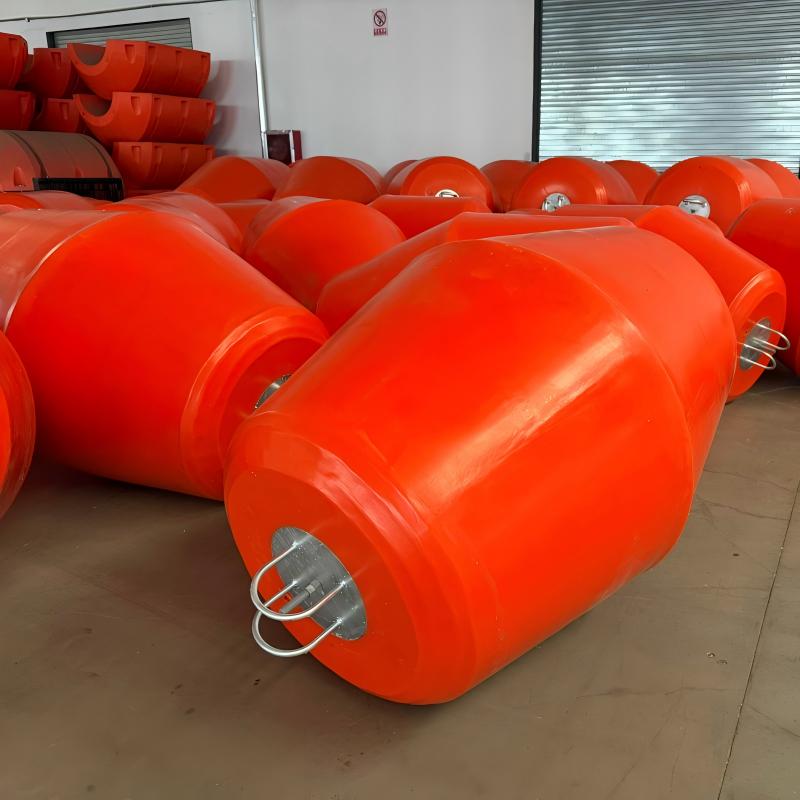
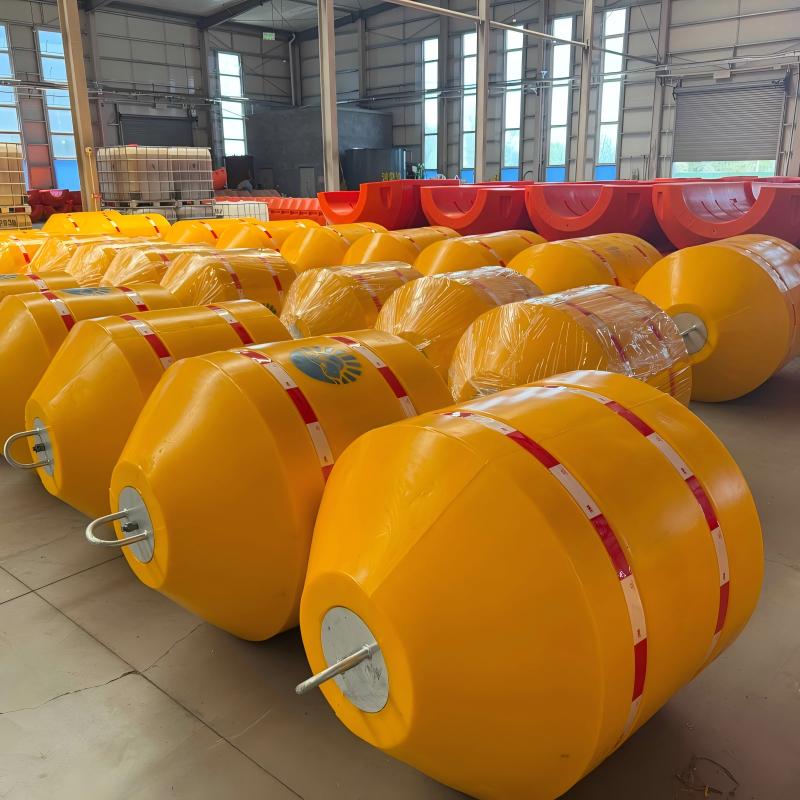
- Closed-Cell Foam Flotation – Your foam-filled mooring buoy retains flotation support after localized damage to its outer shell, depending on the extent of the damage.
- Rotomolded Polyethylene Body – You receive a seamless outer shell with good resistance to seawater exposure, moisture, and everyday contact during marine operations.
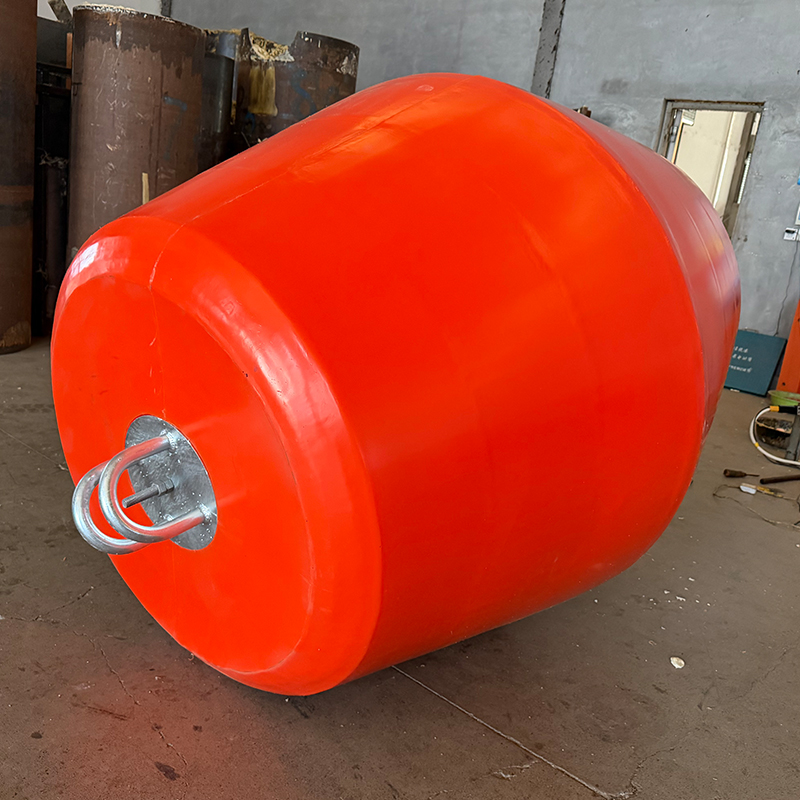
- Central Steel Load-Bearing Assembly – Your mooring forces are transferred through the internal structural components rather than relying on the polyethylene shell to carry the primary tensile load.
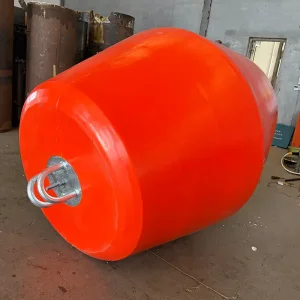
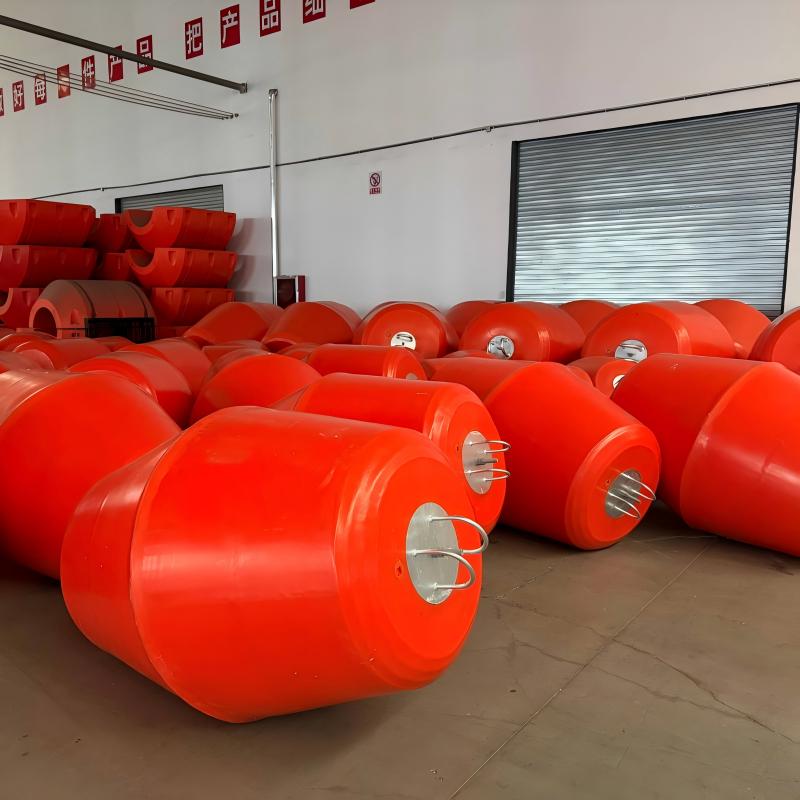
- Marine Connection Hardware – You can specify galvanized or stainless-steel fittings according to your approved mooring arrangement and environmental requirements.
- Multiple Buoy Size Options – You can select from different nominal capacities while confirming the usable buoyancy and structural rating of the chosen model.
- Accessible Connection Design – You can review the location and dimensions of the attachment fittings before installation to confirm compatibility with your mooring hardware.
- Reduced Shell Maintenance – The polyethylene flotation body does not require the same rust-removal and repainting procedures as a conventional steel flotation shell.
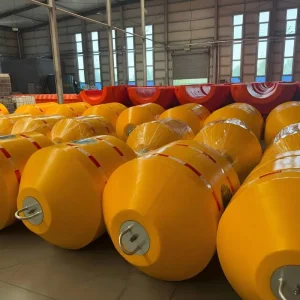
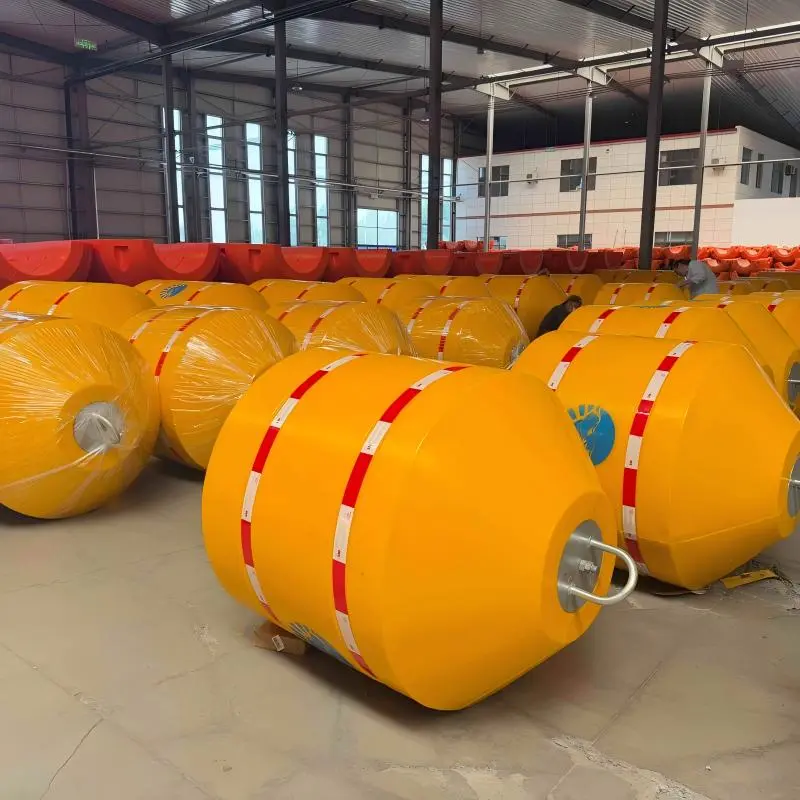
- Custom Mooring Buoy Manufacturing – You can request specific dimensions, central assemblies, fitting arrangements, colors, and equipment identification to match your project drawings.
-
Productdetail1
-
Productdetail2
-
Productdetail13
-
Productdetail3
-
Productdetail14
-
Productdetail5
Mooring Buoy Specifications
| Parameter | Specification |
| Product Type | Foam-Filled Mooring Buoy |
| Shell Material | Rotomolded Polyethylene |
| Internal Filling | Closed-Cell Foam |
| Structural Support | Central Steel Assembly |
| Hardware Material | Galvanized Steel / Stainless Steel Options |
| Published Nominal Capacity Range | 500–2,000 L |
| Net Buoyancy | Confirmed for Selected Model |
| Finished Buoy Weight | According to Approved Drawing |
| Rated Mooring Load | According to Verified Structural Rating |
| Connection Dimensions | According to Approved Hardware Drawing |
| Custom Manufacturing | Dimensions, Fittings and Identification |
Applications
You can use these polyethylene mooring buoys in chain-connected vessel berths, designated anchorage positions, commercial marine facilities, floating equipment moorings, and appropriately designed offshore support installations.
They are relevant when your project requires a surface flotation unit connected to a separate underwater anchoring arrangement.
For existing facilities, a custom mooring buoy may be specified to match the dimensions and connection layout of equipment already installed.
You can also consider the product for selected workboat moorings, floating pontoons, and service-vessel holding positions, provided the complete installation is engineered for the intended use.
Your final configuration should reflect the vessel or equipment loads, water conditions, and anchoring design rather than the application name alone.
-
45
-
378
-
73423
Mooring Buoy Inspection and Acceptance
When receiving a marine mooring buoy, you need to confirm that the product matches the approved specification.
Your inspection should begin with the overall dimensions, visible shell condition, and connection geometry.
The central steel assembly and any supplied fittings should also correspond to the agreed technical drawings.
If your purchase requires material records, flotation verification, structural testing, or dimensional inspection reports, the acceptance criteria should be established before production.
This helps your procurement team distinguish between general manufacturing claims and documents that actually relate to the products supplied.
You should also check that loose connection hardware is identified correctly and matches the relevant buoy configuration.
-
7
-
5
-
4
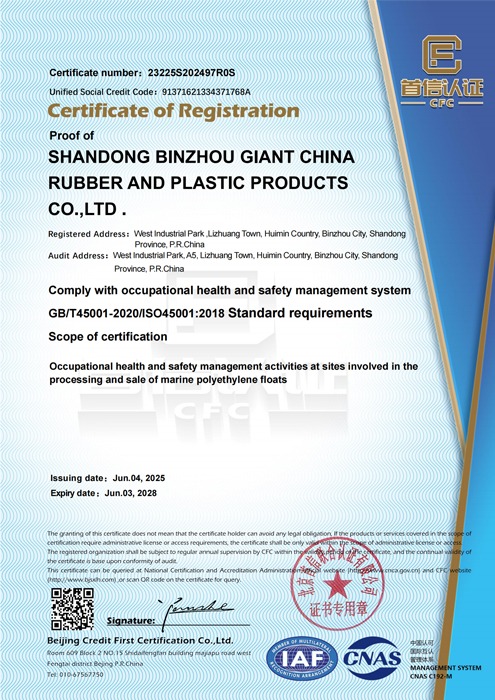
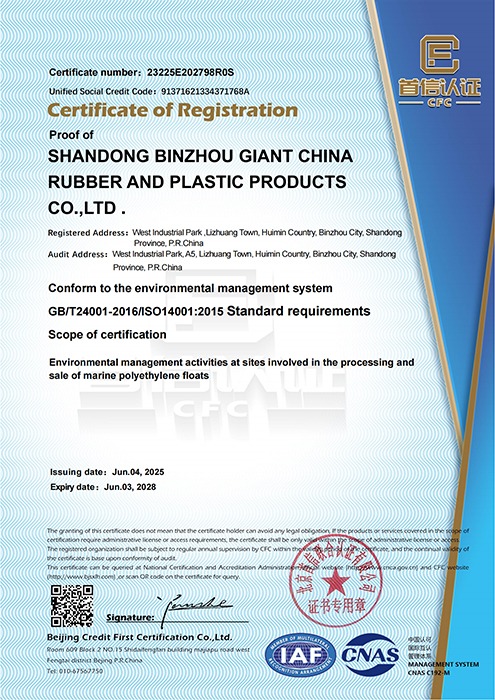
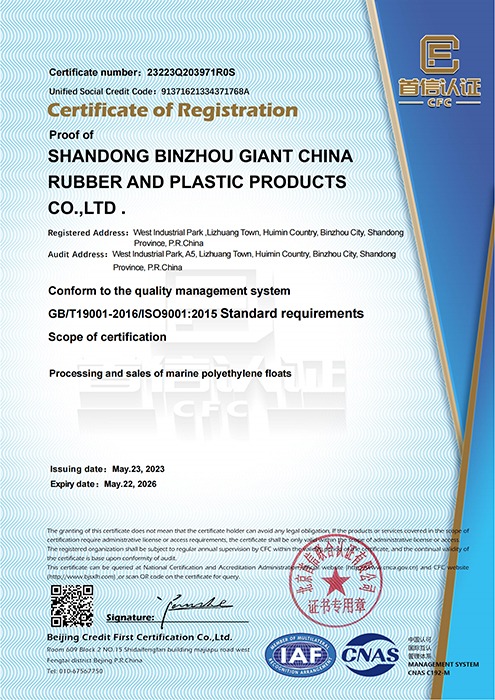
Qualification Certificate
-
7
-
5
-
6

Custom Design

Quality Assurance

Technical Support

Fast Delivery

Maintenance Guidance

After-Sales Service
FAQ
Can You Connect a Mooring Buoy to Synthetic Rope Instead of Chain?
A rope connection may be possible if the buoy and associated fittings are suitable for the proposed arrangement. You should confirm the rope termination, connector geometry, abrasion protection, and expected loads with the responsible engineer.
Do Mooring Buoy Connection Points Need Chafe Protection?
That depends on the hardware geometry and the movement expected during service. Where contact or abrasion could occur, you should assess whether suitable wear protection or a different connection arrangement is necessary.
Can You Replace Only the Metal Fittings on a Mooring Buoy?
This depends on the buoy's structural design and the condition of the existing assembly. You should not dismantle or replace a load-bearing component unless the manufacturer has approved the procedure and the replacement parts.
Can a Mooring Buoy Be Supplied Without the Complete Anchoring System?
The supply scope can be discussed during quotation. You should specify whether you need the buoy assembly alone or additional components. The final order should clearly identify which fittings and accessories are included.
Does a Damaged Outer Shell Cause the Buoy to Lose Flotation?
Your foam-filled mooring buoy retains flotation support after localized damage to its outer shell, depending on the extent of the damage, due to its closed-cell foam flotation design.
Can Mooring Buoys Be Customized to Match Project Drawings?
Yes, you can request specific dimensions, central assemblies, fitting arrangements, colors, and equipment identification to match your project drawings.