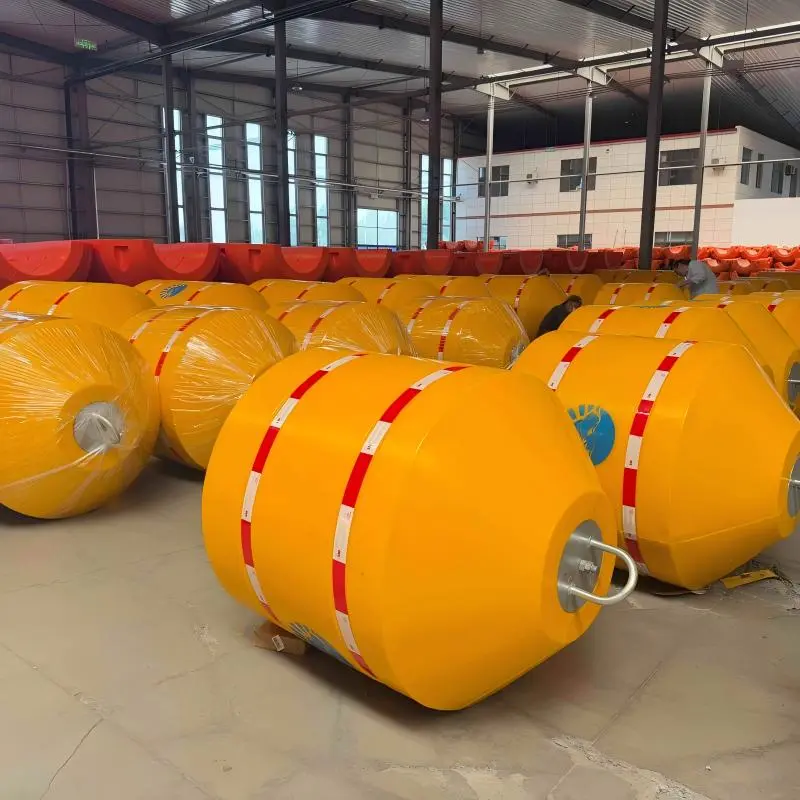
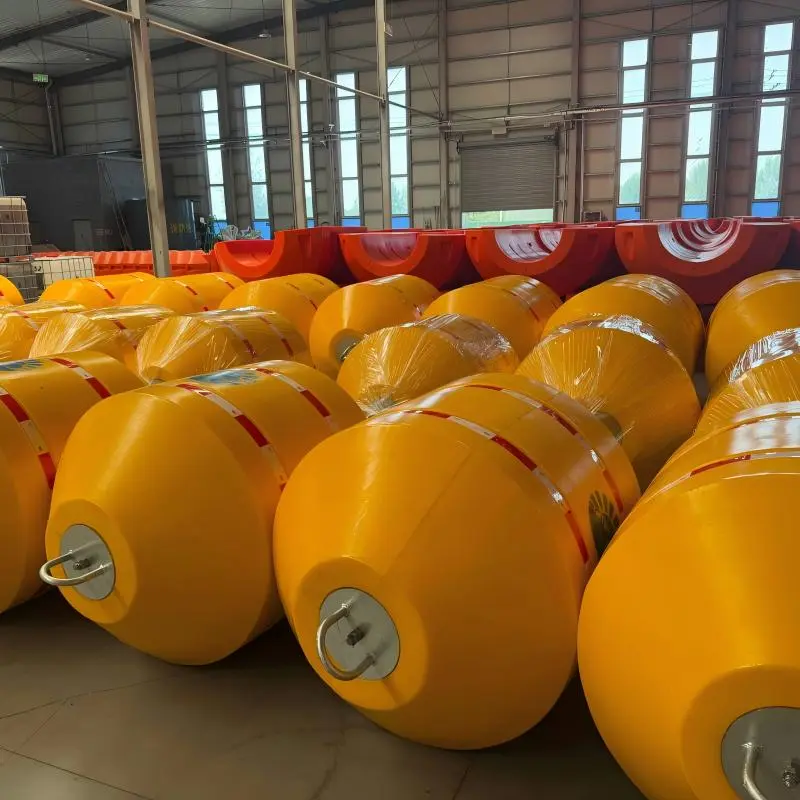
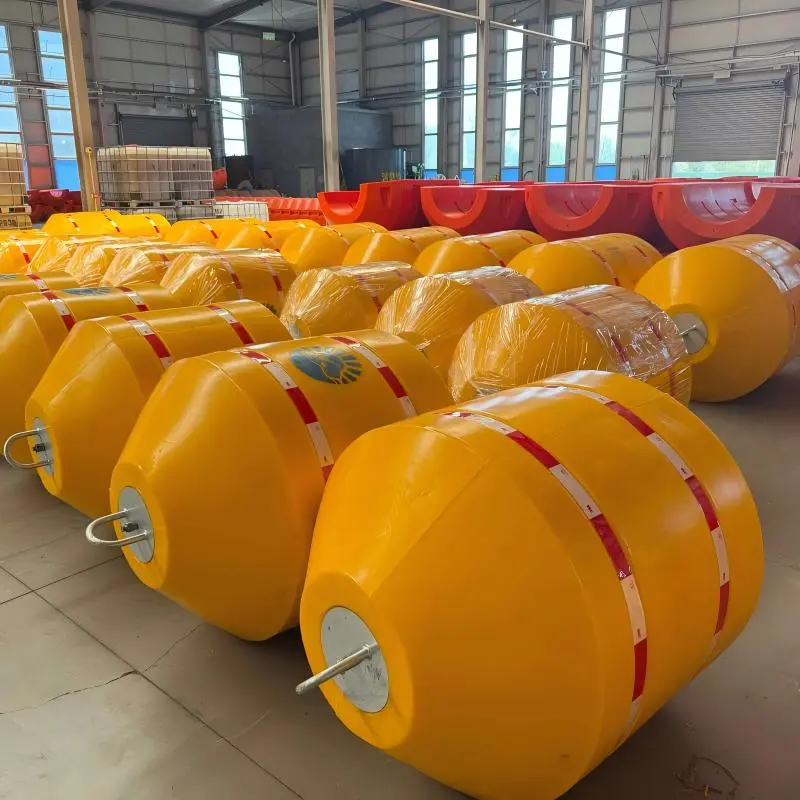
High-Quality Offshore Polyethylene Mooring Buoy – Safe, Durable and Maintenance-Free Floating Mooring System Companies, Factories
Product Description
Contact Us
We are committed to providing you with the best quality service and look forward to communicating with you to solve problems together and bring you a better experience.
-
 Phone: +86-158-6665-7686
- WhatsApp: +86-158-6665-7686
-
 E-mail: [email protected]




Why Choose Giant Rubber?
Over 15 Years Experience
Strict Quality Assurance
Customized Engineering Solutions
Fast Global Delivery
Continuous Innovation in Design
Dedicated Customer Support
Product Features
Engineered for Continuous Marine Service
Designed for year-round deployment, the buoy maintains stable performance under waves, currents, and changing weather conditions.
Foam-Filled Safety Construction
The internal closed-cell foam prevents loss of buoyancy and helps ensure continuous operation even if the outer shell is damaged.
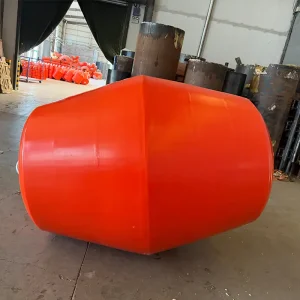
Advanced Polyethylene Shell
The rotomolded outer body offers excellent resistance to UV exposure, seawater corrosion, and mechanical wear.
Lightweight Handling
Compared with traditional steel alternatives, the buoy is significantly lighter, making transportation and installation more efficient.
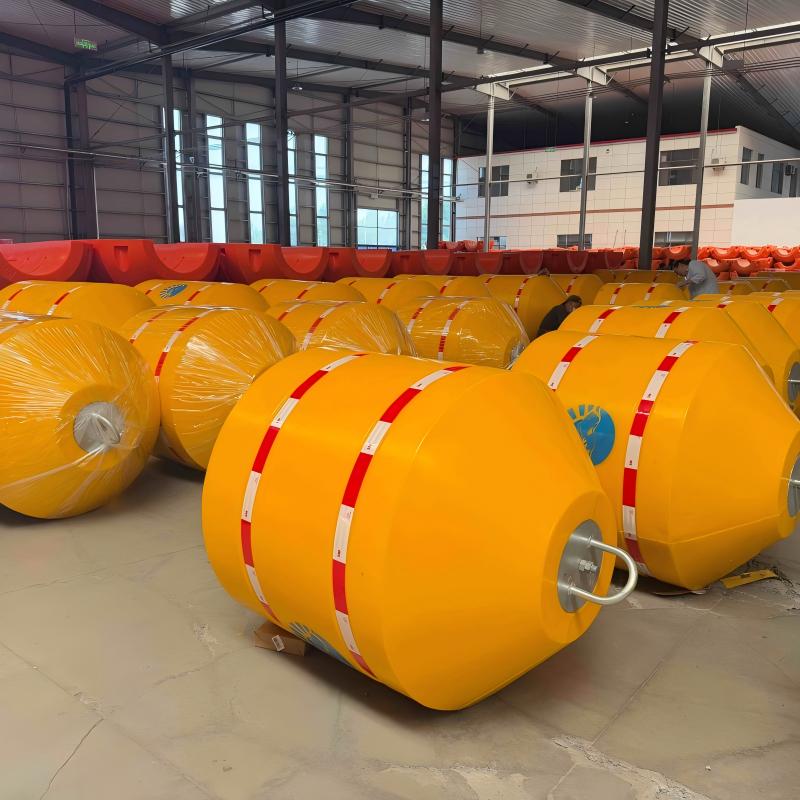
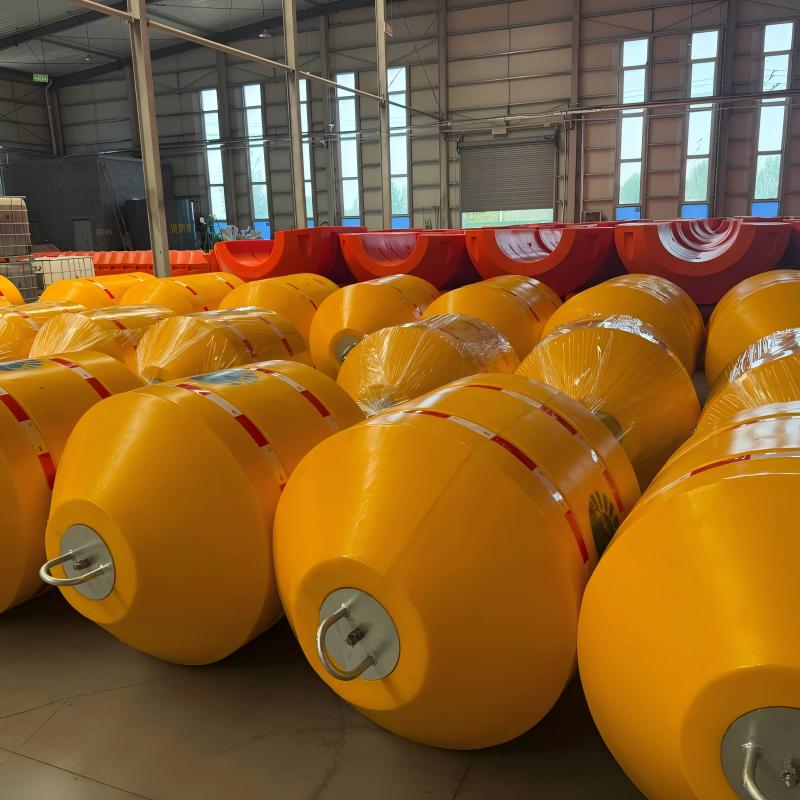
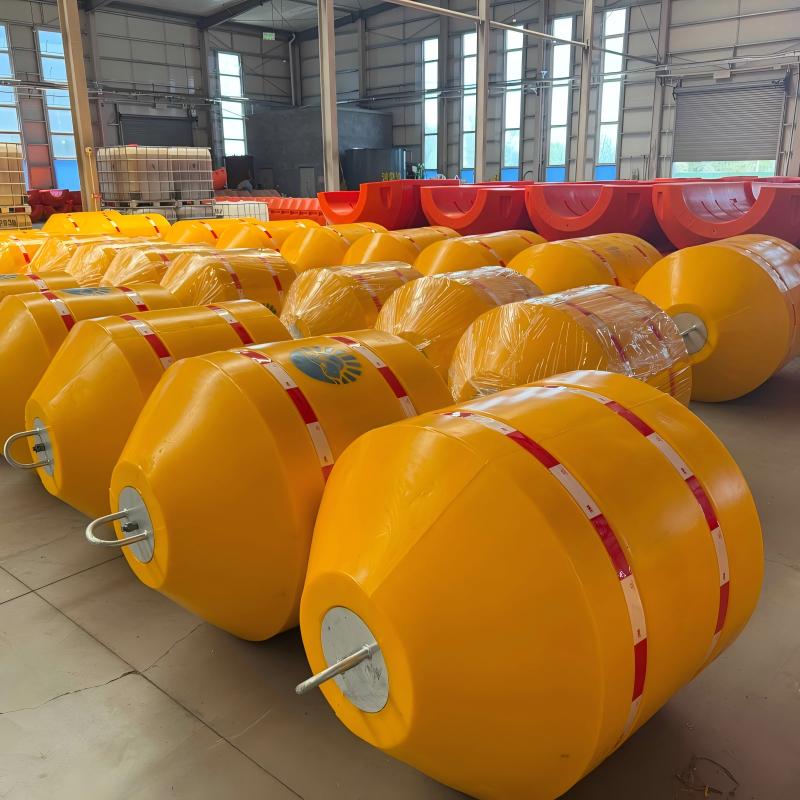
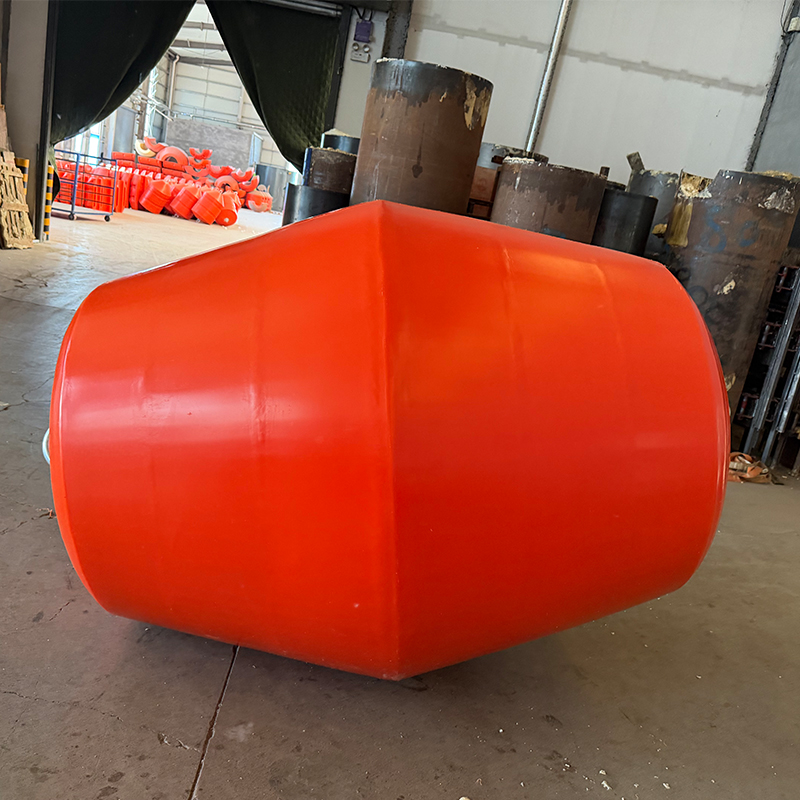
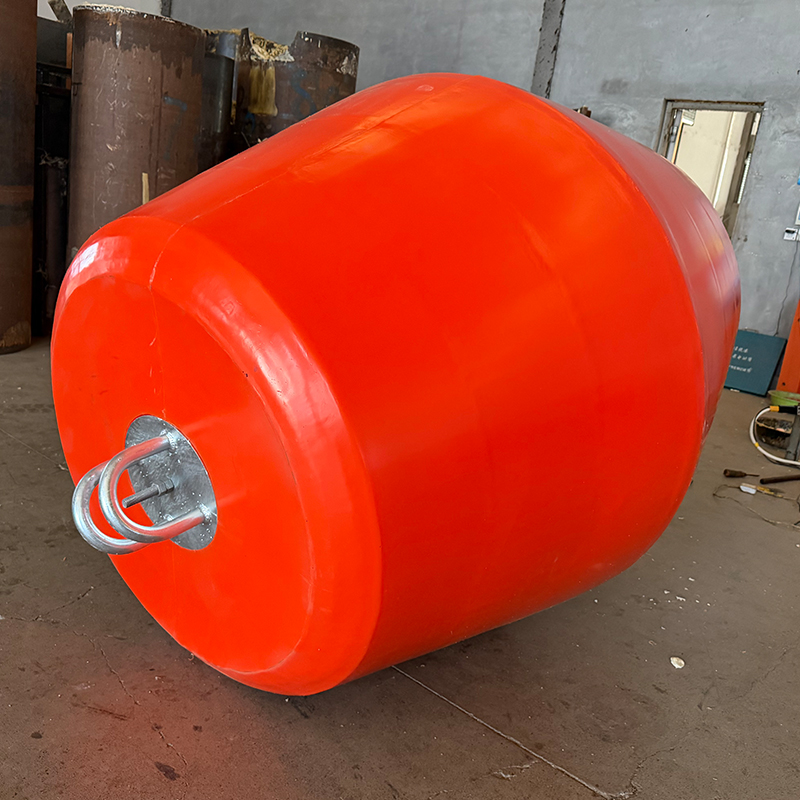
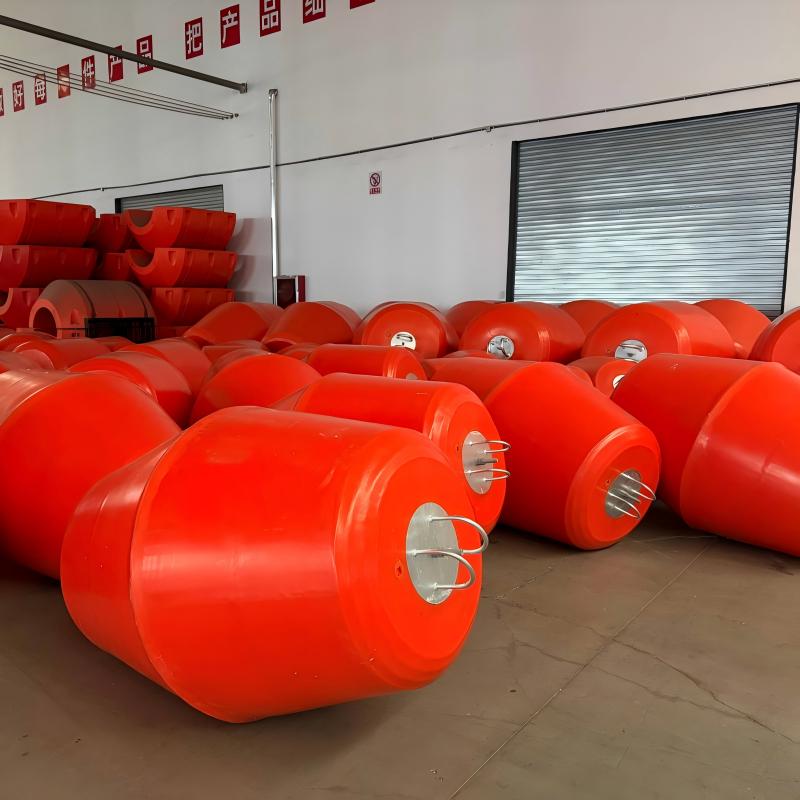
Pipe Floats Specifications
| Item | Description |
|---|---|
| Shell Material | PE / HDPE / UHMWPE |
| Filling Material | Closed-Cell Polyurethane Foam |
| Manufacturing Method | Rotational Molding |
| Internal Framework | Steel Reinforcement Structure |
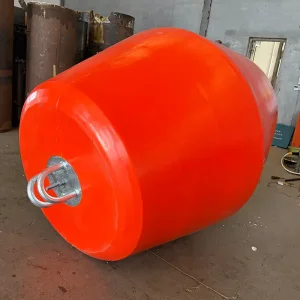
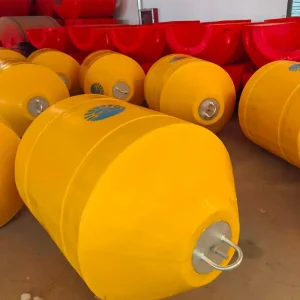
| Hardware Options | Galvanized Steel / Stainless Steel |
| UV Resistance | Yes |
| Impact Resistance | High |
| Maintenance Requirement | Very Low |
| Color Options | Yellow, Orange, Red, Green, White |
| OEM Service | Available |
| Custom Manufacturing | Available |
Applications
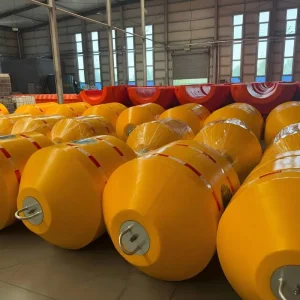
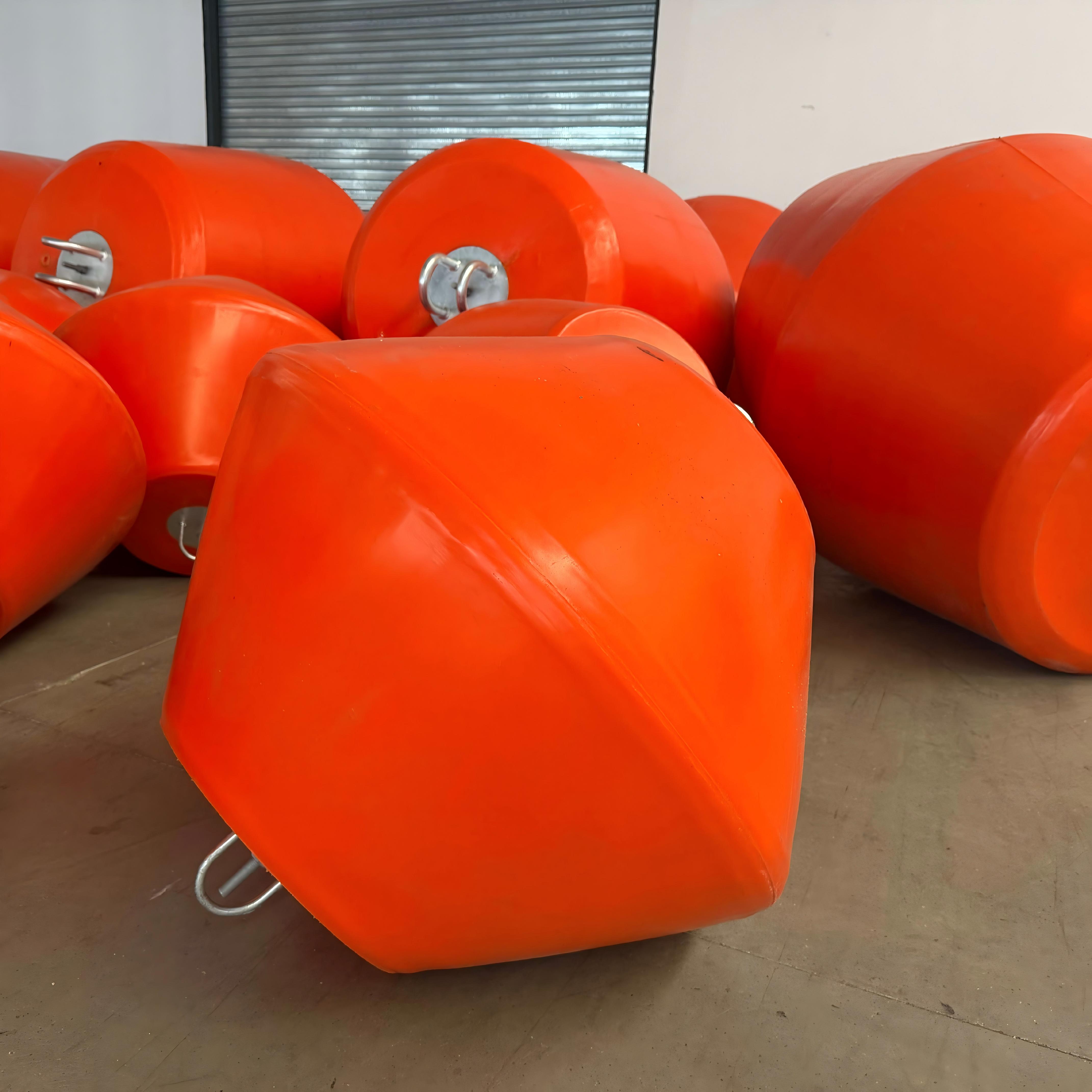
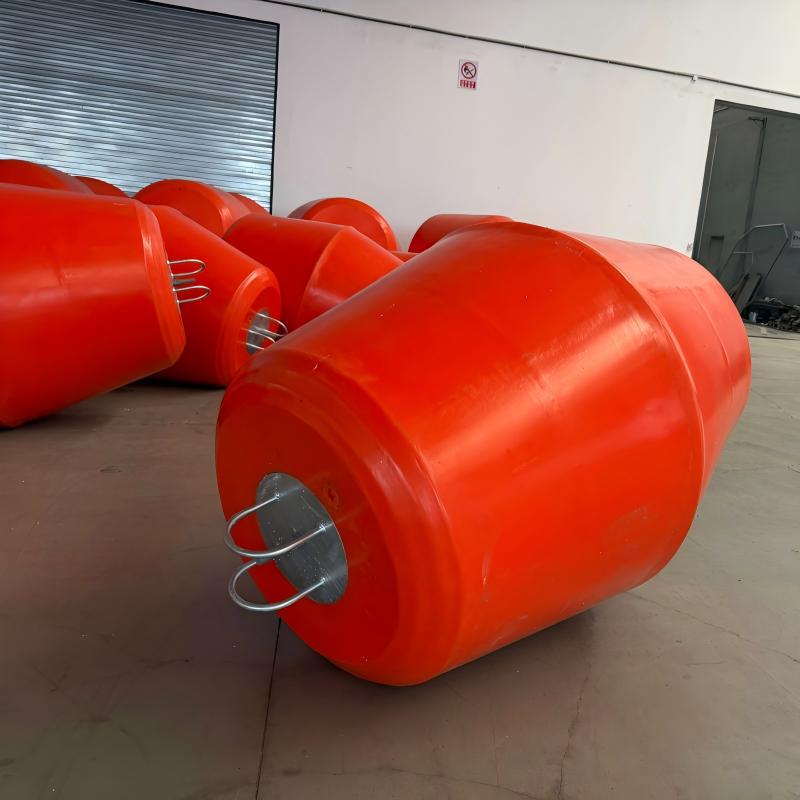
Polyethylene Mooring Buoys are suitable for vessel berthing systems, marina management, offshore support operations, anchorage zones, floating pontoons, and coastal infrastructure projects. They are commonly used to secure fishing vessels, passenger boats, yachts, tugboats, service craft, and floating work platforms. Their durability makes them particularly valuable in locations where maintenance access is limited.
Industry Fields
These buoys are widely used across commercial ports, yacht marinas, offshore energy developments, marine construction projects, fish farming operations, coastal transportation systems, and government maritime facilities. They are also increasingly selected for environmentally sensitive waterways where corrosion-free and recyclable materials are preferred.
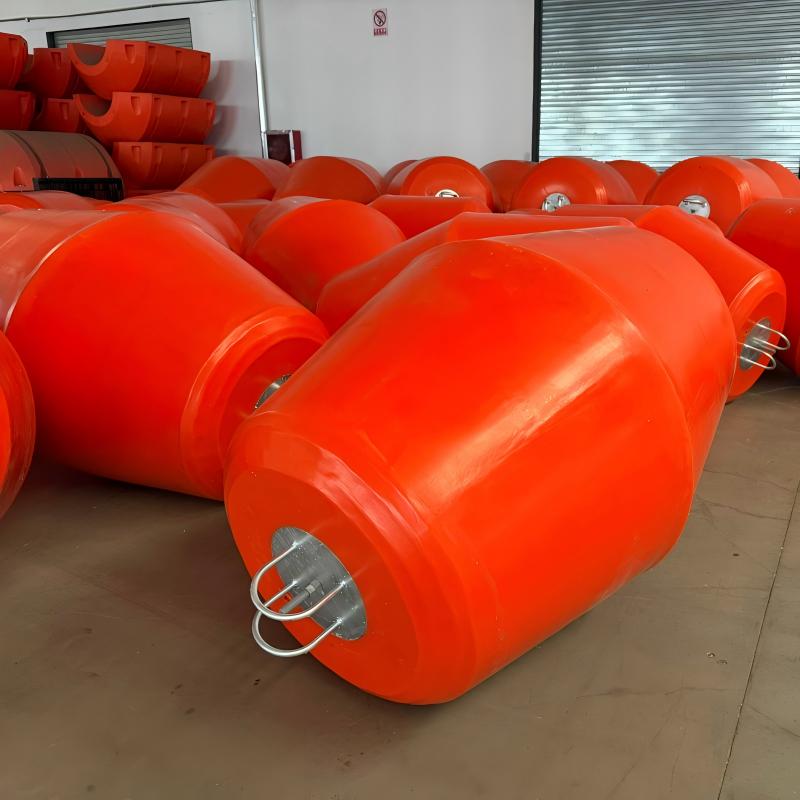
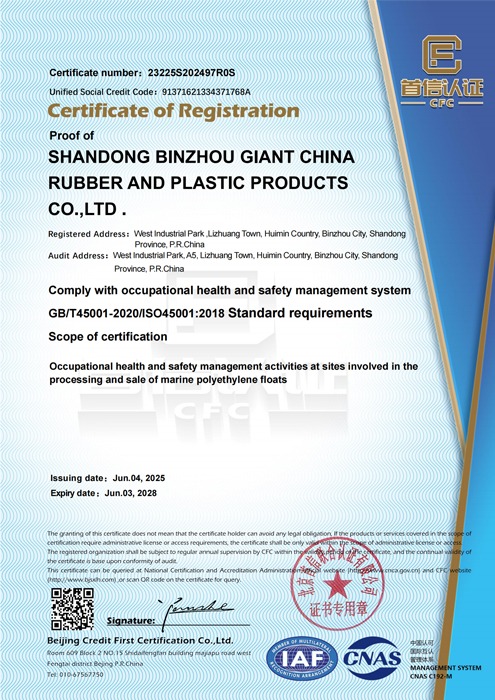
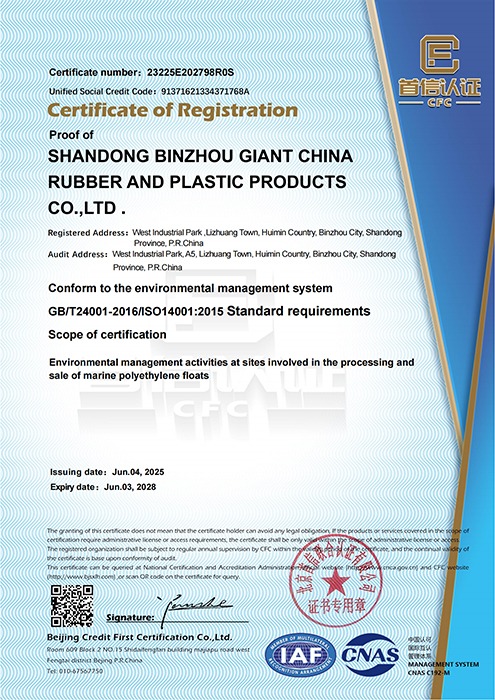
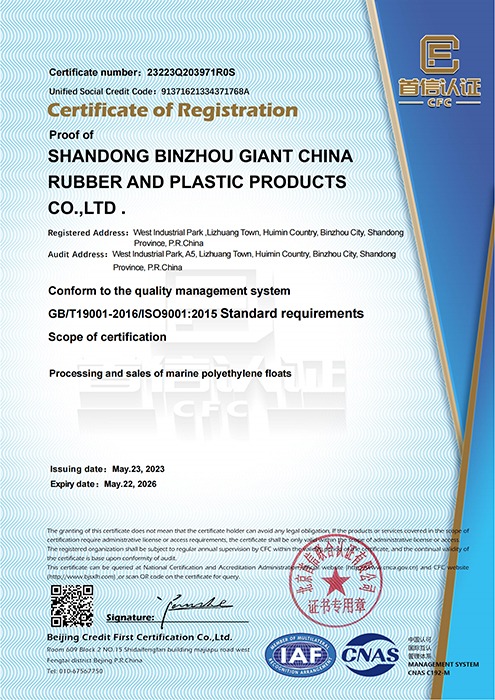
Qualification Certificate
Frequently Asked Questions (FAQ)
Q1: How long does a polyethylene mooring buoy typically last?
A1: Under normal marine conditions, the expected service life ranges from 15 to 30 years depending on the operating environment and maintenance practices.
Q2: Is the buoy suitable for offshore installations?
A2: Yes. The reinforced internal structure and foam-filled design allow the buoy to perform reliably in both coastal and offshore locations.
Q3: Does the buoy require regular painting?
A3: No. Unlike steel buoys, polyethylene buoys do not require anti-corrosion painting or rust treatment.
Q4: Can custom buoyancy capacities be produced?
A4: Yes. Custom dimensions, buoyancy ratings, colors, and connection hardware can be manufactured according to project specifications.
Q5: What hardware options are available for mooring connections?
A5: We provide heavy-duty hot-dip galvanized steel or marine-grade stainless steel connection components, ensuring high tensile strength and long-term corrosion resistance.
Q6: What happens if the outer polyethylene shell suffers accidental impact?
A6: The interior is completely filled with high-density closed-cell polyurethane foam, which prevents water ingress and ensures that the buoy retains full buoyancy even in case of outer shell damage.

Custom Design

Quality Assurance

Technical Support

Fast Delivery

Maintenance Guidance