

IALA-A Compliant Offshore Hydro-Engineering

Best Marine Navigation Buoys Product & Factory for the Jakarta Market

Engineering high-buoyancy, UV-stabilized rotational polyethylene floating solutions tailored for Tanjung Priok Port, the Sunda Strait traffic corridor, and offshore Java water infrastructure.

High-Priority Waterway Solutions

Jakarta Waterways Flagship Navigation Systems

Engineered to handle severe tropical marine biofouling, seismic dynamic surges, and heavy maritime traffic across the Java Sea basin.

300+
Vessels Daily in Sunda-Java Lane
38°C
Peak Surface Water Temperatures
100%
IALA-A Standard Alignment
15+ Yrs
Rotomolded Hull Design Life
Commercial Context

Maritime Arteries of Jakarta: Port Infrastructure & Fairway Demands

The Port of Tanjung Priok in North Jakarta processes over 50% of Indonesia’s trans-shipment cargo traffic. Surrounded by active reclamation works, expanding coastal seawalls (NCICD project), and high-density industrial anchorage, navigation buoys in Jakarta operate under relentless hydrodynamic stresses.

Conventional steel marine markers rapidly succumb to the aggressive tropical corrosion of the Java Sea, necessitating frequent dry-dock blasting and lead-based repainting. Our factory introduces ultra-tough, rotomolded Polyethylene (PE) marker buoys engineered with internal closed-cell polyurethane foam cores that remain 100% unsinkable even after heavy accidental vessel impacts.

Request Engineering Consultation

Java Sea Environmental Specifications

Buoy designs must address unique Indonesian maritime challenges:

  • Severe Solar Radiation: Polyethylene resins formulated with UV8/UV20 masterbatch to avoid chalking, fading, or embrittlement under equatorial UV indexes exceeding 11.
  • High Biofouling & Barnacles: Hydrophobic molecular skin prevents heavy marine crustacean adhesion, slashing maintenance cleaning cycles by over 60%.
  • Strong Monsoonal Cross-Currents: Hydrodynamically balanced ballast cast weights reduce tilt angles to less than 5 degrees under 4-knot surface currents.
E-E-A-T Framework

Global Procurement Requirements for Offshore Operators

Procuring marine navigational markers for offshore oil & gas, EPC harbor builders, and maritime ministries demands verifiable structural reliability.

IALA-A Standard Compliance

Indonesia follows the IALA Maritime Buoyage System 'Region A' (red to port, green to starboard when entering from sea). Our manufacturing facility ensures optical chromaticity parameters conform strictly to IALA E-108 recommendations for colored plastics under tropical luminescence.

Monolithic Rotomolding

Zero-welding shell construction. Fabricated using high-density virgin LLDPE/HDPE polymer through multi-axis computer-controlled rotational molding ovens, guaranteeing uniform wall thickness without residual thermal stress cracks.

IoT & Solar Integration Ready

Engineered with modular universal top-hat flanges accommodating marine-grade marine LED self-contained solar lanterns, radar reflectors, AIS (Automatic Identification System) Transponders, and LoRaWAN/Satellite telemetry packs.

Optimized Export Logistics to Jakarta

Marine buoys are notoriously volumetric, driving ocean freight costs up. Our factory uses a modular nested hull design where float collars, central buoyancy chambers, and daymark towers can be efficiently nested into standard 40ft High Cube (HC) containers, cutting freight costs to Tanjung Priok by up to 45%.

Comprehensive shipping documentation provided: Certificate of Origin (Form E for ASEAN tariff elimination), Lloyd's Register material mill certificates, and precise ballast load sheets.

Mooring Engineering

Custom Moorings for Dynamic Subsea Seabeds

The Java Sea bed features silt-heavy sedimentary bottoms prone to fluid mud layers. Standard gravity concrete sinkers can sink into deep mud or slip during heavy currents.

Our hydro-engineering specialists calculate exact catenary curves, sinker mass, and studlink anchor chain grades specifically matched to shallow bay depth and maximum tidal variation in the Jakarta bay perimeter, preventing buoy drift or submergence during storm surges.

Request Moorings Calculation Sheet
Smart Fairways 2026-2030

Technological Roadmap for Next-Gen Buoy Systems

The transition from passive visual markers to active, data-gathering smart ocean nodes in Southeast Asian navigation corridors.

Phase 01: Materials
Cross-Linked Polyethylene

Integration of high-impact elastomeric polymers increasing kinetic energy absorption against vessel collisions.

Phase 02: Telemetry
AIS Type-3 AtoN Support

Synthetic and virtual AtoN transmission broadcasting real-time fairway boundaries directly to ECDIS bridge displays.

Phase 03: Hydrology
Meteorological Sensing

Sensors measuring salinity, tide velocity, wave height, and oil slick presence inside Jakarta commercial harbors.

Phase 04: Sustainability
Self-Sustaining Power

Hybrid kinetic wave energy micropower generation combined with high-efficiency bifacial solar capture.

Catalog Range

Industrial Marine Buoys & Flotation Infrastructure

Direct factory delivery for Dredging Contractors, Port Authorities, Offshore Energy Facilities, and Marine Works.

Best Precision Marine Buoys for Jakarta Fairways
Precision Series

Jakarta Precision Marine Buoys for Safe Navigation

View Product
Reliable Floating Buoys for Coastal Java Projects
Coastal Work

Coastal Navigation Floating Buoys for Offshore Java

View Product
Custom Marine Buoys for Jakarta Waterways
Custom Series

Custom Reliable Marine Buoys for Jakarta Waterways

View Product
High Quality Reliable Marine Navigation Buoy
Heavy Marker

High-Quality Reliable Navigation Marker for Safe Waters

View Product
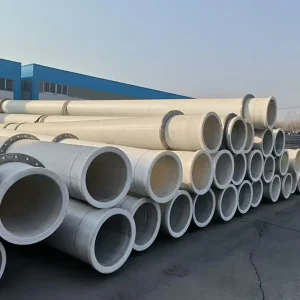
Industrial Strength Pipeline Transport Jakarta
Slurry Pipeline

ODM Industrial Dredging Pipeline for Slurry Transport

View Product
Pipe Floats for Floating Pipeline Support
Buoyancy Collar

High-Quality Polyethylene Pipe Floats for Dredging

View Product
Pipe Floats for Marine Pipeline Support
Pipeline Flotation

Stable Water Transfer & Marine Pipeline Support Floats

View Product
Ocean-Grade Navigation Buoys for Maritime Operations
Harbor Grade

Maritime Operations Ocean-Grade Buoy Factory Unit

View Product
Procurement & Technical Support

Frequently Asked Questions: Marine Buoys in Indonesia

Key considerations from harbor master specifications, mooring calculations, and material durability standards.

Why choose Polyethylene (PE) rotomolded buoys over steel buoys in Jakarta waters?
Steel navigation buoys in warm tropical saltwater environments like Jakarta Bay require frequent blasting, anticorrosive zinc-rich coatings, and sacrificial anode replacements every 18 to 24 months. Polyethylene buoys do not rust, do not require sandblasting or painting, and absorb severe ship-strike impacts elastically without puncturing.
What IALA Buoyage standards apply to Tanjung Priok and Indonesian ports?
Indonesia falls strictly under IALA Region A. This specifies: Port Hand marks are RED with can-shaped topmarks and red lights; Starboard Hand marks are GREEN with conical topmarks and green lights. Our products are molded with virgin color pigments that meet IALA color coordinates without surface painting.
How does the internal foam core behave if the outer PE hull is compromised?
Our buoys are filled with high-density polyurethane (PU) closed-cell foam (>40 kg/m³). Because the cells are non-communicating, the buoy cannot absorb water even if the outer shell suffers puncture damage from propeller cuts or vessel collisions, providing unsinkable buoyancy.
What lead time and shipping methods are standard for Indonesian delivery?
Standard rotomolding production takes 15–25 working days depending on quantity and custom tower fabrication. Direct sea freight from Qingdao/Tianjin to Jakarta (Tanjung Priok) takes approximately 10–14 days. We provide full export packaging and Form E certificates for preferential customs tariffs.

Equip Your Jakarta Maritime Project Today

Get instant mooring calculations, IALA chromaticity certificates, and FOB/CIF Jakarta port pricing from our dedicated marine flotation engineers.

Send Inquiry Now
