1. Thailand's Hydrological & Marine Infrastructure Challenges
Thailand’s rapid industrialization, combined with its distinct tropical monsoon climate, places unprecedented physical demands on aquatic containment and protective structures. The country’s inland logistics rely heavily on the Chao Phraya River basin, while regional economic hubs such as Laem Chabang Port, the Eastern Economic Corridor (EEC), and the Gulf of Thailand encounter aggressive marine conditions. Floating barrier installations in these sectors must survive alternating dry season stagnation and severe monsoon surges with elevated flow velocities.
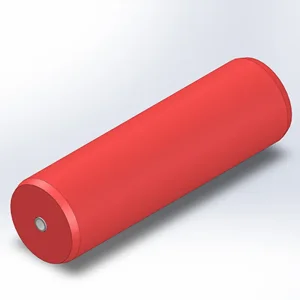
Furthermore, coastal aquaculture installations, offshore bunkering facilities in Rayong, and extensive municipal pumping stations require robust surface defense systems to isolate ocean plastics, run-off vegetative mass (such as water hyacinths), and floating industrial silt. Steel-based drums or substandard modular plastics deteriorate swiftly under the dual impact of high tropical heat and saline corrosive environments. Modern civil specifications in Thailand therefore demand custom rotomolded Linear Low-Density Polyethylene (LLDPE) floats reinforced with closed-cell polyurethane foam interiors.