
Swiss Inland Maritime Realities & Industrial Buoyancy Engineering
A comprehensive analysis of navigational infrastructure, regulatory requirements, and high-performance rotomolded PE flotation applications throughout Swiss lakes, federal riverways, and alpine impoundments.
Severe Alpine Environmental Stress
Swiss waterways such as Lake Geneva, Lake Lucerne, Lake Zurich, and the Upper Rhine endure profound thermal oscillations, sub-zero glacial melt influx, and intense UV degradation at high altitudes. Navigational systems demand zero-porosity rotomolded UV-stabilized virgin HDPE outer hulls with high-density closed-cell PU cores resisting hydrostatic implosion under cyclic ice-pack pressure.
BAV & International Waters Compliance
Deployments must strictly adhere to the Swiss Federal Office of Transport (BAV/FOT) guidelines, Rhine Navigation Commission (CCNR) mandates for the Basel gateway, and Lake Constance shipping ordinances (BSO). Demarcation systems require precision pigmentation matching chromaticity standards without heavy metal leakage into protected Swiss freshwater tables.
Hydropower Demarcation & Safety Barriers
Switzerland hosts over 680 hydroelectric power stations. The interface between dam intakes, run-of-the-river turbines, and public leisure craft creates catastrophic collision risks. Our high-reserve navigation buoys and interconnected safety booms establish permanent visual warning corridors, handling surge discharge currents up to 4.5 m/s.
High-Visibility Navigational Buoys for Swiss Inland Waters
Premium rotomolded aids to navigation engineered for long-term stability, self-righting ballasting, and high optical detectability across lakes and regulated waterways.
-
 ODM Heavy-Duty Marine Buoys for Swiss Deep-Lake Operations & Safety
-
 Custom Marine Buoys for Basel Rhine Shipping & Swiss Waterway Demarcation
-
High-Visibility Alpine Marine Buoys for Reservoir Safety & Low-Fog Detectability
-
Industrial Grade Navigation Buoys for Hydropower Dam Exclusion Zones
Engineering Superiority: Chinese Direct Production for Swiss Infrastructure
Bridging heavy industrial polymer rotational moulding capacity with precise European engineering tolerances and uncompromising environmental protocols.
Monolithic Rotomoulding Precision
Traditional fabricated steel buoys suffer from galvanic oxidation, weld failure in freezing water, and frequent recoating needs. Juhua utilizes continuous-rotational biaxial molding, yielding uniform shells up to 18mm thick with zero seam weaknesses. Internal galvanised steel structural keels link mooring eyes directly to the central lifting shackle, transferring mooring tensions up to 250 kN without stressing the polymer shell.
Closed-Cell Polyurethane Infilling
Swiss alpine waters often present floating debris and jagged shoreline rocks. In the catastrophic event of a high-speed craft impact breaching the outer virgin PE hull, our marine-grade, high-density closed-cell polyurethane foam core retains 100% positive buoyancy. The foam absorbs less than 3% water by volume over a 10-year submersion test, preventing total loss and hazard downriver.
Direct Factory Economics for Swiss B2B
European distributors typically apply significant markups on standard buoy systems. By buying directly from our 1,000m² specialized rotomoulding facility in Binzhou, Shandong, Swiss municipal water authorities, civil contractors, and power consortiums achieve up to 45% capital expenditure reduction, combined with factory-direct material batch traceability certificates (EN 10204 3.1).
Key Local Deployment Scenarios in the Swiss Confederation
- Lake Geneva & Lake Constance (Bodensee): Boundary line marking, regulatory speed limitations, environmental sanctuary demarcations, and commercial ferry lane delineation conforming to tripartite international inland treaties.
- Basel River Ports (Rhine Corridor): High-traffic navigation channel identification accommodating Class Va/Vb large motor vessels and push-tow barges navigating strong river currents.
- Canton Hydroelectric Reservoirs (Valais, Graubünden, Bernese Oberland): High-altitude seasonal reservoirs requiring freeze-thaw resistant marker buoys to block recreational watersports from high-velocity penstock drawdown vortices.
- Civil Construction & Gravel Extraction: Dredging perimeter buoys and floating silt curtain anchors used during lake bottom desilting, port renovations, and underwater cable laying operations.
Engineering Benchmarks: Juhua PE Buoys vs. Traditional Steel Buoys
Why modern Swiss municipal authorities and dredging operators are transitioning from welded metallic markers to advanced rotational PE systems.
| Parameter / Performance Criterion | Juhua Rotomolded PE Buoys (Switzerland Spec) | Traditional Fabricated Steel Buoys |
|---|---|---|
| Corrosion & Chemical Resistance | Immune to rust, saltwater, acidic runoffs & algae adhesion | Prone to severe pitting; requires sandblasting & recoating every 3 yrs |
| Weight & Vessel Handling | Lightweight (1/3 of steel); manageable by compact lake tenders | Extremely heavy; necessitates specialized heavy floating crane barges |
| Collision Resilience & Hull Elasticity | Elastic memory recovers without structural rupture or boat denting | Rigid impact causes catastrophic plate rupture and hull breach |
| Color Fastness & Maintenance Costs | Compounded pigment inside polymer resin (UV20 rating); never painted | Surface paint peels rapidly under high-altitude Swiss UV radiation |
| Environmental & Ecological Impact | Non-toxic, fully recyclable polymer; zero heavy metal leaching | Antifouling paints pose potential chemical contamination hazards to potable reservoirs |
Comprehensive Flotation & Navigation Product Portfolio
Manufactured to precision tolerances, fully compatible with Swiss inland water management, marina berthing, and industrial dredging installations.
-
Precision Marine Buoys for Alpine Navigation & Hazard Demarcation
-
Floating Buoys for Swiss River Hydrology & Infrastructure Channels
-
Custom Waterway Buoys for Inter-Canton Regulated Waterways
-
Marine Navigation Buoy Engineered for Swiss Lake Regattas & Ferry Paths
-
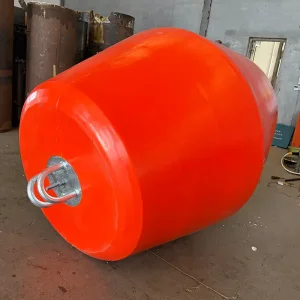 Heavy-Duty Mooring Buoys for Swiss Marinas & Deep-Water Anchorages
-
 ODM Vessel Berthing & Pontoon Anchor Buoy for Alpine Marinas
-
 Engineered Pipe Floats for Lake Desilting & Hydropower Bypass Lines
-
Swiss Standard Specialized Marine Marker Buoys for Spill Containment
Frequently Asked Questions: Swiss Water Buoyancy Systems
Authoritative technical answers to common queries regarding standards, logistics, custom engineering, and long-term deployment across Swiss cantons.