
High-Performance Mooring Solutions for Turkish Waters
Engineered to absorb severe kinetic energy while resisting rapid UV breakdown and intense marine fouling.
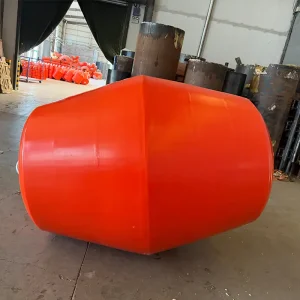
Best Foam-Filled Polyethylene Mooring Buoy for Reliable Marine Anchoring – Turkey Coastal Series
Explore Engineering Specs
Best Polyethylene Mooring Buoy – Reliable Floating Solutions for Modern Marine Projects in Turkey
Explore Engineering Specs
High-Quality Offshore Polyethylene Mooring Buoy – Safe, Durable System for Port of Ambarlı
Explore Engineering Specs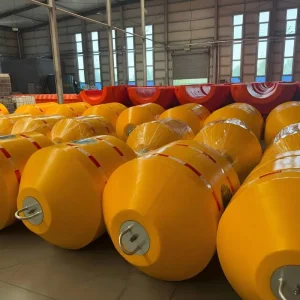
OEM Offshore Mooring Buoy for Safe Vessel Anchoring and Marine Infrastructure in Turkey
Explore Engineering SpecsIndustrial Analysis: Turkish Coastal Demand & Mooring Buoy Engineering
A comprehensive examination of why Turkish port authorities, shipyards, and offshore operators are migrating from traditional steel mooring buoys to rotomolded polyethylene technology.
The Turkish Straits & Current Stresses
The Bosporus and Dardanelles feature dual-layer crosscurrents exceeding 4 to 6 knots. Conventional mooring systems suffer severe chain scouring and structural fatigue. Our closed-cell polyurethane-filled polyethylene buoys provide steady hydrodynamics, drastically decreasing strain on anchoring tackle.
Corrosion Challenges in the Mediterranean
Operating in high-salinity hubs like Mersin and İskenderun leads to accelerated rust and high dry-dock maintenance expenses for traditional steel buoys. Virgin LLDPE polymer hulls are completely chemically inert, delivering decades of service life with zero sandblasting or repainting required.
Shipyard & Mega-Yacht Marina Density
From the Tuzla shipyard cluster to prime tourist berths in Bodrum and Antalya, vessels demand impact-cushioning surfaces. The elastomeric resilience of rotationally molded PE hulls absorbs docking impacts without scuffing hulls or triggering costly liability disputes.
Why Major Turkish EPC Contractors Partner with Juhua China
Combining state-of-the-art rotational molding technology with deep raw-material supply integration to deliver unmatched value and engineering performance.
Advanced Microprocessor-Controlled Rotomolding
Our Binzhou manufacturing complex features precision rotational molding machines equipped with electronic automated temperature monitoring and variable speed distribution. This eliminates micro-thinning at buoy radii, ensuring uniform wall thickness across every single unit.
High-Density Closed-Cell Hydrophobic Core
Buoy cores are injected with high-density polyurethane foam that chemically bonds with the outer PE skin. Even in the extreme event of a direct commercial ship collision breaching the exterior shell, the buoy absorbs zero water, retaining 100% of its native buoyancy.
Seamless Black Sea & Mediterranean Logistics
With direct containerized and breakbulk logistics routes connecting Shandong seaports to Istanbul (Ambarlı), Kocaeli, Izmir, and Mersin, we provide competitive transit schedules, batch traceability, and comprehensive customs compliance documentation.
| Evaluation Parameter | Traditional Steel Mooring Buoys | Juhua Rotomolded Polyethylene Buoys | Value Benefit for Turkish Marine Operators |
|---|---|---|---|
| Corrosion & Rust Resistance | Requires regular cathodic protection & recoating | 100% Non-Corrosive (Inert PE formulation) | Zero maintenance costs over a 25+ year lifespan |
| Impact Absorption | Prone to denting; causes damage to vessel hulls | Flexible elastomeric memory; dampens impacts | Minimizes structural repairs and berthing collision claims |
| Weight & Handling | Extremely heavy; demands high-tonnage crane barges | Up to 45% lighter than equivalent steel units | Lowers mobilization and marine crane installation expenses |
| Environmental & Marine Ecology | Antifouling paints leech toxic chemical biocides | Food-grade, chemically inert non-toxic polymer | Meets strict Turkish Ministry of Environment standards |
| Unscheduled Downtime | Must be drydocked every 3-5 years for inspection | Visual diver inspections; virtually maintenance-free | Continuous port revenue and uninterrupted marine operations |
Engineered for Turkey's Specialized Marine Sectors
Addressing the complex hydrodynamic, recreational, and industrial parameters across diverse maritime zones.
Aegean Marinas & Luxury Yacht Anchorages
Designed for upscale yacht clubs and municipal anchorages in Bodrum, Çeşme, Göcek, and Marmaris. Our aesthetically pleasing, UV-stable mooring buoys provide secure swing mooring without marking superyacht finishes.
Heavy Commercial Anchorages & Bunkering Zones
Supporting high-density offshore transshipment, lightering, and bunkering anchorage zones off the Marmara Sea and Çanakkale approaches. Built with high-strength centralized steel tension members to withstand severe vessel surge loads.
Black Sea Energy & Dredging Infrastructure
Meeting the robust demands of energy pipelines, gas terminals (such as Filyos Port), and deep-water dredging channels in the Black Sea. Resistant to cold surface waters, turbulent chop, and heavy silt abrasion.
Engineering Procurement Checklist for Turkish Marine Tenders
Key technical specifications required by Turkish port authorities, maritime contractors, and international EPC consortia.
1. Central Load-Bearing Tension Member
Our mooring buoys integrate a heavy-duty, hot-dip galvanized or marine-grade stainless steel central structural tube or tie-rod arrangement. The hull experiences purely compressive forces, ensuring high tension loads are carried directly by structural steel.
2. Polymer Degradation & UV Stabilization
Formulated with premium virgin linear low-density polyethylene (LLDPE) combined with Class 8 UV inhibitors. This protects against polymer embrittlement and surface micro-cracking caused by intense Mediterranean solar exposure.
3. Reserve Buoyancy & Freeboard Margins
Every buoy is engineered with a safety factor exceeding 2.0. We calculate the submerged chain catenary weight, local current drag, and dynamic windage to guarantee visible freeboard under all operational marine states.
Engineering a Marine Facility in Turkey?
Share your required vessel tonnage, water depth, and local current velocity. Our technical engineering division will generate custom buoyancy load calculations and a competitive factory quotation within 24 hours.
Engineering & Procurement FAQ for Turkey Mooring Buoys
Clear, technical answers to common queries from port consultants, marine contractors, and naval architects.
How do Juhua polyethylene mooring buoys handle extreme surface currents in the Bosporus?
The Bosporus Strait features complex hydrodynamic currents reaching up to 6 knots. Our polyethylene mooring buoys utilize low-drag cylindrical and spherical hull geometries. Unlike conventional steel cylindrical buoys that tilt under lateral current drag, our hulls maintain upright orientation, keeping pickup gear accessible and preventing excessive line tension.
What internal load-bearing structures are used for high-tonnage vessel anchoring?
For commercial vessel anchoring, mooring buoys must never rely on plastic for tensile loads. Juhua engineers buoys with a continuous hot-dip galvanized structural steel core (tie-rod or central hawse tube). The vessel's kinetic load transfers directly through the steel tension member down to the anchor chain, protecting the rotationally molded polyethylene shell from mechanical strain.
How does solar UV degradation compare between the Mediterranean and northern climates?
Southern Turkish ports (Mersin, Antalya, Bodrum) experience high solar radiation levels. Standard industrial polymers can become brittle without proper protection. Juhua blends virgin polyethylene resin with UV-8 stabilizers and carbon/pigment dispersion agents. This prevents polymer matrix degradation, providing a design service life exceeding 20 years in high-sunlight regions.
What documentation is provided for Turkish customs clearance and port authority compliance?
Every export shipment to Turkey includes comprehensive QA/QC documentation: raw material certificates, internal steel tension proof-test reports, hull thickness inspection sheets, Certificate of Origin (COO), and compliant EUR.1 or commercial trade documents for clear processing at Istanbul, Mersin, or Izmir customs.
Can buoys be customized for smart mooring systems (sensors, GPS, solar lanterns)?
Yes. We regularly fabricate buoys with top-flange mounting patterns for IALA-compliant solar marine lanterns, radar reflectors, tension-monitoring transponders, and load cells. Internal battery compartments and conduits can be integrated directly during rotational molding.
Complete Engineered Mooring Range Serving Turkish Infrastructure
Explore our complete selection of standard and custom mooring buoys, fully configurable to your project's displacement, freeboard, and anchoring criteria.
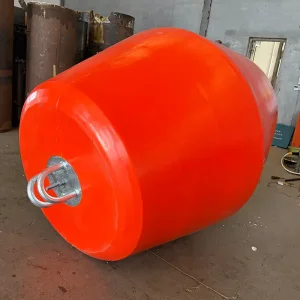
Best Offshore Mooring Buoy for Secure Vessel Anchoring and Marine Floating Systems in Turkey
Explore Engineering Specs
ODM Mooring Buoy for Secure Vessel Anchoring and Stable Marine Mooring Systems – Turkey Export
Explore Engineering Specs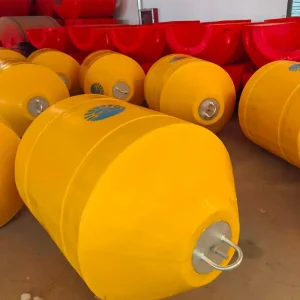
Best Foam-Filled Mooring Buoy for Marinas, Anchorages and Offshore Facilities – Aegean Specification
Explore Engineering Specs
ODM Foam-Filled Mooring Buoy for Marinas and Offshore Anchorages – Mersin Port Project Ready
Explore Engineering Specs
Best Custom Mooring Buoy for Boat Berths, Harbors and Offshore Stations – Turkey Pricelist
Explore Engineering Specs
Custom Mooring Buoy for Marinas, Harbors and Offshore Anchorage Systems – Direct Turkey Quotes
Explore Engineering Specs
ODM Mooring Buoy for Marina Berths, Vessel Anchorage and Offshore Mooring Systems – Turkish Marine Standard
Explore Engineering Specs