
ODM Rubber Hose Products & Factories in Nigeria
Precision-Engineered Heavy Slurry, Dredging, and Oil Transfer Elastomer Pipelines Designed for Niger Delta Marine Projects and Sub-Saharan Industrial Expansion.
Send Inquiry NowPrimary Industrial Rubber Hose Configurations for Nigeria Projects
Engineered to withstand aggressive oceanic hydraulic shock and high-wear mineral sediment discharge operations.
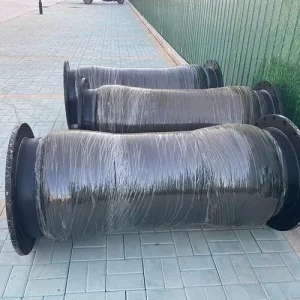
Best Durable Rubber Hoses for Efficient Fluid and Sediment Transport Products, Factory
View Technical Specs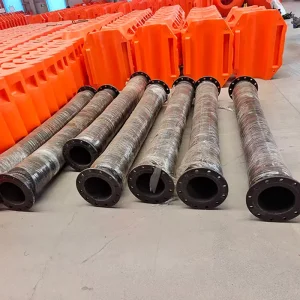
Custom Flexible Rubber Hoses for Advanced Fluid and Sediment Transport Products, Quotes
Request Quote / Specs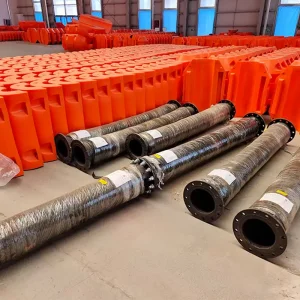
Custom Heavy-Duty Rubber Hose for Marine and Water Management Projects Suppliers, Manufacturers
Engineering Data Sheet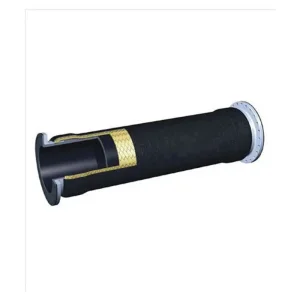
High-Quality Heavy-Duty Rubber Hose for Water and Marine Projects Supplier, Factories
Inspect Factory DataCommercial Dynamics: Nigeria vs. Global Elastomer Pipeline Demands
A macroeconomic and operational review of maritime fluid infrastructure, mineral dredging, and off-shore petrochemical transmission.
Nigeria's Industrial Landscape & Operational Reality
The Federal Republic of Nigeria represents the industrial and maritime powerhouse of Sub-Saharan Africa. The rapid growth of maritime trade through the Lekki Deep Sea Port, extensive crude extraction in the Niger Delta basin (Port Harcourt, Warri, and Bonny Terminal), and monumental urban land reclamation developments such as Eko Atlantic demand unprecedented volumetric sediment and hydrocarbon transport.
However, local contractors face brutal wear conditions: heavy silica content in riverbeds, tropical UV radiation, high ambient salinity causing rapid galvanic breakdown of steel pipes, and erratic tidal forces that tear sub-standard flexible joints. Sourcing directly from certified ODM industrial elastomer facilities solves these structural vulnerabilities through specialized polymer compounds tailored to equatorial heat and corrosive saline currents.
Global Rubber Hose Supply Chain Paradigm Shift
Worldwide, the global industrial rubber hose market is advancing past $14 billion, propelled by dredging fleet modernizations, deep-sea mining expansions, and stringent environmental policies governing off-shore single-point mooring (SPM) safety. Traditional steel pipelines are increasingly decommissioned in favor of large-bore flexible elastomer lines due to their acoustic dampening, hydrodynamic flexibility, and zero corrosion degradation.
Global procurement teams prioritize Tier-1 manufacturing plants capable of co-vulcanizing multi-ply synthetic cord, embedded spiraled steel skeletons, and specialized NR/BR/SBR liner compounds. These multi-layer designs provide the essential tensile yield required to prevent devastating environmental spills while enduring cyclical surge pressures exceeding 2.5 MPa.
Equipping Marine or Mining Projects Across West Africa?
Consult with our lead engineering team for comprehensive buoyancy analysis, pressure tolerance verification, and port-to-port logistics dispatch.
Engineering Implementation Across Nigerian Geographies
Purpose-built configurations serving heavy engineering sectors across Lagos, Rivers, Delta, and Calabar operational theaters.
Lagos Harbor Reclamation & Channel Desilting
Continuous marine suction dredgers along the Badagry Creek and Commodore Channel require self-floating and discharge rubber hoses capable of resisting extreme tidal rip. Integrated polymer flotation jackets maintain linear discharge geometry during continuous hydraulic pumping.
Niger Delta Offshore SPM Hydrocarbon Offloading
Petrochemical terminals require oil suction and discharge (OS&D) rubber hoses lined with certified NBR synthetic liners. These withstand high aromatic hydrocarbon contents, heavy wave pounding, and external hydrostatic forces up to deep anchoring points without kinking.
Plateau & Northern Mineral Tailings Transmission
Inland alluvial mining sectors processing columbite, tin, and industrial silica encounter rapid pump-line blowout. Thick-walled natural rubber abrasive slurry lines provide extended service life, absorbing mechanical vibrations from skid-mounted centrifugal booster pumps.
Engineering Benchmarks: China OEM/ODM Precision vs. Conventional Fabrications
Systemic analysis of material science, wall cross-sections, and vulcanization standards.
| Performance Metric | Juhua / Advanced China ODM Rubber Pipeline | Standard Local Market / Generic Hose | Operational Impact in Nigeria |
|---|---|---|---|
| Inner Liner Elastomer | High-Grade NR/BR (Tensile > 18 MPa) | Recycled Industrial SBR Blend | Up to 300% greater longevity during sharp sand & granite transport. |
| Reinforcement Skeletons | High-Tensile Cord + High-Flex Spiral Steel Wire | Low-Gauge Steel Wire Wire Wrap | Prevents collapse under full negative suction pressure (-0.09 MPa). |
| Vulcanization Methodology | Continuous Electronic Thermostatic Autoclave | Manual Steam Pit Vulcanization | Eliminates delamination, micro-voids, and burst hazards under tropical heat. |
| Flange Integration | Solid Fully-Vulcanized Rubber Flange / Steel Ring | Swaged-on External Iron Collars | Zero galvanic corrosion from marine salt spray; airtight leak prevention. |
| UV & Ozone Protective Outer | Antioxidant Chloroprene / EPDM Compound | Basic Commercial Rubber | Guarantees 5+ years of equatorial UV resistance without sun checking. |
Comprehensive Marine, Pipeline & Buoyancy System Matrix
Fully compliant with international maritime and industrial dredging specifications. Retaining verified factory references.
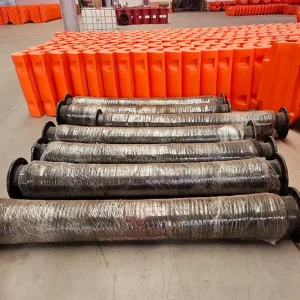
Custom Heavy-Duty Rubber Pipelines for Efficient Water and Slurry Transport Supplier, Products
View Product Pipeline
High-Quality High-Performance Rubber Hoses for Water and Slurry Transport Suppliers, Factories
Access Pricing & Order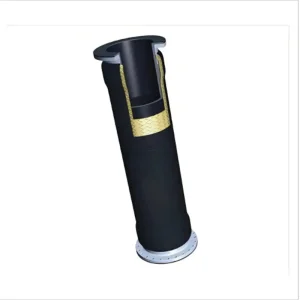
Custom Premium Rubber Hoses for Reliable Water and Slurry Transport Supplier, Products
Inspect Factory Data
Best Reliable Pipelines for Sediment and Slurry Transport Product, Pricelist
Review Pricelist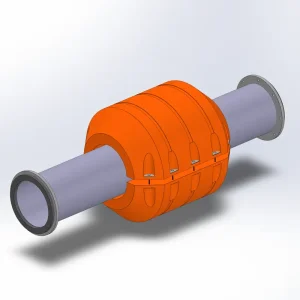
ODM High-Performance Floats for Efficient Pipeline Operations Manufacturers, Products
Buoyancy Calculation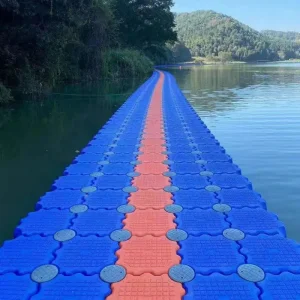
High-Quality Water Boat Pontoon Floating – Stable and Modular Floating Platforms Supplier, Products
Modular Specs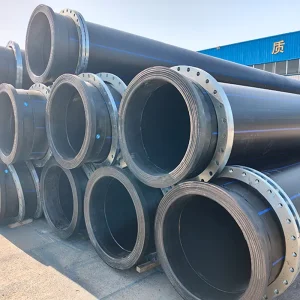
ODM High-Performance Pipeline for Industrial and Municipal Transport Suppliers, Companies
View Industrial Line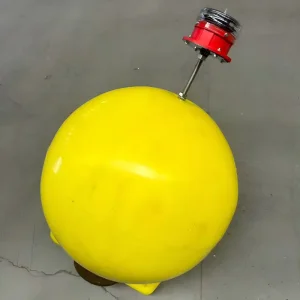
ODM High-Visibility Floating LED Ball for Marine and Freshwater Safety Manufacturers, Pricelist
Navigational Aids SpecsFrequently Asked Questions: Nigerian ODM Hose Sourcing
Comprehensive engineering clarifications addressing pressure tolerance, customs clearance, and dynamic marine operations.
How do ODM factories calculate custom rubber hose wall thickness for abrasive sand in Lagos coastal waters?
Calculation relies on the slurry flow velocity (typically 3.5 - 5.5 m/s), quartz grain distribution (d50), and operational pressure. Our engineering team incorporates a reinforced natural rubber (NR) sacrificial inner liner between 12mm and 25mm thick, ensuring prolonged life cycles against high kinetic impact before any structural carcass reinforcement is affected.
What documentation is provided for Nigerian Customs and Soncap certification?
All factory dispatches intended for Nigerian entry points (Apapa Port, Tin Can Island, Onne Port) include comprehensive factory test certificates (Mill Test Certificates to EN 10204 3.1), ISO 9001 compliance logs, hydrostatic pressure test charts, SONCAP documentation assistance, and containerized manifest declarations minimizing demurrage bottlenecks.
What is the structural advantage of embedded steel ring discharge hose over plain rubber pipelines?
Discharge hoses featuring fully vulcanized, embedded steel rings or helical skeletons offer tremendous hoop strength. This prevents dynamic kinking during aggressive vessel turning, withstands catastrophic pressure surges during pump blockages, and preserves vacuum stability in dredging situations where reverse siphon flow occurs.
Can custom rubber hoses be matched to HDPE dredging pipeline networks?
Yes. Our ODM facility engineers flexible rubber connecting sleeves, expanding joints, and reducer hoses designed explicitly to bolt flush to standard SDR-rated HDPE pipelines and rotomolded polyethylene dredging float systems, providing smooth hydraulic transitions and mitigating localized bending stress on long floating pipelines.
Accelerate Your Nigerian Marine Infrastructure With Direct-From-Source ODM Quality
Contact our international engineering desk for precision quotations, material test reports, and tailored delivery schedules.