
Engineered Rubber Hose Lineups Serving Bangkok Projects
-
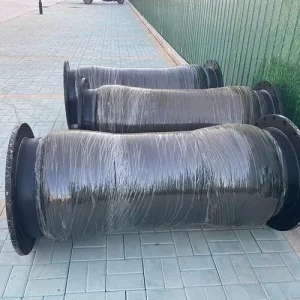
Bangkok Project Best Durable Rubber Hoses for Fluid and Sediment Transport
Product Details -
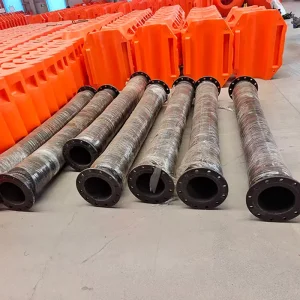
Bangkok Riverworks Custom Flexible Rubber Hoses for Sediment Slurry
Request Quotation -
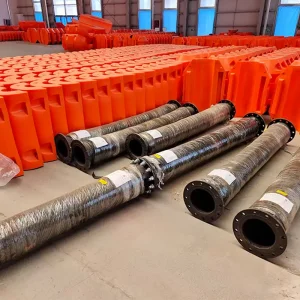
Bangkok Marine & Water Management Heavy-Duty Armored Rubber Hose
Manufacturer Specs -
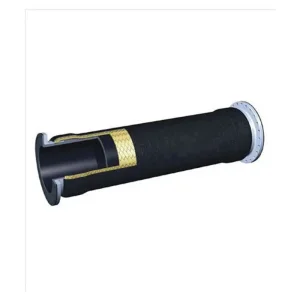
Bangkok Coastal Port High-Quality Heavy-Duty Marine Rubber Hose
Factory Direct Price
Bangkok’s Hydro-Engineering, Dredging, and Industrial Landscape
Strategic convergence of inland river navigation, coastal reclamation, and industrial logistics across the Greater Bangkok Metropolitan Region and the Eastern Economic Corridor (EEC).
Demanding Hydraulic Challenges in Thailand’s Industrial Core
The Greater Bangkok region—traversed by the high-discharge Chao Phraya River basin and bounded by the Gulf of Thailand—represents one of Southeast Asia's most hydraulically dynamic metropolitan landscapes. With rapid urbanization, constant sediment deposition threatens navigation channels connecting Bangkok Port (Khlong Toei) to the outer sea, requiring uninterrupted maintenance dredging and heavy-slurry transport lines.
Simultaneously, the Bangkok Metropolitan Administration (BMA) continues executing ambitious flood-mitigation initiatives, involving deep underground drainage tunnels, expansive retaining canals (khlongs), and large-volume stormwater discharge pumping stations. These installations place intense mechanical demands on fluid transport equipment: high operating pressures, constant exposure to abrasive suspended solids (silica, clays, industrial runoff), and the relentless ambient humidity and high UV degradation typical of Central Thailand’s tropical climate.
As an experienced Original Design Manufacturer (ODM), Juhua bridges the technical gap between mass-produced, off-the-shelf standard tubing and the specialized, high-pressure, abrasive-resistant elastomer systems demanded by Thai civil engineering contractors, port authorities, and heavy industrial plants situated from Samut Prakan to Rayong.
| Regional Application Sector | Primary Medium | Standard Hose Construction Requirement |
|---|---|---|
| Chao Phraya River Desilting | Fine silt, riverbed sand, organic debris | High-abrasion NR/BR liner, embedded steel helix wire (vacuum resist) |
| BMA Stormwater Tunnels | Turbid flood runoff, municipal debris | Multiple high-tensile synthetic cord reinforcement, working pressure up to 2.5 MPa |
| Laem Chabang Port Expansion | Coarse marine sand, crushed coral rubble | Ceramic-tile lined rubber hose, hardened fixed steel flanges, PN16/PN25 rating |
| Samut Prakan Petrochemical Transfer | Industrial hydrocarbons, light oils, treated wastewater | NBR/PVC blend inner tube, anti-static copper grounding strand, oil-resistant cover |
Elastomeric Solutions for High-Velocity Sediment & Slurry Transport
Engineered rubber hoses are structural composites designed to handle cyclic dynamic loading, hydrodynamic surge, and continuous scouring wear.
Compound-Engineered Wear Liners
The inner liner is the primary defense against severe slurry scouring. Utilizing an optimized vulcanized formulation of natural rubber (NR) and polybutadiene (BR), our inner layers exhibit superior tear resistance and resilience, deflecting sharp-edged abrasive particles rather than eroding under sliding or impingement friction.
- DIN 53516 / ISO 4649 volume loss < 60 mm³
- Shore A Hardness tuned from 55° to 65° ± 5°
- Liner thickness calibrated up to 25mm for heavy tailings
Reinforced Carcass & Helix Architecture
To withstand both explosive discharge pump pulsations and high negative vacuum forces during deep suction operations, our hoses integrate cross-braided high-modulus polyester/aramid cord plies paired with continuously spiraled high-tensile spring steel wire.
- Vacuum collapse resistance up to -0.09 MPa
- Anti-kinking architecture with optimal bend radius (4x–6x ID)
- Interlocked layers prevent delamination under cyclic flex
Tropicalized Weathering & Marine Outer Cover
Bangkok's high solar irradiance and humid estuary waters subject marine pipelines to ozone cracking and microbial degradation. The outer casing employs an ozone-impermeable, oil-resistant chloroprene/EPDM compound enriched with anti-aging stabilizers.
- ASTM D1149 Ozone resistance: no cracking @ 50 pphm
- Salt-spray resistance compliant with ASTM B117 standards
- High scuff resistance against river barges & jetty rub rails
| Test Parameter | Standard Protocol | Juhua ODM Engineering Benchmark |
|---|---|---|
| Abrasion Volume Loss | ISO 4649 / DIN 53516 | ≤ 50 mm³ (Severe Heavy-Duty Slurry Grade) |
| Hydrostatic Proof Test | ISO 1402 | 2.0 × Design Working Pressure (Holding 15 mins) |
| Tensile Strength of Rubber | ISO 37 | ≥ 21 MPa (Inner Tube), ≥ 16 MPa (Outer Cover) |
| Elongation at Break | ASTM D412 | ≥ 450% (maintains flexibility under bending stress) |
| Adhesion Between Plies | ISO 8033 | ≥ 6.0 kN/m (Rubber-to-Fabric), ≥ 5.0 kN/m (to Metal) |
| Ozone Cracking Exposure | ASTM D1149 (40°C, 20% strain) | 72 Hours @ 100 pphm — Zero Surface Fissuring |
Engineered to Surpass ISO & PIANC International Criteria
Procurement teams managing capital-intensive infrastructure projects across Thailand, Singapore, and global ports cannot afford line ruptures. Slurry line blowouts along the Chao Phraya lead to severe environmental fines, costly dredge downtime, and navigational disruption.
Juhua manufactures under stringent ISO 9001:2015 quality management procedures. Every ODM rubber hose assembly undergoes multi-stage hydrostatic pressure verification, electrical continuity checks (for fuel or chemical transport hoses), and dimensional tolerance validation before dispatch. Our vulcanization autoclaves utilize computer-controlled thermal cycles, preventing under-curing at the core or brittleness at the perimeter.
By coupling in-house compounding with standardized end-fitting fabrication (including fixed flanges, floating flanges, and quick-connect couplings compliant with ANSI, DIN, and JIS standards), our hose assemblies deliver predictable performance across years of arduous service.
Streamlined Logistics & Compliance for Bangkok & the EEC
Direct-from-factory ODM procurement tailored to Thai Industrial Standards, customs duty optimizations, and seamless port delivery.
Direct Port-to-Site Logistics
Scheduled shipments direct to Bangkok Port (PAT) or deep-water terminals at Laem Chabang Port. Containerized, flat-rack, and breakbulk maritime handling protocols protect flange faces, outer wraps, and integrated float collars during transshipment.
Regulatory Alignment & TISI Awareness
Hoses are designed and manufactured in alignment with relevant industrial expectations under the Thai Industrial Standards Institute (TISI) framework, providing detailed Mill Test Certificates (MTC), hydrostatic proof records, and material traceability sheets for municipal contractor submissions.
Dedicated Engineering Support
Bilingual technical consultants assist Thai project managers and EPC contractors with precise flange matching (JIS 10K/16K, ANSI 150/300, DIN PN10/PN16), bend-radius calculations, pipe-float buoyancy staging, and installation torque specifications.
Engineered Field Applications Across Central Thailand
Real-world operational environments where Juhua ODM rubber hoses and flotation systems prove their reliability.
1. Chao Phraya River Delta Navigational Dredging
Cutter suction dredgers (CSDs) operating near Samut Prakan require flexible discharge hoses capable of coping with strong tidal fluctuations, riverbed silt, and wave motion caused by container barge traffic. Our heavy-duty floating rubber hoses absorb continuous articulation without fatigue cracking.
2. BMA Stormwater & Subterranean Drainage Siphons
During monsoon cloudbursts, drainage pumps in Bangkok must evacuate millions of cubic meters of turbid water through subterranean tunnels. Juhua wire-reinforced discharge hoses eliminate structural collapse during surges, maintaining steady fluid velocities.
3. Eastern Economic Corridor (EEC) Land Reclamation
Major port expansions require high-volume transport of marine sand and crushed rock. Our armored rubber pipelines provide the abrasion resistance required to move high-density solids across kilometers of floating and shore-laid delivery pipelines.
Smart Hoses, Advanced Polymers & Next-Gen Infrastructure
Industrial piping is transitioning from static rubber conduits to smart, sensor-monitored infrastructure. Juhua's R&D center is leading advancements designed specifically for demanding marine and dredging installations:
- Embedded Conductive Layer Wear Indicators: Internal sensory wire loops that trigger electrical alerts as the sacrificial rubber liner wears down to critical thresholds, eliminating catastrophic blowouts.
- Nano-Composite Elastomers: Integration of functionalized graphene and nano-silica into the matrix to reduce rolling slurry friction, decreasing dredge pump power consumption by up to 12%.
- Low-Emission Vulcanization: Adoption of eco-friendly curing agents and bio-based elastomers to comply with tightening Southeast Asian and international environmental standards.
Proactive Wear Prediction Matrix
Traditional maintenance models rely on scheduled replacement, often leading to premature scrap or unexpected pipeline failure. Our engineering team assists operators in Bangkok by calculating actual material loss formulas based on particle grain size (d50), slurry velocity (m/s), and solids concentration by weight (Cw), maximizing total production cubic meters per hose lifecycle.
Frequently Asked Technical Questions
Straightforward answers regarding sizing, hydraulic pressure, tropical durability, and procurement for Bangkok projects.
How do you calculate the correct rubber hose inner diameter (ID) for dredging?
Inner diameter is determined by target slurry flow velocity and pump discharge rate. For typical sand-water mixtures, flow velocity should be maintained between 3.5 m/s and 5.0 m/s to prevent sediment from settling on the bottom of the hose (critical deposition velocity) while avoiding excessive frictional wear. Provide your pump flow rate in m³/h, and our engineering team will size the exact ID to balance flow efficiency and operational lifespan.
What is the expected service life in tropical Bangkok river conditions?
Under continuous river desilting operations (fine sand, silt, low gravel content), Juhua heavy-duty rubber dredging hoses typically achieve lifetimes exceeding 12 to 24 months, handling millions of cubic meters of throughput. Our specialized EPDM/chloroprene outer jacket formulations resist ozone exposure and ambient temperatures up to 45°C without surface hardening or embrittlement.
Can you provide custom steel flange configurations to match existing Thai equipment?
Yes. As an ODM specialist, we fabricate integrated vulcanized end flanges, floating carbon steel rings, or double-sided welded backing plates adhering to JIS B2220 (popular in Thailand), ANSI/ASME B16.5, EN 1092-1, or custom contractor blueprints. Flange surfaces receive heavy anti-corrosion marine epoxy coatings or hot-dip galvanizing to withstand brackish Gulf of Thailand environments.
How do Juhua rubber hoses integrate with polyethylene (PE) pipe floats?
For floating discharge lines, we engineer self-floating rubber hoses (with integrated closed-cell expanded foam jackets) or manufacture matched rotomolded polyethylene pipe floats designed to clamp securely around the outer diameter of the rubber hose or adjacent HDPE/steel lines. This matched system guarantees the required 20% to 30% buoyancy reserve above water.
Featured Industrial Pipelines, Buoys & Flotation Solutions
Explore our full line of pipelines, floating barriers, mooring buoys, and polyethylene flotation hardware engineered to support projects across Bangkok and overseas.
-
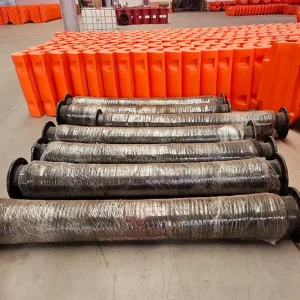
Bangkok Custom Heavy-Duty Rubber Pipelines for Water and Slurry
Product Overview -
Bangkok High-Performance Rubber Hoses for Industrial Water
Factory Spec Sheet -
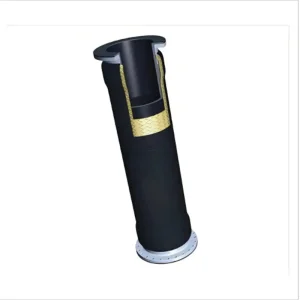
Bangkok Premium Custom Rubber Hoses for Reliable Slurry Transport
Get Custom Quote -
Bangkok Reliable Discharge Pipelines for Sediment and Slurry
Download Pricelist -
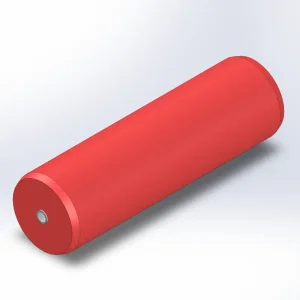
Bangkok Waterway Floating Barriers for Industrial & Debris Protection
Barrier Solutions -

Bangkok Harbor ODM Mooring Buoy for Vessel Anchoring Systems
Mooring Buoy Quotes -
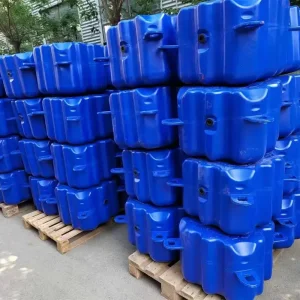
Bangkok Canal & Marine ODM Floating Boat Pontoon Systems
Pontoon Pricelist -
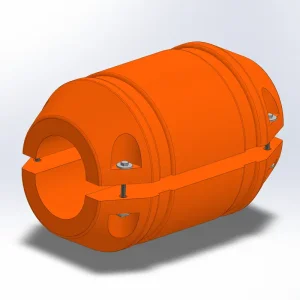
Bangkok Custom Pipe Floats for Floating Rubber & Steel Pipeline Stability
Pipe Float Specs
Accelerate Your Bangkok Marine & Slurry Transport Projects
Connect directly with our senior polymer engineers and marine flotation specialists. Receive certified technical proposals, customized CAD drawings, buoyancy calculations, and factory-direct DDP/CIF Bangkok quotations within 24 hours.