
Primary Industrial Rubber Hoses for Azerbaijan Operations
Pre-engineered heavy-duty rubber pipelines customized to counter abrasive Caspian sand, hydrocarbons, and saline coastal environments.
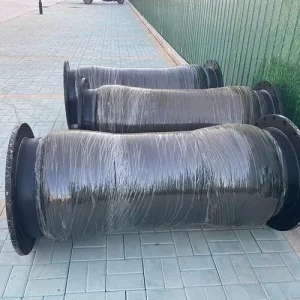
Baku Port Dredging: Best Durable Rubber Hoses for Efficient Fluid and Sediment Transport Products
View Product Specs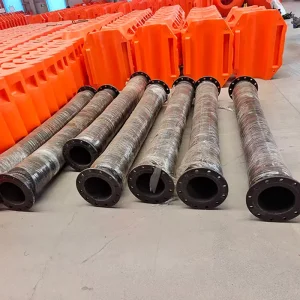
Caspian Slurry Bypass: Custom Flexible Rubber Hoses for Advanced Fluid and Sediment Transport Products
Request Quote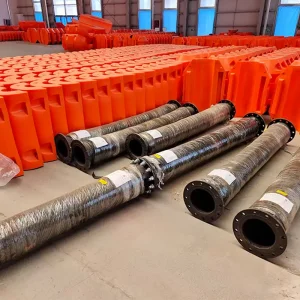
Offshore Oilfield Logistics: Custom Heavy-Duty Rubber Hose for Marine and Water Management Projects
View Specifications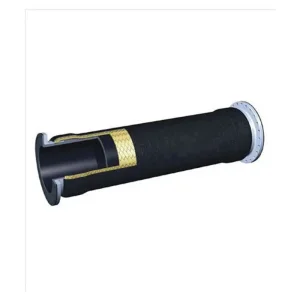
Alyat Free Trade Zone: High-Quality Heavy-Duty Rubber Hose for Water and Marine Projects
View Production DetailsIndustrial Dynamics of Rubber Hoses in the Azerbaijan Market
Analyzing operating environments across the Absheron Peninsula, Sangachal oil terminal corridor, and Kur-Araz drainage basins.
Caspian Offshore & Port Demands
The Caspian Sea poses singular thermodynamic and mechanical challenges: fluctuating salinity, intensive bottom silting near Baku Bay, and strong underwater wave fatigue. Dredging contractors operating around the Port of Baku (Alyat) require composite steel-reinforced rubber hoses capable of withstanding working pressures from 15 to 25 bar while resisting the continuous abrasion of sharp quartz sand and coarse mud.
Middle Corridor Supply Chain Economics
With Azerbaijan positioning itself as the pivotal node of the Trans-Caspian International Transport Route (TITR), port expansion and marine maintenance budgets demand lower Total Cost of Ownership (TCO). Sourcing factory-direct elastomeric pipelines from specialized Chinese manufacturing hubs reduces procurement expenditure by 28-35% compared to European legacy brands without compromising ISO or DIN compliance.
Hydrocarbon & Aggressive Slurry Compatibility
Refinery upgrades in Heydar Aliyev Baku Oil Refinery and industrial water recycling in Sumgayit Chemical Industrial Park require specialized rubber formulations. Natural rubber compounds blended with synthetic SBR and NBR liners are engineered to resist oily sludge, caustic chemicals, aromatic hydrocarbons, and UV exposure during intense Caspian summers.
Why Procurement Directors in Azerbaijan Partner with Juhua
Combining 20+ years of rotomolding and heavy elastomeric production with direct rail-maritime shipping along the Caspian transit corridor.
Advanced Continuous Vulcanization
Our Binzhou manufacturing facility utilizes computerized electronic temperature recording and high-pressure steam autoclaves. This guarantees uniform polymer cross-linking across hose walls up to 45mm thick, avoiding delamination risks during continuous discharge pumping.
Turnkey Buoyancy & Pipe Integration
Unlike standard rubber hose suppliers, Juhua manufactures both rotomolded polyethylene pipe floats and heavy-duty rubber pipelines under one roof. We optimize buoyancy reserve calculations (20-30% freeboard allowance) matching the precise submerged weight of water, sand, or slurry.
Comprehensive Quality Traceability
Every industrial hose batch undergoes hydrostatic proof testing (1.5x working pressure), elongation checks, vacuum resistance evaluation, and adhesion strength testing between rubber layers and steel cords prior to container packing.
Industrial Hoses, Floats & Flotation Infrastructure for Azerbaijan
Original factory systems designed for integrated dredging lines, offshore channel safety, and high-volume fluid logistics.
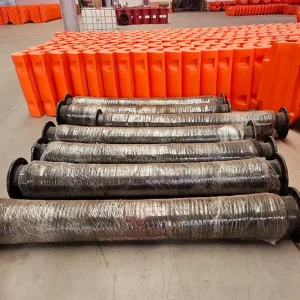
Baku Waterfront Slurry: Custom Heavy-Duty Rubber Pipelines for Water & Slurry Transport
View Product Details
Mingachevir Hydropower: High-Quality High-Performance Rubber Hoses for Slurry
Request Technical Specs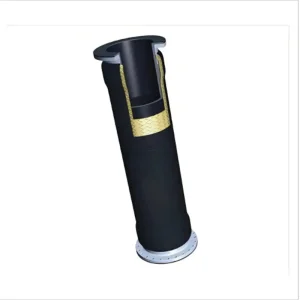
Caspian Marine Works: Custom Premium Rubber Hoses for Reliable Fluid Transport
View Specifications
Kura River Basin Desilting: Best Reliable Pipelines for Sediment and Slurry Transport
Download Pricelist
Baku Bay Navigation: High-Quality Reliable Marine Navigation Buoy for Safe Waterways
View Buoy Details
Offshore Hose Flotation: ODM Pipe Floats for Floating Water Pipelines & Marine Systems
View Floater Specs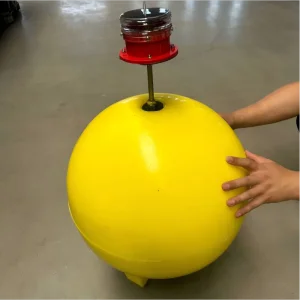
Caspian Channel Marking: High-Quality LED-Equipped Floating Ball for Marine Safety
View Safety Equipment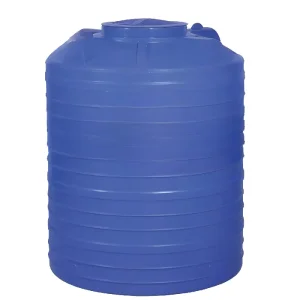
Industrial Liquid Containment: Custom Polyethylene Rotomolded Water Storage Tank
View Tank SolutionsLooking for Custom Rubber Hose Diameters or Caspian Port Delivery?
Our engineering department provides tailored inner-liner chemical selection, working pressure certifications, and direct multimodal freight schedules to Baku, Sumgayit, and Alyat.
Send Inquiry NowGlobal Enterprise Sourcing Trends for the South Caucasus
How EPC contractors and state-backed dredging initiatives in Azerbaijan optimize rubber pipeline procurement.
Life-Cycle Predictive Modeling
Instead of initial purchase price, major contractors in Baku now prioritize wear-rate modeling. Our compounding engineers calculate slurry abrasion velocity factors (m/s) against quartz gravel densities, ensuring our heavy-duty suction and discharge rubber hoses offer up to 40% extended service lifespans before liner replacement.
Optimized Multimodal Routing to Baku
Direct rail transit via the China-Europe railway corridor through Kazakhstan to the Port of Baku, as well as marine shipping to Black Sea ports followed by overland transit, allows lead times of 18-28 days. Dedicated export packaging safeguards flange faces and outer covers from damage during transit.
International Compliance Documentation
Every shipment bound for Azerbaijan industrial projects is furnished with Mill Test Certificates (MTC), third-party hydrostatic inspection reports (SGS/BV available upon request), and complete conformity sheets adhering to ISO 9001 and ISO 14001 quality management guidelines.
Azerbaijan Rubber Hose Procurement: Frequently Asked Questions
Specific engineering and commercial inquiries addressed by our technical team.