
Modular Floating Boat Pontoon Platforms for Brazil
Engineered with high-molecular-weight virgin HDPE to resist high tropical UV radiation and aggressive saline estuary environments.
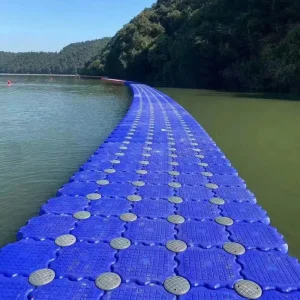
OEM Advanced Floating Boat Pontoon for Brazil Custom Water Platforms
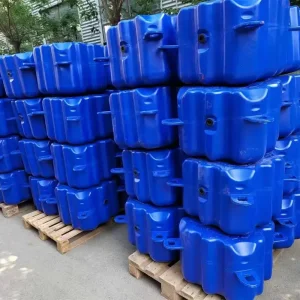
ODM Durable Floating Boat Pontoon for Brazil Versatile Water Projects
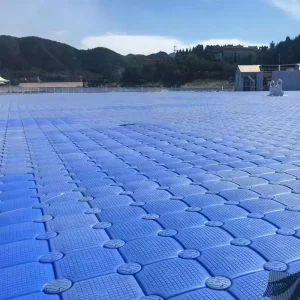
Best High-Performance Floating Boat Pontoon for Brazil Modular Water Platforms

Custom Innovative Floating Boat Pontoon for Brazil Versatile Water Platforms
Brazil’s Inland Waterway & Coastal Infrastructure Dynamics
Brazil maintains one of the world's most extensive hydrological networks, exceeding 63,000 kilometers of natural waterways and 7,491 kilometers of coastline. Sourcing dependable pontoon structures requires specialized regional adaptation.
Amazon Basin Waterway Fluctuations
The Amazon and Madeira river systems experience vertical tidal-seasonal fluctuations of up to 14 meters. Fixed pile marinas consistently fail during flooding. Modular floating pontoon systems with elastic mooring dampeners and variable sliding guides maintain operational stability throughout seasonal flood peaks without structural stress fracture.
Iron Ore & Agribusiness Transshipment
The Northern Arc (Arco Norte) ports, including Barcarena and Itaqui, require industrial-grade buoyancy to service bulk cargo transshipment, tugboat mooring, and dynamic crew transfer. Juhua's rotomolded polyethylene pontoon skins isolate steel structural frames from hypersaline corrosive coastal degradation, drastically cutting port life-cycle maintenance costs.
Offshore Pre-Salt & Petrobras Corridors
The Campos and Santos Basins present some of the world's most demanding deepwater operations. Supporting service vessel docks and dynamic floating barrier pipelines demand certified rotomolded polymers conforming to rigorous Brazilian environmental standards (IBAMA) and maritime safety mandates regulated by the Directorate of Ports and Coasts (DPC).
Brazilian Regulatory Alignment & Structural Safety Standards
Procuring floating docks and pontoon platforms in Brazil involves rigorous administrative compliance. Juhua structures are pre-engineered to exceed national mechanical and environmental benchmarks.
Brazilian Navy (Marinha do Brasil) & NORMAM Regulations
Moored pontoons and floating commercial gangways operating within Brazilian territorial waters must conform to Normas da Autoridade Marítima (NORMAM-11/DPC and NORMAM-02). Juhua's pontoon hulls are verified through hydrostatic stability models to resist lateral wind shears exceeding 85 km/h, hydrodynamic drag up to 3.5 knots, and impact collisions without progressive compromise of ballast stability.
ABNT NBR Environmental Compatibility
Under ABNT standards for aquatic non-toxicity, our 100% virgin linear low-density polyethylene (LLDPE) combined with high-density polyurethane (PU) closed-cell foam contains zero volatile plasticizers. This guarantees full compliance for sensitive projects monitored by IBAMA (Instituto Brasileiro do Meio Ambiente) within protected riverine reserves across Pará, Amazonas, and Mato Grosso.
Deployment Scenarios across Brazilian Water Basins
From shallow interior mining tailings to world-class coastal yacht marinas in Rio de Janeiro, our pontoon systems deliver predictable, verifiable buoyancy.
Vale & Minas Gerais Tailings Ponds
Mining operations require continuous decanting and water level management. Juhua's pontoons provide non-corrosive pump flotation platforms capable of carrying high-horsepower centrifugal slurry pumps in abrasive, acidic pH operating conditions.
Angra dos Reis & Santos Marinas
High-end yacht berthing demands pristine aesthetics, non-slip surfaces, and flexible tie-off configurations. The modular cube and heavy-duty pontoon series absorb yacht docking momentum without scratching hulls or degrading under heavy coastal surf.
Tietê-Paraná Agricultural Waterways
Facilitating soybean and corn barge access along lock gates and shallow rivers. Flexible modular gangways maintain safe personnel transit and vessel refueling lines regardless of hydropower-induced water level shifts.
Next-Generation Pontoon Engineering for 2026–2030
Advancing composite material intelligence, rotomolding thermal uniformity, and sustainable ecological marine interfaces.
IoT Sensor Integration
Embedded telemetry modules within hollow-core pontoon bodies to monitor interior moisture, temperature differential, structural anchoring strain, and unauthorized mooring load displacement in real-time via LoRaWAN.
Bio-Circular Polymer Blends
Incorporating up to 35% chemically recycled ocean-bound polyolefins while maintaining 100% tensile strength retention and UV-30 stability, supporting Brazilian decarbonization goals in private terminal concessions.
Self-Ballasting High-Load Pontoons
Automated pneumatic ballasting compartments designed for modular platforms carrying mobile crane equipment, dynamic dredge pipelines, and heavy roll-on/roll-off vehicle ramps.
Specialized Floats, Dredging Tie-Ins & Pipeline Buoyancy
Integrated solutions supporting pontoon stability, dredging discharge pipes, and deepwater marine pipelines across Brazil.
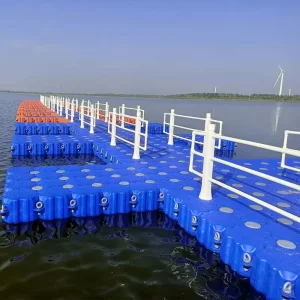
Custom Premium Floating Boat Pontoon for Safe and Stable Water Platforms
High-Quality Robust Floating Boat Pontoon for Safe and Flexible Water Platforms
High-Quality Versatile Floating Boat Pontoon for Water Projects
High-Quality Water Boat Pontoon Floating – Stable and Modular Floating Platforms

High-Quality Pipeline Float Tie-In – Modular Buoyancy Solution for Deepwater
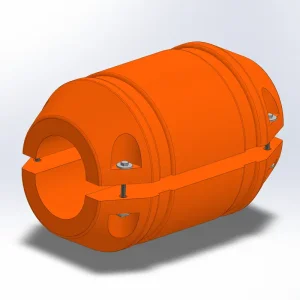
ODM Reliable Pipe Floats for Marine Projects
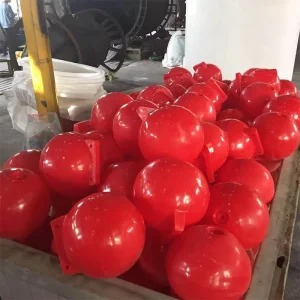
Best PE Float Ball – Durable Buoyancy Solution for Water Projects
Custom Durable Pipe Floats for Reliable Marine Operations
Frequently Asked Questions on Brazilian Marine Pontoons
Addressing engineering specifications, logistics, customs clearance, and mooring mechanics for international and Brazilian contractors.
Plan Your Water Infrastructure Project in Brazil
Get CAD layouts, buoyancy reserve calculations, and direct container FOB/CIF freight rates tailored to your port of discharge.