

Best Heavy-Duty Pipeline Float System for Subsea Installations Manufacturer, Products
Product Description
Contact Us
We are committed to providing you with the best quality service and look forward to communicating with you to solve problems together and bring you a better experience.
-
 Phone: +86-158-6665-7686
- WhatsApp: +86-158-6665-7686
-
 E-mail: [email protected]




Why Choose Giant Rubber?
Over 15 Years Experience
Strict Quality Assurance
Customized Engineering Solutions
Fast Global Delivery
Continuous Innovation in Design
Dedicated Customer Support
Product Features
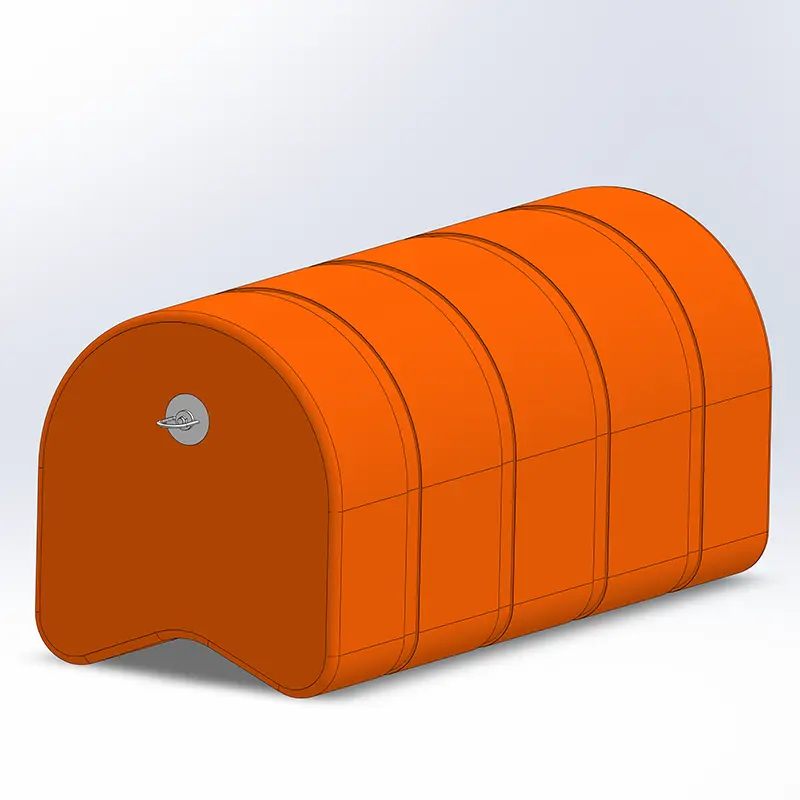
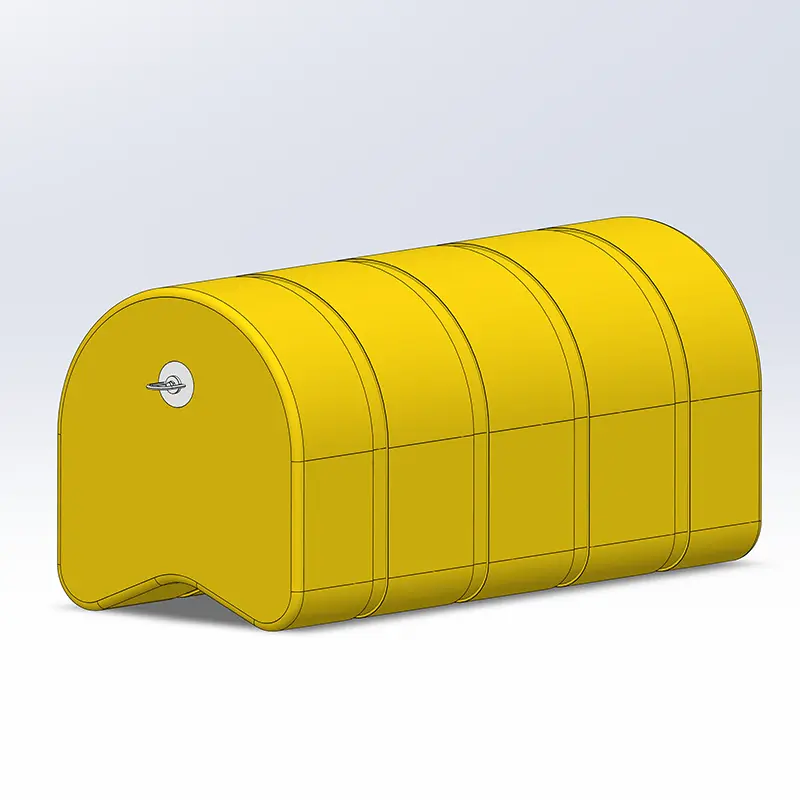
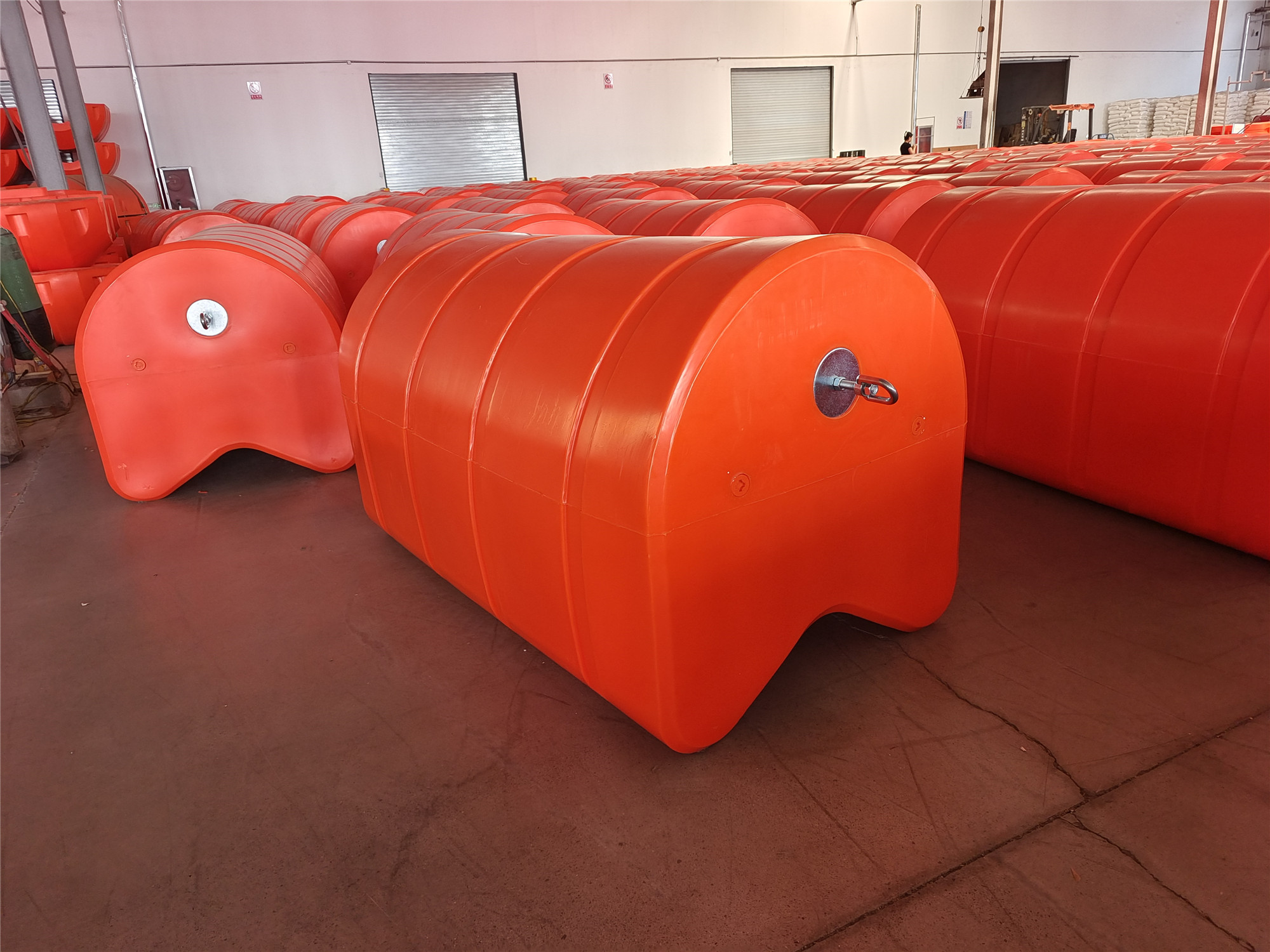
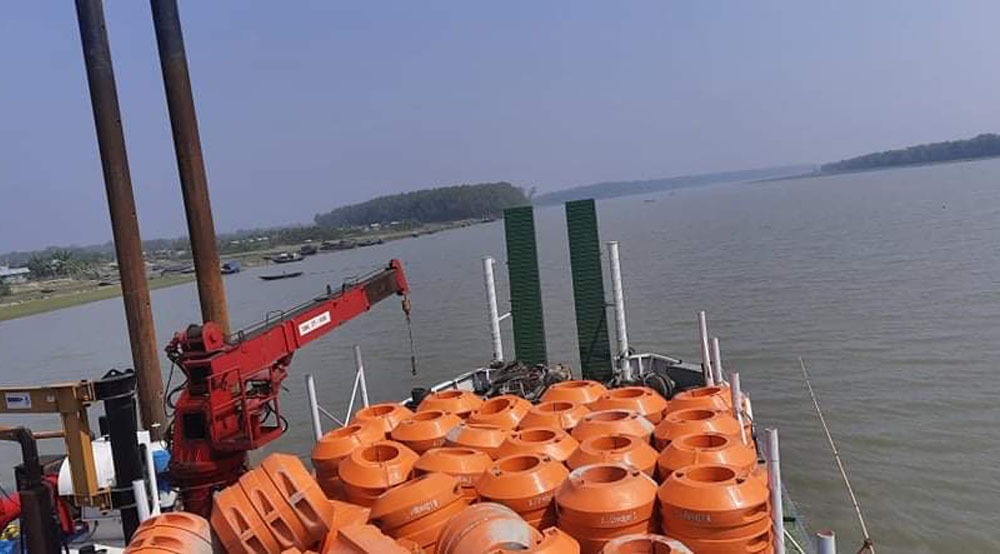
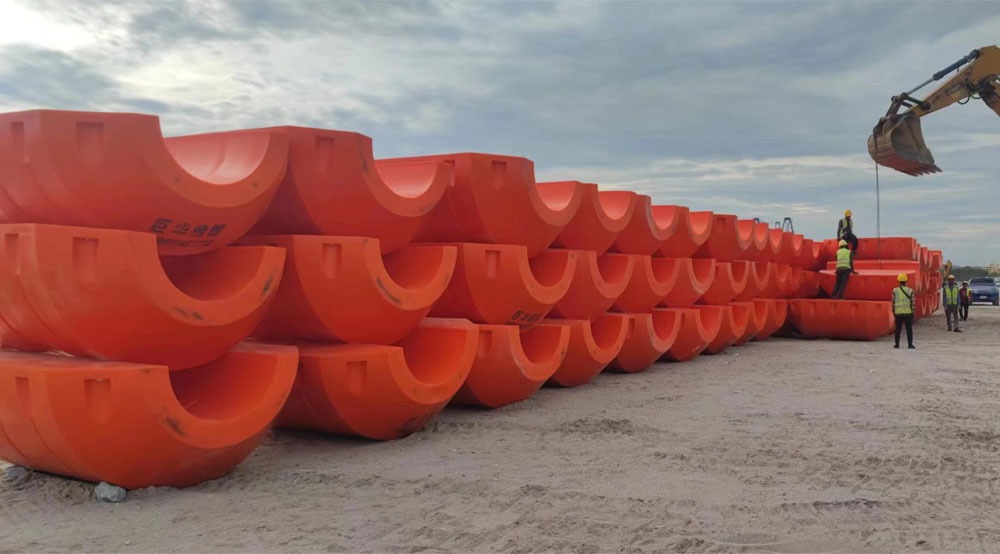
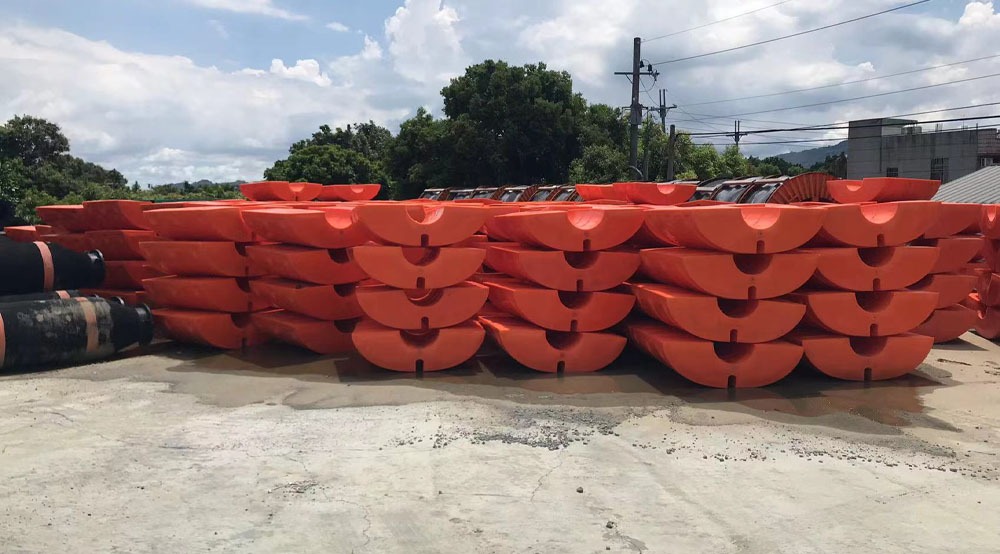
The system’s modular components can be combined to create the perfect buoyancy for pipelines of various sizes, offering flexibility for different project requirements.
Built to endure the harshest subsea conditions, the float modules are engineered to withstand strong underwater currents, extreme pressures, and prolonged exposure to seawater.
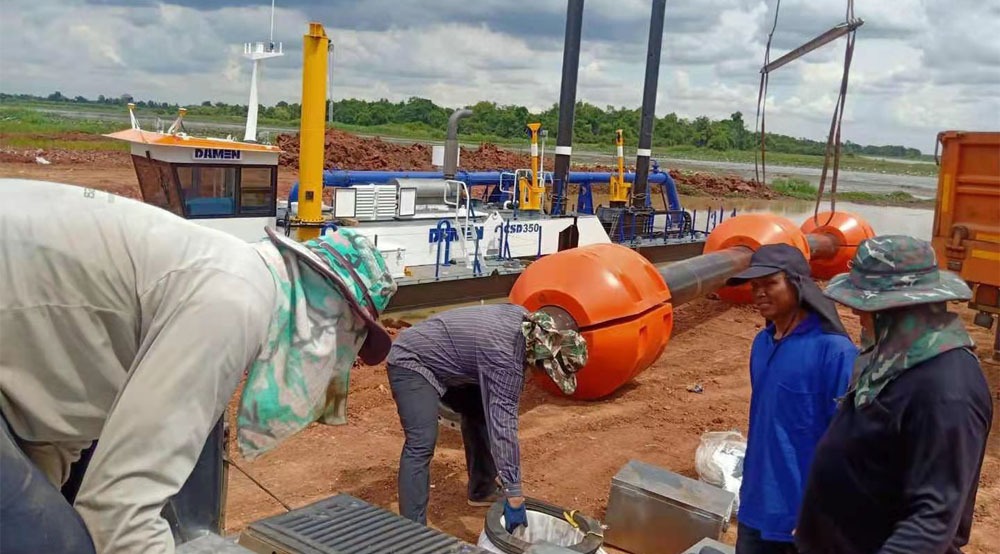
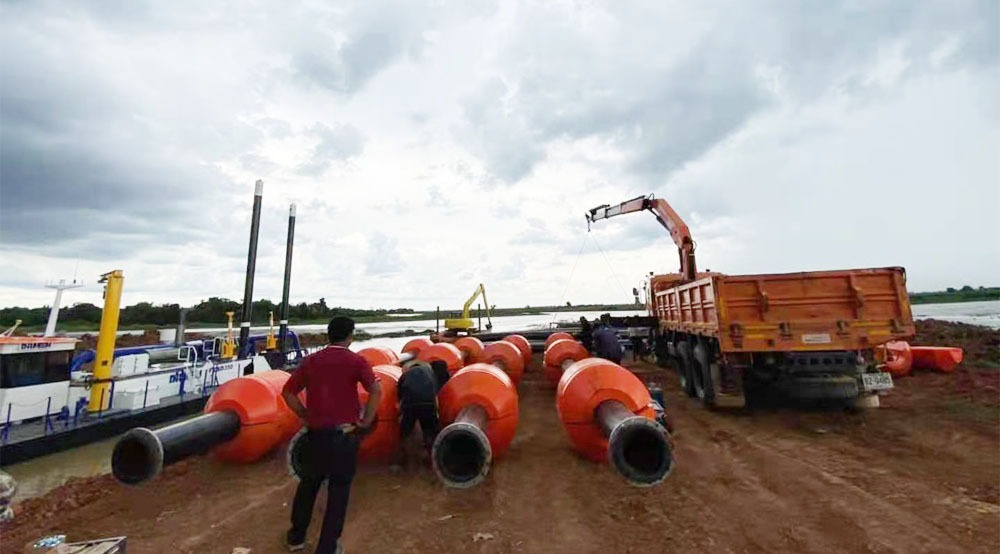
The float system can be secured using steel strips, hybrid steel-textile straps, or specialized plastic straps, ensuring a stable and secure attachment to the pipeline.
Each float module has dimensions of L 1950 × W 1100 × H 1150 mm, providing ease of deployment and handling while maintaining optimal stability in the water.
Suitable for deployment at depths ranging from 10 to 300 meters, with the ability to be customized for deeper applications based on project specifications.
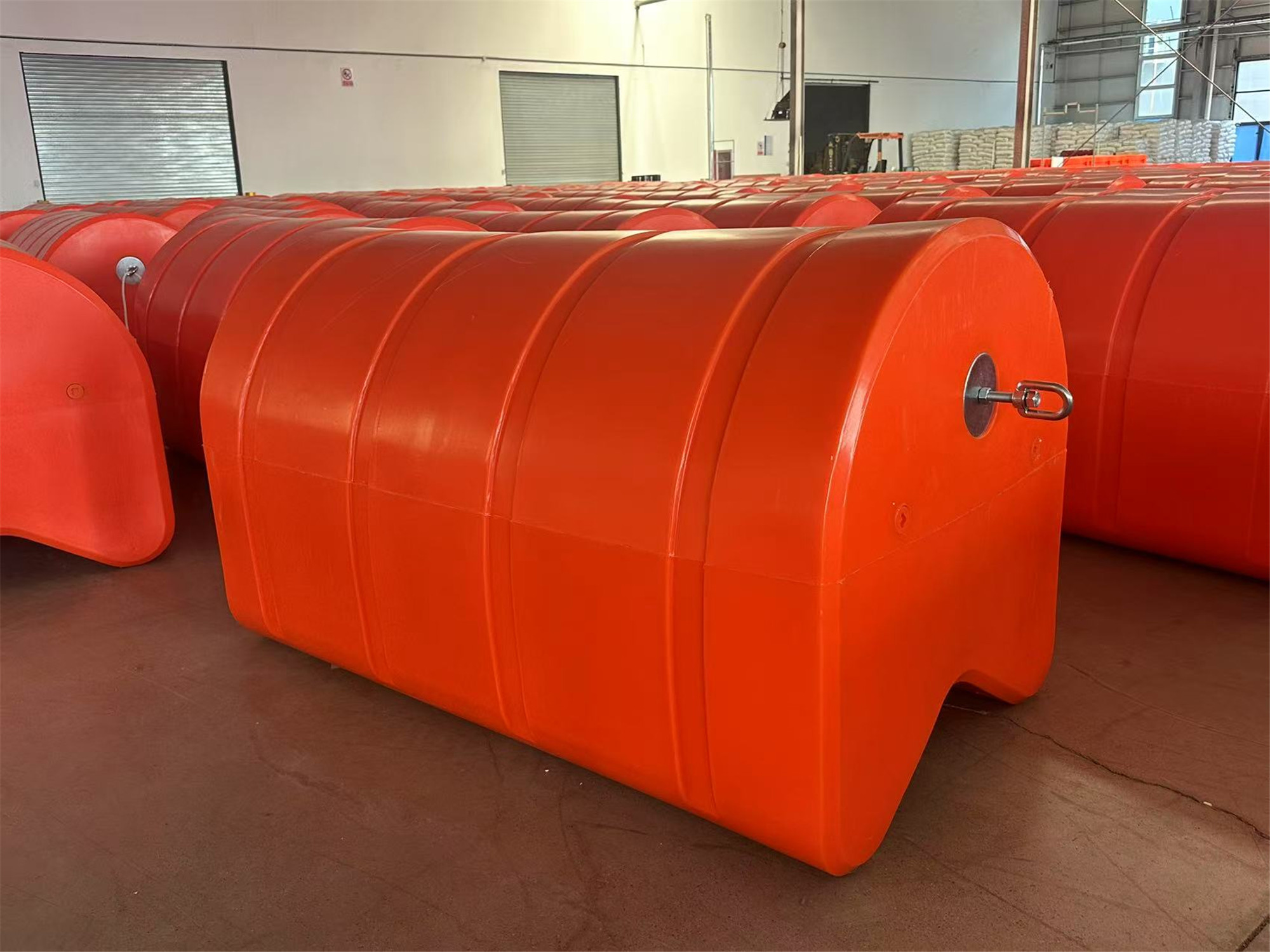
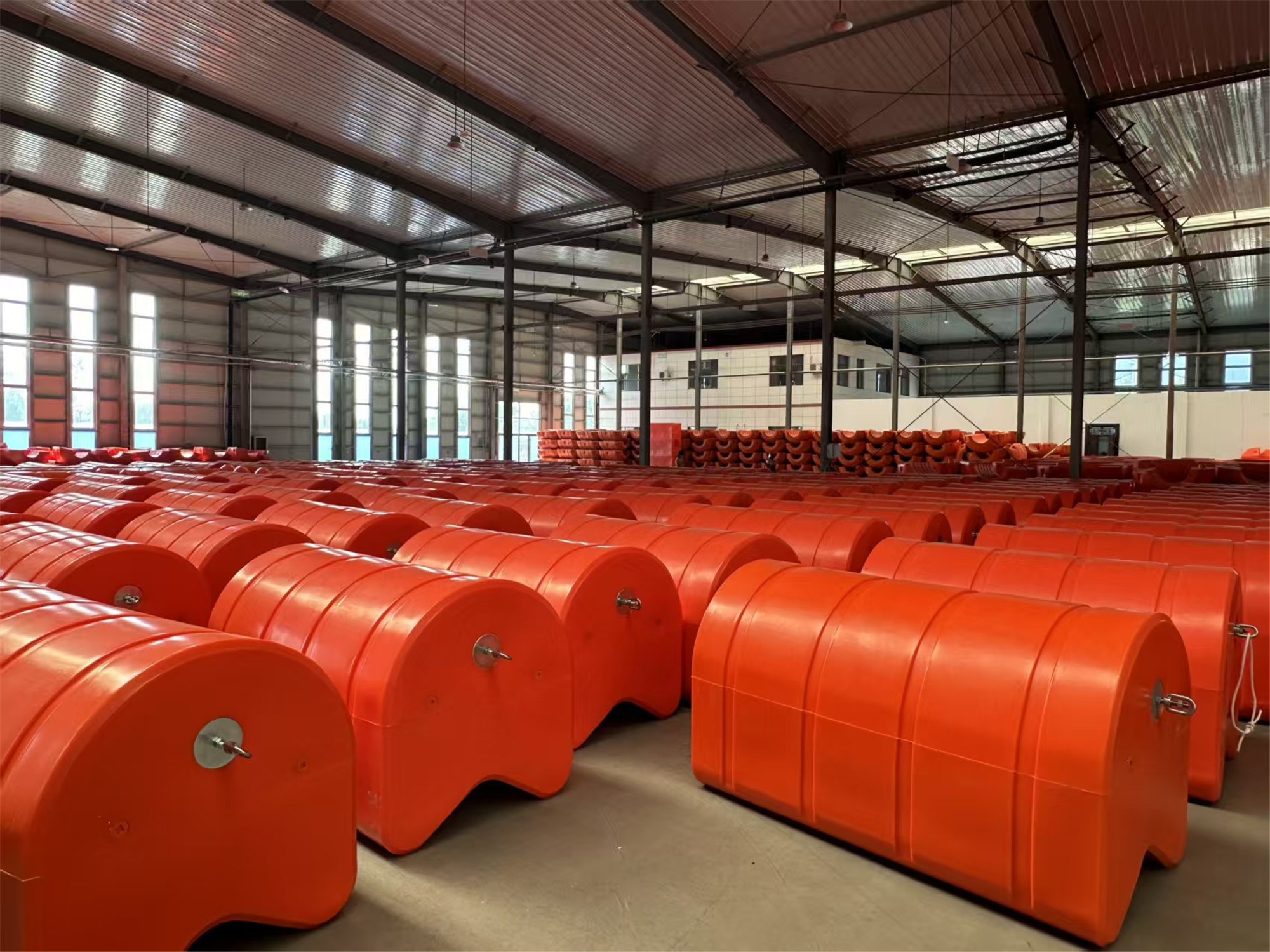
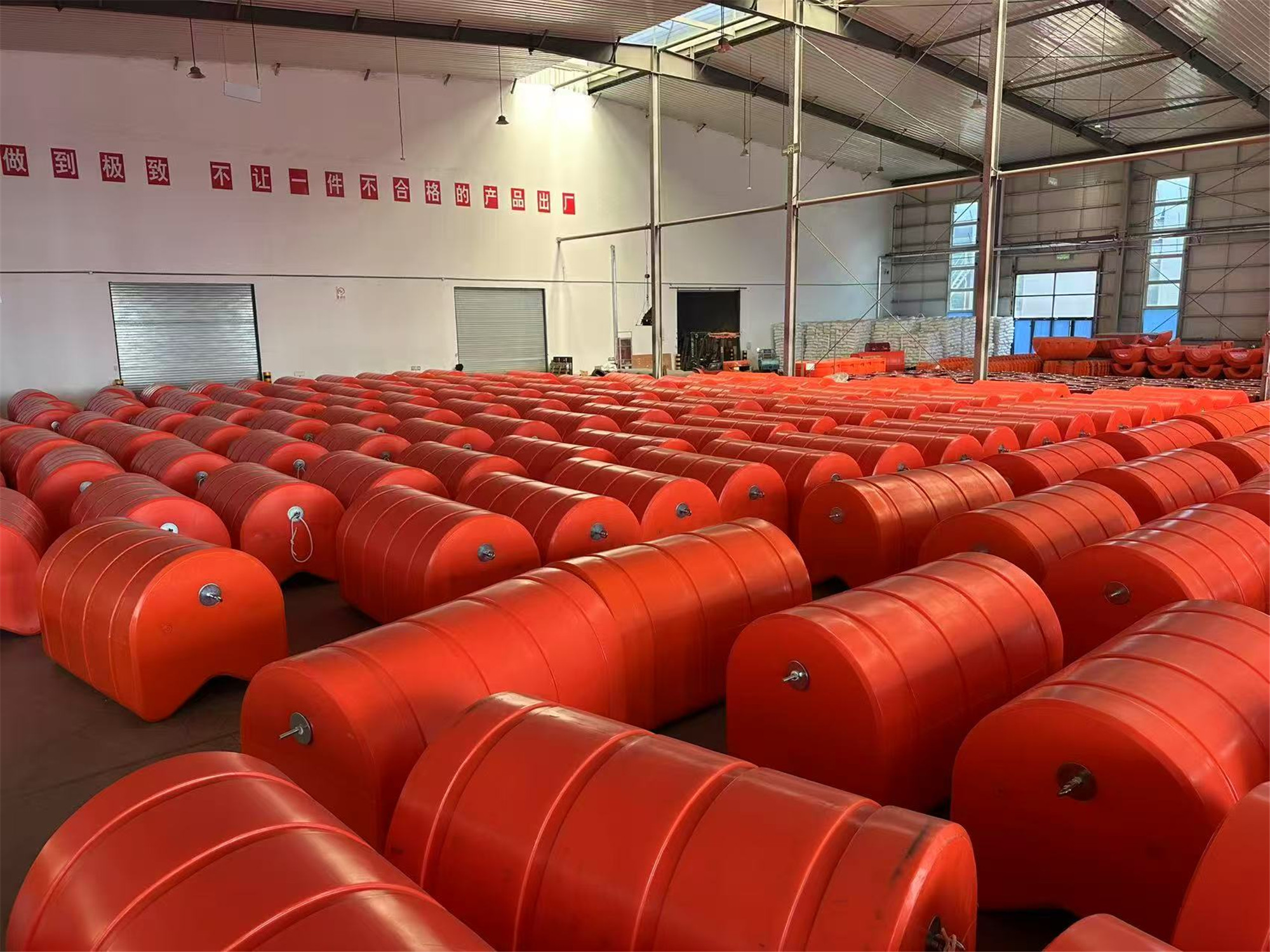
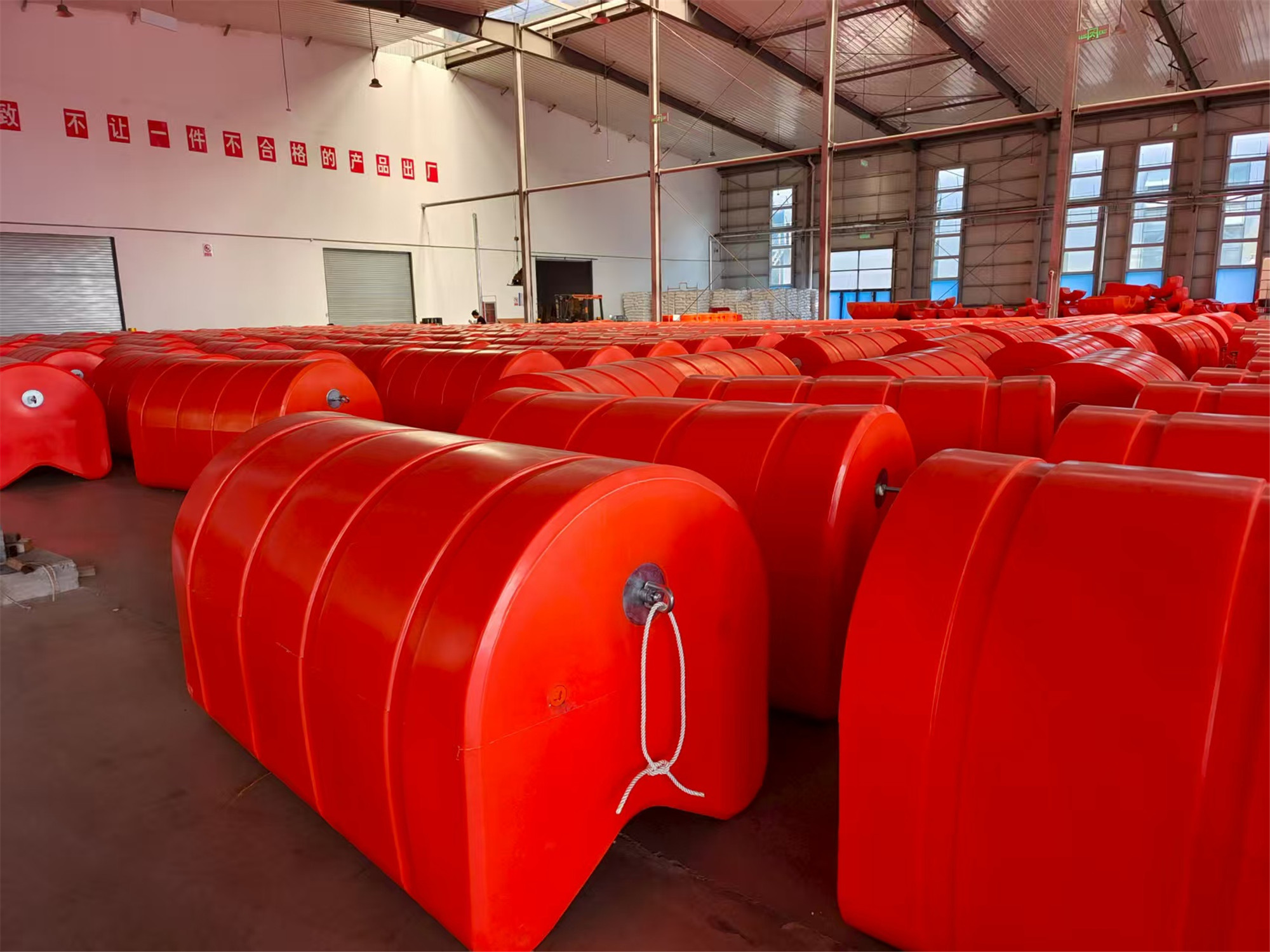
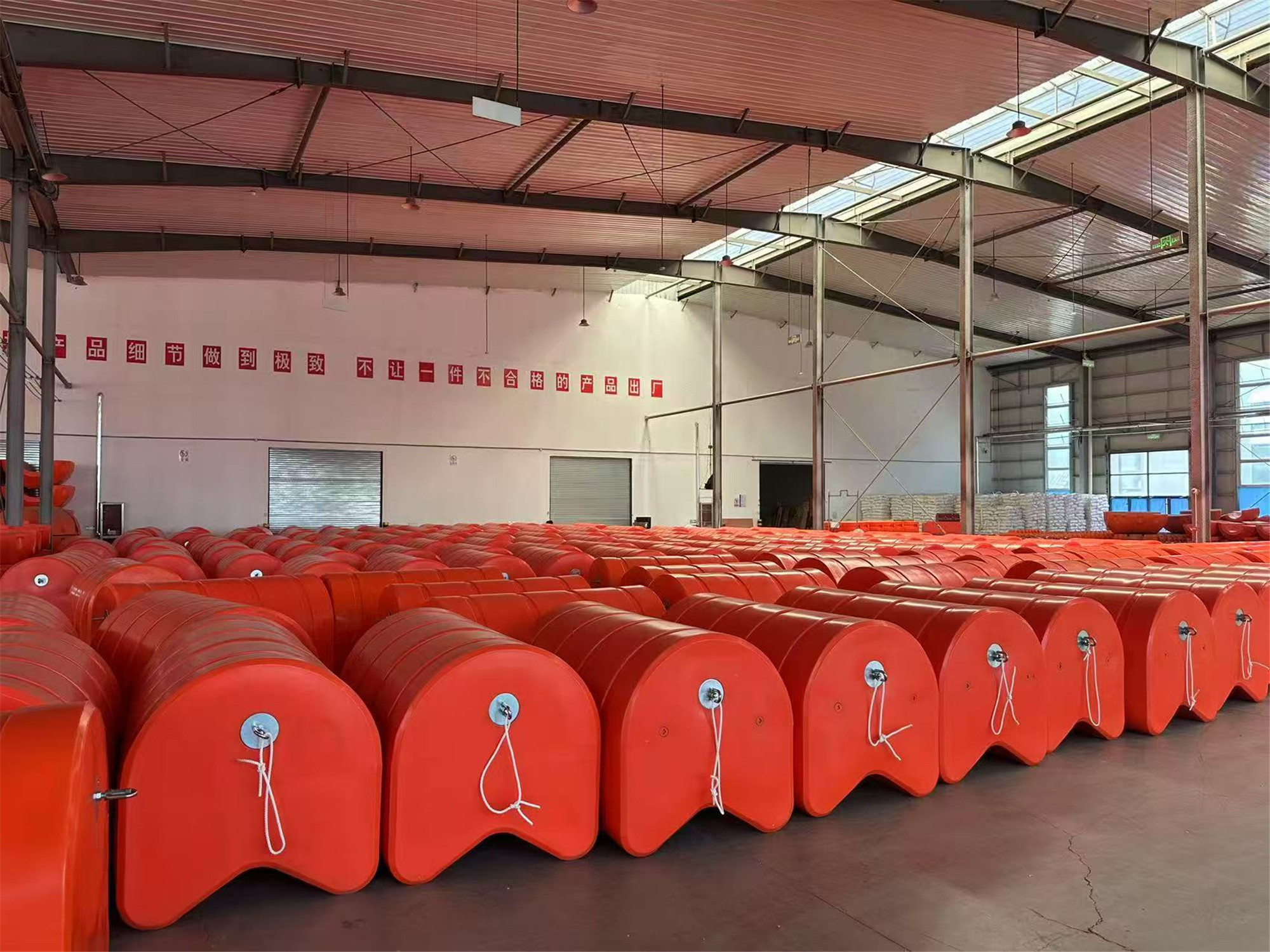
Pipe Floats Specifications
| Parameter | Description |
|---|---|
| Product Name | Pipeline Float Tie-In (Pipe Deployment Float) |
| Function | Supports the weight of pipelines during deep-sea underwater pipeline laying |
| Water Depth Range | 10–300 meters (deeper depths possible with customization) |
| Modular Design | Modules can be combined to achieve different buoyancy levels |
| Attachment Options | Steel strips, steel & textile straps, special plastic material straps |
| Dimensions (per module) | L 1950 × W 1100 × H 1150 mm |
| Material | High-strength, corrosion-resistant material (customizable) |
| Buoyancy Adjustment | Achieved by combining multiple modules |
| Applications | Deepwater pipeline deployment, offshore oil & gas projects, subsea engineering |
| Durability | Designed for long-term use in harsh underwater conditions |
Applications
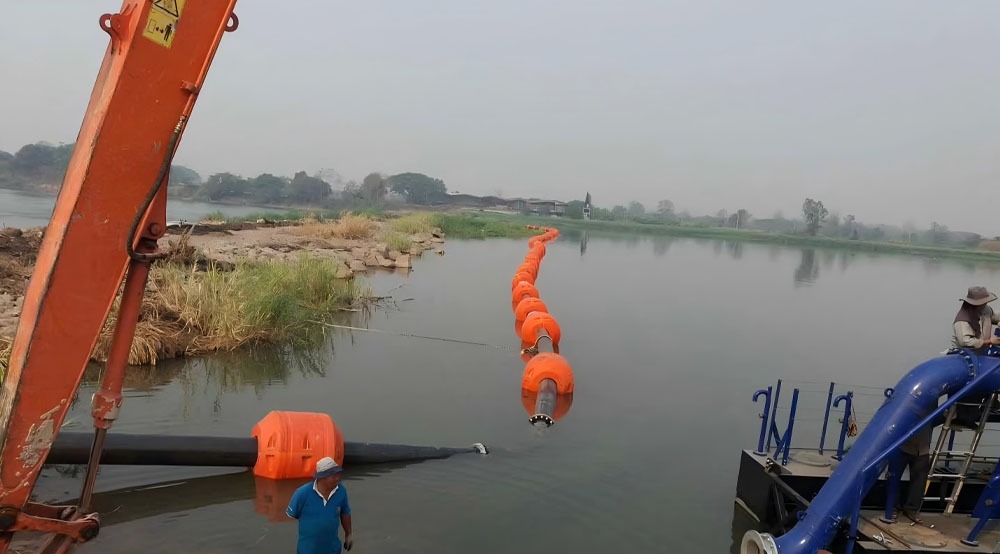
The float system helps reduce stress on pipelines during the installation process, preventing bending, sagging, or misalignment, ensuring proper placement on the seabed.
It supports the safe and efficient installation of subsea pipelines used in offshore production areas and other critical infrastructure.
The system provides reliable flotation support for subsea pipelines and cables in offshore wind farms and hydroelectric installations.
It stabilizes underwater pipelines used in water transfer systems, coastal infrastructure, and industrial applications, ensuring precise positioning and long-term stability.
Industry Fields
Essential for the installation, maintenance, and monitoring of subsea pipelines and infrastructure in deepwater environments.
Ensures accurate placement and alignment of pipelines during complex underwater installations.
Supports the deployment of subsea cables and pipelines for offshore energy projects, such as wind and tidal power systems.
Helps maintain the integrity and safety of pipelines in ecologically sensitive underwater regions, ensuring compliance with environmental standards.
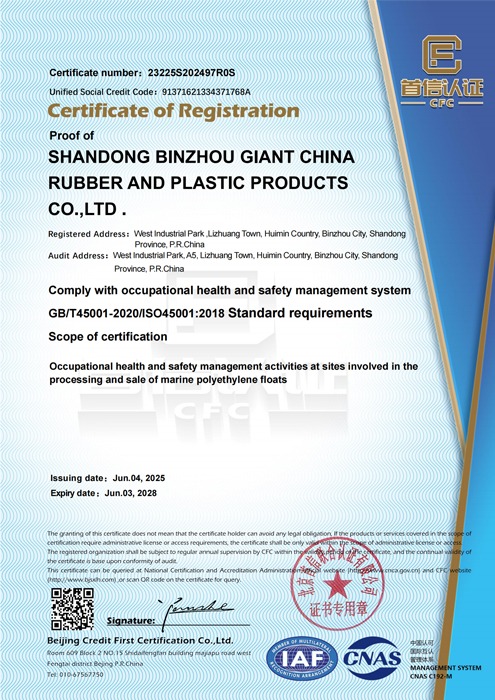
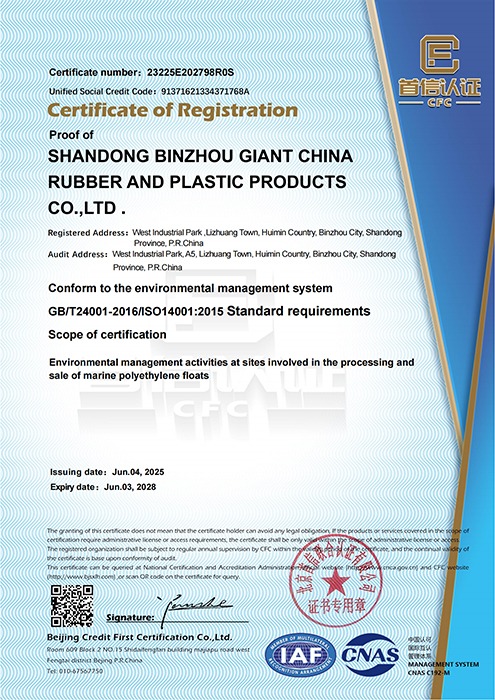
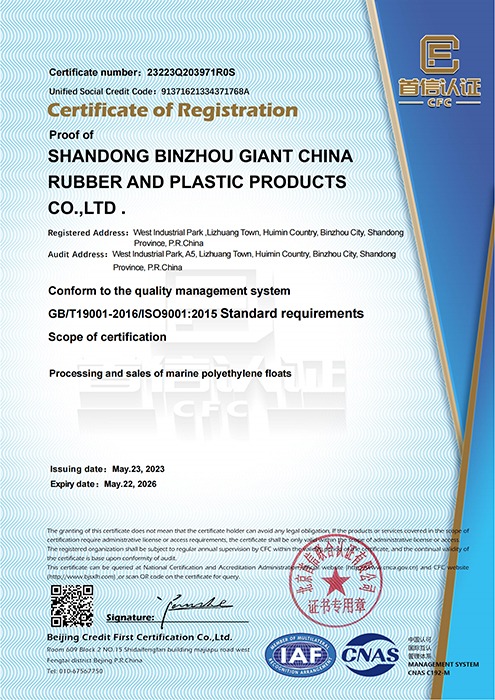
Qualification Certificate

Custom Design

Quality Assurance

Technical Support

Fast Delivery

Maintenance Guidance

After-Sales Service
Frequently Asked Questions (FAQ)
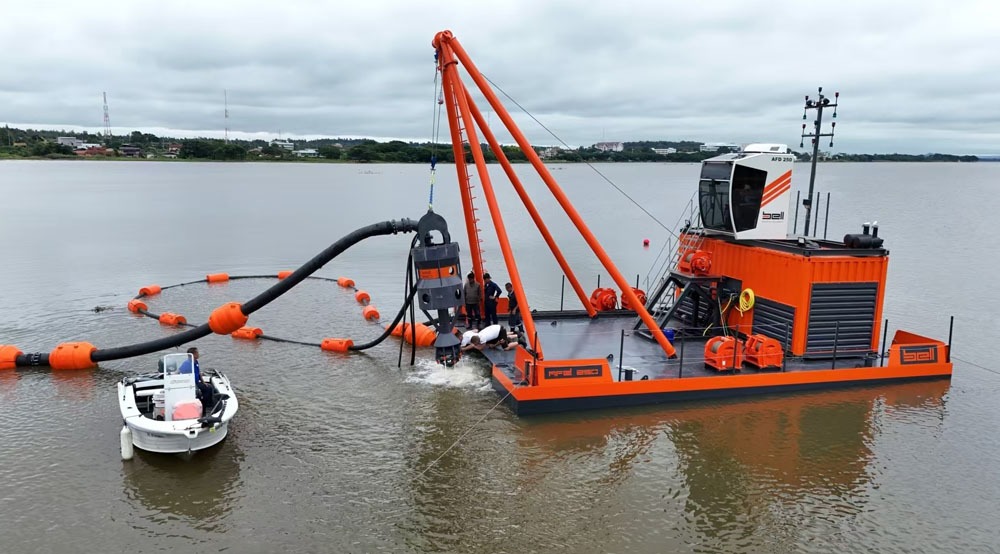
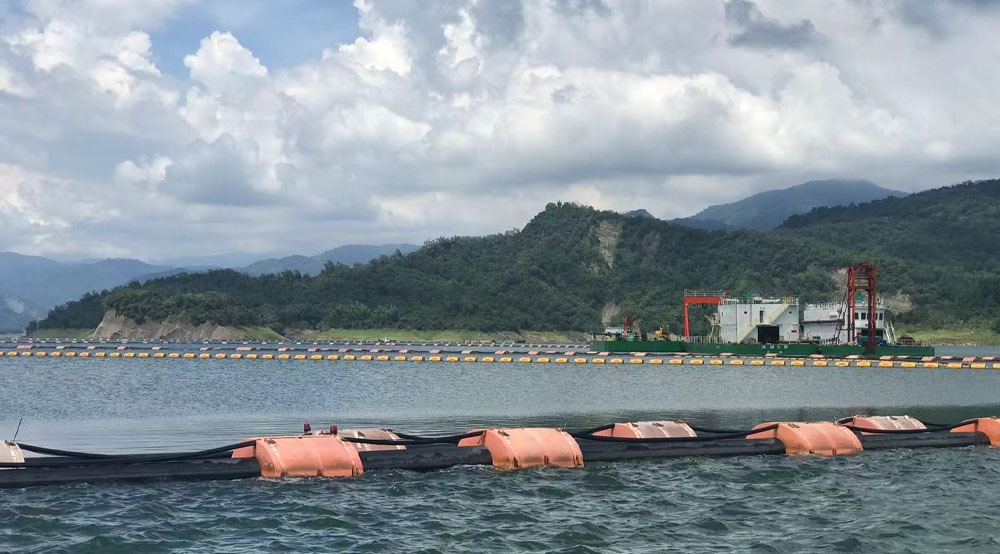
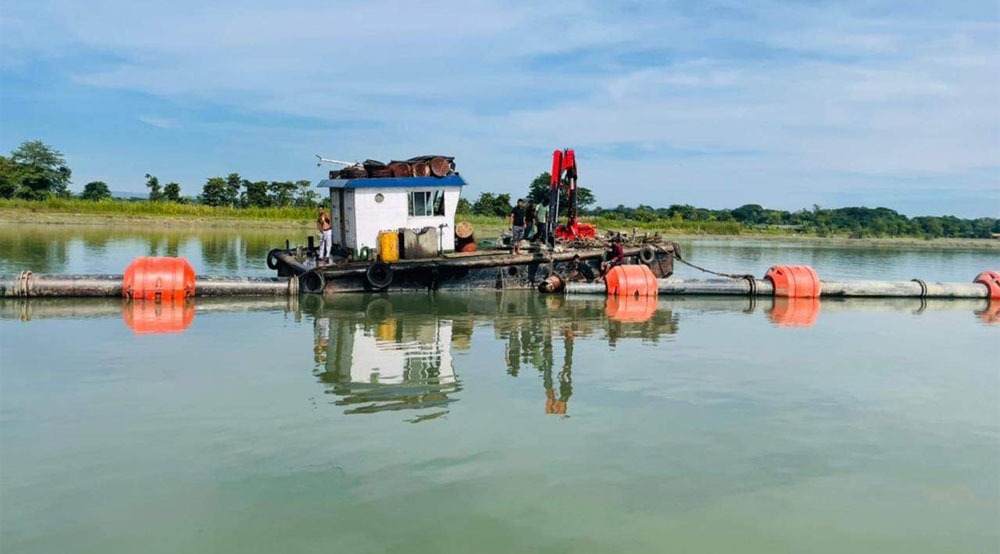
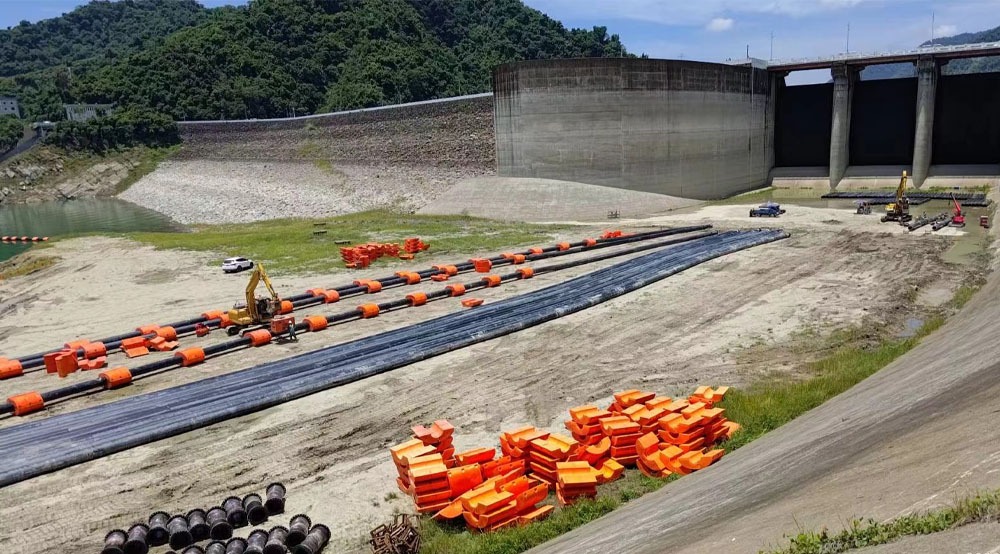
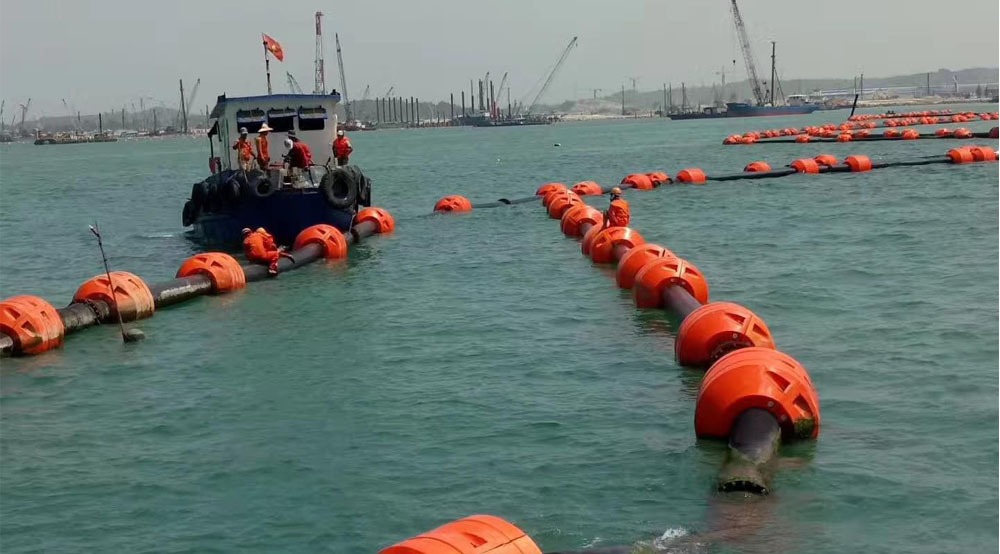
Pipeline floats (also known as dredge floats or buoyancy modules) are devices attached to discharge pipes to keep them afloat on water.
You need to ensure total buoyancy exceeds total weight. Calculate the combined weight of the steel/pipe itself + the weight of the material inside (e.g., slurry/water) + accessories. The floats should provide at least 20-30% more buoyancy than this total weight to keep the pipeline floating properly (usually with 1/4 of the pipe diameter above water).
The warranty period begins on the date the buyer hands over the goods to the investor and ends on the first 18 (eighteen) months after the buyer's handover date, or on the first 12 (twelve) months after the installation date, whichever comes first.
Yes, absolutely. Polyethylene (PE) is highly resistant to saltwater corrosion, UV radiation, and chemical erosion. They are actually preferred over steel floats in marine environments because they never rust.
The standard water depth range is between 10 and 300 meters. Customized engineering solutions are also available for deeper deepwater pipeline applications.
The float system can be reliably secured to pipelines using high-strength steel strips, hybrid steel & textile straps, or specialized plastic material straps according to specific operational conditions.