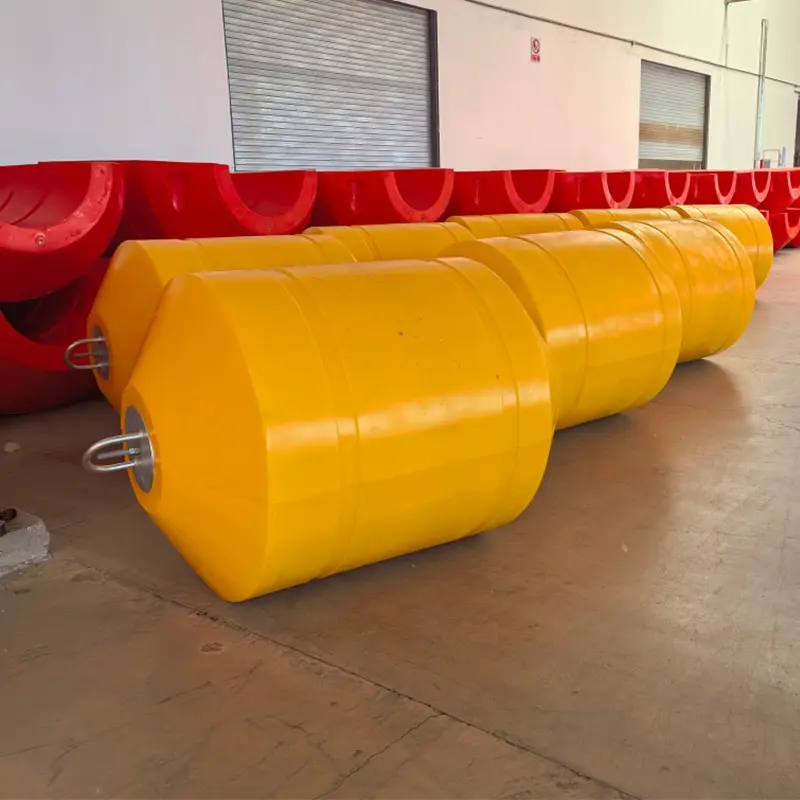
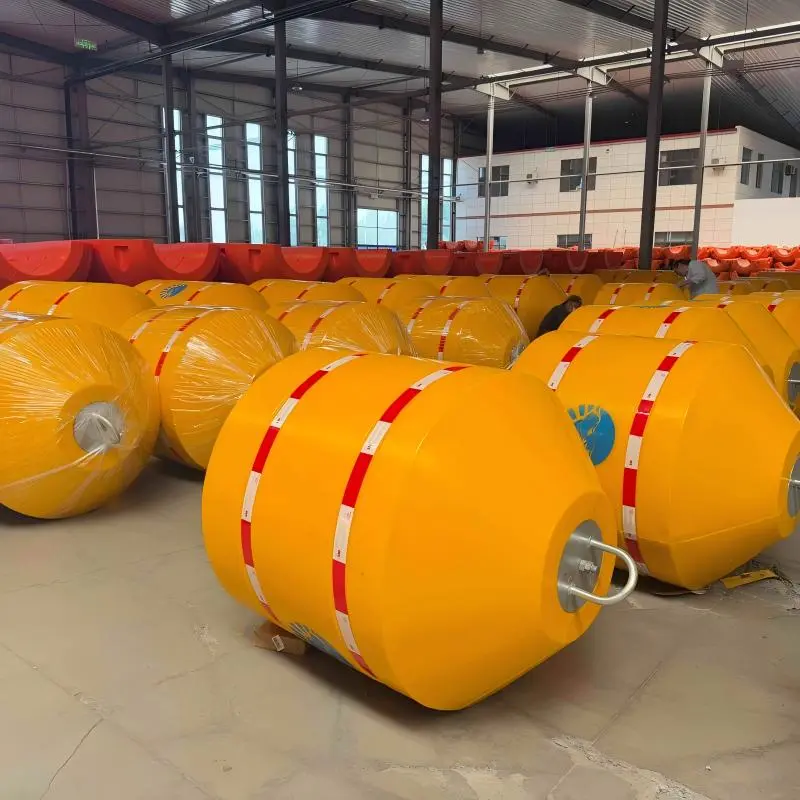
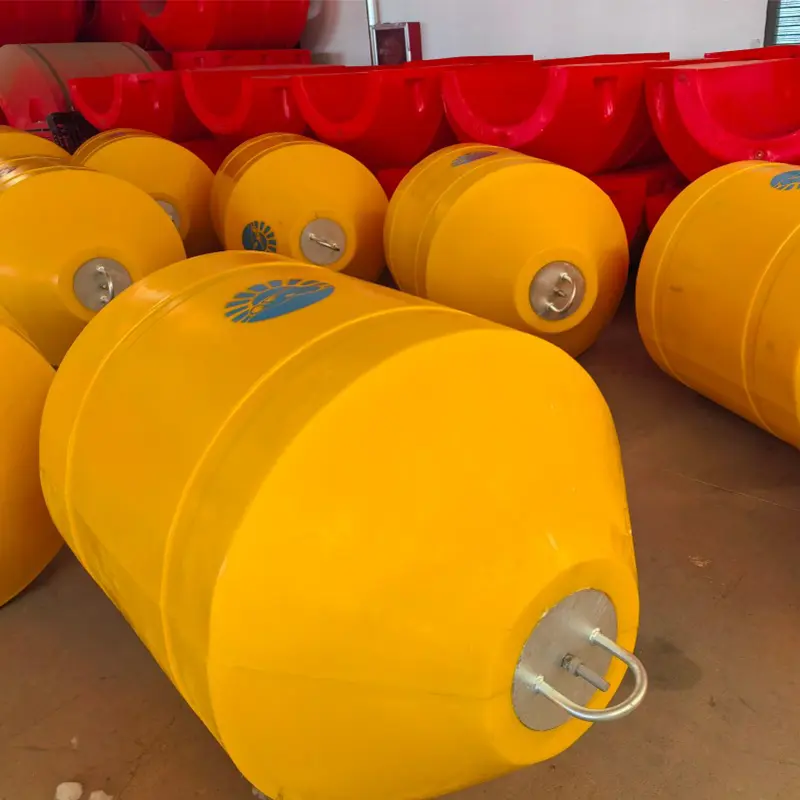
ODM Polyethylene Mooring Buoy for Harbors and Floating Facilities Manufacturers, Pricelist
Product Description
Contact Us
We are committed to providing you with the best quality service and look forward to communicating with you to solve problems together and bring you a better experience.
-
 Phone: +86-158-6665-7686
- WhatsApp: +86-158-6665-7686
-
 E-mail: [email protected]
-

WhatsApp
-

WeChat


Why Choose Giant Rubber?
Over 15 Years Experience
Strict Quality Assurance
Customized Engineering Solutions
Fast Global Delivery
Continuous Innovation in Design
Dedicated Customer Support
Product Features
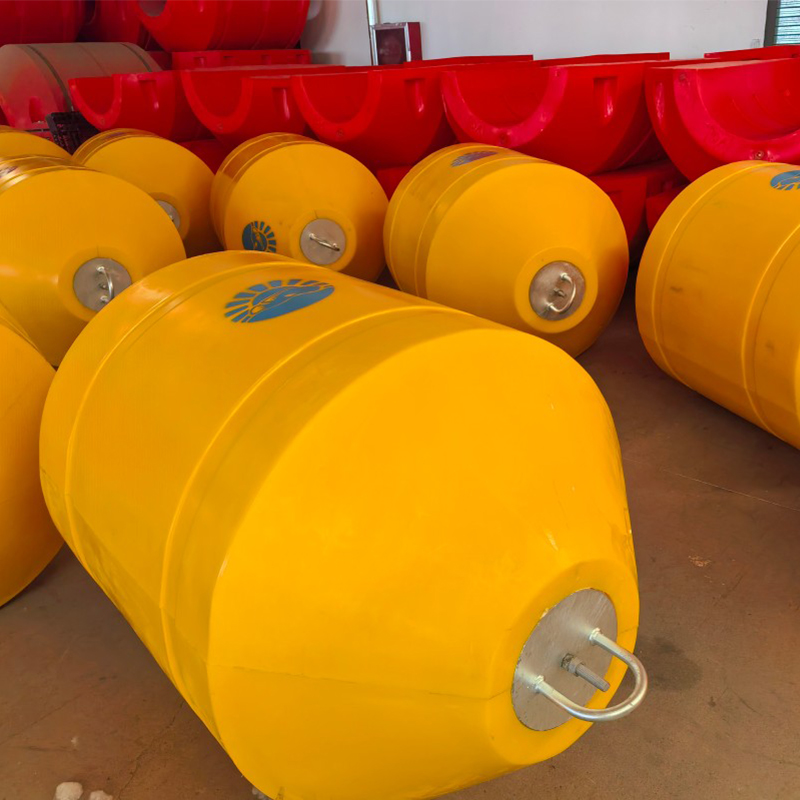
Productdetail1
Productdetail2
Productdetail13
Productdetail3
Productdetail14
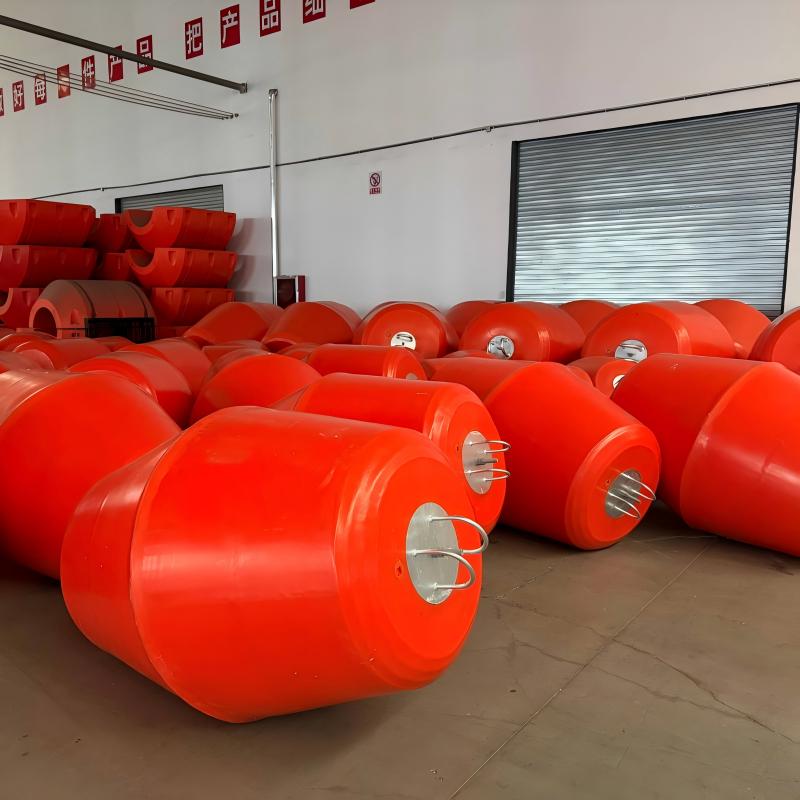
Productdetail5
Pipe Floats Specifications
| Item | Specification |
|---|---|
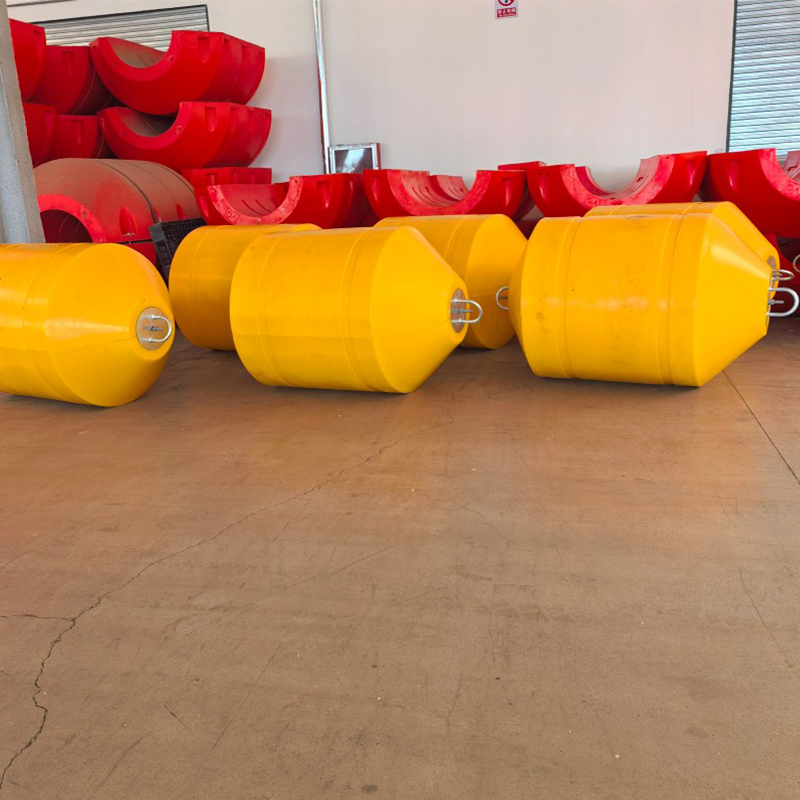
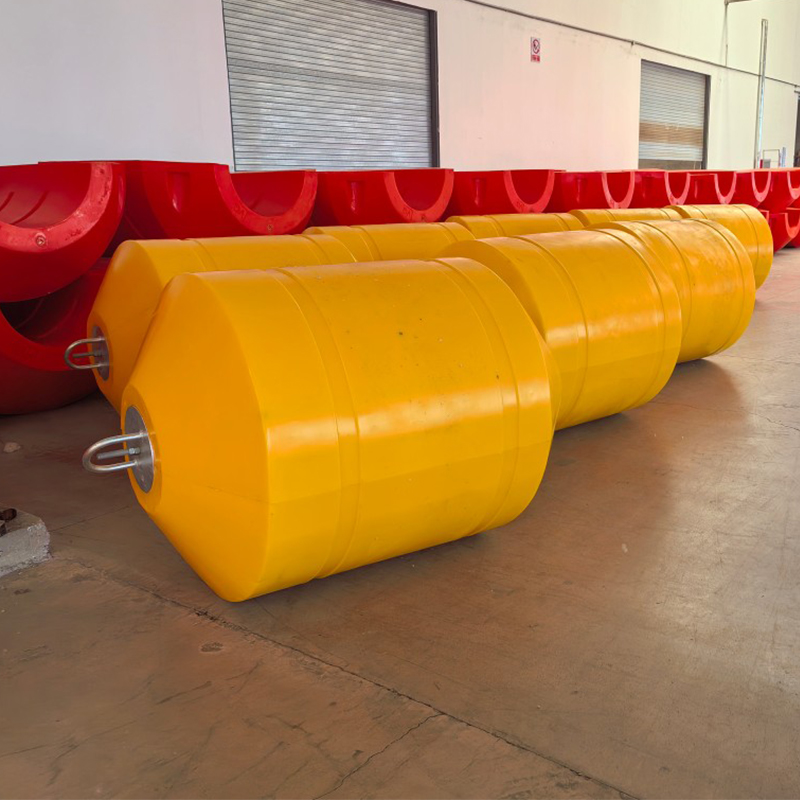
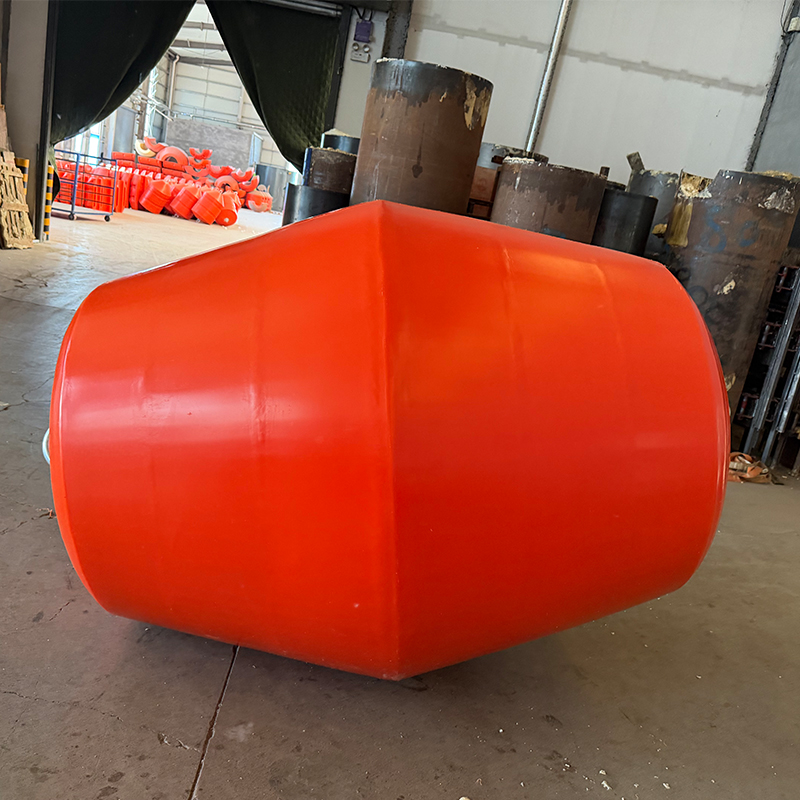
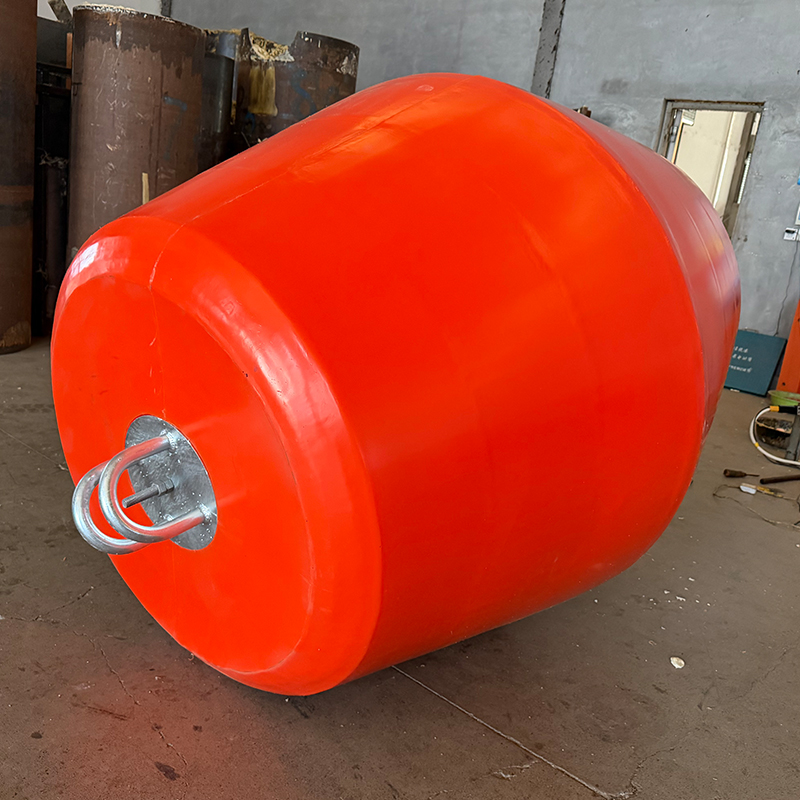
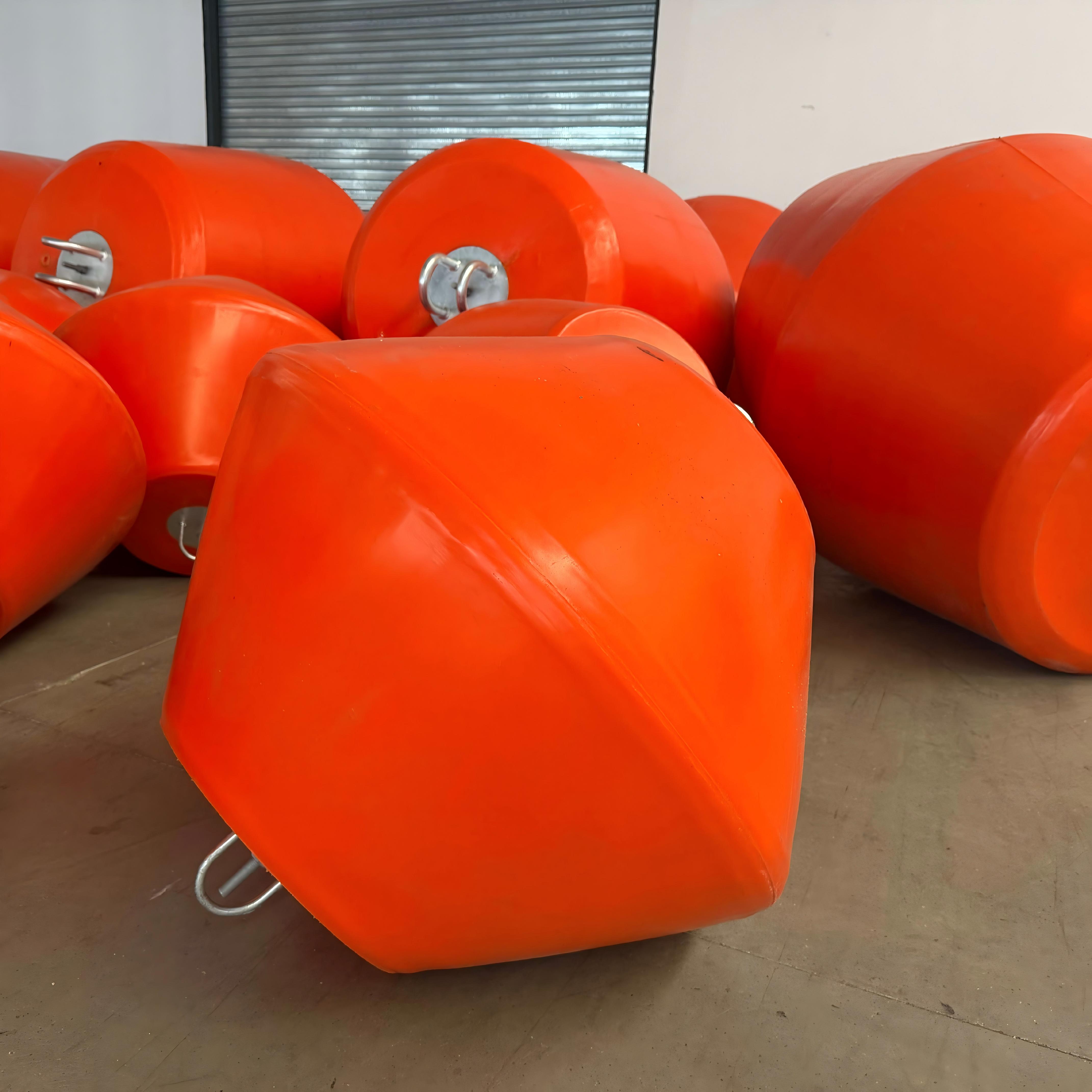
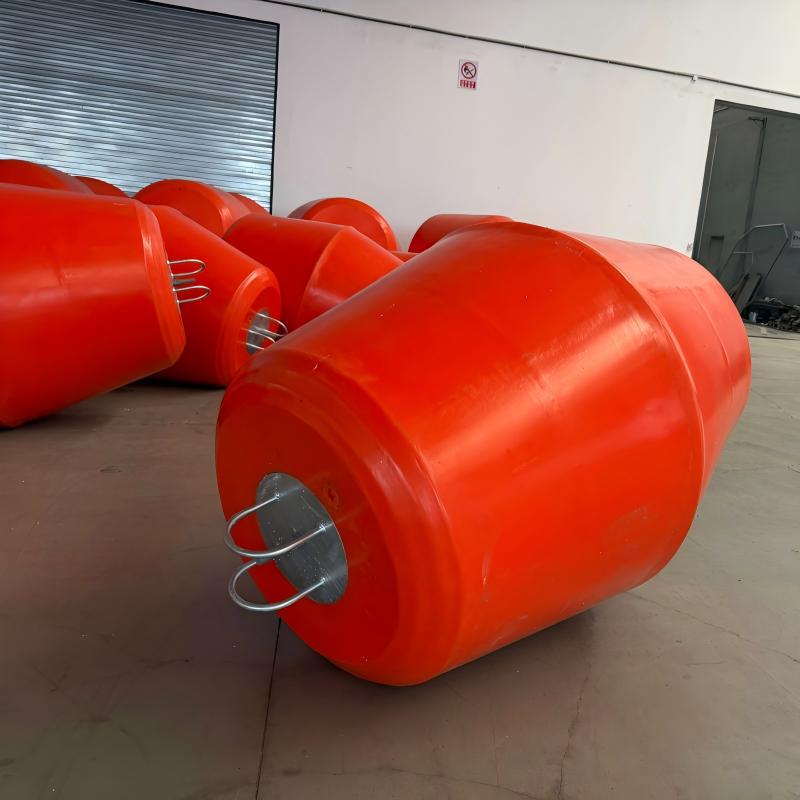
| Product Type | Marine Mooring Buoy |
| Shell Material | Polyethylene (PE) / HDPE / UHMWPE |
| Internal Filling | Closed-Cell PU Foam / EPS Foam |
| Production Method | Rotational Molding |
| Flotation System | Foam-Filled Unsinkable Structure |
| Internal Support | Heavy-Duty Steel Core |
| Connection Components | Galvanized Steel or Stainless Steel |
| Design Life | 15–30 Years |
| UV Protection | Available |
| Marine Growth Resistance | Excellent |
| Impact Recovery | High Elasticity |
| Environmental Property | Recyclable Material |
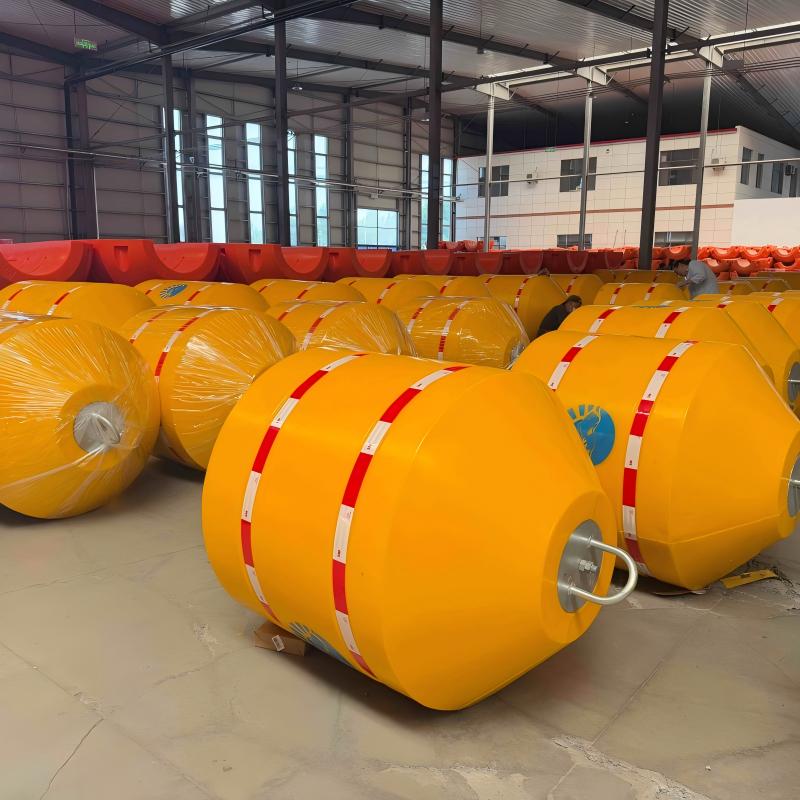
| Color | Customized |
| Logo Marking | Available |
| OEM Service | Supported |
| Customized Dimensions | Available |
Applications
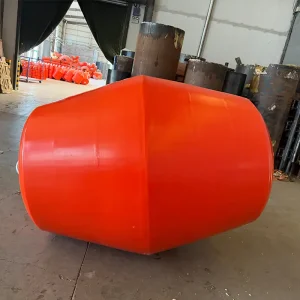
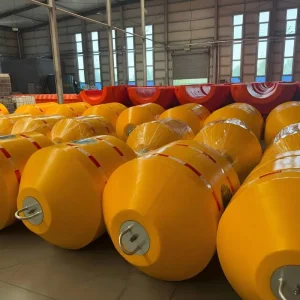
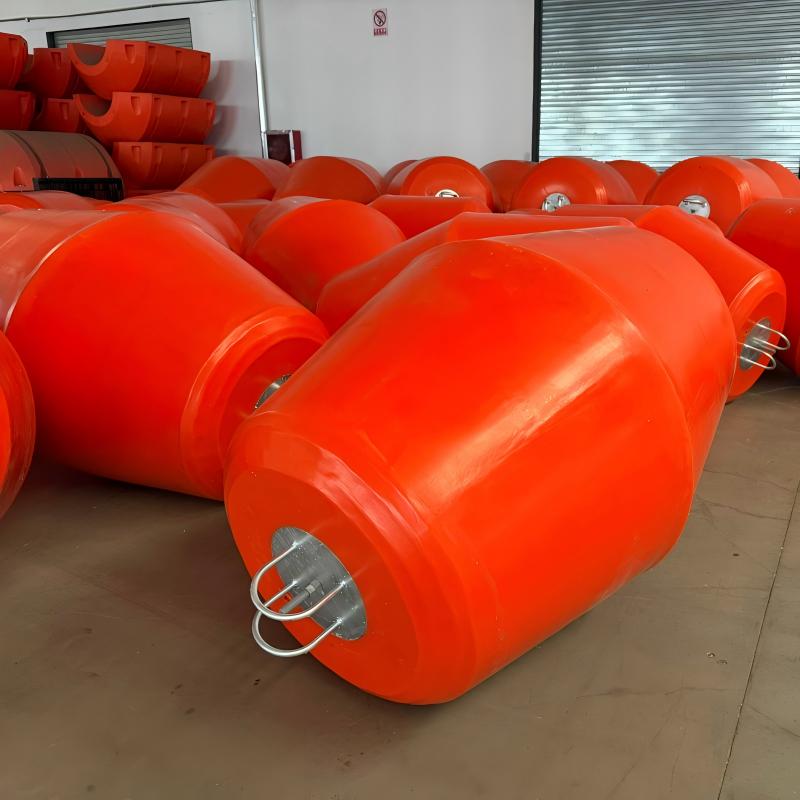
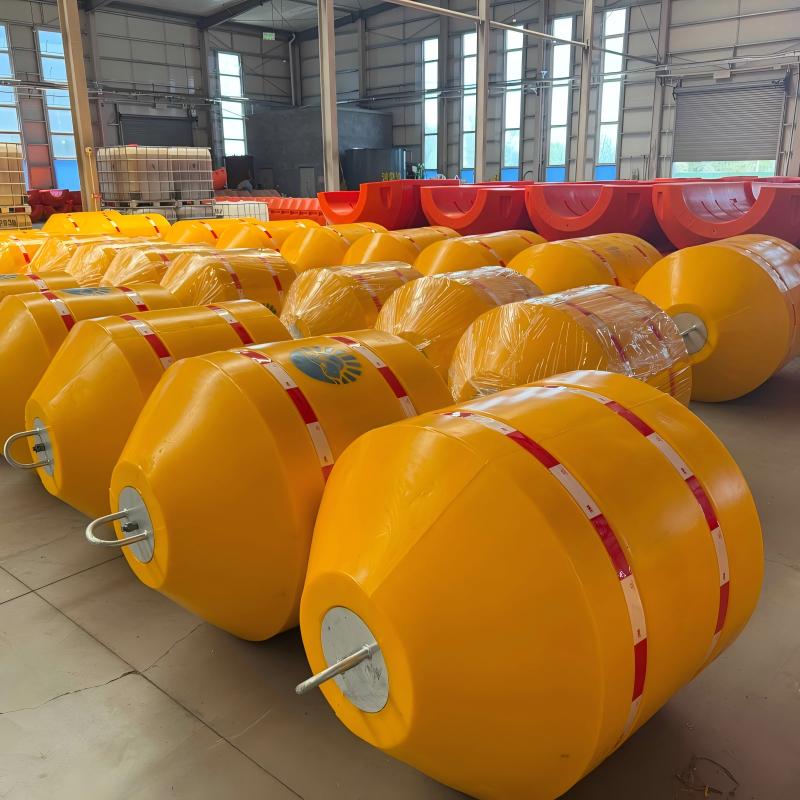
You can install our Mooring Buoys for marine anchoring systems in fishing harbors, commercial vessel waiting areas, yacht berths, coastal workboat stations, and offshore service locations. They are suitable for projects involving fishing vessels, patrol boats, harbor service craft, pontoons, floating maintenance equipment, and aquaculture installations.
In fish farming operations, you can incorporate an aquaculture mooring buoy into a suitably engineered anchoring network for floating cages and supporting structures. For offshore facilities, the buoy can provide surface flotation within a marine mooring arrangement designed for the site's water depth, currents, and equipment loads.
Whether you are establishing a new anchorage or upgrading an existing facility, you can select a custom marine mooring buoy that fits the available space, operating procedures, and maintenance arrangements.
45
378
73423
Industry Fields
Our marine flotation and mooring products are intended for port infrastructure, commercial fishing operations, aquaculture development, offshore maintenance, maritime construction, marina management, floating equipment installation, and coastal engineering.
If you are a marine project contractor, purchasing manager, equipment importer, or mooring-system supplier, you can source standard buoy configurations or discuss a customized product for your market.
7
5
4
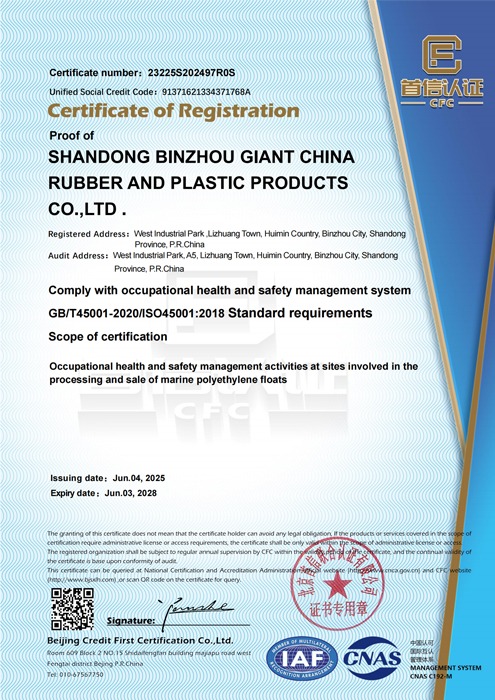
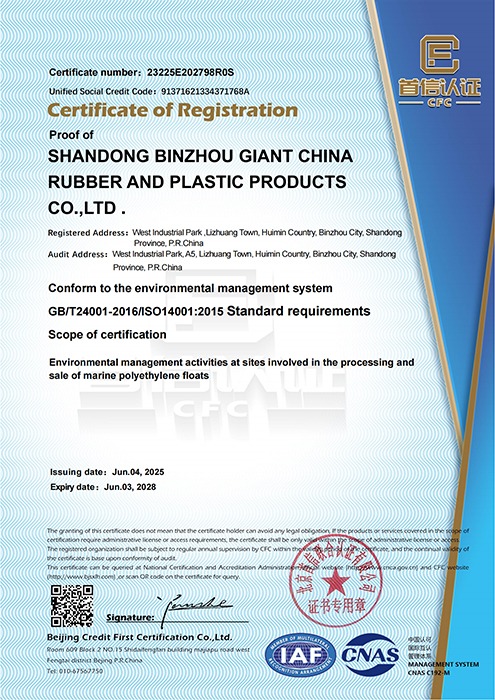
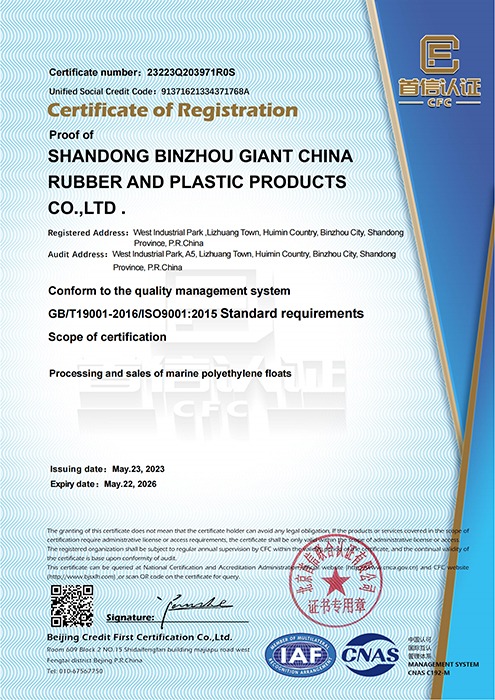
Qualification Certificate
7
5
6

Custom Design

Quality Assurance

Technical Support

Fast Delivery

Maintenance Guidance

After-Sales Service
Frequently Asked Questions (FAQ)
What is the difference between nominal buoy volume and usable buoyancy?
Nominal volume describes the buoy's geometric or designated capacity. Usable buoyancy is influenced by water density, buoy weight, submerged volume, and attached equipment. You should request the relevant flotation data rather than treating the liter rating as an allowable mooring load.
Can you use a Mooring Buoy as a navigation marker?
A mooring buoy and a navigation buoy serve different primary purposes. If you need both functions, you should first confirm the marking, visibility, lighting, and approval requirements set by the relevant maritime authority.
What should you inspect after severe marine weather?
You should check the buoy for cracks, unusual changes in floating position, damage around connection points, worn mooring hardware, and signs of abnormal movement. Any suspected structural damage should be evaluated before the mooring position returns to normal service.
Can you replace an existing steel buoy without changing the entire anchor system?
You may be able to retain suitable anchoring components, but you should first confirm the replacement buoy's flotation, connection dimensions, structural capacity, and compatibility with the existing mooring arrangement. Reusing an anchor or chain should not be assumed safe without inspection and engineering review.
What materials are used for shell and internal flotation core?
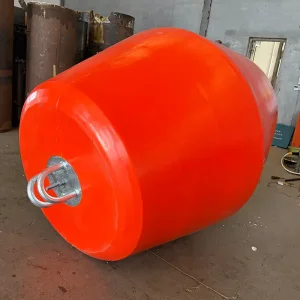
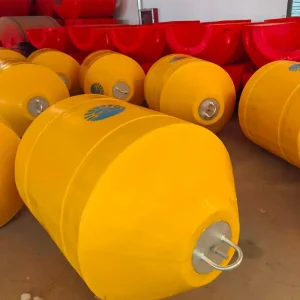
The buoys feature a rotationally molded seamless polyethylene (PE / HDPE / UHMWPE) outer shell that provides superior UV and impact resistance, filled internally with closed-cell polyurethane (PU) or EPS foam to maintain unsinkable flotation performance.
Can mooring buoys be customized for specific project dimensions and logos?
Yes. We support customized production according to your project requirements, including tailor-made dimensions, flotation capacities, color finishes, connection hardware (galvanized or stainless steel), and custom logo markings.