
Featured Dredge Flotation & Marine Anchorage Systems
Modular clamp-on polyethylene floats, heavy-duty offshore anchoring components, and abrasion-resistant HDPE discharge line modules engineered for severe hydrographic loading.


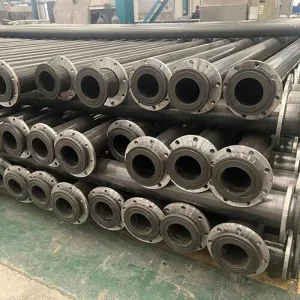
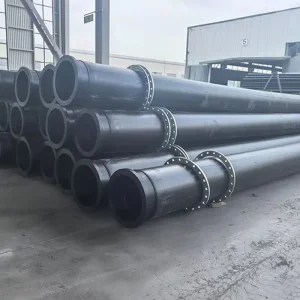


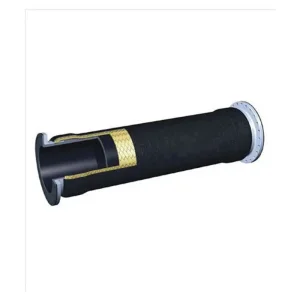
Global Marine Dredging & Hydraulic Flotation Macro Trends
Accelerated capital expenditures in maritime commercial trade corridors, deep-water port deepening, and reclamation infrastructure have revolutionized requirements for dredging discharge assemblies.
In modern marine engineering, the global dredging market has transitioned past purely reactive navigational channel clearance. Today's initiatives—spanning the mega-scale reclamation projects of the Middle East, port deepening initiatives along the US Eastern Seaboard to accommodate Post-Panamax container vessels, and massive riverine flood mitigation programs across Southeast Asia—operate under punishing commercial timelines and stringent environmental baselines. Floating pipelines are the critical arteries of this ecosystem, connecting Cutter Suction Dredgers (CSD) and Trailing Suction Hopper Dredgers (TSHD) to land disposal zones or reclamation perimeters.
Historically, marine contractors relied heavily on welded steel pontoons. However, structural steel floats present prohibitive liabilities in high-salinity marine environments: severe electrolytic corrosion, susceptibility to catastrophic sinking if punctured, extreme tare weight requiring heavy handling cranes, and dangerous wave reflections that transfer severe bending moments onto discharge pipelines. The modern industry has fundamentally standardized on virgin linear low-density polyethylene (LLDPE) and high-density polyethylene (HDPE) rotationally molded float shells filled with high-density polyurethane (PU) closed-cell foam.
High-Density Slurry Conveyance
Modern CSD setups pump hyper-dense slurries (specific gravities reaching 1.5 to 1.85 t/m³). Flotation systems must provide rigorous positive buoyancy margins without inducing pipeline ovalization or hydrodynamic drag escalation.
Total Cost of Ownership (TCO)
Procurement teams are moving away from disposable, uncertified floats. Unscheduled downtime caused by float shell cracking or waterlogging can cost marine dredging operations upwards of $45,000 daily in lost production and idle vessel penalties.
Extreme Mechanical Robustness
Harsh littoral zones subject pipeline assemblies to continuous torsional loads, breaker waves, and debris collisions. Flotation units must exhibit high Environmental Stress Crack Resistance (ESCR) and tensile elongation values above 400%.
Buoyancy Mechanics & Polymer Architecture Formulations
Precise engineering calculations are mandatory to prevent catastrophic line submergence during heavy solid plug flow or violent wave swells.
A frequent point of catastrophic pipeline failure in maritime dredging involves sizing pipeline floats solely based on empty pipe tare weight or clean water displacement. Under working dredging conditions, high concentrations of coarse sand, gravel, coral fragments, or mine tailings dramatically increase the internal weight of the fluid column. Simultaneously, external marine factors such as barnacle encrustation, cross-current drag forces, and axial tension from anchor tugs demand an engineered buoyancy reserve.
To ensure pipeline stability and hydrodynamic compliance, total module buoyancy must exceed combined system wet weight by a minimum factor of 1.25 to 1.30. This ensures that roughly one-fourth of the pipe diameter remains visible above the waterline, providing visual tracking and mitigating sub-surface vortex shedding.
B_total ≥ [ (W_pipe + W_slurry + W_hardware + W_flanges) × S_f ] / ρ_water
Where:
• B_total = Required Net Flotation Displaced Volume (m³)
• W_pipe = Dry Weight of HDPE/Steel Pipe Segment (kg)
• W_slurry = Volume_internal × Slurry Specific Gravity (ρ_s ≈ 1,300 - 1,850 kg/m³)
• W_hardware= Mass of Fasteners, Coupling Flanges, Sacrificial Rubber Sleeves (kg)
• S_f = Dynamic Marine Safety Factor (1.25 for Calm Waters; 1.35 - 1.50 for Offshore Wave Action)
• ρ_water = Ambient Water Density (1,000 kg/m³ Fresh Water; 1,025 - 1,030 kg/m³ Seawater)
| Performance Characteristic | Juhua Industrial Grade LLDPE Float | Conventional Standard PE Floats | Fabricated Steel Pontoon Pontoons |
|---|---|---|---|
| Outer Shell Polymer Matrix | Virgin LLDPE with UV16 Carbon Stabilization | Recycled / Post-Industrial Blend | Coated Carbon Steel Plate |
| ESCR (ASTM D1693, 100% Igepal) | > 1,000 Hours (Zero Crack Propagation) | < 300 Hours | N/A (Susceptible to Stress Corrosion Cracking) |
| Internal Core Insulation | Closed-Cell Polyurethane Foam (38-42 kg/m³) | Expanded Polystyrene (EPS Beads) / Hollow | Hollow Air Chamber (Puncture Vulnerable) |
| Water Absorption (Core Shell Breach) | < 2.5% Volumetric Infiltration | > 15% Volumetric Infiltration (EPS) | 100% Compartment Flooding (Critical Sinking) |
| Operational Service Life | 10 to 15+ Years (Offshore Tropical Marine) | 2 to 4 Years (UV Degradation Failure) | 3 to 6 Years (Corrosion & Weld Fatigue) |
China Industrial Manufacturing Resilience & Export Efficiency
How our centralized industrial cluster in Shandong transforms raw polymer chemistry into globally deployed maritime flotation hardware with unmatched lead-time agility.
Vertically Integrated Upstream Polymers
Located in Binzhou, Shandong, our facility leverages immediate proximity to world-class petrochemical refining infrastructure. Direct pipelines for virgin LLDPE/HDPE resin ensure raw material purity, certified melt-flow indices (MFI), and continuous batch-to-batch consistency that insulate global projects from raw material price shocks.
CNC Monolithic Rotational Tooling
We operate proprietary heavy-duty carousel and shuttle rotomolding machinery featuring electronic automated temperature profiling and multi-axis variable frequency drives. CNC-machined cast-aluminum tooling guarantees uniform wall thickness along critical corners and inner radii, eliminating structural stress notches.
High-Pressure Hydraulic Foam In-Situ Injection
Internal core stabilization utilizes automated metering equipment that injects eco-friendly two-component polyurethane. Foam expansion occurs under calibrated mold clamping pressure, resulting in uniform closed-cell cross-linking that prevents water absorption even if the outer polyethylene skin suffers severe mechanical collision.
Tier-1 Maritime Shipping Gateways
Located within a tight logistical radius of Qingdao Port—one of the planet's premier maritime freight hubs—our factory executes streamlined containerized nested stuffing and break-bulk charter loading. This geographic hub lowers freight FOB cost structures and shortens oceanic delivery lead times across the Americas, Europe, Africa, and the APAC rim.
Localized Application Profiles Across Global Hydrographic Zones
Tailored flotation solutions engineered to withstand site-specific salinity, thermal cycles, current velocities, and chemical challenges.
Middle East & Arabian Gulf Land Reclamation
Operating Envelope: Surface water temperatures exceeding 42°C, solar irradiance peaks generating extreme UV exposure, and hypersaline water. Conventional floats oxidize and crack rapidly. Juhua blends specialized Hindered Amine Light Stabilizers (HALS) and antioxidant synergists into virgin PE shells to prevent premature polymer chain degradation.
North Sea & Baltic Coastal Deepening
Operating Envelope: Severe sub-zero winter temperatures, sea ice interaction, and heavy offshore chop. Standard polymers become brittle and shatter upon impact. Our specialized cold-impact modified polyethylene formulations maintain high Izod impact strength at -40°C, ensuring hulls absorb pounding cyclic wave loads without stress fracturing.
Latin American Mining Tailings Conveyance
Operating Envelope: Hyper-dense copper and iron ore slurry pipelines operating across artificial tailings ponds with acidic or alkaline process waters (pH ranges 2.0 to 12.5). The chemically inert nature of our polyethylene float bodies completely repels chemical attack, protecting pipeline integrity where steel pontoons fail from rapid localized pitting.
Southeast Asian Estuarine Desilting
Operating Envelope: High tidal range variations, strong seasonal river currents carrying timber debris, and intensive bio-fouling. Our smooth, non-porous outer shell minimizes marine growth adherence while reinforced molded structural ribs deflect continuous collision impacts from floating debris without losing flotation balance.
Technological Roadmap: The Future of Smart Marine Flotation
Pioneering the convergence of structural polymer composite engineering, Internet of Marine Things (IoMT) telemetry, and closed-loop recyclability.
Smart Buoyancy Telemetry (IoT Integration)
Integrating embedded solar-powered sub-surface acoustic sensors and satellite-linked GPS transponders directly into rotomolded float cavity recesses. Enables real-time monitoring of freeboard clearance, pipeline strain, water ingress alerts, and impact tracking directly on dredge control room screens.
Bio-Circular Polymer Matrices
Developing next-generation flotation shells utilizing bio-circular polymers and mechanically re-engineered post-consumer ocean plastics without degrading tensile modulus or UV resistance. This matches zero-carbon ESG mandates enforced by Tier-1 global engineering procurement contractors (EPCs).
Hydrodynamic Drag Optimization (CFD Driven)
Utilizing Computational Fluid Dynamics (CFD) to mold low-drag hydrodynamic profiled float end-sections. Tapered geometries reduce current flow resistance by up to 22%, significantly lowering mooring anchor loads and cutting marine tug fuel consumption during pipeline repositioning operations.
Stringent Factory Testing, Localized Support & Compliance
Engineered to satisfy IALA marine recommendations, PIANC guidelines, and ISO 9001/14001 manufacturing quality standards.
Procuring industrial dredge floats is an investment in risk mitigation. Every manufactured production batch at our Binzhou plant undergoes standardized testing protocols:
- Drop-Weight Impact Verification: Shell specimens are tested at -20°C with heavy dart drops to prove ductile behavior and verify low-temperature resilience.
- Hydrostatic Water-Tightness Testing: Float halves are submerged under pressure to inspect for porosity, micro-fissures, or weld defects before foam injection.
- Core Adhesion & Density Sampling: Core extraction confirms closed-cell content (>95%) and PU foam density uniformity throughout the mold geometry.
- Fastener Integrity: Assembly utilizes Grade 304 or 316 marine-grade stainless steel, or heavy-dip galvanized Grade 8.8 bolts with nylon self-locking nuts, resisting extreme oceanic corrosion.
Direct Factory Engineering Dispatch
Unlike trading intermediaries, our marine engineers collaborate directly with your project managers. We calculate specific displacement needs, draft assembly drawings, and customize colors to match navigational safety regulations (IALA maritime markings).
Comprehensive Warranty Governance
We provide a transparent operational warranty: 18 months from buyer handover to investor, or 12 months from final project commissioning, whichever occurs first. Every product batch is stamped with tracking serialization for lifelong traceability.
On-Site Assembly & Spares Stockpiling
Rotomolded production uses standardized split-ring molds, ensuring exact dimensional interchangeability. Replacement float halves fit pipelines already deployed on site, minimizing downtime when field collisions occur.
Complementary Offshore Flotation, Pontoons & Pipeline Hardware
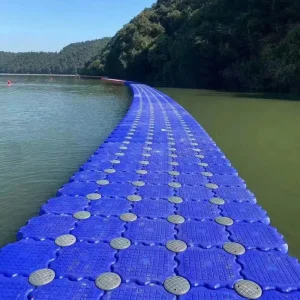
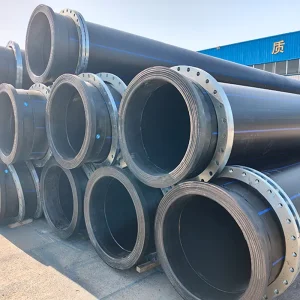
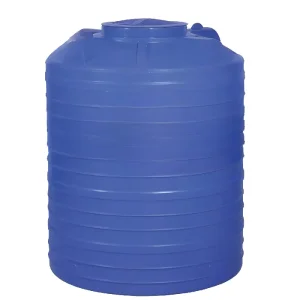
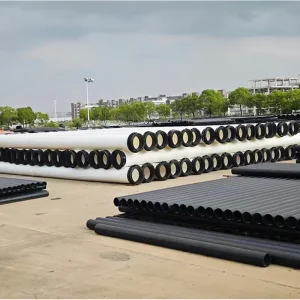
Browse our extended portfolio of modular pontoons, liquid containment structures, and heavy-duty slurry transport pipelines.

Dredge Float Specification & Application FAQ
Authoritative answers to common engineering, procurement, and field questions regarding dredge floats and marine pipeline buoyancy modules.
Pipeline dredge floats (also termed dredge pontoon collars or pipeline buoyancy modules) are rotationally molded polyethylene bodies manufactured in matching semicircular pairs. Bolted around steel, HDPE, or flexible rubber discharge pipelines, they offset the submerged deadweight of the conduit and the dense mixture of sediment, sand, gravel, or mine tailings inside. Their engineered purpose is to keep the slurry discharge pipeline floating on the water surface, preserve pipeline alignment, absorb dynamic wave bending moments, and clearly mark the dredging route for marine vessel navigation.
Buoyancy sizing relies on hydrodynamic load balancing. The engineer tallies the dry weight of the pipe, the weight of the fluid column at maximum anticipated slurry density (typically 1.3 to 1.85 t/m³ rather than 1.0 for fresh water), and all fittings (flanges, bolts, rubber joints). The cumulative buoyancy of the installed floats must exceed this total weight by a safety reserve margin of 20% to 30% (safety factor 1.2 to 1.3). This ensures that roughly 25% of the pipe diameter remains above the waterline, preventing wave subversion and accommodating surging operational slurry density spikes.
Rotomolded LLDPE floats offer three major advantages: 1) Total Corrosion Immunity: Unlike steel, polyethylene is chemically inert and does not rust, pit, or require periodic sandblasting and toxic anti-fouling coatings in marine salt environments. 2) Impact Energy Absorption: The ductile nature of virgin polymer shells allows them to flex and absorb workboat bumps and wave collisions without denting or puncturing. 3) Sinking Prevention: Filled with high-density polyurethane closed-cell foam, even if an outer PE skin is ruptured by an impact, the closed-cell foam prevents water ingress, preserving full buoyancy and preventing catastrophic pipeline sinking.
Our warranty starts on the date the buyer hands over the goods to the investor and extends 18 months from that handover date, or 12 months after the final installation/commissioning date, whichever comes first. In practice, because our hulls incorporate heavy UV16 ultraviolet stabilizers and virgin resins with exceptional Environmental Stress Crack Resistance (ESCR >1000 hrs), their operational field lifespan commonly exceeds 10 to 15 years under typical coastal and mining environments.
To provide precise float sizing and buoyancy calculations, our technical engineering team requires: 1) Pipe outer diameter (OD) and pipe wall thickness. 2) Pipe material type (HDPE, carbon steel, or flexible rubber hose). 3) Conveyed slurry medium density (kg/m³ or specific gravity). 4) Total pipeline length and desired float spacing (continuous vs. spaced pairs). 5) Waterbody characteristics (river, calm harbor, tailings dam, or open offshore swells). 6) Target destination port for freight and container stuffing optimization.
Yes. Beyond custom sizing to match any non-standard outer pipe diameter, we design and produce specialized floats equipped with built-in top and side cable troughs. These grooves allow subsea electric power cables, hydraulic control umbilicals, and fiber-optic communication conduits to be securely fastened alongside the discharge line, eliminating separate cable float lines. Custom colors (high-visibility safety orange, maritime yellow, marine green), corporate logo embossment, and reflective navigational top-marks are also fully supported.
Partner with China's Premier Flotation Engineering Manufacturer
Connect directly with our Shandong manufacturing headquarters. Obtain detailed hydrodynamic buoyancy sizing, CAD dimension models, factory-direct tier-1 pricing, and logistics plans tailored to your port of discharge.
Direct Telephone Line
Direct engineering consultation & rapid spec verification.
Call +86-158-6665-7686Manufacturing Base
West Industrial Park, Lizhuang Town, Huimin County, Binzhou, Shandong, China.
Schedule Factory Visit