Precision Flotation Units & Pipeline Hardware
Engineered polyethylene assemblies tested for cyclic hydraulic load, wave shear, and high abrasive-slurry payloads.



The Evolution of Marine Flotation Engineering
How technical advancements in rotational molding are redefining operational safety in coastal dredging, land reclamation, and mining wastewater management.
Polyethylene vs Traditional Steel
The global marine sector has decisively shifted away from corroding, heavy welded steel pontoons. Modern UV-stabilized Linear Low-Density Polyethylene (LLDPE) shells eliminate marine fouling adhesion, offer total zero-corrosion in hypersaline conditions, and will not cause catastrophic sinkages even when impacted by support tugboats.
Closed-Cell EPS Core Engineering
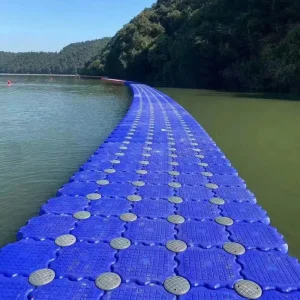
Structural reliability requires redundant flotation assurance. High-grade plastic floaters incorporate an internal filling of high-density closed-cell expanded polystyrene (EPS) foam. Even in extreme offshore collisions that puncture the outer shell, water absorption remains under 1%, guaranteeing that discharge conduits maintain design freeboard.
Rigorous Buoyancy Reserve Formulations
Calculating float counts for dredging infrastructure demands strict accounting of slurry densities (up to 1.6–1.8 t/m³ in heavy silt extraction). Professional suppliers configure systems providing at least 20% to 30% surplus reserve buoyancy over total wet pipeline displacement, sustaining one-fourth pipe exposure above the water line.
Engineering Precision from Binzhou, Shandong
How automated CNC rotomolding cycles, variable-frequency speed controls, and high-polymer chemistry achieve sub-millimeter shell consistency.
Automated Variable-Frequency Molding
By deploying multi-axis bi-axial rotational machines equipped with real-time electronic pyrometry, Juhua prevents micro-void formation and polymer wall thinning. Each float shell maintains exact radial tolerance, eliminating clamping slip when fastened along HDPE pipes.
Standardized Tooling Interchangeability
Batch-to-batch consistency is ensured through heavy CNC aluminum matrix tooling. Spares dispatched years later match existing pipeline installations seamlessly, allowing dredging contractors to replace localized damaged sections without re-drilling or line redesign.
Integrated Cluster Supply Advantage
Located in Shandong’s premier industrial zone, our infrastructure coordinates resin compounding, foam expansion, and galvanized fastener fabrication within a 30km radius. This guarantees shortened lead times and resilient bulk deliveries to international transshipment ports.
Information Gain: Technical Buoyancy & Freeboard Calibration Formula
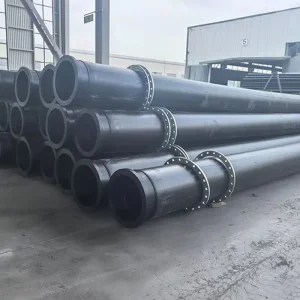
In municipal and port expansion tenders, undersized floats are a primary source of line failure. Floats must counteract the deadweight of pipe material, structural flanges, coupling accessories, and maximum slurry specific gravity. Our factory calculates buoyancy using the formula:
Total Net Buoyancy (F_buoyant) ≥ (M_pipe + M_fluid + M_hardware) × G × Safety Factor (1.25 to 1.30)
Maintaining a minimum 25% dry-height safety allowance protects lines against tidal swell surges, water ingress risks, and unexpected sediment settlement during pump shutdowns.
Worldwide Commercial & Industrial Applications
Tested across demanding salinity, wave action, and chemical exposure parameters across 5 operational environments.
Port & Harbor Dredging
Secures heavy discharge conduit layouts in major navigation channels, preventing seabed grounding while high-visibility international orange shells alert marine traffic to floating installations.
Land Reclamation & Sand Transport
Supports extensive multi-kilometer pipelines directing hydraulic cutter-suction output from deep open waters to coastlines, absorbing heavy shore-break flexing.
Mining Tailings & Slurry Transport
Configured specifically with custom bore tolerances and cable-trough configurations for mine tailings disposal across acidic or alkaline containment lagoons without degradation.
Frequently Asked Questions for Engineering Buyers
Clear specifications, warranty coverages, and sizing parameters direct from our production plant.
Specialized Floating Infrastructure & Buoy Systems
Complete product range supporting commercial dredging lines, marina platforms, and containment operations.