
Precision-Engineered Flotation Fleet (Units 01 – 08)
Explore our core offshore production lines including high-impact foam-filled mooring buoys, modular pipeline pontoons, and municipal water barrier units manufactured to international marine safety criteria.
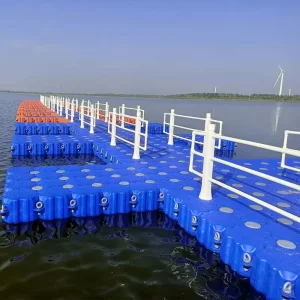
Custom Premium Floating Boat Pontoon for Safe and Stable Water Platforms
- Material: Virgin LLDPE Grade 150
- Core Fill: Hydrophobic Closed-Cell Foam
- Application: Marinas, Floating Work Docks

OEM Pipe Floats For Reservoir Intake And Temporary Bypass Lines
- Fitment: Customized Pipe OD Matching
- Hardware: SS316 / Hot-Dip Galvanized
- Environment: Reservoir, Bypass Slurry Lines
Custom Pipe Floats for Stable Pipeline Support & Reliable Systems
- Impact Strength: High Toughness Ribbed PE
- Buoyancy: Calibrated 25-30% Freeboard Reserve
- Deployment: Dredging Pipelines, River Crossings

Custom Innovative Floating Boat Pontoon for Versatile Water Platforms
- Load Capacity: Up to 350 kg/m² Static
- Interlocking: Integrated Lug & Pin Assembly
- UV Rating: UV-20 Stabilized Classification

ODM Foam-Filled Mooring Buoy for Marinas and Offshore Anchorages
- Tension Core: Heavy-Duty Central Steel Mandrel
- Foam Matrix: Non-Absorbing Polyurethane Foam
- Durability: Zero-Leak Rotomolded Body

ODM Mooring Buoy for Marina Berths, Vessel Anchorage & Mooring
- Mooring Type: Through-Chain / Pad-Eye Anchoring
- Finish: High-Gloss Marine Chromatic Resin
- Corrosion: 100% Non-Corrosive Outer Shell
Custom Pipe Floats – Reliable Buoyancy for Marine Pipeline Projects
- Wall Profile: Reinforced Structural Ribbing
- Fasteners: Anti-Loosening Marine Bolt Sets
- Service Life: Over 15 Years in Saline Water

Best Foam-Filled Mooring Buoy for Marinas, Anchorages & Facilities
- Buoyancy Rating: 500 kg to 8,000 kg Net Lift
- Core Technology: In-Situ Closed-Cell Polyurethane
- Compliance: IALA Guideline Recommendation
Global Commercial & Industrial Landscape of Marine Flotation Systems
The global maritime infrastructure and ocean engineering industries are experiencing an unprecedented evolutionary shift. Driven by deepwater port expansions, massive coastal reclamation initiatives, offshore wind energy installations, and critical subsea power line corridors, the demand for high-durability, corrosion-resistant flotation systems has expanded beyond historic limits. Traditionally dominated by heavy welded-steel buoys and short-lifecycle fiberglass-reinforced plastic (FRP) shells, offshore operations have frequently struggled with catastrophic failure modes: catastrophic skin oxidation, paint delamination in aggressive saline splash zones, high maintenance down-times, and erratic wave-induced inertia.
Modern engineering contracts now explicitly require Rotomolded Polyethylene (PE) Flotation Architecture. Polyethylene presents an inert molecular profile that refuses corrosion, resists bio-encrustation from marine fouling organisms, and survives high-energy kinetic vessel collisions through elastic deformation rather than permanent brittle cracking. From the complex coastal approaches of Southeast Asia to the harsh, sub-zero open seas of the North Atlantic and the ultra-saline thermal waters of the Arabian Gulf, industrial operators demand customized flotation products specifically engineered to handle dynamic tidal swings, sub-surface hydrostatic pressures, and aggressive sediment-laden slurry mixtures.
Corrosion Elimination
Steel marine buoys require expensive cathodic sacrificial anodes and regular multi-coat epoxy recoating every 24 to 36 months. Virgin PE shells are 100% rust-free, maintaining structural integrity across decades of continuous hyper-saline immersion without surface oxidation.
Kinetic Impact Compliance
During tug maneuvering or service vessel berthing, rigid hulls crack and breach. Rotational-molded polyethylene flexes on impact, dissipating massive dynamic kinetic energy and springing back to shape without skin perforation or water ingress.
Hydrophobic Closed-Cell Foam
Even in extreme events where the outer skin is pierced by a severe mechanical hazard, our in-situ high-density Polyurethane (PU) or expanded polystyrene (EPS) core prevents liquid migration, guaranteeing zero loss of positive net buoyancy.
Industry Technology Trends: Smart Buoys, Autonomous Telemetry & Material Longevity
The marine buoyancy sector is no longer just about static plastic drums floating on water. The modern industrial seascape demands smart, sensor-integrated, and acoustically responsive marine buoys. Today’s ocean engineering programs merge advanced fluid dynamics with autonomous loT telemetry stations. Global harbor pilots and dredging superintendents require real-time visibility into wave profiles, tidal surges, underwater turbidity, and structural pipeline alignment.
Key technological transformations driving our manufacturing protocols include:
1. Micro-Solar Harvesting & Marine LED Autonomous Signage
Modern navigation buoys and channel boundary markers now feature seamlessly recessed solar photovoltaic panels coupled with smart MPPT controllers and LiFePO4 battery modules. Our ODM floating balls and marker buoys incorporate hermetically sealed top-housings designed to support continuous 360-degree IALA chromatic lanterns, operating autonomously for up to 30 continuous cloudy days without maintenance.
2. Integration of Hydro-Acoustic & Environmental Telemetry
Marine buoys increasingly serve as oceanic sensor bases. Customized central well structures accommodate Acoustic Doppler Current Profilers (ADCP), salinity sensors, water temperature probes, and LoRaWAN/Satellite transmission antennas. Our structural engineering team designs ballast-stabilized hull geometries that minimize pitch and roll, providing a stable instrument platform for sensitive marine data acquisition.
3. UV-20+ Grade High-Molecular Polymer Stabilization
Ultraviolet radiation in tropical oceanic latitudes causes photo-oxidative degradation in subpar plastic components, leading to chalking, micro-cracking, and mechanical embrittlement. By compounding medical and maritime-grade LLDPE with UV-20 chemical absorbers and carbon-hindered amine light stabilizers (HALS), our factory guarantees over 20,000 hours of accelerated weathering resistance without tensile decline.
4. Eco-Safe Bio-Fouling Resistant Hydrophobic Surfaces
Conventional marine anti-fouling paints release toxic biocides such as copper and tributyltin into delicate marine ecosystems. Our high-gloss rotomolded outer shells feature an ultra-smooth non-polar surface energy profile. Marine algae, barnacles, and mollusks cannot establish deep anchorages, allowing maintenance crews to clean bio-deposits swiftly using standard low-pressure water sprays.
Global Enterprise Procurement Intent: Minimizing TCO & Risk in Marine EPC Projects
Procurement directors and maritime engineering project managers evaluate flotation suppliers not merely by unit purchase price, but through the rigorous lens of Total Cost of Ownership (TCO), project continuity risk, and hydrodynamic reliability. A single failed pipeline float during an offshore dredging campaign can result in catastrophic pipe kinking, expensive slurry leakage, environmental fines, and vessel demurrage costs exceeding tens of thousands of dollars per hour.
| Evaluation Parameter | Legacy Steel / Fabricated Buoys | Generic Uncertified Plastic Floats | Juhua Factory 4.0 Rotomolded Systems |
|---|---|---|---|
| Corrosion & Rust Resistance | Poor; High rust, requires sandblasting and painting | Good chemical resistance, but fragile seam welds | 100% Inert Virgin LLDPE; Zero corrosion across lifespan |
| Reserve Buoyancy Reliability | Hollow chambers leak when weld joints fatigue | Inconsistent wall thickness; risk of sinking under wave load | Engineered 25% - 35% reserve margin; Hydrophobic closed-cell core |
| Kinetic Collision Resilience | Permanent denting, skin tearing, hull breach | Brittle cracking upon workboat impact | High-elastic memory; absorbs impacts and recovers geometry |
| Weight & Handling Cost | Heavy; Requires heavy crane ships for servicing | Lightweight, but lacks structural lifting points | Optimized weight-to-lift ratio; Integrated certified lifting eyes |
| Total Cost of Ownership (10 Yrs) | Extremely High (Frequent dry-docking & repairs) | Moderate to High (Premature replacement cycles) | Lowest TCO; Zero scheduled surface maintenance required |
Naval Architecture Buoyancy Rule of Thumb: Precision Sizing Calculations
The single most widespread procurement mistake in dredging pipeline planning is calculating buoyancy requirements based on an empty pipe resting in calm fresh water. In operational reality, dredging lines carry dense mineral slurry (frequently ranging from 1.3 to 1.8 t/m³) and must operate against adverse ocean wave swells and turbulent boundary currents.
The Juhua Engineering Standard Formula:
Total Dynamic Float Buoyancy (Fb) ≥ [Wpipe + Wslurry (max) + Wfasteners + Wcable] × Sf (Safety Factor 1.25 – 1.35)
This dynamic safety factor guarantees that approximately 25% to 30% of the pipe float’s volumetric displacement remains continuously above the active waterline (freeboard), maintaining visual line demarcation for passing marine traffic and preventing hydrodynamic pipe drag across shallow seabed reefs.
China Factory 4.0: Supply Chain Resilience, Precision Tooling & Rotomolding Scale
Operating from our modern manufacturing base in Lizhuang Town, Huimin County, Binzhou City, Shandong Province, Shandong Binzhou Juhua Rubber & Plastic Co., Ltd. (Juhua / Giant Rubber) represents the pinnacle of Chinese Industry 4.0 maritime polymer engineering. Over our 20+ years of dedicated specialized manufacturing, we have dismantled the outdated stereotypes of generic factory operations by instituting closed-loop digital quality controls, automated material dosing, and heavy-tonnage rotational molding capacity.
Digital Heat Cycle Profiling
Our rotomolding stations incorporate variable-frequency speed controls and electronic automated multi-zone thermocouple measurement. This ensures perfectly uniform oven temperature gradients, completely eliminating thin wall defects, structural weak seams, and internal plastic stress concentrations.
Standardized Modular Tooling
We maintain an inventory of over 300 precision-machined CNC aluminum and sheet-steel molds. This vast internal library gives contractors true dimensional interchangeability — replacement buoy halves or pipe collar segments delivered years later match previously deployed infrastructure perfectly.
Direct Deepwater Port Logistics
Located in Shandong’s coastal industrial belt, our logistics channels have direct access to Qingdao and Tianjin shipping hubs. We maximize sea container cubing through nested float nesting methods, minimizing ocean freight costs per cubic meter of buoyancy delivered globally.
Engineered for Demanding Real-World Marine Environments
From river desilting channels to extreme offshore single-point mooring anchorages, see how our customized buoyancy components solve tough hydrodynamic challenges.
Harbor Berth Dredging & Silt Extraction
Deployment: Continuous discharge steel & HDPE pipelines connected to cutter suction dredgers (CSD).
Engineering Solution: Heavy-duty, high-visibility orange PE pipe floats matched to exact pipe outer diameters, preventing pipeline sag, maintaining line flexibility, and keeping working lines visible to commercial shipping traffic.
Marina Berths & Single-Point Vessel Moorings
Deployment: Coastal commercial anchorages and private yacht club moorings subject to heavy tidal swings.
Engineering Solution: High-density polyurethane foam-filled mooring buoys built around galvanized central steel tension rods. Eliminates risk of hull damage during mooring impact while supporting heavy bottom-anchor chains.
Hydroelectric Dam Debris & Safety Booms
Deployment: Water intake reservoirs, hydroelectric dams, and river flood control gates.
Engineering Solution: Modular connected floating barriers and interlinked float balls that intercept floating logs, municipal trash, and hyacinth weeds, preventing turbine intake blockages and ensuring smooth water flow.
Mining Tailings & Industrial Fluid Transfer
Deployment: Heavy slurry ponds, mineral extraction discharge lines, and chemical holding basins.
Engineering Solution: Specialized chemically inert pipe floats fitted with integrated top cable troughs. Carries high-voltage dredge power lines and sensor cables securely above aggressive chemical fluid surfaces.
Offshore Aquaculture & Platform Floats
Deployment: Deep-sea fish farming enclosures and floating modular research pontoons.
Engineering Solution: UV-stabilized modular pontoons and pontoon cubes providing stable deck platforms with non-slip surfaces, resistant to heavy wave rocking and biological barnacle accumulation.
Material Science & Structural Engineering Standards
All Juhua flotation products adhere strictly to international marine polymer testing standards, ensuring predictable, safe performance in the field.
| Physical / Chemical Property | Test Standard / Method | Certified Value / Performance | Engineering Benefit |
|---|---|---|---|
| Raw Polymer Density | ASTM D1505 / ISO 1183 | 0.935 – 0.942 g/cm³ (LLDPE) | Optimal balance of high impact flexibility and structural hoop stiffness |
| Environmental Stress Crack Resistance (ESCR) | ASTM D1693 (Condition B, 10% Igepal) | > 1,000 Hours Failure-Free | Immune to stress embrittlement when clamped under tension on vibrating pipes |
| Tensile Strength at Yield | ASTM D638 / ISO 527 | ≥ 19.5 MPa | Withstands extreme internal hydraulic surge shocks and external mooring drag |
| Core Foam Density | ASTM D1622 | 35 – 45 kg/m³ (Polyurethane / EPS) | Maximum buoyancy yield with zero water absorption under hydrostatic heads |
| UV Degradation Resistance | ASTM G155 Xenon Arc Exposure | Retains > 85% tensile properties after 15,000 hrs | Maintains bright chromatic signaling and skin toughness in equatorial zones |
| Hardware Fasteners | ISO 3506-1 / Marine Standard | Grade 304 / 316 Stainless or Hot-Dip Galv (Class A) | Zero galvanic corrosion when paired with marine steel cables or dredge pipes |
Advanced Industrial Marine Solutions (Units 09 – 16)
Explore our heavy-duty cable-trough pipe floats, autonomous LED navigation spheres, deepwater support tie-in modules, and specialized flexible fluid pipelines.
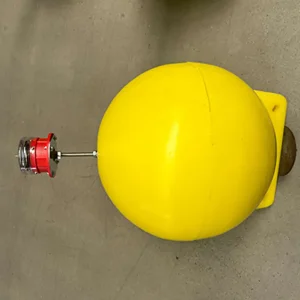
ODM Floating Ball with LED Light – Marine Navigation & Safety
- Illumination: Autonomous Solar LED Beacon
- Visibility: Up to 2+ Nautical Miles
- Usage: Channel Markings, Aquaculture Boundaries

Custom Pipe Floats for Water Transfer Stability & Industry
- Body Style: Split-Ring Clamshell System
- Resistance: Acid, Alkali, Heavy Salts
- Pipe Compatibility: HDPE, Steel, Flexible Rubber
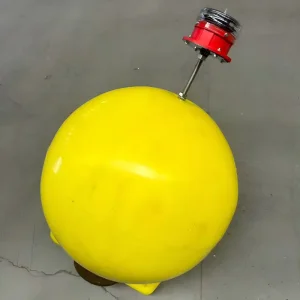
ODM High-Visibility Floating LED Ball for Marine & Fresh Water
- Design: Hydrodynamic Spherical Stability
- Colorways: IALA Yellow, Red, Green, White
- Anchorage: Reinforced Base Shackle Point

OEM Innovative Pipeline Float System for Reliable Deepwater Support
- Crush Resistance: Reinforced Compression Body
- Internal Clamping: Anti-Slip Friction Liners
- Target Use: Subsea Tie-Ins, Offshore Dredge Lines

ODM Pipe Floats With Cable Troughs – Cable Protection & Lift
- Channel Design: Molded-In Power Cable Conduit
- Protection: Prevents Cable Pinching & Submergence
- Application: Electric Dredgers, Telemetry Outlets
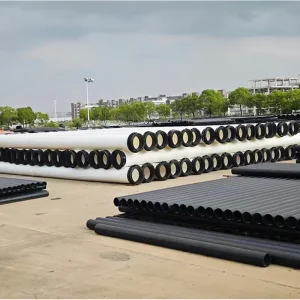
ODM Heavy-Duty Pipeline for Versatile Water & Fluid Transport
- Type: Abrasion-Resistant Dredging Pipe
- Coupling: Integral Flanged Ends with Backing Rings
- Flexibility: Withstands Continuous Wave Swells
High-Quality Water Boat Pontoon Floating – Stable Modular Platform
- Deck Pattern: Anti-Skid Hex-Grid Texture
- Buoyancy: Over 350 kg/m² Verified Load
- Assembly: Quick Fast-Pin Interlocking Design
OEM Advanced Modular Pipe Floats with Integrated Cable Channels
- Configuration: Dual-Sided Recessed Cable Routing
- Material: Tough High-Impact Virgin LLDPE
- Fastening: High-Tensile Anti-Vibration Bolting
Frequently Asked Questions for EPCs, Dredgers & Port Authorities
Expert engineering answers to critical inquiries regarding buoyancy calculations, material longevity, custom molding timelines, and project warranties.
What are pipeline floats, and what is their primary hydrodynamic function?
Pipeline floats (often referred to as dredge floats, pipe pontoons, or buoyancy collars) are two-piece clamp-on hollow or foam-filled polyethylene shells designed to wrap securely around discharge pipes, slurry hoses, or subsea cables. Their engineering function is twofold: first, to deliver sufficient positive net hydrostatic lift to suspend the pipeline safely at the water's surface; and second, to maintain visual alignment and reduce destructive bending strain (hogging and sagging moments) during wind, wave, and tidal action.
How does an engineer calculate the precise number and spacing of pipe floats needed?
Proper sizing requires calculating the total operating weight of the pipeline assembly. This encompasses the dry mass of the pipeline, the mass of all couplings and bolts, and the weight of the conveyed medium at its highest design slurry density (often between 1.3 and 1.8 t/m³). Total float buoyancy should provide a safety margin of at least 25% to 30% above this total operational load. This reserve ensures approximately 1/4 to 1/3 of the float diameter stays above the waterline, providing visual surface demarcation and preventing submergence under wave action.
Why is rotomolded polyethylene (PE) superior to welded steel for marine mooring buoys?
Polyethylene is completely chemically inert and will never rust or corrode in salt water, eliminating the need for periodic dry-docking, sandblasting, and epoxy re-coating required by steel buoys. Additionally, PE has high elastic memory; upon vessel impact, it deforms to absorb kinetic energy and returns to its original shape without cracking, whereas steel buoys suffer permanent dents, weld fractures, and skin breaches.
What is the standard commercial and industrial warranty period?
Our standard contractual warranty commences on the formal handover date to the end-user or project investor and extends for 18 months from that handover date, or 12 months after the on-site commissioning and installation date, whichever milestone is reached first. This covers material integrity, rotational molding defects, and delamination under standard operating conditions.
What engineering information is required to receive an exact quotation and drawing?
To produce an exact calculation and technical specification sheet, please provide: 1) Pipe outside diameter (OD), 2) Pipe wall thickness and material, 3) Conveyed medium description and specific gravity (slurry density), 4) Length of floating pipeline, 5) Deployment environment (river, sheltered harbor, or open sea wave conditions), 6) Required reserve freeboard, and 7) Target delivery port. Our engineers will reply with a detailed buoyancy analysis within 24 hours.
Can you provide custom rotomolded tooling for proprietary OEM flotation geometries?
Yes. In addition to our inventory of over 300 standard pipe float and buoy molds, our Binzhou facility operates an in-house CNC mold fabrication workshop. We routinely design, cast, and machine custom rotational molds for proprietary subsea umbilical markers, floating pontoon docks, trash barrier floats, and specialized monitoring buoys according to customer-supplied 3D CAD files.
Connect Directly with Juhua Marine Flotation Engineers
Skip intermediate agents and commission delays. Submit your pipeline outer diameter, slurry density, or mooring project parameters directly to our factory design office in Binzhou, Shandong. You will receive certified buoyancy calculations, 2D/3D project drawings, and an itemized export quotation within 24 hours.