
Engineered Floating Barrier & Offshore Buoyancy Solutions
Explore our heavy-duty polyethylene barrier pontoon lines, ABS marine float units, and offshore mooring buoys engineered with ultra-tough rotomolded skins and closed-cell EPS/PU cores.
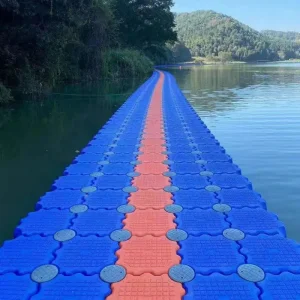
High-Quality Water Boat Pontoon Floating – Stable and Modular Floating Platforms
Request Technical Spec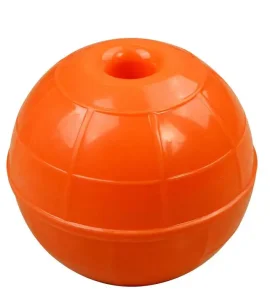
OEM ABS Float Ball – Durable Buoyancy Support for Water Projects Manufacturers
Request Technical Spec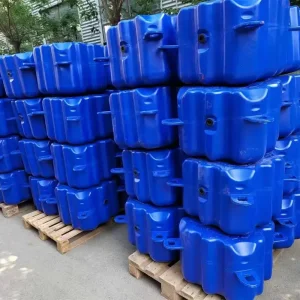
ODM Durable Floating Boat Pontoon for Versatile Water Projects Pricelist
Request Technical Spec
High-Quality Pipe Floats for Water Transfer, Mining and Marine Pipeline Systems
Request Technical Spec
ODM Mooring Buoy for Reliable Vessel Anchoring and Floating Infrastructure
Request Technical Spec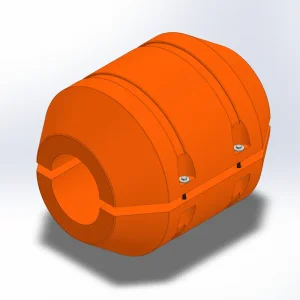
Custom Pipeline Float For Subsea Tie-In And Controlled Positioning Products
Request Technical Spec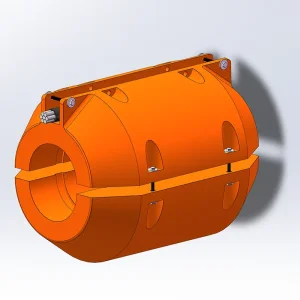
Custom Reliable Pipeline Floats for Marine and Engineering Projects
Request Technical Spec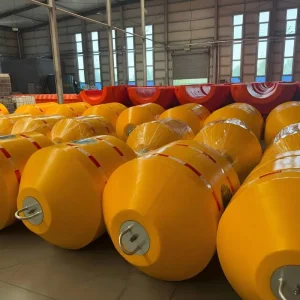
High-Quality Mooring Buoy for Commercial Berths, Marinas and Offshore Areas
Request Technical SpecEngineering Superiority: Marine Floating Barrier Architecture & Manufacturing
A comprehensive examination of rotational molding kinetics, molecular integrity, hydrostatic buoyancy dynamics, and the operational advantages of Chinese manufacturing scale.
Advanced Rotational Molding Science & Structural Resilience
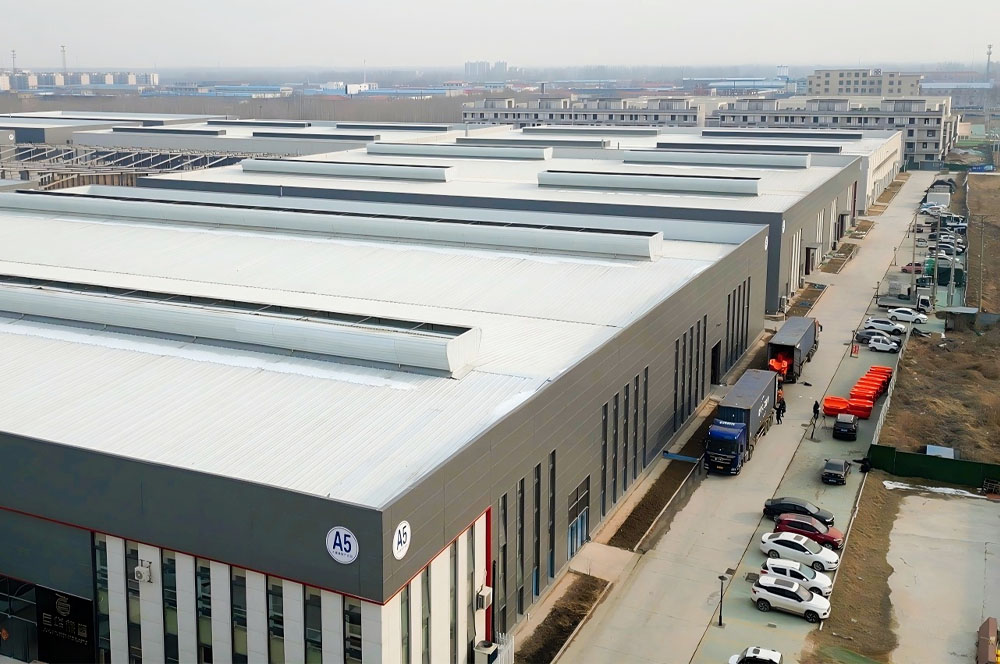
Marine floating barriers—including hydrodynamic debris booms, demarcation barriers, silt curtains, and security exclusion booms—function in an unforgiving nexus of continuous wave cycle loading, high-salinity corrosion, ultraviolet degradation, and severe kinetic impact. At Shandong Binzhou Juhua Rubber & Plastic Co., Ltd. (Giant Rubber), production shifts from traditional reactive assembly to automated thermodynamic molding engineering.
By leveraging virgin linear low-density polyethylene (LLDPE) blended with specialized UV-stabilizer packages (Class 8 UV inhibitors), our factory achieves seamless, monolithic shell structures. In stark contrast to conventional steel barriers, rotomolded PE shells exhibit total zero-corrosion longevity, resisting prolonged immersion in marine and chemically aggressive industrial wastewater (pH 2 through pH 12).
Our internal high-density closed-cell polyurethane (PU) or expanded polystyrene (EPS) foam core (minimum density 32–40 kg/m³) provides failsafe buoyancy reserves. Even under catastrophic outer hull puncture resulting from high-speed vessel impact or jagged debris collision, water ingress remains localized to the immediate void, maintaining 100% of functional barrier flotation and preventing catenary collapse.
Monolithic Shell Uniformity
Precision bi-axial computerized arm rotation eliminates structural seam weld weaknesses, guaranteeing wall thickness distribution variance under ±3% across 100% of internal curved surfaces.
Zero-Void Foam Encapsulation
Computer-controlled hydraulic high-pressure polyurethane injection prevents internal subterranean sink holes, maintaining structural rigidity under hydrostatic dynamic loads.
Corrosion-Free Tensile Core
Internal hot-dip galvanized or Marine Grade AISI 316 stainless steel load-transfer structural spines transmit tensile current loads along mooring catenaries without stressing the PE shell.
Binzhou Factory Scale & Strategic Global Supply Chain Advantage
Why Tier-1 marine contractors, civil port authorities, and mega-dredging consortiums bypass intermediaries to procure directly from our Shandong production base.
Vertically Integrated Polymer Compounding
By blending custom polymers and pigments in-house in Shandong, we guarantee batch-to-batch pigmentation conformity, ASTM D1693 Environmental Stress Crack Resistance (ESCR > 1000h), and precise tensile flexural elasticity.
Direct Factory Margin Optimization
Eliminate 30–45% markups incurred from trading houses and European/American re-branders. Receive direct ex-factory pricing with full raw material mill test certificates (MTC) and factory acceptance tests (FAT).
Bespoke In-House Mold Tooling
Our rapid tooling workshop builds custom CNC aluminum and fabricated steel molds for unique hydrodynamic profiles, submarine umbilical float clamps, and specialized harbor barrier brackets in under 20 business days.
Micro to Macro Application Architectures
From intake penstocks of megawatt hydroelectric installations to open-ocean port exclusion zones, discover how customized floating barrier assemblies perform across diverse hydrodynamic profiles.
Hydroelectric Dam Water Intakes & Trash Racks
Deflect floating timber, municipal solid waste, and macro-debris away from high-velocity penstocks and turbine spillways. Reduces unplanned shutdown incidents by over 92% while minimizing dredge crane intervention.
Naval & Port Perimeter Security Exclusions
Integrated barrier bodies equipped with submerged anti-intrusion steel nets, high-visibility reflective navigational bands, radar reflectors, and continuous solar LED beacons to delineate sovereign maritime safety boundaries.
Dredging Silt Curtains & Turbidity Control
Heavy-duty floating booms supporting weighted geotextile skirts to contain suspended sediment during cutter suction dredging (CSD) operations, protecting contiguous coral reefs and aquaculture concessions.
Mining Tailings Decant & Chemical Ponds
Acid-proof and hydrocarbon-resistant float bodies supporting surface pump decant systems and toxic runoff barriers in hyper-saline, cyanide-leach, or heavy-metal processing ponds.
Nuclear & Thermal Power Station Cooling Intakes
High-freeboard barrier designs preventing marine jellyfish incursions, kelp choke, and oil sheen contaminants from penetrating sub-surface auxiliary cooling water suction conduits.
Municipal River Waste Interceptor Networks
Curved hydrodynamic pontoon barriers positioned obliquely to river flow velocities, channeling drifting plastic bags, microplastics, and bottles into automated recovery conveyors before ocean discharge.
Standard Hydrodynamic Marine Floating Barrier Specifications
Comprehensive baseline technical parameters for procurement officers, marine structural engineers, and EPC planners.
| Model Series | Outer Diameter / Dimensions | Nominal Freeboard | Net Buoyancy Capacity | Shell Wall Thickness | Tensile Core Rating (MBL) | Recommended Velocity Limit |
|---|---|---|---|---|---|---|
| JHB-400-HD | Φ400 mm × 1000 mm | 220 mm | 115 kg / unit | 6.0 – 8.0 mm | 85 kN (18,000 lbf) | Up to 1.8 m/s (3.5 knots) |
| JHB-600-EX | Φ600 mm × 1200 mm | 340 mm | 280 kg / unit | 8.0 – 10.0 mm | 160 kN (35,900 lbf) | Up to 2.5 m/s (4.8 knots) |
| JHB-800-OC | Φ800 mm × 1500 mm | 460 mm | 620 kg / unit | 9.5 – 12.0 mm | 280 kN (62,900 lbf) | Up to 3.2 m/s (6.2 knots) |
| JHB-1100-MAX | Φ1100 mm × 2000 mm | 640 mm | 1,550 kg / unit | 12.0 – 16.0 mm | 450 kN (101,000 lbf) | Up to 4.5 m/s (8.7 knots) |
| JHB-SQ-MOD | 1000 × 800 × 600 mm | 350 mm | 420 kg / unit | 8.5 – 11.0 mm | 210 kN (47,200 lbf) | Up to 2.2 m/s (4.2 knots) |
Global Procurement & Hydrodynamic Sizing Protocol
A standard rookie miscalculation in EPC barrier deployment is sizing exclusively for calm water static weight. A functional marine barrier operates as a continuous tension chain subjected to drag force formulas:
Our engineering support unit conducts site-specific fluid force analysis taking into account flood surge profiles, tidal elevations, bottom anchor scope ratios, and debris accumulation forces, guaranteeing that anchor catenaries, shackle pins, and rotomolded barrier eyes maintain a safety factor ≥ 3.0:1 under peak 100-year storm models.
Emerging Macro Trends in Marine Barrier Technologies
Navigating environmental ESG mandates, autonomous marine asset telemetry, circular polymer recycling, and high-tenacity tension systems.
Smart IoT Telemetry Integration
Next-generation floating barriers feature integrated solar micro-panels powering load cells that monitor real-time mooring chain tension, water temperature, wave accelerometry, and GPS drift geofencing to alert maintenance bases before line rupture occurs.
Circular Closed-Loop Recyclability
Global environmental mandates strictly penalize unrecoverable microplastic sheds. Our high-grade polyethylenes are 100% recyclable at decommission lifecycle points, eliminating heavy metals, toxic curing compounds, and PFAS plasticizers.
UHMWPE & Synthetic Mooring Transformation
Replacing standard cumbersome steel chains with Ultra-High-Molecular-Weight Polyethylene (UHMWPE) tension cords eliminates underwater rust, decreases deadweight line sag by 85%, and simplifies installation in deep reservoir terrains.
Frequently Asked Questions on Floating Barrier Engineering
Direct technical explanations addressing dredging contractor queries, design calculations, mooring configurations, and procurement guarantees.
How do rotomolded floating barriers compare to traditional steel or timber boom systems?
Rotomolded polyethylene floating barriers offer unmatched zero-corrosion resistance in saline ocean and corrosive tailings water. Steel systems deteriorate rapidly due to rust, require sacrificial anodes, and risk sudden sinkage when punctured. Polyethylene barriers are 70% lighter, significantly easier to deploy without heavy marine cranes, absorb heavy kinetic impacts through elastic deformation, and utilize closed-cell polyurethane cores that preserve buoyancy indefinitely.
What is the standard formula for calculating required buoyancy reserve for marine barriers?
A safe engineering benchmark dictates that total barrier line buoyancy must equal at least 200% to 250% of the dry weight of all suspended barrier hardware (including ballast chains, shackles, steel connection plates, and submerged debris curtains). Furthermore, in river intake zones with anticipated solid timber or trash accumulation, engineers include an additional 30–50% reserve margin to counteract downward suction vortexes created by current blockage.
How do you compensate for tidal fluctuations and seasonal river flood stages?
We supply specialized shore anchor slide rails, tension winch compensators, and submerged counterweight catenary buoy systems. For installations with vertical tidal ranges of 3 to 8 meters, barrier strings terminate at vertical H-beam shore guide tracks, allowing free vertical flotation travel while keeping lateral positioning completely locked.
What is the standard warranty and documented field lifespan of Juhua PE barrier products?
Our standard contractual warranty extends for 18 months from customer handover or 12 months from final commissioning, whichever expires first. In real-world operational environments, our UV-stabilized virgin polymer formulations maintain structural integrity and coloration in tropical maritime environments for 15+ years under typical continuous ultraviolet exposure.
Can you provide custom color-coding, company branding, and navigational topmarks?
Yes. We blend masterbatch pigments directly during raw powder compounding. Standard navigational marine colors follow IALA maritime guidance (Yellow, Signal Red, Green, and International Safety Orange). Top accessories—such as self-contained solar navigation warning lanterns, radar reflectors, stainless security spikes, and corporate mold-in graphics—can be engineered to client project drawings.
What documentation and certifications are provided for EPC marine tenders?
Every commercial order is accompanied by comprehensive engineering documentation: Factory Acceptance Test (FAT) records, Material Test Certificates (MTC) verifying virgin PE density, tensile yield, and elongation, third-party SGS/BV inspection certificates (upon request), hydrodynamic buoyancy calculation sheets, and detailed installation CAD shop drawings.
Specialized Pipeline Floats, Navigation & Mooring Infrastructure
Heavy-load mooring buoys, cable-trough buoyancy bodies, and dredging slurry line floats manufactured to exacting ISO standards.

ODM Mooring Buoy For River Terminals And Workboat Berths
Request Technical Spec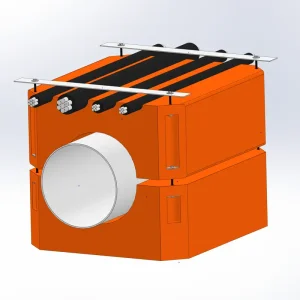
Custom Customizable Floating Pipe Supports with Cable Troughs
Request Technical Spec
ODM Foam-Filled Mooring Buoy for Marinas and Offshore Anchorages
Request Technical Spec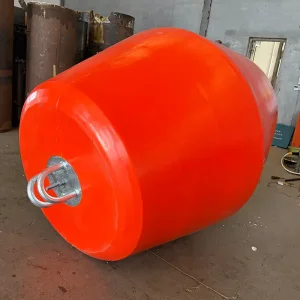
Best Offshore Mooring Buoy for Secure Vessel Anchoring Systems
Request Technical Spec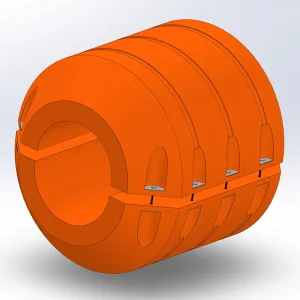
ODM High-Buoyancy Floats for Marine Projects Suppliers, Pricelist
Request Technical Spec
High-Quality Versatile Floating Boat Pontoon for Water Projects
Request Technical Spec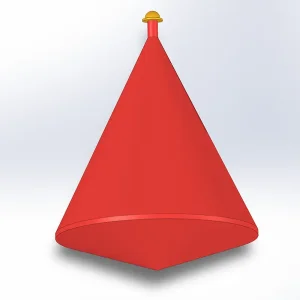
Best Precision Marine Buoys for Safe and Efficient Navigation
Request Technical Spec
OEM Pipe Floats For Reservoir Intake And Temporary Bypass Lines
Request Technical SpecCollaborate Directly with Juhua Marine Engineers
Eliminate communication delays. Connect immediately with our factory's senior flotation engineers to evaluate hydrodynamics, pipe outer diameter tolerances, slurry densities, and mooring tension anchor calculations for your specific marine concession.
Required Specifications for Rapid Quotation
Submitting comprehensive parameters allows our engineering cell to prepare hydrodynamic float selection, catenary line stress checks, and container packing plans within 24 hours.
- Water Body Profile: Open Offshore, Estuary, Protected Port, or Tailings Basin
- Environmental Dynamics: Max Current Velocity (m/s), Wave Height, Tidal Stroke
- Pipe Dimension & Slurry S.G. (if pipeline flotation is integrated)
- Total Linear Meterage & Projected Port of Disembarkation (CIF/FOB)