Precision Flotation Systems & Marine Anchor Infrastructure
Explore heavy-duty rotationally molded mooring buoys, dredge pipe floats, and marine fluid transport lines manufactured to stringent offshore load-bearing thresholds.

ODM Mooring Buoy for Reliable Vessel Anchoring and Floating Marine Infrastructure
View Product Specs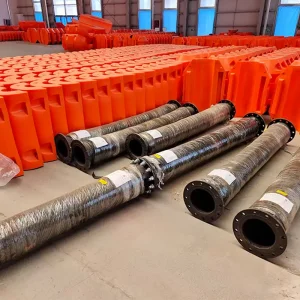


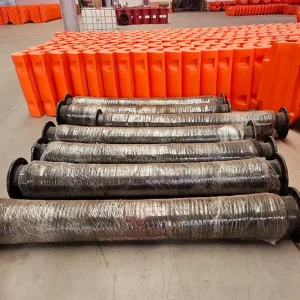
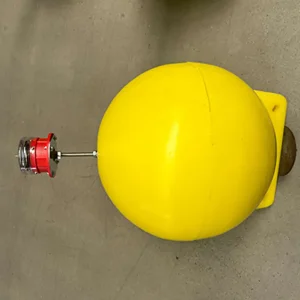
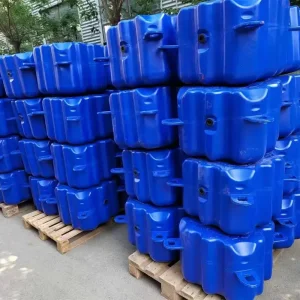

Engineering Taxonomy: Custom Mooring Buoy Types & Load Dynamics
Mooring systems operate in high-energy littoral and offshore zones where tensile loads, cyclic fatigue, and biological fouling converge. Sizing requires precise buoyancy-to-displacement ratios.
Through-Chain Mooring Buoys
Engineered for deep-water commercial berths and mega-yachts. The mooring chain passes vertically through an integrated central steel hawse pipe, directly transmitting anchoring tensile tension to the seabed sinker without mechanical stress on the polymer shell.
- Central core tube: Heavy-duty galvanized ASTM A36 steel
- Energy Absorption: Resilient cross-linked closed-cell PE foam core
- Zero structural hull fatigue under extreme storm surges
Modular Subsurface Tie-In Buoys
Specifically calibrated for subsea riser support, umbilical positioning, and dredging line suspension. These buoyant units maintain calibrated mid-water tension to prevent marine hoses from dragging along rocky seabeds.
- Hydrostatic crush resistance up to 300+ meters depth
- High-density virgin polyethylene (HDPE) non-porous skin
- Segmented clamp geometries engineered for fast offshore rigging
Pendant & Single-Anchor Leg (CALM) Buoys
Designed for open-ocean tanker offloading and temporary heavy workboat mooring. Incorporates forged padeyes, self-lubricating swivel assemblies, and perimeter elastomeric fendering to absorb collision dynamics.
- Dynamic mooring loads handled up to 120 tonnes SWL
- Anti-sparking, UV-stabilized exterior meeting IMO guidelines
- Integrable radar reflectors and self-charging LED beacons
| Mooring Buoy Classification | Structural Load Bearing Core | Shell Polyethylene Thickness | Reserve Buoyancy Margin | Primary Industrial Use-Case |
|---|---|---|---|---|
| Heavy Berth Through-Chain Buoy | Continuous Internal Steel Spine | 12mm – 18mm Rotomolded PE | ≥ 35% Reserve at Peak Tides | Harbor Port Authority & Commercial Cargo Berths |
| Subsea Pipeline / Cable Support | High-Density Rigid Polymer Shell | 10mm – 16mm Cross-Linked PE | ≥ 25% Hydrostatic Net Lift | Offshore Oil & Gas Slurry / Tailings Discharge |
| Commercial Pendant Marker Buoy | Cast High-Tensile Swivel Rig | 8mm – 14mm UV8/UV20 PE | ≥ 40% Reserve Displacement | Marine Construction, Tug Anchor Marking & Navigation |
China Supply Chain Power: Advanced Rotational Molding & QA Control
Operating from Binzhou, Shandong, our vertically integrated plant utilizes variable-frequency temperature-controlled casting chambers to ensure dimensional uniformity across every production batch.
Automated Rotational Molding
Unlike fabricated steel vessels prone to weld rust, our buoys are single-piece seamlessly molded. Electronic monitoring guarantees zero thermal stress fractures and uniform thickness from crown to base.
High-Density Hydrophobic Core
Filled with rigid expanded polyurethane (PU) or closed-cell EPS foam. Even in cases of accidental marine collision that breach the outer PE skin, the buoy maintains 100% buoyancy without water ingress.
Cost Efficiency & Scalability
Direct supply from our Shandong production base reduces intermediate trading markups by up to 35%, offering multinational EPC contractors bulk manufacturing capacity delivered precisely to global port schedules.
International Regulatory Compliance & Regional Localization
Harbor authorities and naval architects demand adherence to stringent maritime safety standards. Our products satisfy rigorous environmental and mechanical standards worldwide.
IALA Guideline Conformance
All navigation marker and mooring buoy colorations, retro-reflective markings, and topmarks adhere to the International Association of Marine Aids to Navigation and Lighthouse Authorities (IALA) A & B maritime zones.
- High-visibility daylight pigments embedded directly in polymers
- UV20-grade stabilization preventing color fading under tropical sun
Mechanical Fatigue & Tensile Testing
Through-chain assemblies and mooring eyes are subjected to non-destructive testing (NDT), ultrasonic testing, and hydrostatic stress evaluations to ensure safe operational limits under cyclic wave dynamics.
- Full traceability from mill test certificates (MTC)
- Hot-dip galvanization meeting ISO 1461 specifications
Environmental & Ecological Neutrality
Polyethylene is inert and 100% recyclable, releasing zero toxic microplastics or chemical leaches into marine reserves, satisfying EU REACH and EPA clean-water protocols for sensitive marine parks.
- Eliminates abrasive bottom scour when paired with elastic rodes
- Zero heavy-metal biocides required for maintenance
Emerging Macro Trends in Offshore Flotation Engineering
The transition toward offshore renewable energy, deep-sea aquaculture, and smart port logistics is transforming modern mooring buoy design specifications.
IoT-Enabled Smart Mooring Hubs
Next-generation mooring buoys are evolving into self-sustaining data hubs equipped with load sensors, strain gauges, and solar-powered telemetry units broadcasting real-time tension data via LoRaWAN/Satellite to onshore port control.
Floating Offshore Wind & Solar Tie-Ins
As offshore wind farms expand into deeper waters, catenary anchoring systems utilize custom polymer mooring buoys to dampen dynamic wave fatigue on expensive submarine inter-array transmission cables.
Transition from Corrosive Steel to PE
Global port authorities are systematically replacing heavy steel buoys with rotomolded polyethylene equivalents. PE buoys offer an average 60% weight reduction, dramatically simplifying crane barge requirements while eliminating sandblasting and repainting cycles.
Mission-Critical Applications: Proven Littoral & Deepwater Deployment
From extreme wave conditions in the North Sea to saline tropical ports in Southeast Asia, our buoyancy and mooring products provide steady station-keeping for diverse operations.
Port & Marina Berth Anchorage
Providing high-visibility, shock-absorbing mooring points for tug fleets, pilot vessels, and recreational yachts. Resistant to side impacts and hull abrasions during complex close-quarter docking operations.
Dredging & Marine Tailings Transport
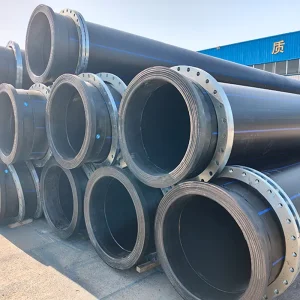
Integrated with floating pipelines and rubber dredge hoses to prevent submerged slurry lines from collapsing under weight, maintaining continuous flow during extensive land reclamation operations.
Open Ocean Fish Farms & Aquaculture
Supporting heavy net pens and predator-exclusion grid cables. The low-fouling surface limits barnacle accumulation, ensuring steady net volume retention during extreme tidal currents.
Deep-Dive Answers for Marine Engineers & Sourcing Teams
Direct technical answers addressing the structural, financial, and logistical considerations involved in procuring mooring and flotation equipment.
What is the standard working lifespan of a rotomolded PE mooring buoy?
Our rotomolded polyethylene buoys are manufactured using UV-stabilized (UV8 to UV20) virgin resins that guarantee a working life of 15 to 20+ years under high-salinity oceanic conditions. Unlike steel buoys that require biennial repainting, rotomolded PE never rusts and requires minimal mechanical maintenance.
How do you calculate necessary reserve buoyancy for vessel moorings?
Engineers calculate the total deadweight of the mooring hardware (including chain, sinker tension, and bridle lines) under maximum astronomical spring tide and 100-year storm conditions. As an industry rule of thumb, total float buoyancy must provide a safety reserve margin of at least 30% to 50% above the peak pull-down force to prevent buoy submersion.
Can the internal steel load spine be custom-fitted for specific chain sizes?
Yes. As an ODM/OEM manufacturer, we fabricate central through-chain tubes, top padeyes, and base swivels precisely to match specified stud-link or studless chain diameters (e.g., 28mm, 38mm, 54mm+). All steelwork is hot-dip galvanized and magnetic particle inspected prior to casting.
What is the manufacturer warranty duration and coverage terms?
The standard warranty begins when the buyer hands over the equipment to the project investor and extends 18 months post-handover or 12 months following marine deployment, whichever comes first. This covers shell integrity, internal weld quality, and foam stability against manufacturing defects.
High-Performance Deepwater Pipeline Floats & Heavy Slurry Infrastructure
Heavy-duty fluid transfer components, modular tie-in floats, and industrial dredging pipelines engineered for continuous subsea and surface duty.