
Heavy-Duty Plastic Floats, Pontoons & Marine Support Modules
Engineered with seamless rotational molding processes, internal closed-cell polyurethane/EPS filling, and corrosion-proof hardware. Explore our flagship models engineered for commercial docks, dredging pipelines, and environmental containment.

ODM Pipe Floats for Floating Water Pipelines and Marine Support Systems Manufacturers, Manufacturer
View Product Specs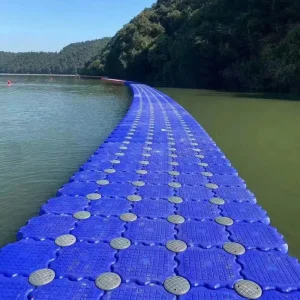
OEM Advanced Floating Boat Pontoon for Custom Water Platforms Supplier, Factory
View Product Specs
ODM Floating Barriers for Water Protection and Environmental Management Supplier, Factories
View Product Specs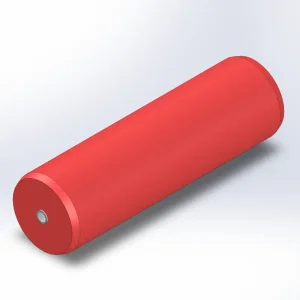
Best Reliable Floating Barriers for Marine and Industrial Protection Supplier, Factory
View Product Specs
High-Quality Pipe Floats for Floating Pipeline Support and Water Transfer Product, Company
View Product Specs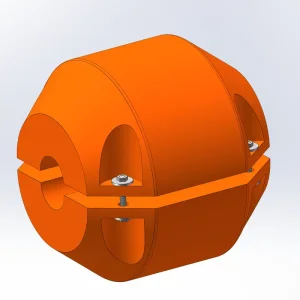
High-Quality Durable Pipe Floats for Safe Operations Products, Company
View Product Specs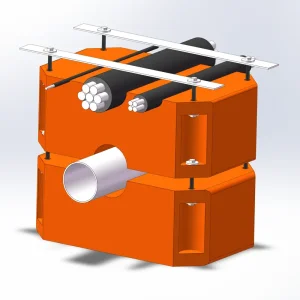
ODM Durable Cable-Integrated Pipe Floats for Submerged Infrastructure Supplier, Manufacturer
View Product Specs
Best Modular Subsea Pipeline Float – Reliable Deepwater Support Manufacturer, Factories
View Product SpecsIndustrial Engineering & Rotomolding Manufacturing Capabilities
Shandong Binzhou Juhua Rubber & Plastic Co., Ltd. (operating internationally under Juhua / Giant Rubber) pioneers advanced polymer engineering tailored for demanding aquatic, nearshore, and offshore environments. Over two decades of specialized focus on rotational molding has allowed us to eliminate common industry failure points such as stress cracking, hydrostatic wall collapse, and seam ruptures.
Variable-Frequency Speed Control
Our bi-axial rotational molds utilize multi-axis variable-frequency speed regulation, ensuring molten polymer distributes evenly into deep corners, radiused edges, and structural mounting slots without wall thinning.
Automated Thermal Sensing
Infrared electronic sensors continuously read mold cavity skin temperature, preventing micro-crystalline degradation, under-curing, or thermal stress brittleness across massive pontoon float sections.
Batch-to-Batch Interchangeability
Standardized CNC precision molds ensure that whether a client orders modular float halves for a dredging project today or replacement shells five years later, bolt holes, diameters, and flanged profiles align perfectly.
The Core Rule of Buoyancy Engineering: Slurry vs. Clean Water
A frequent oversight in marine dock and pipeline design is calculating displacement based on ambient pure water density (1.00 g/cm³). In real dredging, tailings, and offshore harbor berths, slurry density routinely fluctuates between 1.25 and 1.65 g/cm³. Juhua flotation engineers design for worst-case dynamic displacement, applying a mandatory reserve factor: Total float buoyancy ≥ (pipe/structure weight + conveyed medium weight + accessories) × 1.20 to 1.30. This guarantees a stable freeboard with at least 25% of the float shell standing above the waterline under maximum load.
Custom Plastic Dock Floats Factory Pricelist & Procurement Matrix
Commercial procurement managers, EPC marine contractors, and port authorities require transparent cost benchmarks. Plastic dock float pricing is determined primarily by virgin resin volume, wall thickness (ranging from 6mm to 18mm), internal EPS closed-cell foam density (14kg/m³ to 22kg/m³), and embedded hardware (galvanized steel vs. marine-grade AISI 316 stainless steel).
| Float Type / Dimensions (L × W × H) | Wall Thickness | Core Filling | Net Buoyancy Capacity | Factory Unit FOB Price (Est.) | Lead Time / MOQ |
|---|---|---|---|---|---|
| Standard Marina Float: 1200 × 600 × 300 mm | 7.0 mm LLDPE | 16 kg/m³ Virgin EPS | 195 kg (430 lbs) | $45.00 – $58.00 / pc | 5-7 Days / 50 pcs |
| Commercial Slip Pontoon: 1200 × 800 × 400 mm | 8.5 mm LLDPE | 18 kg/m³ Virgin EPS | 360 kg (793 lbs) | $72.00 – $89.00 / pc | 7-10 Days / 30 pcs |
| Heavy Dredging Pipe Float: OD 560 mm × L 1100 mm | 10.0 mm HDPE | High-Density Polyurethane | 420 kg (925 lbs) | $88.00 – $112.00 / pair | 10-14 Days / 20 pairs |
| Extra-Large Mining Float: OD 850 mm × L 1800 mm | 14.0 mm HDPE | Closed-Cell EPS Core | 1,280 kg (2,821 lbs) | $240.00 – $295.00 / pair | 12-16 Days / 10 pairs |
| Ocean Channel Mooring Buoy: Ø 1200 mm Spherical | 12.0 mm LLDPE | PU Foam + Internal Steel Frame | 850 kg (1,873 lbs) | $310.00 – $380.00 / unit | 14 Days / 5 units |
| Environmental Trash Barrier: 1000 × 400 mm Section | 8.0 mm LLDPE | 16 kg/m³ Water-Resistant Core | 110 kg (242 lbs) | $38.00 – $49.00 / unit | 5-7 Days / 50 units |
Custom Tooling & OEM/ODM Amortization
For custom dock profiles, ribbed pontoons, or proprietary interlocking marine steps:
- Cast Aluminum Mold Fabrication: $3,500 – $9,800 depending on geometry (vs. $25,000+ in North America/Europe).
- Tooling Timeline: Rapid CAD-to-Steel in 12 to 20 calendar days including initial shot trials.
- Mold Ownership & Confidentiality: Complete client tooling ownership with nondisclosure protection. Mold cost fully rebated upon reaching contract volume thresholds.
Volume Tiering & Container Optimization
Maritime logistics costs frequently rival production expenses if cargo is not nested:
- 40ft High Cube (40HQ) Stacking Efficiency: Our modular clamp halves and flat-top pontoons are geometrically engineered to interlock, increasing container volumetric utilization by 35%.
- Tier 1 Volume Discount (1-3 Containers): Baseline competitive export pricing.
- Tier 2 Fleet / EPC Annual Master Contracts (5+ Containers): 8% to 15% discount schedule with staggered port deliveries.
China Factory Supply Chain & Shandong Industrial Cluster Strengths
Operating out of Huimin County, Binzhou City, Shandong Province places Juhua directly inside China’s premier petrochemical, rubber, and heavy maritime engineering corridor. This geographical cluster delivers substantial engineering advantages over non-integrated regional manufacturers.
Direct Petrochemical Access
Direct rail and bulk pipeline supply of virgin hexene-copolymer LLDPE resins (Sinopec, PetroChina) minimizes raw material price volatility and ensures consistent Melt Flow Index (MFI).
Compressed Tooling Cycles
Close proximity to high-precision CNC mold machining centers allows complex bespoke cast aluminum dock float molds to be delivered, tested, and modified in under 2 weeks.
Integrated Assembly ecosystem
From marine-grade AISI 316 fastener manufacturing to customized multi-ply rubber discharge hoses, our supply ecosystem provides turn-key floating platforms under single-invoice control.
Qingdao Port Proximity
Rapid container trucking routes to Qingdao Port allow finished orders to transition from factory floor to international freight vessels in less than 24 hours from release.
Localized Regulatory Compliance & Rigorous Material Standards
Global dock installations require stringent adherence to regional environmental and structural mandates. Juhua dock floats and marine buoys are certified to satisfy or exceed international procurement criteria.
USACE & Marine Buoyancy Mandates
Compliant with United States Army Corps of Engineers (USACE) regulations regarding completely encapsulated flotation. Our heavy outer LLDPE shell resists puncture, preventing EPS foam particle release into public waterways.
ASTM UV-20 & ESCR Standards
Resins are compounded with premium carbon black and Hindered Amine Light Stabilizers (HALS) rated to UV-20 (tested under ASTM G155). Moldings resist Environmental Stress Cracking (ASTM D1693) for over 1,000 hours in saline solutions.
European CE & ISO Certification
Manufactured under strict ISO 9001:2015 quality management and ISO 14001 environmental frameworks. All materials are inert, chemically neutral, food-grade compliant, and completely non-toxic to marine flora and fauna.
Handover & Project Lifecycle Warranty
To safeguard contractor cash flow and project milestones, Juhua provides a formal operational warranty: Coverage begins the moment the buyer hands over goods to the investor and extends 18 months from that handover date, or 12 months after the completed installation date, whichever milestone is reached first. During this window, all premature structural degradation or factory weld defects receive immediate replacement support.
Localized Application Scenarios & Engineering Deployments
Polyethylene flotation units must withstand radically diverse hydrological stresses. Below are real-world operating environments where Juhua equipment has proven field performance across 80+ countries.
Commercial Marinas & Boat Slip Berths
Custom flat-top dock floats serve as the substructure for timber, aluminum, and WPC walking docks. High buoyancy per square meter keeps docks stable during high-density pedestrian access and boat boarding.
Mining Tailings & Slurry Dewatering
In extreme copper, gold, and bauxite tailings dams, aggressive chemicals and heavy suspended solids destroy steel pontoons. Our thick-walled HDPE pipe floats resist pH 1–13 acids and constant mechanical vibration.
Floating Solar PV Infrastructure
Reservoir solar farms demand 25-year submerged design life. Our virgin LLDPE solar pontoon floats incorporate anti-slip maintenance walkways and precision mounting brackets for aluminum array framing.
Offshore Dredging & Land Reclamation
High-visibility yellow and orange pipe clamp floats secure long-distance sand discharge pipes across open-water swell. Two-piece clamp designs allow fast replacement on floating barges during active pump operations.
Hydro Dam Debris & Trash Booms
Linked cylindrical floating barriers deflect floating timber, invasive aquatic hyacinth, and plastic waste away from turbine intake screens, reducing plant downtime and turbine maintenance costs.
Offshore Anchorages & Berthing
Steel-core polyurethane foam mooring buoys provide secure mooring points for supply vessels, barges, and tugboats, absorbing vessel impact energy without puncturing or loss of freeboard.
Future Trends Shaping the Marine Flotation Industry
As marine infrastructure transitions toward higher sustainability and environmental scrutiny, flotation technology is advancing across three key dimensions:
Closed-Loop Circular Polymers
Growing port authority mandates for environmental impact reporting are accelerating the adoption of certified recyclable HDPE grades. Juhua supports 100% closed-loop reclamation programs where retired float shells are re-granulated for secondary industrial products.
Smart IoT Buoyancy Monitoring
Next-generation navigational and dredging floats are integrating low-power satellite and LoRaWAN IoT telemetry. Embedded sensors track internal temperature, water ingress, and tilt angles, triggering proactive maintenance before flotation line failure occurs.
High-Density Hybrid Foaming
Shifting away from loose bead fill, advanced micro-cellular hydrophobic polyurethane injections ensure zero water absorption even if the outer plastic shell suffers deep hydrodynamic impact from collision with maritime debris.
Offshore Mooring Buoys, Rubber Hoses & Subsea Support Systems
Engineered for offshore mooring, subsea pipe tie-ins, lighted navigation channels, and abrasive slurry slurry transfer. Discover the lower catalog selection of specialized marine buoyancy assets.

OEM Foam-Filled Mooring Buoy for Chain-Connected Berths Product, Companies
View Product Specs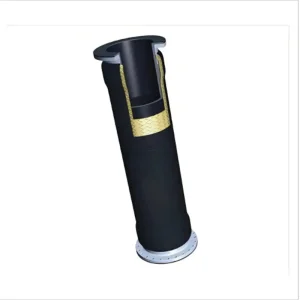
Custom Premium Rubber Hoses for Reliable Water and Slurry Transport Supplier, Products
View Product Specs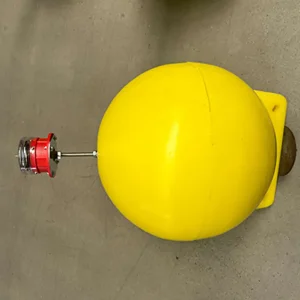
ODM Floating Ball with LED Light – Reliable Marine Navigation and Safety Manufacturer, Pricelist
View Product Specs
High-Quality High-Visibility Marine Buoys for Safe Offshore Operations Pricelist, Factory
View Product Specs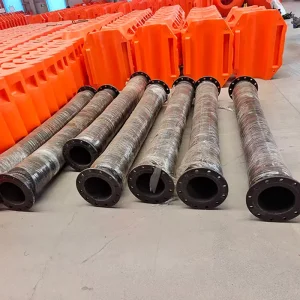
High-Quality High-Performance Rubber Hoses for Water and Slurry Transport Suppliers, Factories
View Product Specs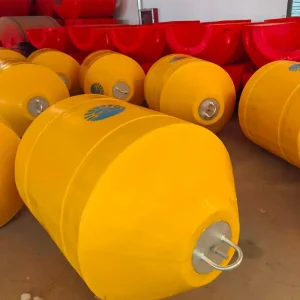
Best Foam-Filled Mooring Buoy for Marinas, Anchorages and Offshore Facilities Manufacturer, Factories
View Product Specs
ODM Subsea Tie-In Pipeline Float – Reliable Buoyancy for Underwater Pipelines Products, Pricelist
View Product Specs
ODM Mooring Buoy for Secure Vessel Anchoring and Stable Marine Mooring Systems Manufacturers, Manufacturer
View Product SpecsFrequently Asked Engineering & Procurement Questions
Detailed answers addressing hydrostatic buoyancy calculations, mold customization parameters, marine regulatory standards, and logistics.
Total Float Buoyancy ≥ (Weight of Empty Pipe + Weight of Slurry at Saturated Density + Weight of Hardware) × 1.25. This guarantees a 25% buoyancy reserve factor, ensuring roughly one-quarter of the pipe float shell remains above the waterline, preventing wave subduction.