
Featured Marine Flotation & Specialized Pipeline Systems
Engineered synergistic components supporting oceanic suction dredging, pipeline alignment, and extreme marine slurry conveying.

High-Quality Reliable Floating Barriers for Water Safety and Pollution Control Factory, Factories
View Specifications
Custom Reliable Marine Buoys for Safe Waterway Operations Suppliers, Products
View Specifications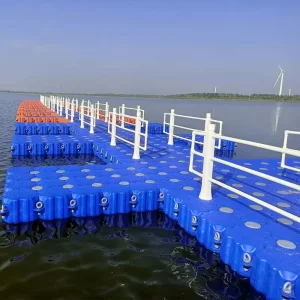
Custom Premium Floating Boat Pontoon for Safe and Stable Water Platforms Products, Quotes
View Specifications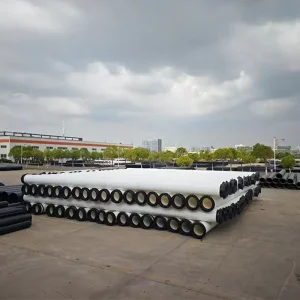
ODM High-Density Pipeline for Efficient Liquid and Gas Transport Manufacturers, Factories
View Specifications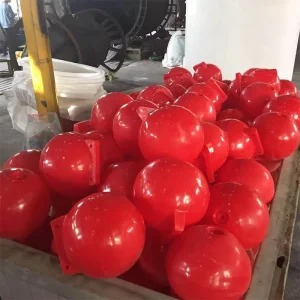
Best PE Float Ball – Durable Buoyancy Solution for Water Projects Products, Quotes
View Specifications
ODM Mooring Buoy for Secure Vessel Anchoring and Stable Marine Mooring Systems Manufacturers, Manufacturer
View Specifications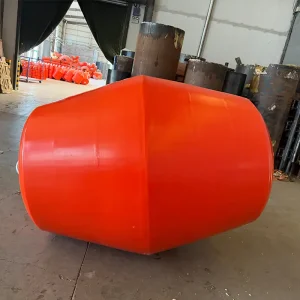
Best Foam-Filled Polyethylene Mooring Buoy for Reliable Marine Anchoring Supplier, Suppliers
View Specifications
Best Reliable Floating Barrier Solutions for Water Protection and Project Control Company, Quotes
View SpecificationsGlobal Landscape: The Evolution of Industrial Suction Hose Engineering
An authoritative analysis of elastomeric fluid dynamics, extreme negative pressure thresholds, and compound longevity in mission-critical dredging, mining, and offshore infrastructure.
Dynamic Negative Pressure Resilience
Modern cutter suction dredgers (CSD) and high-volume trailing suction hopper dredgers (TSHD) operate under dynamic negative pressure loads exceeding 0.08 to 0.095 MPa. Traditional fabric-ply suction hoses suffer from ply separation and catastrophic internal tube delamination when coping with cyclic cavitation and vortex currents.
- Helical spring-steel reinforcement prevents ovalization under full vacuum.
- Multi-cord polyester and aramid plies ensure structural damping against pump pulsations.
- Embedded anti-static grounding wires mitigate static discharge caused by dry particulate velocities.
Tribological Elastomer Optimization
Abrasive slurry conveyance—including quartz sand, coral reef fragments, and gold/copper tailings—causes rapid mechanical wear on inner pipe layers. By integrating ultra-high molecular weight synthetic blends and specialized natural rubber (NR/BR compounds), abrasion loss is constrained below 60 mm³ in conformance with ISO 4649 standards.
- Inner wear layers customized from 6mm to 35mm thickness based on particle size distribution.
- Elongation at break exceeding 450%, distributing kinetic impact from sharp suspended solids.
- Micro-crack propagation resistance under extreme water-hammer events.
Total Lifecycle Costing (TCO)
Tier-1 maritime contractors and EPC entities no longer prioritize initial procurement expenditure alone. Hose failure on an active cutterhead suction pipe generates downtime expenses between $15,000 and $70,000 per working hour. Custom heavy-duty rubber suction hoses deliver triple the operational life compared to standard PVC or unreinforced polymer tubes.
- Extended MTBF (Mean Time Between Failures) minimizing unscheduled dry-docking.
- Integrally vulcanized steel flanges eliminating slip-off and gasket blowouts.
- Predictable wear-rate acoustic monitoring compatibility for planned replacement cycles.
Anatomy of Heavy-Duty Custom Rubber Suction Hoses
Engineered multi-layer composition configured to withstand extreme hydraulic suction, slurry abrasion, aggressive ozone exposure, and torsional marine stresses.
| Layer Component | Material Formulation | Mechanical Function | Industry Standard Compliance |
|---|---|---|---|
| Inner Liner (Tube) | Ultra-Wear Resistant Natural Rubber (NR), SBR, or Nitrile (NBR) | Provides hydraulic seal, prevents chemical erosion, and withstands solid particle velocity up to 10 m/s. | DIN 53516 / ISO 4649 (<60 mm³ wear loss) |
| Carcass Reinforcement | Multiple High-Tensile Synthetic Textile Plies (Polyester / Polyamide Cord) | Delivers burst pressure safety factor (3:1 to 4:1) while allowing elastic flexural compliance without kinking. | ISO 1402 Hydrostatic Standards |
| Structural Helix | Dual or Single Heavy High-Carbon Spring Steel Wire Helices | Prevents tube collapse under full internal vacuum (-0.09 MPa) and resists external hydrodynamic crushed loads. | ASTM A229 / EN 10270 Class SH |
| Middle Cushion Layer | High-Adhesion Natural & Synthetic Elastomeric Interleaving Compound | Ensures homogeneous bonding between steel wire helix, textile carcass plies, and inner/outer tube walls. | ASTM D413 Adhesion Test (>10 N/mm) |
| Outer Cover | EPDM, Polychloroprene (Neoprene), or Weather-Resistant SBR Blend | Protects structural core against UV degradation, ozone cracking, saltwater corrosion, and mechanical gouging. | ISO 7326 Ozone Resistance / ISO 1817 Oil Exposure |
| Termination End | Integrally Vulcanized Carbon Steel (Q235/Q355, 316L) Fixed or Swivel Flange | Seamless internal flow transition preventing turbulence hotspots; ANSI 150/300, EN 1092, or JIS standards. | ASME B16.5 / EN 1765 Flange Standards |
Pressure Rating Configuration
Customized operating working pressures (WP) from 10 bar up to 35 bar (150 psi to 500 psi), tested with hydrostatic test pressure (1.5x WP) and minimum burst safety factors (3x WP) to safeguard against unexpected line blockages and catastrophic pressure spikes.
Bend Radius & Flexibility
Engineered with a minimum bend radius (MBR) typically 4x to 6x the nominal inside diameter (ID). This tight curvature capability facilitates compact installations inside dredge ladder hulls, intake pump chambers, and articulated offshore single-point mooring rigs.
Bespoke End Fittings
Options encompass vulcanized rubber-lined full-face flanges, carbon steel swivels, Grooved Victaulic joints, quick-connect Camlock fittings, or enlarged flared cuffs customized to match existing suction manifold dimensions without flow constriction.
China Smart Factory 4.0: Supply Chain Resilience & Technical Precision
How our Binzhou, Shandong manufacturing plant leverages computerized vulcanization, integrated elastomer compounding, and rapid international logistics to redefine industrial value.
Continuous Automated Winding
Our PLC-controlled winding rigs apply uniform spiral tension to heavy high-carbon spring steel wire. Eliminating manual pitch inconsistency ensures constant hoop strength across diameters from 2 inches up to 48 inches (50mm to 1200mm).
Digital Autoclave Curing
Variable-frequency electronic temperature and steam pressure profiling eliminates thermal cold spots during the cross-linking phase. Our 30-meter high-capacity autoclaves deliver molecular homogeneity, preventing premature carcass delamination.
Raw Material Upstream Control
Direct supply contracts with top-tier natural rubber plantations and specialized synthetic elastomer synthetics (DuPont, ExxonMobil) insulate client contracts from commodity market volatility while guaranteeing compound purity batch after batch.
Rapid Deep-Sea Port Logistics
Strategically situated in Huimin County, Binzhou, our proximity to Qingdao and Tianjin ports ensures accelerated container stuffing, flat-rack breakbulk positioning for oversized hoses, and reduced maritime transit times to Rotterdam, Singapore, and Houston.
Mission-Critical Deployment Scenarios Worldwide
Field-proven operations in high-stress industrial domains requiring custom engineering for vacuum integrity, abrasive slurry slurps, and harsh environmental exposure.
Port & Navigation Channel Dredging
Installed directly on the suction trailing arm and underwater ladder pump systems of dredging vessels. Dampens severe rolling sea motions while sucking heavy sediment, sand, gravel, and sea silt from the ocean bed directly into discharge lines.
Key Demand: Extreme fatigue resistance under continuous 3D torsional flexing and dynamic vacuum loads.
Mining Tailings & Mineral Dewatering
Utilized in open-pit mines, copper leach facilities, and tailings reclamation ponds. Heavy-duty rubber suction hose pipes transport thick mineral slurries, crushed ores, and acidic dewatering fluids without wear-through or premature carcass rotting.
Key Demand: Thick wear-resistant natural rubber lining (>15mm) coupled with acid/alkali chemical inertness.
Offshore Oil & Bunkering Fluid Transfer
Suction and discharge hoses deployed on floating production storage and offloading (FPSO) units, supply barges, and dock terminals. Built with high-grade NBR/Nitrile cores to transfer crude, diesel, hydraulic oils, and drilling muds.
Key Demand: Conformance to EN 1765 / OCIMF guidelines with 100% electrical continuity or discontinuity specs.
Municipal Flood Rescue & Emergency Pumping
High-capacity mobile pump trucks and emergency storm bypass systems use our lightweight, flexible suction hoses to clear stormwater, municipal sewage, fibrous waste, and river floodwaters rapidly without wall kink during sharp turns.
Key Demand: High flexibility, low weight-per-meter ratio, and rugged abrasion-resistant outer cover.
Industrial Chemical & Process Plant Slurry
Heavy chemical plants and pulp mills require custom suction connections between tanks, vacuum clarifiers, and filtration units. Formulated with specialized EPDM, Viton, or CSM linings to handle corrosive acids, slurries, and caustic washes.
Key Demand: Broad chemical compatibility and temperature thermal resistance up to 120°C (248°F).
Sand Reclamation & Coastal Restoration
Connecting long overland steel pipelines to floating discharge pontoons. The custom suction and discharge rubber hoses absorb wave swells, tidal shifts, and ground settlement without imparting high bending moments on rigid pipe sections.
Key Demand: High tensile pull-out strength for marine anchoring and dynamic tidal surge survival.
Engineering Benchmark: Custom Rubber Suction Hoses vs Alternatives
An objective comparison highlighting elastomeric mechanical advantages over conventional rigid steel piping and semi-rigid thermoplastic tubes.
| Evaluation Parameter | Juhua Custom Rubber Suction Hose | Rigid Carbon Steel Pipe | Flexible PVC / Polyurethane Hose |
|---|---|---|---|
| Negative Pressure (Vacuum) | Full Vacuum (-0.095 MPa): Embedded spring wire prevents collapse under severe suction. | Excellent vacuum resistance, but entirely inflexible; requires ball joints. | Moderate; risk of collapse and ovalization at elevated ambient temperatures (>40°C). |
| Abrasive Slurry Longevity | Superior: Elastomer absorbs particle impact kinetic energy; wear <60 mm³. | Poor to Moderate: Hard particles cause rapid gouging and wall thinning. | Moderate: Thinner wear tubes wear through quickly under coarse gravel slurries. |
| Vibration & Wave Damping | Exceptional: Dampens pump cavitation pulses and absorbs offshore wave motion. | Zero damping; transfers cyclic fatigue to flanges, welds, and pump casings. | Low damping capacity; prone to vibration embrittlement at connection cuffs. |
| Flexibility & Installation | High: Bends easily around structural obstacles; simplifies pump hookups. | Extremely rigid; requires precise welding, elbows, and expensive civil surveying. | High flexibility initially, but stiffens severely in sub-zero working conditions. |
| Corrosion & Biofouling | Immune: Synthetic rubber compounds are impervious to saltwater and marine algae. | High: Severe pitting, rust scaling, and cathodic degradation in marine water. | Good corrosion resistance, but low resistance to UV solar photodegradation. |
Marine Flotation Infrastructure & Auxiliary Pipeline Assemblies
Complete matched floating systems, heavy-duty ABS spheres, and specialized marine hose assemblies for end-to-end industrial deployments.
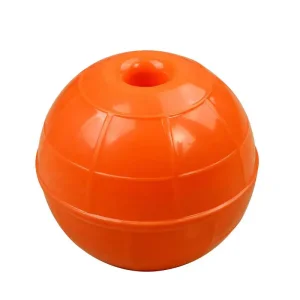
ODM Heavy-Duty ABS Float Ball for Water Engineering Projects Suppliers, Quotes
View Specifications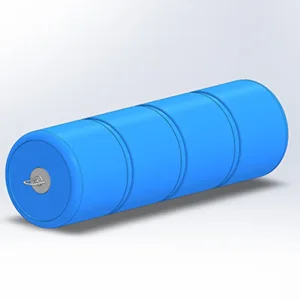
OEM Reliable Floating Barriers for Pollution Control and Water Safety Supplier, Manufacturers
View Specifications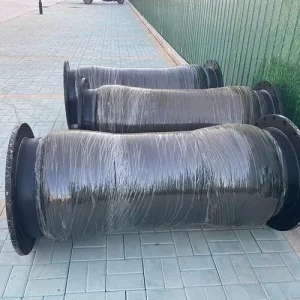
Best Durable Rubber Hoses for Efficient Fluid and Sediment Transport Products, Factory
View Specifications
OEM Innovative Pipeline Float System for Reliable Deepwater Support Companies, Quotes
View Specifications
Best Heavy-Duty Pipeline Float System for Subsea Installations Manufacturer, Products
View Specifications
Custom Custom Pipe Floats for Floating Water Pipeline and Marine Support Projects Suppliers, Manufacturers
View Specifications
ODM Custom Mooring Buoy for Vessel Berthing, Marina Use and Offshore Anchorage Companies, Pricelist
View Specifications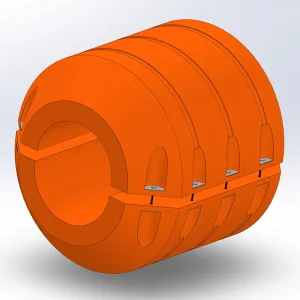
OEM Reliable Marine Pipe Floats for Pipeline Efficiency Manufacturer, Products
View SpecificationsTechnical Authority: Engineering FAQs & Procurement Knowledge
Exhaustive answers to complex structural, hydrostatic, and hydrodynamic inquiries faced by marine superintendents, dredge masters, and piping engineers.
? How does internal negative pressure affect suction hose carcass calculation?
Under high-vacuum suction conditions (approaching -0.09 MPa), external atmospheric pressure exerts a compressive circumferential buckling load on the hose circumference. Without sufficient structural reinforcement, the tube suffers catastrophic ovalization and wall pinch. Our engineering team calculates the required high-carbon spring steel wire gauge (typically 4mm to 12mm diameter) and spiral pitch via Timoshenko's elastic ring buckling formula, ensuring a minimum vacuum safety factor of 1.5 under maximum dredge pump suction.
? What elastomer formulations are best suited for sharp quartz sand vs acidic tailings?
For neutral pH slurry containing jagged quartz or silica particles, a high-purity natural rubber (NR) compound with superior tensile strength (>20 MPa) and high resilience (>60%) provides unmatched rebound elasticity, preventing gouging. Conversely, for mineral mining tailings involving cyanide leaching or acidic runoff, we compound chlorosulfonated polyethylene (CSM), EPDM, or specialized nitrile (NBR) inner liners that resist chemical breakdown while preserving mechanical abrasion resistance.
? Why are integrally vulcanized flanges superior to bolt-clamp swaged couplings?
External bolt clamps or clamp-on nipples rely entirely on friction against the outer hose cover, creating local stress concentrations that frequently strip off under dynamic pulling loads. Juhua's integrally vulcanized flanges incorporate the internal steel wire helix and fabric plies hooked securely around an internal forged steel collar. The entire assembly is cured simultaneously in the autoclave, yielding a continuous, rubber-lined seal that eliminates leaks, prevents slurry contact with bare steel, and guarantees seamless flow transitions.
? How do you verify hose electrical continuity to prevent static buildup?
In applications transferring dry cement, fine tailings, or volatile hydrocarbons, high velocity creates dangerous electrostatic potential. Our custom rubber suction hoses integrate copper grounding braids interwoven with the textile carcass and bonded directly to the steel end flanges. We execute 100% electrical continuity testing on every finished length according to ISO 8031, certifying electrical resistance lower than 10² ohms (or conversely, fully insulated configurations >10⁶ ohms where cathodic protection systems require galvanic isolation).
? What parameters are required to calculate the ideal float-to-hose buoyancy ratio?
A common error is sizing pipe floats based solely on water-filled hose weight. Precise marine buoyancy calculations demand four dynamic inputs: (1) Total dry weight of the hose and end flanges, (2) maximum internal slurry density (frequently up to 1.6 - 1.8 t/m³ during heavy dredging), (3) marine attachment hardware and electrical cables, and (4) local hydrodynamic current drag. Total float buoyancy must provide a 20% to 30% safety reserve margin so that roughly 25% of the floating hose diameter stays above the waterline, preventing pipeline sinking during high-density slurry spikes.
? What is the standard warranty period and expected working lifespan?
Our commercial warranty extends for 18 months from the port bill of lading date or 12 months from the active jobsite commissioning date, whichever transpires first. In terms of operating life, under standard river sand dredging (quartz content <15%), Juhua heavy-duty suction hoses routinely exceed 3 to 5 years of continuous operations. We supply full traceability documentation, mill test certificates (MTC), and third-party inspection dossiers (SGS, BV, Lloyd's Register) with every project shipment.
Consult a Juhua Senior Piping & Flotation Engineer
Avoid costly equipment downtime and premature line failure. Transmit your pipeline inside diameter (ID), operating pressure, vacuum requirements, conveyed slurry density, and jobsite environment directly to our manufacturing engineering group in Binzhou, Shandong.