
Engineered Floating Platforms & Marine Modules (Top Featured)
Explore our core engineered float assemblies, marine pipeline support units, and specialized mooring systems verified under harsh open-sea and abrasive slurry environments.
-

ODM Pipe Floats With Cable Troughs - Reliable Buoyancy and Cable Protection Products, Factory
-
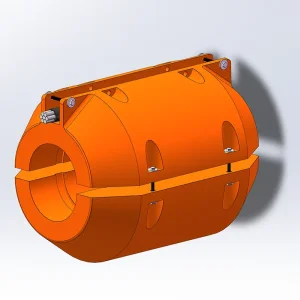
Custom Reliable Pipeline Floats for Marine and Engineering Projects Company, Pricelist
-
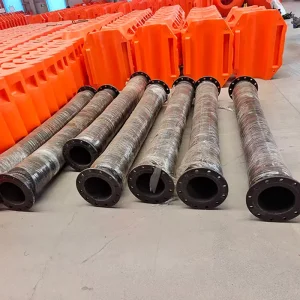
Custom Flexible Rubber Hoses for Advanced Fluid and Sediment Transport Products, Quotes
-

-

High-Quality Durable Floats for Safe and Efficient Pipeline Support Manufacturers, Products
-

Best Precision Marine Buoys for Safe and Efficient Navigation Manufacturer, Factories
-

-
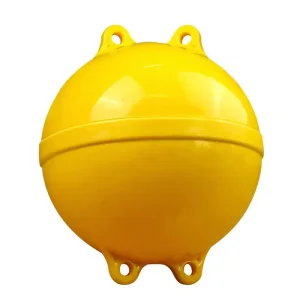
ODM ABS Float Ball for Reliable Marine and Freshwater Buoyancy Manufacturers, Factories
Global Industrial Landscape of Floating Platforms on Water
Marine civil contractors, coastal dredging enterprises, and municipal hydraulic engineers require verified technical insight when evaluating high-quality floating platform on water companies. Contemporary water infrastructure demands materials and manufacturing methodologies that withstand severe environmental degradation.
Civil Engineering Transition
Traditional steel pontoon platforms and unsealed concrete floats suffer from aggressive galvanic corrosion, catastrophic pinhole punctures, and heavy maintenance overheads. Modern engineering specifications globally mandate virgin High-Density Polyethylene (HDPE) and rotomolded polymer hulls filled with closed-cell polyurethane foam, virtually eliminating sinking risks.
Surging Energy & Decarbonization Demand
The acceleration of Floating Photovoltaic (FPV) solar farms, offshore wind substation access platforms, and marine eco-monitoring hubs has expanded the definition of water platforms. Floating platform manufacturers must now supply composite assemblies engineered for 25-plus years of continuous hydrodynamic cyclic fatigue resistance.
Stringent Marine Safety Standards
Tier-1 maritime projects governed by PIANC, IALA, and ISO guidelines enforce precise reserve buoyancy calculations. Working platforms must maintain static stability under concentrated crane equipment loads, wave-slapping forces, and dynamic tide-induced tethering stresses.
Enterprise Authority in Rotomolded Flotation Infrastructure
Shandong Binzhou Juhua Rubber & Plastic Co., Ltd. (Juhua / Giant Rubber) stands as a foundational pillar in heavy-duty marine polymer manufacturing, serving international dredging and marine infrastructure contractors.
Localized Engineering Use Cases & Operating Environments
Floating platforms are subjected to radical differences in mechanical loading, salinity levels, water currents, and chemical exposure depending on their geographical installation zone.
Port & Maritime Berth Expansions
Heavy pontoon barges provide staging platforms for maintenance crews, pile-driving guide frames, and pipeline support in bustling marine harbors with continuous wave agitation and commercial ship wake.
Mining Tailings & Slurry Transport
In acidic or alkaline process ponds, floating pump stations and discharge tie-in platforms remain completely unaffected by caustic tailings slurries, delivering exceptional chemical resilience over steel options.
Reservoirs & Water Treatment Plants
Potable water impoundments require platforms that guarantee zero leachates or toxic emissions. Food-grade virgin polyethylene shells protect municipal water supplies while carrying aeration machinery.
Land Reclamation & Coastal Desilting
Sand-pumping cutter suction dredgers depend on interconnected pontoon floats to sustain high-pressure delivery pipes, keeping discharge lines aligned in surging tides and river estuary currents.
China Factory Supply Chain Resilience & Production Efficiency
Procuring from Shandong Binzhou Juhua gives global maritime clients decisive cost-performance advantages, guaranteed raw-material traceability, and rapid lead-time execution.
Variable-Frequency Rotomolding
Our workshop integrates digital speed-controlled rotational ovens with computerized multi-point electronic temperature sensors. This eliminates thin corners and ensures uniform shell wall thickness across complex modular platform contours.
Upstream Polymer Integration
Situated in Shandong’s advanced chemical industrial cluster, Juhua maintains deep integration with premier virgin polymer refiners. We blend high-grade UV stabilizers (UV8 to UV15 rating) and antioxidant compounds directly into the raw resin melt before molding.
Standardized Interchangeability
Our precision steel mold library ensures that replacement floats, half-shells, and modular connecting pins match previously delivered platform batches down to millimeter tolerances, drastically lowering project maintenance lifecycle costs.
| Engineering Parameter | Juhua Industrial HDPE Float Platforms | Welded Mild Steel Pontoon Barges | Traditional Concrete Floats |
|---|---|---|---|
| Corrosion Resistance | ✓ Complete Immunity (pH 1-14) | High Risk (Requires Anodes & Recoating) | Saltwater Spalling / Rebar Corrosion |
| Impact & Crush Resilience | Elastic Recovery without Permanent Denting | Permanent Deformation & Weld Cracking | Brittle Fractures Under Wave Impact |
| Installation & Mobilization | Rapid Crane-Free or Light Crane Bolting | Heavy Crane Vessels Required | Excessive Deadweight Logistics Burden |
| Operational Service Life | 20 - 30+ Years Continuous Marine Duty | 7 - 12 Years (Frequent Drydock Painting) | 15 - 20 Years (Subject to Water Absorption) |
| Internal Unsinkable Core | Hydrophobic Closed-Cell PU Foam Core | Hollow Air Cavity (Puncture Sinks Unit) | Expanded Polystyrene or Hollow Cavity |
Buoyancy Sizing Formula & Hydrodynamic Design Rule
The most catastrophic mistake in water platform procurement is sizing buoyancy based on static dry conditions. Commercial flotation engineers must apply the 120% to 130% safety reserve margin rule.
The Juhua Buoyancy Equation
Total Platform Buoyancy (Fb) ≥ (Wstructure + Wpayload + Wmedium + Wfittings) × (1.20 to 1.30)
Where Wmedium calculates the highest possible density of slurry (e.g., specific gravity 1.6 - 1.8 for iron ore tailings or river desilting sand) rather than clear freshwater.
Target Freeboard & Waterline
A professionally sized dredging or pontoon platform must maintain roughly one quarter (25%) to one third (33%) of its vertical height above the water plane during maximum continuous operational load to prevent swamping from localized swell.
Dynamic Surge & Mooring Load
Mooring lines, anchor dampers, and inter-module connection pins must be rated for peak shock loads generated during storm surges, avoiding shearing stresses across neighboring floating units.
Technology Roadmap: The Future of Smart Water Platforms
The convergence of IoT telemetry, composite materials science, and clean ocean energy is driving the technical roadmap for modern water platform manufacturers.
IoT-Enabled Structural Sensing
Integrating fiber-optic strain gauges and tilt-pitch accelerometer sensors directly into rotomolded hull walls enables remote digital-twin monitoring of platform stress, water intrusion, and tether mooring tension in real time.
Bio-Circular Polymer Blends
Development is underway for post-consumer recycled ocean plastics compounded with carbon nanofillers, delivering ultra-high impact toughness while drastically shrinking the carbon footprint of marine infrastructure projects.
Integrated Energy Harvesting
Next-generation platforms feature self-sufficient micro-grids pairing non-slip walkable photovoltaic surface laminates with submerged oscillating-water-column wave energy generators to power autonomous navigation lights and instrumentation.
Localized Engineering Support & International Compliance
International infrastructure procurement requires rigorous verification of material quality, factory traceability, and strict adherence to international maritime safety frameworks.
Full Warranty Coverage
The warranty period begins when the client transfers the delivered goods to the project investor, running for 18 months after handover or 12 months after active commissioning, whichever threshold occurs first.
Raw Material Traceability
Every production batch is molded from certified virgin polyethylene batches accompanied by Melt Flow Index (MFI), Environmental Stress Crack Resistance (ESCR), and tensile yield strength documentation.
Global Maritime Standards
Buoys and markers adhere strictly to IALA (International Association of Marine Aids to Navigation and Lighthouse Authorities) chromaticity boundaries and surface luminance requirements.
Factory Acceptance (FAT)
Clients can commission remote video inspection, ultrasound wall-thickness profiling, and destructive drop-weight impact verification before export packing and container dispatch.
Consult with a Senior Marine Flotation Engineer
Submit your pipe outside diameter, slurry density, wave height, and destination port for custom buoyancy sizing within 24 hours.
Engineering Questions & Direct Technical Answers
Comprehensive solutions to real-world questions frequently posed by procurement directors, harbor masters, and dredging operations leads.
What are pipeline floats and how do they function on floating platforms?
Pipeline floats (dredge floats or buoyancy collars) are two-piece clamp-on hollow bodies rotational-molded from UV-stabilized polyethylene and filled with rigid closed-cell polyurethane foam. Fastened around discharge pipes or steel framing, they provide calculated buoyancy to elevate pipelines and work platforms, ensuring reliable alignment, reduced hydrodynamic drag, and high surface visibility.
How do engineers accurately calculate the number of floats required for a pipeline or platform?
Net platform buoyancy must substantially exceed aggregate operating deadweight. Total weight equals the bare pipeline or frame weight + the maximum payload of conveyed slurry/water + all bolts, couplings, cable harnesses, and live working personnel. Flotation engineers add a mandatory 20% to 30% safety reserve so the platform or pipe floats with approximately one fourth to one third of its outer profile comfortably clear of the surface.
Are rotomolded polyethylene floats safe and stable for offshore seawater deployment?
Yes. Premium virgin polyethylene is completely impervious to saltwater electrochemical corrosion, diesel fuel exposure, biofouling crusts, and harsh solar UV degradation. Unlike carbon steel pontoons that inevitably pit, rust, and leak at welded joints, high-grade PE floats maintain mechanical elasticity and buoyancy for decades without surface recoating.
What specific details must clients supply for an exact engineering quote?
For a complete buoyancy analysis, buyers should furnish: (1) Pipe outer diameter (OD) or platform footprint dimensions; (2) Pipe material, steel wall thickness or SDR rating; (3) Conveyed slurry composition and specific gravity; (4) Project water environment (inland river, calm reservoir, tidal port, or exposed sea); (5) Desired freeboard margin; and (6) Destination port for optimized container nesting.
Can Juhua customize rotomolded flotation molds for bespoke platforms?
Yes. Beyond standard dredge sizes, Juhua engineers custom CNC aluminum and fabricated steel rotational molds based on 3D CAD or STEP files. Customizations include integrated power cable conduits, specialized sensor brackets, non-skid walking surfaces, custom pigmentation, high-intensity reflective banding, and embedded zinc-plated or stainless steel threaded inserts.
What is the standard commercial warranty and after-sales protocol?
Our comprehensive factory warranty coverage begins upon customer handover to the end client and extends 18 months post-handover or 12 months after live marine installation, whichever concludes first. Our technical engineering division maintains continuous direct communication channels to guide installation spacing, bolt-torque calibration, and regular mooring inspections.
Heavy-Duty Dredging & Marine Flotation Systems (Secondary Series)
Review additional precision-molded components, including tie-in deepwater modules, reinforced sediment pipelines, flexible rubber dredging hoses, and heavy-duty offshore buoys.
-
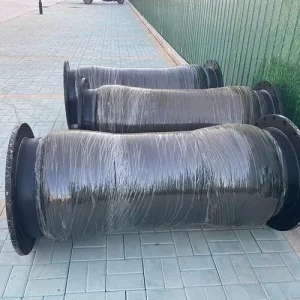
Best Durable Rubber Hoses for Efficient Fluid and Sediment Transport Products, Factory
-
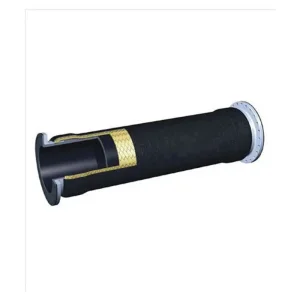
Best Reliable Pipelines for Sediment and Slurry Transport Product, Pricelist
-
ODM Pipe Floats for Floating Water Pipelines and Marine Support Systems Manufacturers, Manufacturer
-

-
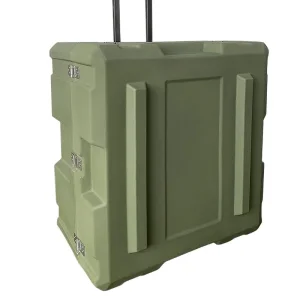
ODM Heavy-Duty Rotomolded Military Airdrop Storage Container Supplier, Factory
-
-
Best Pipe Floats for Stable Water Transfer and Marine Pipeline Support Supplier, Pricelist
-

ODM Mooring Buoy for Reliable Vessel Anchoring and Floating Marine Infrastructure Product, Quotes