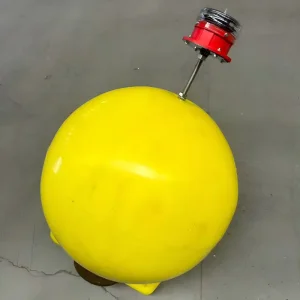
Navigation Safety
Request Technical Spec
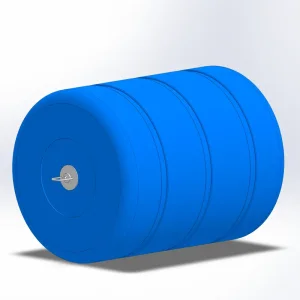
Engineered via rotational molding with high-stress fracture resistance, variable-frequency speed controls, and integral closed-cell polyurethane foam cores.
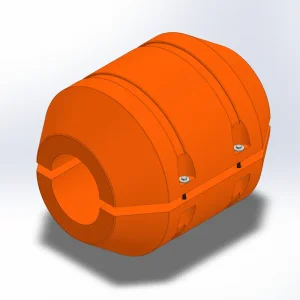
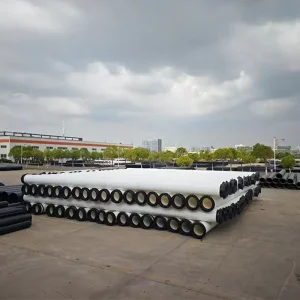
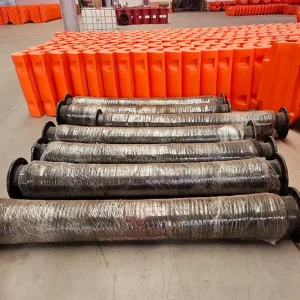
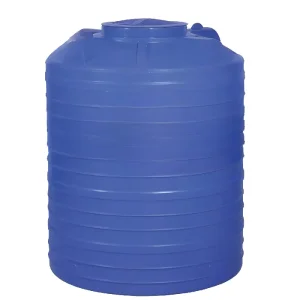

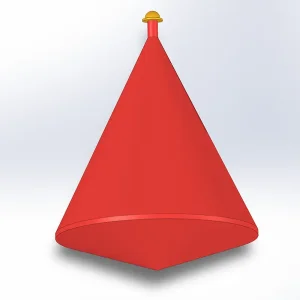
In mega-infrastructure dredging, channel deepening, and tailings disposal, capital expenditure shifts rapidly into high-risk operational expenditure when sub-par flotation components fail in dynamic hydro-marine settings.
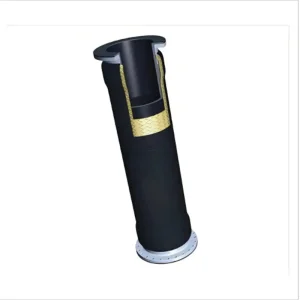
Dredging operations handling gravelly sediment or dense mineral tailings subject discharge lines to intense internal hydraulic water-hammer pressures and cyclic bending moments. Juhua's rotomolded polyethylene dredge pipe floats absorb hydrodynamic energy, dampening stress transfers directly between articulating HDPE and steel flanges.
Traditional carbon steel pontoons corrode under continuous exposure to high-salinity maritime splash zones, necessitating costly cathodic protection and sandblasting repainting cycles. Juhua's virgin LLDPE formulations eliminate galvanic and electrochemical corrosion entirely, maintaining flotation stability over 15+ years in harsh UV environments.
Standardizing pipe float modules with interchangeable split halves reduces inventory overhead on dredging vessels. Juhua's variable-frequency rotomolding ensures zero wall-thinning defects across critical bolt-recess flanges, eliminating unexpected pipeline immersion risks and costly project downtime during deep-water dredging operations.
A recurring error in offshore pipeline design is calculating displacement based on empty dry pipes or standard clean freshwater density. Offshore dredgers, tailings conduits, and harbor expansion lines must be calibrated for heavy slurry density (SG 1.3 to 1.8), residual hydrodynamic lift, and crosscurrent marine drag.
Where:
• W_pipe: Weight per meter of HDPE/Steel pipeline
• W_slurry: (π/4) × ID² × ρ_slurry × g (up to 1.8 SG)
• W_fittings: Stiffener rings, flanges, fast-lock bolts
• 1.30 Factor: Provides 30% surplus safety reserve margin
Shandong Binzhou Juhua Rubber & Plastic Co., Ltd. continuously invests in advanced materials engineering and marine telemetry to meet demanding oceanographic requirements.
Integrated low-power satellite and LoRaWAN draft transponders monitor freeboard levels in real-time, instantly alerting offshore operators to internal slurry settling, pipe sagging, or localized module damage.
Developing high-tenacity, chemically recycled marine polymers compounded with long-chain UV antioxidants to significantly lower embedded project carbon without compromising environmental stress-crack resistance (ESCR).
Patented interlocking ribs and dual-recess conduit troughs support simultaneous transmission of high-voltage dredge power cables, optical fibers, and industrial sensor arrays along the buoyant dredge pipeline.
Syntactic foam cores capable of handling hyperbaric ocean pressures without outgassing or cell collapse, tailored for deepwater umbilical pipelines and subsea manifold tie-in stabilization operations.
Cross-border maritime delivery requires strict adhesion to marine manufacturing standards and rigorous quality testing.
Every resin batch undergoes strict melt flow index (MFI), tensile elongation (ASTM D638), and environmental stress-crack resistance (ASTM D1693) testing to guarantee zero thermal stress failures under intense equatorial radiation.
Supplied standard with hot-dip galvanized or Marine Grade 304/316 stainless-steel high-tensile hardware, engineered to resist saltwater exposure without galvanic degradation or thread galling.
Our Binzhou factory works with premier global freight carriers to maximize container nesting layouts, lowering per-unit cubic shipping costs and delivering quickly to major regional marine hubs.
Straightforward technical answers to assist dredging superintendents and EPC procurement leads.
Field-proven components deployed globally for channel maintenance, silt retention, deep-ocean dredging, and industrial water infrastructure.