Heavy-Duty Floating Line Architecture (Part I)
Engineered for high-volume dredging lines, slurry transport pipelines, and deep-sea industrial water transfer with custom-molded inner diameters and interlocking anti-slip geometries.
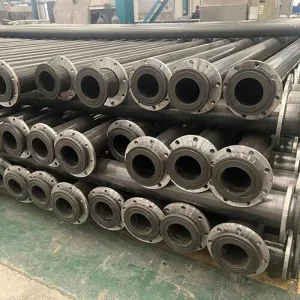
Best Durable Pipeline for Efficient Fluid Transport Supplier
Explore Pipeline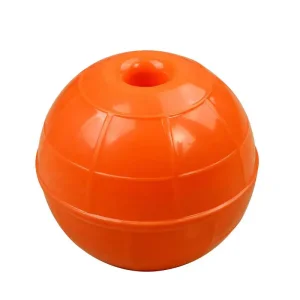
ODM Heavy-Duty ABS Float Ball for Water Engineering Projects
Request Quotes
OEM Pipeline Float for Floating Pipeline Systems & Water Transfer
Factory Spec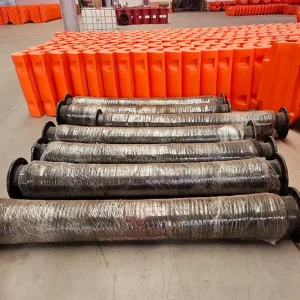
Custom Heavy-Duty Rubber Pipelines for Water & Slurry Transport
View Product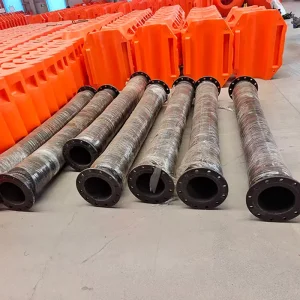
Custom Flexible Rubber Hoses for Advanced Fluid & Sediment Transport
Hose Specs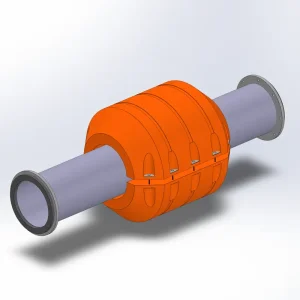
Modular Buoyancy Pipeline Float for Subsea Installation
Buoyancy Data
OEM Innovative Pipeline Float System for Deepwater Support
Deepwater RFQ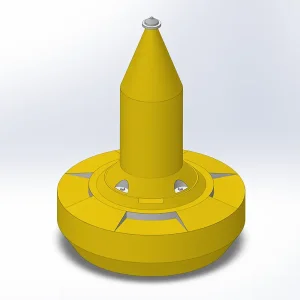
Best Reliable Floating Buoys for Coastal Navigation & Offshore Projects
Buoy DetailsMaterial Science Evolution in Hydraulic Flotation: From Rigid Metal Pontoons to Advanced Polymers
Understanding the fundamental engineering transition from steel pontoons to rotomolded PVC and virgin polyethylene composite floats in severe marine and slurry environments.
In heavy hydraulic transport, cutter-suction dredging, and mining tailings conveyance, floating pipelines operate under severe mechanical dynamic stress. Historically, maritime engineering operations relied on fabricated structural steel pontoon systems. While rigid, steel pontoon floats suffered from aggressive electrochemical galvanic corrosion in marine environments, catastrophic punctures caused by high-impact sea swells, and immense parasitic self-weight that diminished operational payload buoyancy. Over an average 36-month coastal deployment, steel structures suffer from progressive wall thinning, necessitating expensive dry-dock recoating cycles, cathodic protection replacements, and high carbon footprint logistics.
The modern era of dredging and water infrastructure is governed by Rotomolded Virgin Linear Low-Density Polyethylene (LLDPE) and High-Impact PVC Blends. As an authority in polymer rotational casting, Shandong Binzhou Juhua Rubber & Plastic Co., Ltd. (Giant Rubber & Plastic) has engineered a multi-layered polymer matrix that eliminates rust-induced failure modes entirely. By utilizing high-molecular-weight polymers integrated with specialized UV-inhibitors (UV8 to UV20+ carbon black and hindered amine light stabilizers - HALS), contemporary pipe floats resist extended solar irradiance, bio-crust attachment, and cyclic shock loads caused by turbulent sea slamming.
Structurally, our OEM pipe float systems consist of two matched semicircular hulls filled with high-density, closed-cell Polyurethane (PUR) rigid foam (density: 35 kg/m³ to 45 kg/m³). The structural interaction between the high-ductility polymer outer shell and the pressurized internal foam core prevents water ingress even in the rare event of a shell puncture by jagged river bottom aggregates, sunken debris, or dredge rock. This ensures catastrophic float failure is physically impossible, preserving operational trim and preventing pipeline sinking on critical municipal or industrial capital projects.
Global Enterprise Procurement Dynamics: Mitigating Downtime in Megaprojects
How Tier-1 engineering, procurement, and construction (EPC) conglomerates evaluate total lifecycle buoyancy costs, interchangeability, and logistical packaging efficiency.
Interchangeability & Mold Precision
For large dredging fleets operating across diverse geographical sectors, standardized bolt-circle patterns and precision mold alignment tolerances mean replacement half-shells seamlessly clamp onto operational HDPE, PVC, or steel pipes without on-site mechanical modifications or operational project stoppage.
Optimized Nested Container Logistics
Flotation modules inherently feature high volumetric displacement. As an experienced exporter to 80+ countries, our OEM factory utilizes nesting-optimized industrial designs and demountable palletized strapping systems that increase 40ft High Cube container volumetric utilization by up to 28%, significantly slashing cross-ocean freight rates.
Corrosion & Abrasion Resilience
Unlike steel buoyancy vessels requiring sacrificial zinc anodes and recurring non-destructive wall-thickness testing (NDT), polymer floats offer zero electrochemical reactivity. They withstand aggressive salt concentrations, acidic mining tailings (pH 2-12), and harsh hydrocarbon sheens without structural delamination.
Macro Industry Solutions: Engineered Applications Across Global Ecosystems
From cutter-suction land reclamation in the Arabian Gulf to sub-zero mining tailings conveyance in South America, custom buoyancy modules perform under tailored hydro-mechanical conditions.
| Sector Application | Primary Operating Challenge | Pipe Material / OD Range | Polymer Shell & Buoyancy Specification | System Longevity Target |
|---|---|---|---|---|
| Harbor & Channel Dredging | High-velocity tidal cross-currents, constant pipe flexure, abrasive sand slurries | HDPE / Steel Pipes (OD 250mm – 1200mm) | High-impact UV-stabilized LLDPE shell, high-density PUR core, anti-slip inner ribs | 12 – 15 Years Continuous |
| Mining Slurry & Tailings | Extreme slurry specific gravity (SG 1.35 – 1.60), chemical acidity, heavy cyclic slurry surges | Rubber Hoses / Thick HDPE (OD 160mm – 800mm) | Extra-thick wall casting (8-14mm), reinforced marine galvanized/SS316 bolt hardware | 8 – 12 Years Harsh Chemical |
| Desalination & Intakes | Hyper-saline brine discharge, marine bio-fouling, near-shore wave breaker zones | PVC / GRP / HDPE (OD 200mm – 1000mm) | Hydrodynamic tear-drop profiles, anti-biofouling non-leaching resin formulation | 15 – 20 Years Submerged/Floating |
| Floating Solar & Utilities | Static mooring forces, wind-shear uplift, requirement for integrated power cable troughs | Continuous Cable Conduit / Municipal Pipe (OD 110mm – 630mm) | Pipe floats with molded-in cable troughs and electrical isolating polymer characteristics | 20+ Years Static Marine |
Engineering Hydrodynamics: Formulating Pipeline Buoyancy and Reserve Factors
A rigorous review of static and dynamic buoyancy mathematics necessary to prevent catenary buckling, pipeline sagging, and unexpected submerged conditions.
Buoyancy Sizing Principle for Slurry Pipelines
The most prevalent engineering failure in floating line deployment is sizing floats based exclusively on empty pipe weights or clean water density (1.0 t/m³). Slurry conveyance increases line weight dynamically. Buoyancy must balance the deadweight of the pipe, the conveyed dense slurry, all flanged connectors, plus a mandatory 20% to 30% reserve buoyancy factor to maintain optimal freeboard in chop and wave conditions.
- Slurry Density Factor: Account for actual solids concentration; iron ore tailings can reach a density of 1.45 to 1.70 g/cm³.
- Target Freeboard: Typically engineered so 20% to 25% of the overall float outer diameter remains elevated above water level.
- Hydrodynamic Wave Slamming: Bolted flanges and tie-in points experience cyclic shear loads; spacing must prevent intermediate line drooping.
Factory Precision Engineering: Advanced Rotomolding & Quality Governance
Operating out of Huimin County, Binzhou, Shandong, our automated variable-frequency rotational molding facilities maintain millimetric wall uniformity and absolute batch repeatability.
Variable-Frequency Casting
Our dual-axis bi-rotational molding carousels employ variable-frequency digital speed control, guaranteeing precise resin dispersion into structural corners and zero thin-wall failure zones.
Infrared Pyrometry Measurement
Continuous electronic infrared thermometry monitors chamber and mould-skin temperatures during curing cycles to optimize polymer cross-linking and eliminate internal residual hoop stresses.
Automated High-Pressure PUR Injection
Molded half-shells are injected with closed-cell polyurethane under vacuum assistance, ensuring uniform cellular density without large air voids, guaranteeing structural integrity under deep water pressure.
Localized Compliance & Testing
Each production run undergoes Environmental Stress Crack Resistance (ASTM D1693 ESCR), mechanical impact drop tests, and chemical inertness profiling to conform to PIANC navigation buoy and CE guidelines.
Technological Roadmap: The Future of Smart Marine Flotation & Eco-Polymers
Strategic advancements pioneering the integration of IoT monitoring, bio-based circular polymers, and low-drag hydro-aerodynamic hull forms.
Telemetry & Strain Sensor Integration
Next-gen float modules incorporate embedded IoT pressure strain transducers, GPS geolocation, and tilt-sensors that transmit real-time catenary load telemetry to port management command consoles via 4G/Satellite networks, preempting line fatigue.
Circular Non-Leaching Resins
Responding to strict global offshore environmental criteria, our R&D department is trialing post-industrial recyclable high-density resins that retain tensile yields (>21 MPa) while lowering life-cycle embodied carbon and preventing microplastic shedding.
Vortex-Shedding Rib Profiles
By simulating fluid vortex patterns via Computational Fluid Dynamics (CFD), new hydrodynamic shell contours reduce current drag resistance by up to 18%, substantially lowering anchor tension requirements in fast-flowing tidal channels.
Frequently Asked Questions: Technical & Procurement Verification
Direct engineering answers addressing search queries, installation tolerances, material formulations, and international shipping protocols.
What is the structural difference between PVC pipe floats and polyethylene (PE) pipe floats?
While the industry colloquially searches for "PVC Pipe Floats", modern industrial-grade floats are primarily manufactured from rotationally molded Virgin Linear Low-Density Polyethylene (LLDPE) or high-impact modified PVC-PE composites. Pure unplasticized PVC can exhibit brittle fracture under heavy cyclic impact at low temperatures. In contrast, our rotomolded LLDPE formulations deliver exceptional impact ductility (yielding under extreme deformation without catastrophic cracking), superior Environmental Stress Crack Resistance (ASTM D1693), and long-term resistance to ultraviolet light degradation.
How do you calculate the precise buoyancy reserve for high-density mining slurry pipelines?
Total buoyancy must account for the empty pipe self-weight, the weight of the conveyed fluid at its operational specific gravity (SG), the weight of the float halves and hardware, plus a dynamic reserve safety margin. For example, when conveying tailings with an SG of 1.45 t/m³ in an offshore or river environment, a conservative reserve buoyancy factor of 25% to 30% is mandatory. This ensures roughly 25% of the float's volume remains above the waterline, preventing wave overtopping from submerging the line and causing catenary drag failures.
Can your factory produce custom inner diameters to fit non-standard steel or rubber pipeline dimensions?
Yes. Juhua operates dedicated in-house CNC mold manufacturing tooling. We can modify inner diameter clamp rings or produce custom aluminum rotational molds to match non-standard steel pipe outer diameters, heavy-duty armored dredging hoses with expanded flange collars, and integrated conduit cable channels for trailing power infrastructure.
What prevents the pipe floats from sliding longitudinally along smooth HDPE or steel pipes?
Our pipe floats are engineered with internal molded anti-slip friction grooves and precision clamping interference tolerances. Additionally, on high-angle slurry discharge lines or floating pipelines subjected to heavy marine chop, our factory provides specialized high-grip elastomeric anti-slip rubber liner inserts and mechanical pipeline stop collars (floc-stops) that lock the float securely between pipeline flange connections.
What is the factory warranty period and operational lifecycle expectancy?
The formal contractual warranty begins when the buyer hands over the goods to the end-user/investor and terminates 18 months post-handover or 12 months after project commissioning, whichever occurs first. In standard marine dredging and water conveyance operations, our UV20+ stabilized hulls and closed-cell polyurethane foam cores achieve an operational lifespan exceeding 10 to 15 years with negligible loss of buoyancy.
What grade of fastening hardware is supplied with the OEM float shells?
Standard configurations are shipped with heavy-duty hot-dip galvanized Grade 8.8 structural bolts, washers, and nylon-insert lock nuts to prevent loosening from pump vibrations. For highly corrosive marine environments or acidic mine water discharge (pH < 4), we equip systems with Marine Grade AISI 316 / 316L stainless steel fasteners.
Heavy-Duty Floating Line Architecture (Part II)
Precision navigation buoys, offshore rubber dredging hoses, perimeter silt barriers, and custom mooring assemblies ready for rapid export deployment.
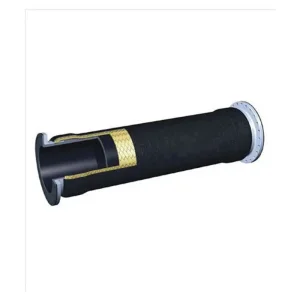
Heavy-Duty Rubber Hose for Water & Marine Projects Supplier
Hose Specs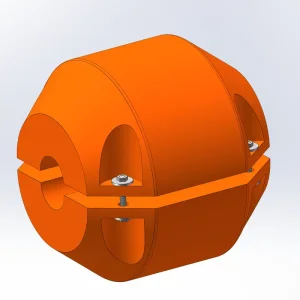
High-Quality Durable Pipe Floats for Safe Marine Operations
View Model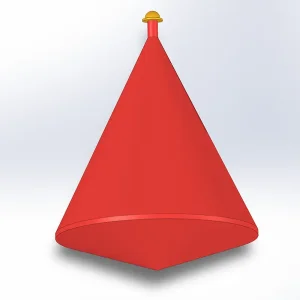
Precision Marine Buoys for Safe & Efficient Navigation
Buoy Systems
ODM Floating Barrier Systems for Water Safety & Project Control
Barrier Specs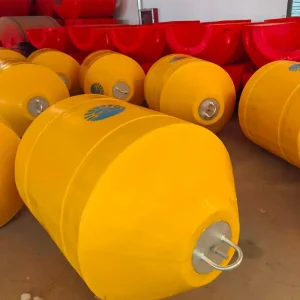
Custom Mooring Buoy for Harbors & Offshore Anchorage Systems
Anchorage Quote
ODM Heavy-Duty Marine Buoys for Navigation & Offshore Safety
Explore Buoy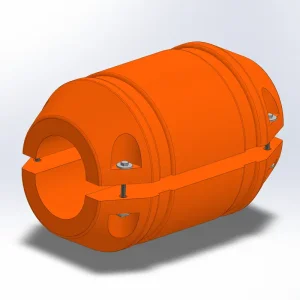
ODM Reliable Pipe Floats for Marine Dredging Projects
Factory Supply
Reliable Floating Barrier Solutions for Water Protection & Control
Barrier PricingInitiate Technical Project Sizing & Factory Procurement
Engage directly with our senior polymer buoyancy engineering division for custom mold design, hydrodynamic calculation certificates, and commercial export pricing.
Technical Drawings & Specs
Submit your pipe outside diameter (OD), conveyed material density, wave parameters, and target freeboard directly to our engineering division for comprehensive calculation sheets.
Email: [email protected]
Direct WhatsApp Engineering
Bypass middlemen and communicate directly with the production and rotomolding quality control team in Shandong for prompt lead-time confirmation and container staging.
WhatsApp: +86-158-6665-7686
Factory Industrial Base
Over 1,000 m² dedicated rotational molding workshops, automated PUR foaming bays, raw material testing labs, and finished product stock.
Address: West Industrial Park, Lizhuang Town, Huimin County, Binzhou, Shandong, China
Verified Engineering Quality Trusted Globally