Water Protection
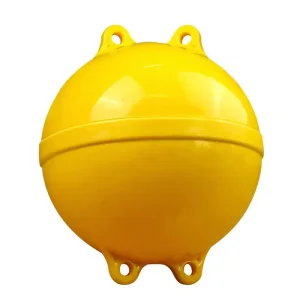
Explore high-resilience marine floating systems, dredging pipelines, and flotation modules directly manufactured to ISO & marine standards.



Analyzing supply chain shifts, polymer compounding breakthroughs, and critical performance standards across international extraction and water management sectors.
The global market for rubber water suction hoses and industrial slurry transport assemblies has experienced unprecedented transformation over the past decade. Driven by intensifying deep-sea dredging operations, mega-scale agricultural irrigation projects, municipal flood mitigation, and large-scale mining slurry remediation, the industrial demand for resilient elastomeric conduits capable of handling simultaneous severe negative pressure (full vacuum) and high dynamic kinetic discharge is higher than ever recorded.
In heavy industrial and marine engineering, standard PVC or semi-rigid thermoplastics routinely fail under the cyclic flexing, abrasive scouring of heavy quartz sediment, and prolonged exposure to ultraviolet radiation combined with saline immersion. Consequently, high-grade synthetic elastomers—chiefly EPDM, SBR, and chloroprene compounds embedded with high-tensile spring steel wire helixes and multi-ply synthetic cord textile reinforcements—have become the global engineering benchmark.
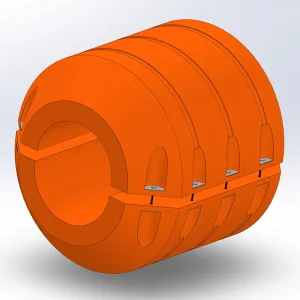
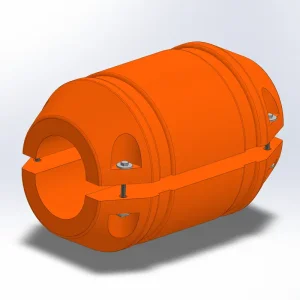
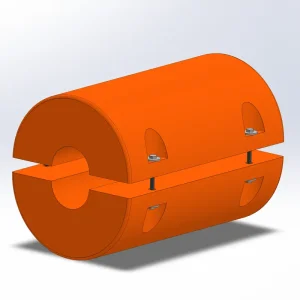
OEM factories positioned at the forefront of this sector are moving away from commodity distribution toward highly customized engineering partnerships. Infrastructure procurement agencies and EPC (Engineering, Procurement, and Construction) contractors now demand integrated pipeline systems: from custom-compound flexible suction hoses with vulcanized rubber flanges to perfectly buoyancy-matched rotomolded polyethylene floats that prevent excessive bending radius stress along ocean pipelines.
Reinforced with high-tensile carbon spring steel helical wire to resist inner structural collapse during high-lift dredging suction and positive discharge pressure surges up to 25 bar.
Utilizing high-purity natural and synthetic rubber blends with DIN abrasion resistance ratings below 60 mm³, maximizing operational lifespan against sharp gravel, sand, and mining tailings.
Specially compounded outer cover layers compounded with anti-ozonants and weather-stable chloroprene, preventing environmental cracking in tropical offshore or sub-zero mining sites.
Standard design parameters for OEM high-performance rubber water suction and discharge systems.
| Nominal Bore (ID) | Reinforcement Architecture | Working Pressure (WP) | Burst Pressure (BP) | Vacuum Rating | Min. Bending Radius |
|---|---|---|---|---|---|
| 100 mm (4") | Multi-ply synthetic cords + High tensile steel helix | 10 - 20 Bar | 30 - 60 Bar | -0.9 Bar (90%) | 500 mm |
| 200 mm (8") | Dual spiral spring wire + Anti-static copper braiding | 10 - 16 Bar | 30 - 48 Bar | -0.9 Bar (90%) | 950 mm |
| 300 mm (12") | Multi-layer polyester cord + Embedded helical rings | 10 - 15 Bar | 30 - 45 Bar | -0.85 Bar (85%) | 1,500 mm |
| 500 mm (20") | Heavy-duty vulcanized steel rings + Multi-ply nylon cord | 8 - 12 Bar | 24 - 36 Bar | -0.85 Bar (85%) | 2,600 mm |
| 800+ mm (32"+) | Custom engineered carcass with segmented structural rings | 6 - 10 Bar | 18 - 30 Bar | -0.8 Bar (80%) | 4,200 mm |
How specialized OEM rubber water suction hoses and synchronized marine flotation solve complex industrial fluid routing challenges across varying topographies.
Trailing suction hopper dredgers (TSHD) require high-flexibility rubber suction arms that can withstand heavy wave action while conveying dense seabed gravel without collapsing.
Acidic mineral runoff, abrasive tailings slurries, and high-head de-watering in open-pit mines demand heavy chemical-resistant elastomers and structural wire stability across high elevations.
High-volume diesel emergency pump stations utilize rapid-coupling rubber suction lines configured to drain inundated urban districts, resisting suction cavitation and roadside vehicular contact.
Acting as flexible vibration-dampening links between rigid HDPE dredging pipes and fixed onshore processing infrastructure, absorbing ocean swells and marine tidal dynamics continuously.
The path forward in advanced elastomer design: Smart IoT monitoring, bio-based polymers, and ultra-high molecular integration.
Infusing graphene and nano-silica into synthetic rubber compounds to increase cut and tear resistance by 40% without compromising flexibility.
Integrating wireless conductive sensor threads within the inner tube layer to give engineers real-time wear data and prevent catastrophic failures.
Robotic, temperature-controlled continuous curing and automated spiral wire winding ensuring identical wall thickness across large bore diameters.
Developing fully vulcanized elastomers with cross-link reversal capability, reducing the ecological footprint of decommissioned mining hoses.
Sourcing hoses independently of flotation structures is the primary cause of pipeline failure in offshore projects. A suction hose with inadequate buoyancy will sink and drag along the seabed, abrading the outer carcass. Conversely, over-buoyant systems place unacceptable torsion on hose flange joints. By partnering directly with an OEM facility capable of engineering both the rotomolded polyethylene float shells and the reinforced rubber fluid lines, operators achieve certified hydrodynamic equilibrium: maintaining the target waterline with 25-30% reserve buoyancy.
Essential considerations for plant managers, dredging superintendents, and procurement executives.
A pure discharge hose is built primarily to contain outward hydraulic pressure using fabric plies. A suction hose must resist atmospheric pressure attempting to crush it while under full vacuum. It requires an embedded high-tensile steel helix wire or rigid structural steel rings to prevent circumferential buckling.
Buoyancy is calculated based on total working system mass: Total Float Buoyancy ≥ (Dry Hose Weight + Water/Slurry Weight + Steel Flanges/Hardware) × 1.25 to 1.30. Sizing must always be performed using the specific gravity of the pumped slurry (often 1.3 to 1.8 kg/L), not plain water.
Steel pontoon floats rust in saltwater, require periodic anti-fouling recoating, and risk sinking if punctured. High-density rotomolded virgin PE is 100% immune to marine electrolytic corrosion, highly UV-stabilized, and filled with closed-cell polyurethane foam to prevent waterlogging.
To deliver an accurate quote and engineering drawing, we require: Inside Diameter (ID), Working & Burst Pressures, Negative Pressure rating (Vacuum), Conveyed Media composition and solid grain abrasive profile, connection flange standard (DIN, ANSI, JIS), and project destination port.
Direct communication with production engineers. Comprehensive technical data sheets, buoyancy sizing formulas, and international shipping rates within 24 hours.
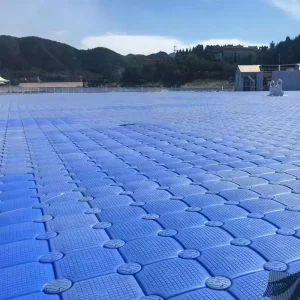
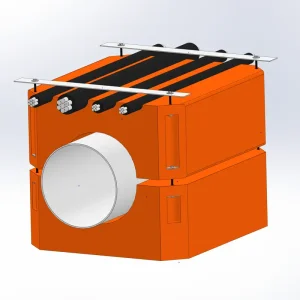
Integrate specialized mooring equipment, floating pontoons, and cable-trough pipe floats for turnkey industrial efficiency.