
OEM Sand Dredging Pipeline Products & Companies
Precision Rotomolded Polyethylene Flotation, High-Buoyancy Modular Line Architectures, and Turnkey Marine Slurry Conveyance Systems Engineered to ISO 9001 Benchmarks.
High-Efficiency Marine Flotation Units
Pre-engineered OEM discharge pipeline components, slurry hose sections, and ocean mooring buoys delivering guaranteed hydro-dynamic stability under severe sea conditions.
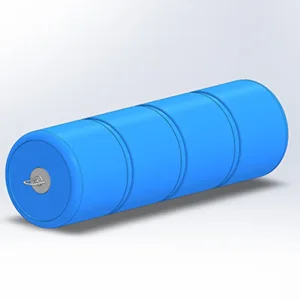
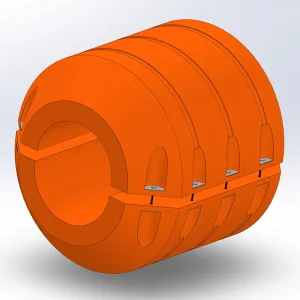
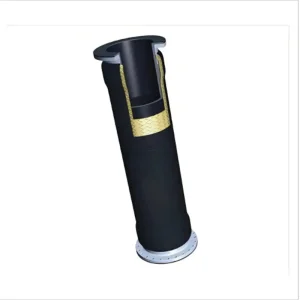


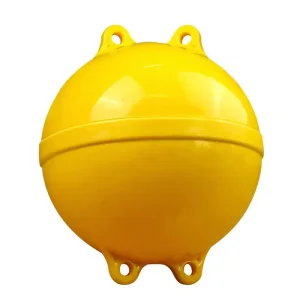
Macro-Industry Solutions for Heavy-Duty Marine Dredging
Modern hydraulic dredging pipelines must endure high-velocity abrasive slurries, heavy dynamic wave actions, and intense UV degradation. Our integrated product systems address operational stress points directly.
Land Reclamation & Port Capital Works
Discharging millions of cubic meters of sand slurry over nautical miles requires minimal hydraulic friction and zero unassisted pipeline sinkage. Our paired rotomolded floats balance high-density polyethylene (HDPE) lines and armored slurry conduits to ensure uniform surface positioning.
Tailing Discharge & Mineral Slurries
Abrasive mine tailings exhibit physical specific gravities up to 1.8 t/m³. Conventional pipe floaters quickly capsize under unexpected flow surges. Our specialized heavy-ballast flotation solutions feature customized buoyancy shells reinforced with expanded polyurethane (PUR) closed-cell foam cores.
River Desilting & Hydro Reservoir Bypass
Confined river channels require exceptional maneuverability and shock tolerance against debris impacts. Integrated modular floating systems allow quick line re-configurations, supporting flexible rubber hose bends that absorb tidal shifts and current surges without breaking.
Buoyancy Formula For Sand Dredging
A standard mistake in offshore EPC budgeting is sizing buoyancy components solely based on water displacement of empty pipes. In industrial dredging operations carrying dense silts and gravels, calculating dynamic reserves is critical to avoid total line submergence.
- Requires a 20% to 30% reserve buoyancy margin under full solid payload
- Maintains pipeline freeboard at approximately 25% of the outer diameter
- Eliminates cyclic flex-fatigue on flange joints and clamp rings
Where:
• W_slurry = π/4 × (ID)² × L × ρ_slurry (ρ up to 1.6–1.8 kg/dm³)
• F_net = Total volumetric water displacement of PE float shells
China Factory 4.0: Supply Chain Resilience & Precision
Operational stability depends on rigorous manufacturing control. Our Binzhou manufacturing base integrates automated rotomolding, algorithmic wall-thickness verification, and standardized raw material testing.
Algorithmic Heating
Closed-loop, multi-zone automated temperature feedback controllers eliminate thermal-crystallization discrepancies, ensuring consistent structural density across each rotomolded PE shell.
Standardized Tooling
CNC-machined aluminum and heavy steel molds ensure exact half-shell dimensions. Replacement pipeline floats fit operational assemblies with zero alignment friction in the field.
In-Situ Foaming
Controlled internal pressure foaming fills every shell void with high-density polyurethane foam. Even if accidental pontoon breaches occur on rocks, zero water infiltration happens.
End-to-End QA Traceability
Every production batch undergoes tensile strength, low-temperature impact, and Melt Flow Index (MFI) tests, complete with material mill test certificates (MTC) and serial tagging.
Technical Roadmap & Pipeline Life-Cycle Evolution
Marine dredging infrastructure is transitioning from passive buoyancy products into instrumented, sustainable, and wear-resistant pipeline networks.
Molecular Cross-Linking & Bio-Circular PE
Development of cross-linked high-density polyethylene (XLPE) composite shells delivering triple the stress-crack resistance (ESCR) in high-salinity equatorial waters, along with fully recyclable closed-loop polymer recovery.
Smart Buoyancy & Stress Telemetry
Embedding LoRaWAN and satellite-linked strain gauges inside float shells to monitor dynamic bending stresses, real-time draft, line ballast distributions, and collision warnings directly back to dredge master bridges.
Low-Drag Modular Profiles
Computational fluid dynamics (CFD)-optimized aerodynamic-hydrodynamic bodies. Decreasing drag coefficients by up to 22% minimizes anchorage tension loads and fuel consumption during offshore pipe repositioning.
Localization Support, Regulatory Compliance & Standards
Marine civil contractors require uncompromising compliance with international classification societies and environmental standards to prevent costly offshore delays.
Class Compliance
Product manufacturing lines adhere to ASTM D1693 environmental stress crack resistance, ISO 9001 quality frameworks, and CE marking criteria for marine auxiliary pontoon assets.
Containerization Yield
Floats feature modular interlocking nest designs that optimize nested sea shipping volumes, dramatically reducing ocean freight expenditures per meter of floating pipeline.
Marine Fasteners
All pipeline float coupling hardware is supplied in hot-dip galvanized Class 8.8 high-tensile steel or maritime Grade AISI 316 stainless steel to safeguard against galvanic corrosion.
Global Project Spares
We supply standardized OEM dimensional halves, split-ring connectors, and backing plates with clear assembly coding to simplify multi-national site operations.
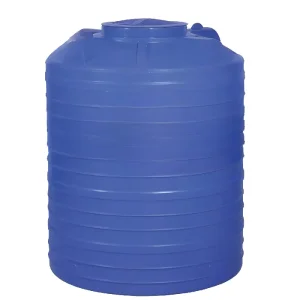
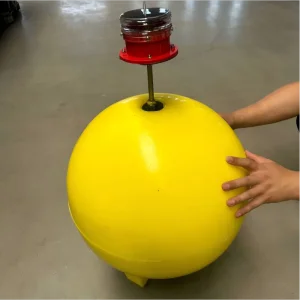
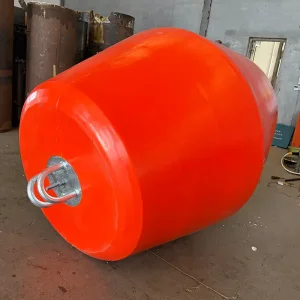
Dredge Floaters, Specialized Buoys & Marine Barriers
Heavy-duty, weather-resistant flotation assets purpose-built for harsh salt spray, rough open-sea berths, and high-volume solids transport.



Frequently Asked Questions: Dredging Flotation Engineering
In-depth responses to technical, procurement, and deployment questions encountered by dredging contractors and marine engineers worldwide.
What is the essential function of pipeline floats in sand dredging?
Pipeline floats (or dredging buoyancy modules) clamp securely onto steel, HDPE, or composite slurry pipes. They keep discharge pipelines fully afloat and visible while preventing bottom dragging, avoiding abrasion against rocks, and reducing tow resistance during dredger movements.
How is buoyancy capacity calculated for high-density slurries?
Buoyancy calculations must use the fully loaded pipeline mass, including the wet slurry density (typically 1.3 to 1.8 kg/dm³ for sand and gravel). The net displaced water weight of the floats must provide a safety reserve margin of 1.20x to 1.30x above the total deadweight of the pipe, slurry, and accessories.
Why is rotomolded polyethylene favored over steel pontoon floats?
Virgin UV-stabilized linear low/high-density polyethylene (LLDPE/HDPE) provides complete immunity to seawater corrosion, biological fouling, and chemical oxidation. Unlike welded steel pontoon floats, PE floats never rust, do not require sandblasting or recoating, and absorb collisions with vessels elastically without cracking.
What prevents water ingress if an outer PE shell is punctured?
All premium dredging floats are injected internally with closed-cell polyurethane (PUR) foam under strict mold pressure. The cured foam structure has a closed-cell ratio exceeding 92%, which completely prevents water ingress and ensures continuous flotation even after shell damage.
What project parameters are required for an accurate OEM technical quote?
Clients should specify pipe outer diameter (OD), pipe wall thickness and material, slurry density (sg), pipeline length, marine operating conditions (wave heights, currents, salinity), freeboard requirements, whether electrical cables need routing troughs, and the discharge port.
What is the standard warranty period for pipeline flotation assets?
The standard warranty begins on the date the client hands over the installation to the project owner and concludes 18 months post-handover or 12 months after active commissioning, whichever occurs first, backed by factory defect replacement guarantees.