
Featured Marine & Logistics Inventory
Engineered Polyethylene Rotomolded Solutions for Panama Port Infrastructure
High-integrity rotational molding solutions certified for high-salinity Pacific-Caribbean cross-transit, tropical UV index 11+, and heavy-impact terminal logistics.
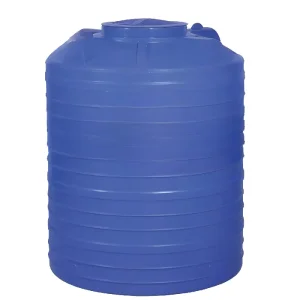
Custom Polyethylene Rotomolded Water Storage Tank for Panama Canal Industrial Chemical Solutions
Explore Specifications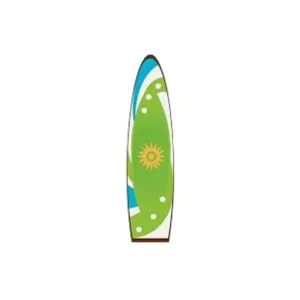
ODM Rotomolded Marine Surfboard – Low-Maintenance Coastal Water Sports Solution for Panama Resorts
Explore Specifications
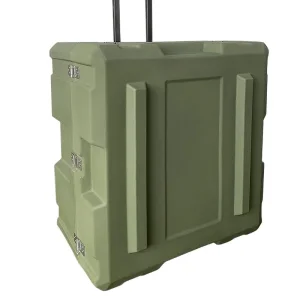
ODM Heavy-Duty Rotomolded Airdrop Security Container for Panama Border & Maritime Inspection
Explore SpecificationsPanama Industrial Landscape: Critical Rotomolded Polymer Infrastructure Demands
Panama's strategic geopolitical positioning—anchored by the Panama Canal Authority (ACP), the transshipment ports of Balboa and Manzanillo, and the mineral logistics connecting the Cobre Panamá mining belt—creates an exceptionally demanding operational environment. Unlike standard subtropical zones, equipment deployed in Panamanian waters experiences accelerated polymer photo-oxidation driven by high daily UV radiation, sustained ambient temperatures exceeding 32°C, and severe hyper-saline corrosion across both the Caribbean Sea and Pacific seaboards.
Traditional fabricated carbon steels and GRP (Glass Reinforced Plastic) alternatives face rapid degradation, galvanic blistering, and high lifecycle maintenance expenditures. Consequently, engineering contractors and EPCs throughout Panama City, Colón, and David are transitioning to advanced bi-axial rotational molded Linear Low-Density Polyethylene (LLDPE/HDPE). Seamless rotomolded bodies provide zero weld-line vulnerabilities, closed-cell polyurethane foam cores that mitigate sinking even under catastrophic hull puncture, and comprehensive chemical inertness suitable for heavy mining runoff and port dredging.
Global Macro Supply Shift
Global supply chain volatility has necessitated extreme structural reliability. International tier-one dredging operators are substituting steel pontoon designs with rotomolded virgin PE floating structures across global waterways to eradicate painting and cathodic corrosion protection maintenance.
Corrosion-Free Dredging Assets
Canal maintenance desilting operations require pipeline floats capable of surviving abrasive volcanic sand and slurry transfers. Rotomolded hulls integrated with variable wall thicknesses eliminate hydraulic friction and absorb continuous hydraulic surging.
Panama Logistics & Security Compliance
Panama's free trade hubs demand military-grade, dustproof, and submersion-rated roto-molded transit cases. Molded inter-stacking ribs guarantee optimal containerized cargo packing, surviving intermodal road vibrations and humid tropical cargo holds.
Technical Reliability & Compliance
Engineering Architecture Built to International Standards
Stringent compliance protocols designed to streamline customs clearance at Balboa Port and guarantee conformance with ACP environmental regulations.
Material Science: SABIC & Borealis PE
All marine buoys, floats, and commercial containers utilize 100% virgin hexene/octene copolymer resins compounding UV inhibitors (UV8 to UV20 level), ensuring tensile retention greater than 80% after 10,000 hours of continuous accelerated weathering tests.
Automated Bi-Axial Machine Precision
Equipped with computerized variable-frequency thermal controls, every product achieves consistent cross-sectional wall thickness, eliminating thin-corner defects common in low-tier molding and giving impact resistance over 20 kJ/m² at sub-zero conditions.
Hydrostatic Hydrodynamic Buoyancy Margin
Engineering compliance dictates pipeline floats feature 20% to 30% surplus buoyancy calculations factoring heavy wet slurry weights (1.6 to 2.0 t/m³ specific gravity), keeping discharge pipelines dynamically balanced across varying tidal surges.
Future-Proof Technology Outlook
Panama Rotomolding Technology Roadmap: 2026–2030
Navigating sustainable marine logistics through next-generation circular polymers and embedded IoT sensors.
Phase 01: Intelligent Telemetry
Embedded IoT Buoy Systems
Integrating solar-powered NB-IoT navigational tracking beacons directly into molded structural cavities for automated Panama Canal navigation lanes.
Phase 02: Advanced Materials
Graphene-Doped Polymers
Formulating high-rigidity polymer matrices to boost flexural modulus by 45%, reducing part weight while enhancing abrasion resistance against coral sea floors.
Phase 03: ESG Decarbonization
Circular Ocean-Bound Resins
Qualifying up to 35% chemically recycled ocean plastics into industrial pontoon bodies, supporting Panama's national blue economy and carbon neutrality mandates.
Phase 04: Fast Lead Times
Panama Regional Mold Hub
Establishing strategic pre-tooled replacement inventory reserves in Colon Free Zone to guarantee 48-hour emergency response times for marine spills.
Complete Marine & Pipeline Catalog
Heavy-Duty Rotomolded Flotation & Marine Lineup for Panama Infrastructure
Field-proven dredging pipe floats, mooring buoys, subsea tie-in modules, and environmental floating barriers engineered for extreme offshore durability.
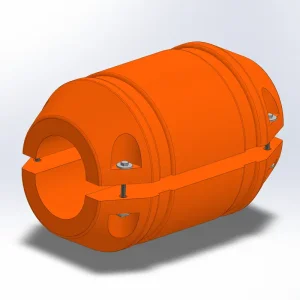
ODM Reliable Pipe Floats for Panama Marine Dredging Projects Supplier
Explore Specifications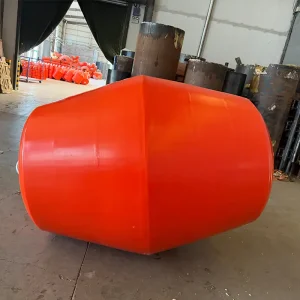
High-Quality Mooring Buoy with Reinforced Connections for Panama Port Expansion
Explore Specifications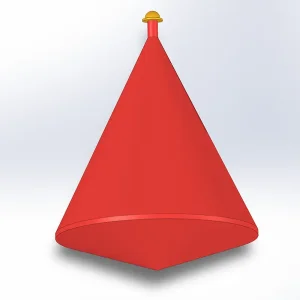
High-Quality High-Visibility Marine Buoys for Safe Panama Offshore Navigation
Explore Specifications
Custom Pipe Floats for Panama Water Transfer & Pipeline Buoyancy Systems
Explore Specifications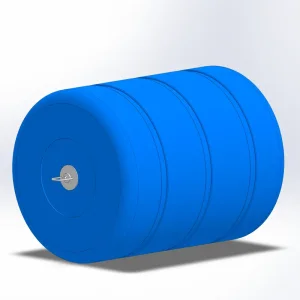
ODM Floating Barrier Systems for Panama Canal Water Safety & Protection
Explore Specifications
Modular Subsea Pipeline Float – Deepwater Marine Support for Panama
Explore Specifications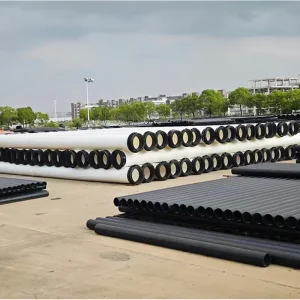
ODM Heavy-Duty Pipeline for Panama Mining & Port Fluid Transport
Explore Specifications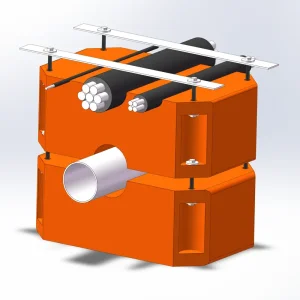
Pipe Floats with Cable Troughs for Panama Electrified Pipeline Dredging
Explore Specifications
Panama Procurement FAQ
Frequently Asked Questions: Sourcing Rotomolded Systems for Panama
Comprehensive engineering insights for procurement departments, harbor masters, and civil contractors.
What are the lead times and shipping routes for custom rotomolded products arriving in Panama?
Standard manufactured inventories (standard pipeline floats, marker buoys, and defense transit containers) ship within 7–12 business days. Customized tooling molds typically take 20–28 days. Ocean transit to primary Panama ports—including Port of Balboa (Pacific entrance) and Manzanillo International Terminal / Colon Container Terminal (Atlantic side)—operates via direct trans-Pacific container vessels with typical 22 to 28-day transit times.
How do Juhua rotomolded polymers withstand Panama's high UV index and tropical waters?
Panama records an extreme solar UV index often exceeding 11–12 year-round. Our rotomolded products use 100% virgin prime LLDPE compound (SABIC, Borealis) pre-blended with high-grade Hindered Amine Light Stabilizers (HALS) rated up to UV20. Under continuous ASTM D2565 and ASTM G154 artificial weathering simulations, our materials retain over 80% tensile and yield strength after 10 years of equatorial marine sunlight exposure.
How do you calculate buoyancy sizing for heavy dredging pipelines operating in the Panama Canal?
Buoyancy sizing cannot simply rely on dry pipe weights. Our engineering protocol applies:
Total Required Buoyancy = [Dry Pipe Mass + Slurry Mass at Specific Density (1.4–1.8 t/m³) + Flange & Cable Load] × 1.25 to 1.30. This guaranteed safety margin keeps a minimum of 25% of the float's volume visible above the water plane, avoiding submerged pipe drag and minimizing collision risks with tugboats and commercial canal traffic.
What documentation and certifications are provided for Panamanian customs clearance and ACP compliance?
All shipments arrive complete with Certified Factory Acceptance Test (FAT) reports, raw material Mill Test Certificates (MTC) stating polymer grade and melt flow index (MFI), ISO 9001:2015 quality conformance papers, non-wood fumigation statements, and full international packing declarations matching Panama Customs (Autoridad Nacional de Aduanas) and Panama Canal Authority (ACP) procurement criteria.
Can products be customized with bespoke dimensions, corporate colors, and molded-in logos?
Yes. With dedicated in-house CNC casting mold centers, we fabricate custom shapes from client STP/CAD technical drawings. Colors follow RAL international standards (including IALA Maritime Buoyage System compliant safety yellow, red, green, and high-visibility orange). Permanent molded-in graphics (IN-MOLD decals) can be bonded into the PE walls during the thermal heating cycle, resisting saltwater peel and chemical erosion indefinitely.