Engineered for East African Climate & Hydrodynamic Realities
Floating barriers deployed within Kenya operate under rigorous environmental stresses: peak ultraviolet radiation along the Equator, significant wet-season current spikes (reaching over 2.5 m/s in rivers during El Niño occurrences), and highly abrasive red soil/laterite siltation.
High-Density Virgin Polyethylene (LLDPE) Outer Shell
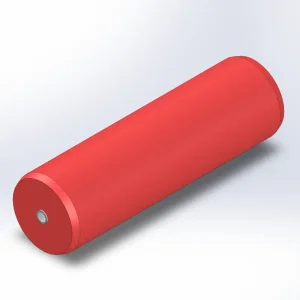
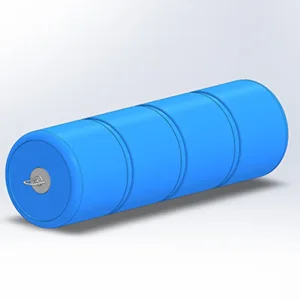
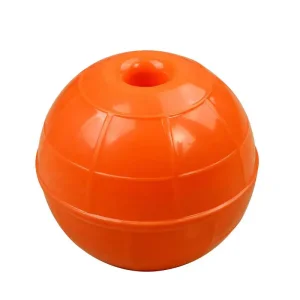
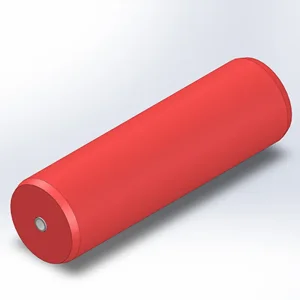
Unlike low-grade blow-molded or repurposed barrels that crack within months under equatorial solar intensity, Juhua barrier units are seamlessly rotomolded from 100% virgin linear low-density polyethylene (LLDPE). Compounded directly with UV-stabilizer package UV8/UV15, our shells guarantee zero embrittlement, stress cracking, or thermal warping over a 15-year rated service life in East Africa.
High-Buoyancy Hydrophobic EPS Core
Each modular barrier section is filled under pressure with high-density (≥16 kg/m³ to 20 kg/m³), closed-cell expanded polystyrene (EPS) or rigid polyurethane. Even in severe accidental puncture scenarios caused by submerged driftwood or sharp rock strikes, water cannot penetrate the foam core, ensuring zero buoyancy loss and complete system unsinkability.
Tensile Load Transfer & Articulated Mooring
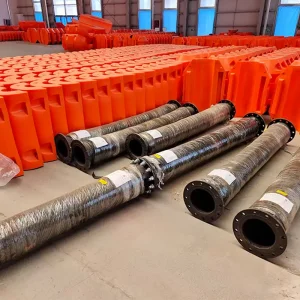
Floating barriers deployed across wide spans must transfer massive tensile loads resulting from surface drag, floating debris accumulation, and sudden flood surges. Our systems integrate heavy-duty through-body hot-dip galvanized or AISI 316 stainless steel load-bearing structures. Tensile forces bypass the plastic shell and distribute directly into end anchors and underwater seabed/riverbed helical screw or concrete deadweight systems.