High-Performance Marine Flotation Systems & Technical Products
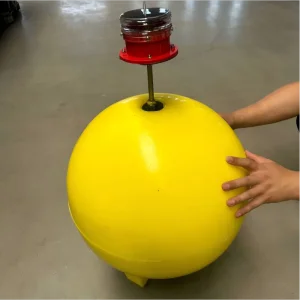
Manufactured using virgin linear low-density polyethylene (LLDPE) shells injected with hydrophobic closed-cell polyurethane foam for maximum impact resilience and lifetime buoyancy retention.



80+
Export Global Destinations
20+ Years
Rotomolding Innovation
UV20+
Marine-Grade Polymer Shell
100% Closed-Cell
Hydrophobic PUR Core
Evolution of Marine Barrier Floats: Engineering Paradigm Shift
From fragile expanded polystyrene (EPS) logs and corroding carbon steel pontoons to advanced monobloc virgin polyethylene rotationally molded architectures, the global marine barrier sector is undergoing rapid technological sophistication.
Polymer Metallurgy & UV Engineering
Modern marine barrier floats operate in extreme salinity, continuous UV bombardment, and violent wave hydrodynamic cyclical loading. Legacy materials suffer micro-fracturing and photo-oxidation within 24 to 36 months. High-density, high-impact hexene/octene co-polymer virgin polyethylene (LLDPE), compounded with carbon black micro-particles and UV20 chemical stabilizers, guarantees mechanical integrity and color fastness for over 15 to 20 years in high-insolation equatorial waters.
Hydrophobic Foam Resilience
Puncture failure in unprotected drums leads to immediate water absorption, buoyancy imbalance, and structural barrier collapse. High-spec marine floats utilize high-pressure in-situ injection of closed-cell polyurethane foam (density 35–45 kg/m³) with water absorption rates < 0.1 kg/m² (ISO 2896). Even if the tough outer polymer shell experiences high-energy impact breaches from floating timber or watercraft collisions, the inner core repels water penetration completely, retaining 98%+ nominal buoyancy.
Structural Tension Transfer Chains
The cardinal vulnerability in marine barrier networks is localized mechanical stress failure at the float-to-float interconnection joints. Advanced systems integrate internal heavy-duty load pins, hot-dip galvanized grade 80 steel tie-rods, or synthetic UHMWPE tension lines routed through reinforced central internal conduits. This shifts tensile hydrodynamic loads along the mooring line rather than transferring destructive sheer forces onto the rotomolded plastic skin.
Buoyancy Margin Calculation Protocol for Engineering Procurement
Marine barrier floats must maintain a calibrated reserve freeboard under maximum hydrodynamic drag, biofilm accumulation, and captured trash loads. Standard engineering specifications mandate a strict minimum safety factor of 1.25x to 1.50x the combined static and dynamic load.
Macro-Industry Applications & Field Engineering Deployments
Engineered to mitigate catastrophic risks, maintain uninterrupted maritime logistics, and ensure strict compliance with global environmental regulations.
Hydropower Dam Intake & Debris Booms
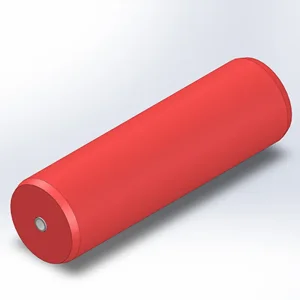
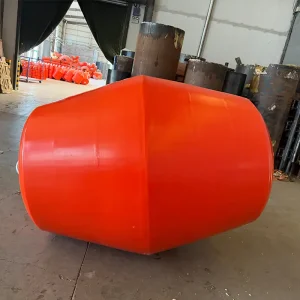
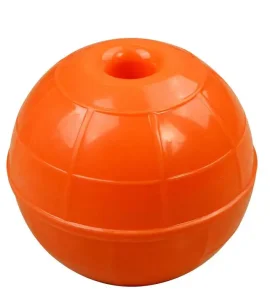
In run-of-the-river and deep-storage hydroelectric power generating stations, water-borne debris, massive floating timber, and surface trash present grave dangers to turbine intake trashracks. Heavy-duty cylindrical and spherical marine barrier floats configured in catenary deflection angles divert thousands of tons of floating detritus toward sluice gates, eliminating turbine downtime and protecting intake turbines from micro-debris erosion.
Port Security & Maritime Exclusion Zones
Naval installations, commercial container terminals, LNG offloading platforms, and oil anchorages require uncompromising surface exclusion systems. Connected barrier float lines with high-tensile internal cables, anti-climb galvanized wire mesh skirts, radar-reflective tops, and marine warning strobes create unbreachable physical demarcation perimeters that prevent unauthorized vessel penetration and comply with ISPS Code standards.
Dredging Tailings & Slurry Flotation Networks
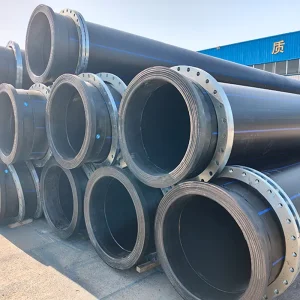
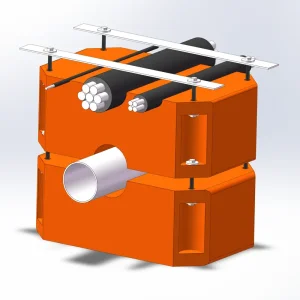
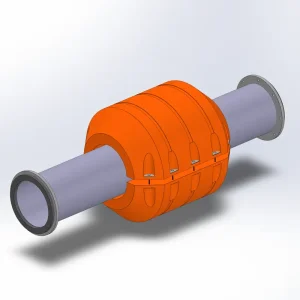
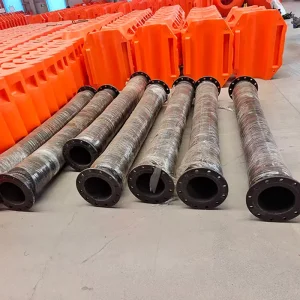
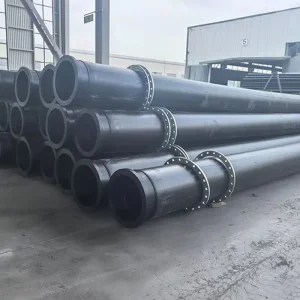
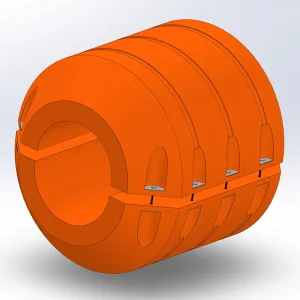
Dredging operations require safe conveyance of abrasive mineral slurry across vast water bodies. Split-half clamp-on PE floats support high-density polyethylene (HDPE) and heavy-gauge steel pipelines. Engineered with hydrodynamic contours, integrated cable troughs, and secure bolt-on fasteners, our buoyancy shells absorb hydraulic wave shocks and eliminate pipeline buckling during heavy discharge pumping cycles.
Environmental Turbidity & Silt Curtains
Offshore pile driving, coastal land reclamation, and channel deepening disturb benthic silt and sediment, releasing hazardous suspended particulate matter. Cylindrical continuous marine barrier floats suspend permeable geotextile turbidity curtains down to the seafloor, isolating dredge plumes within regulated boundaries and safeguarding adjacent coral reefs and seagrass ecosystems from smothering.
Desalination & Power Plant Intake Protection
Thermal power stations and seawater reverse osmosis (SWRO) desalination facilities face catastrophic inlet blockages from jellyfish swarms, sargassum seaweed blooms, and micro-plastics. Heavy-duty floating barriers fitted with underwater micro-mesh weighted nets form a continuous defensive curtain that deflects biological biomass away from intake channels without restricting water inflow velocity.
Public Safety Demarcation & Beach Enclosures
Municipal marinas, eco-tourism resorts, and inland lakes require distinct hazard zone demarcation. High-visibility safety floats equipped with solar LED beacons prevent civilian watercraft from entering spillways, hazardous undertow areas, and protected swimmer sanctuaries, providing both psychological deterrents and physical safety buffers under heavy wave action.
Engineering Specification & Material Selection Matrix
Comprehensive comparative criteria for EPC contractors and marine procurement directors evaluating long-term asset lifecycle efficiency.
| Performance Parameter | Juhua Virgin Rotomolded PE Floats | Recycled / Extruded Plastic Drums | Fabricated Carbon Steel Pontoons |
|---|---|---|---|
| Raw Material Formulation | Virgin LLDPE / HDPE + UV20 | Mixed Post-Consumer PE/PP Scrap | Structural Marine Grade Q235/Q345 Steel |
| Internal Core Filling | Closed-Cell PUR (35-45 kg/m³) | Hollow Air or EPS Bead Packing | Hollow with Internal Bulkheads |
| Seawater Corrosion Resistance | 100% Inert to Saline, Acid & Alkalis | Chemically Variable; Prone to Stress Cracking | Requires Continuous Sacrificial Anodes & Epoxies |
| Design Service Life | 15 to 25+ Years Maintenance-Free | 1 to 3 Years (Rapid Degradation) | 5 to 8 Years (Demands Dry-Dock Recoating) |
| Impact Mechanical Toughness | Elastic Memory; Absorbs Heavy Collisions | Brittle; Shatters Under Wave Shock | Permanent Deformation & Weld Rupture |
| Biofouling & Barnacle Adhesion | Extremely Low Surface Energy Friction | Rough Surface Promotes Algae Growth | Heavy Marine Growth Accumulation |
| Life Cycle Cost (LCC) Rating | Lowest Total Cost of Ownership | Deceptive Initial Low Cost; High Replacement | Extremely High Capital & Maintenance Costs |
Localization Support, Quality Assurance & Compliance Protocols
Rigorous multi-stage factory verification guarantees each batch complies with stringent international maritime, environmental, and structural safety codes.
Environmental Stress Crack Resistance (ESCR)
Every resin batch undergoes ASTM D1693 standard testing (Condition B, 10% Igepal solution at 50°C) exceeding 1,000 failure-free hours. This guarantees that chemical spills, floating diesel fuels, and high-salinity thermal differentials will not cause surface micro-fissuring.
Hydrostatic Hydrodynamic Buoyancy Validation
Finished floats undergo water-immersion displacement testing to determine precise draft line, center of gravity, and reserve buoyancy margins under full load conditions. Internal foam samples undergo density and open-cell percentage evaluation in full compliance with ISO 2896.
Maritime Navigation Colorimetric Compliance
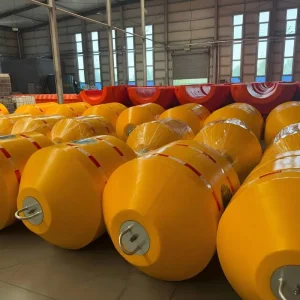
Floating barriers deployed across commercial waterways adhere to IALA E-108 navigation guidance recommendations. Safety Yellow, Maritime Red, and International Orange colorants are compounded into the polyethylene melt with superior Delta-E lightfastness tolerance, maintaining intense visual recognition in heavy fog or night navigation.
Technology Roadmap: Smart IoT Marine Floats & Circular Ecology
Strategic advancements driving the next decade of offshore asset security, ecological stewardship, and automated harbor management.
Integrated IoT Catenary Load Telemetry
Traditional barrier lines rely on periodic manual visual inspections. Next-generation smart floats feature encapsulated micro-strain load cells, multi-axis accelerometers, and satellite/LoRaWAN modules that broadcast live catenary line stress data to central harbor dashboards. Rapid storm surges or extreme debris accumulation trigger automated maintenance alerts before structural tensile failure occurs.
Self-Powered Autonomous Navigation Beacons
Miniaturized solar monocrystalline modules laminated directly into the curved polyethylene top deck recharge lithium iron phosphate (LiFePO4) energy cells. Coupled with smart photodiode daylight sensors and low-draw LED emitters, this architecture delivers continuous IALA-compliant synchronized marine flashing without external cabling or shore battery replacements.
Closed-Loop Polymer Circularity & Bio-Resins
Aligning with corporate ESG mandates and international marine sustainability treaties, our research roadmap pioneers 100% recyclable mono-material designs. By eliminating unrecyclable adhesives and co-formulating chemically inert non-toxic polyolefin compounds, decommissioned floats can be melted down and re-pelletized into industrial piping with zero toxic micro-plastic ocean pollution.
Frequently Asked Questions: Marine Barrier Floats Specification & Quotes
In-depth technical answers addressing hydrodynamic calculations, mooring installation, materials engineering, and procurement logistics.
Industrial Pipeline Floats, Mooring Buoys & Modular Barrier Units
Explore our complete manufacturing spectrum engineered to ensure project reliability across dredging channels, offshore platforms, and municipal intake sites.